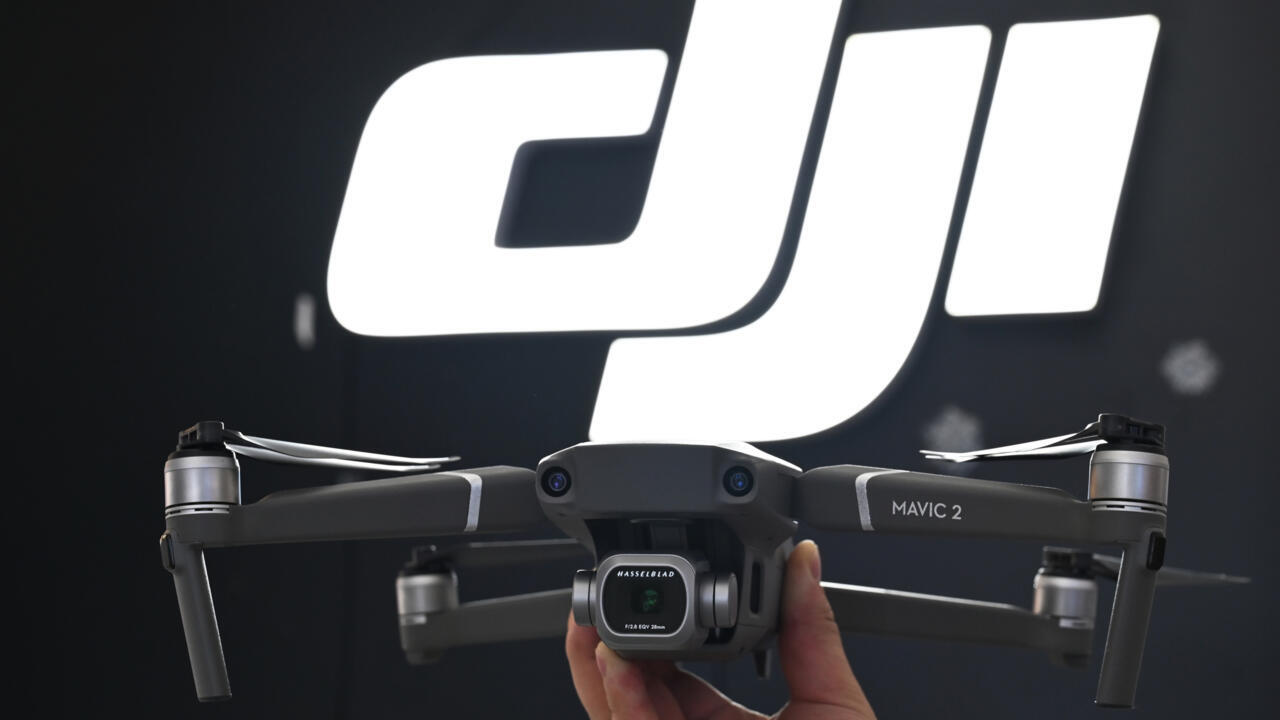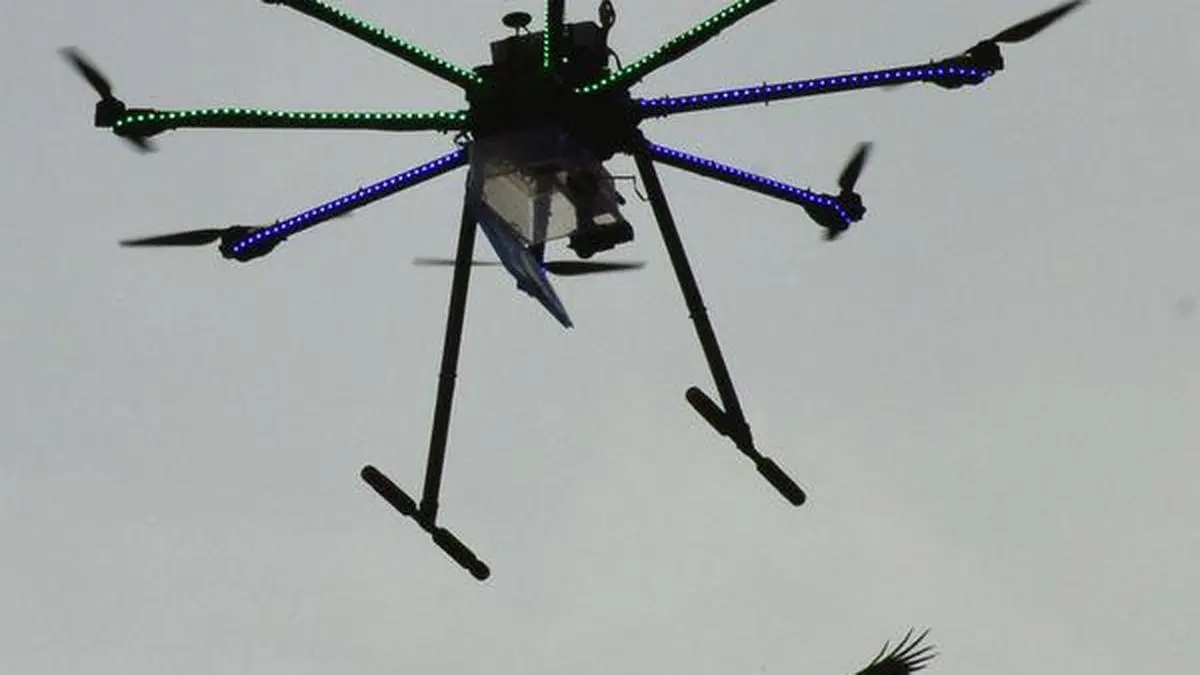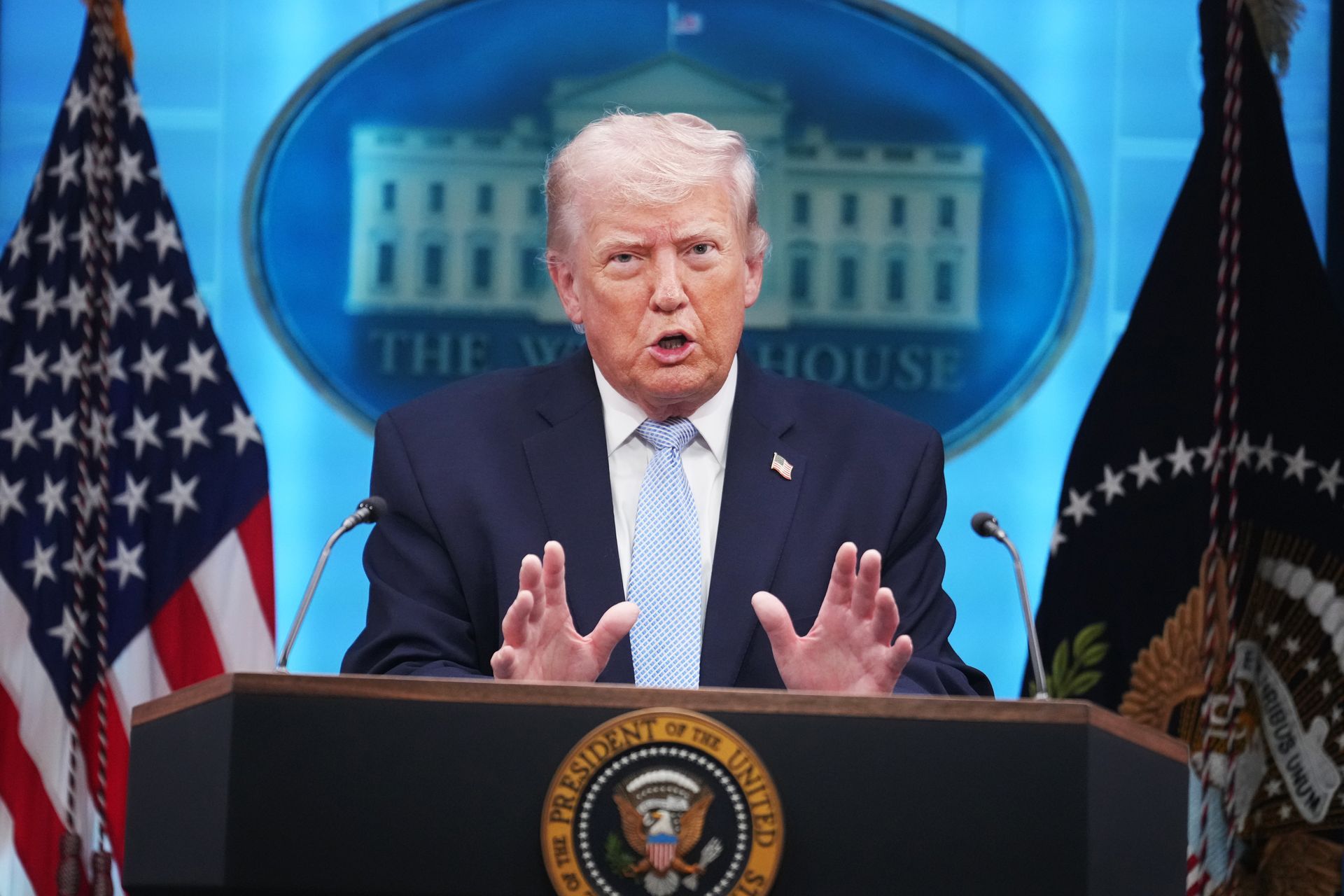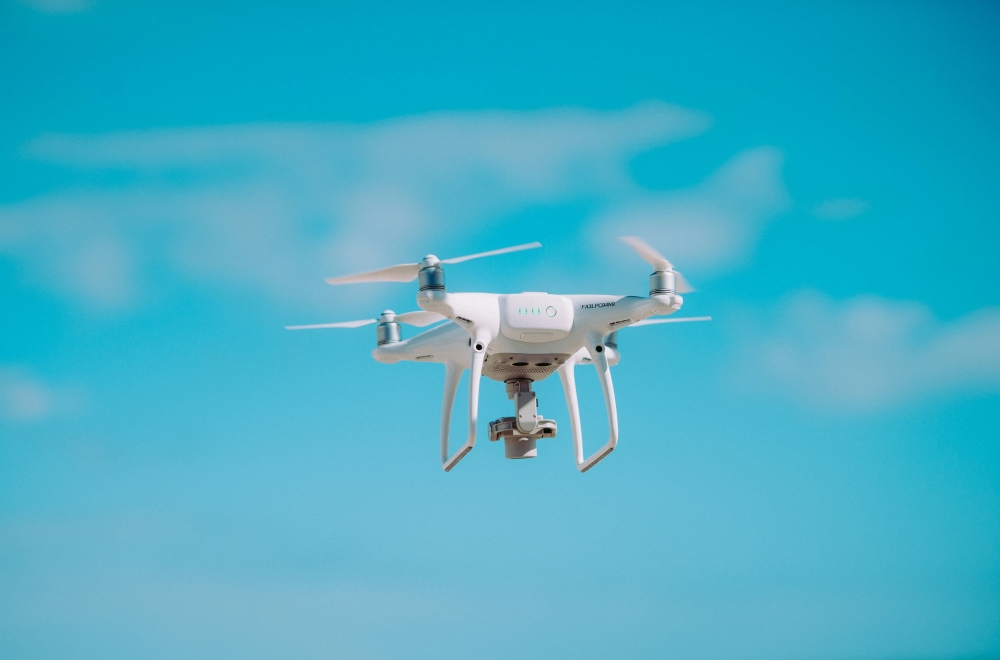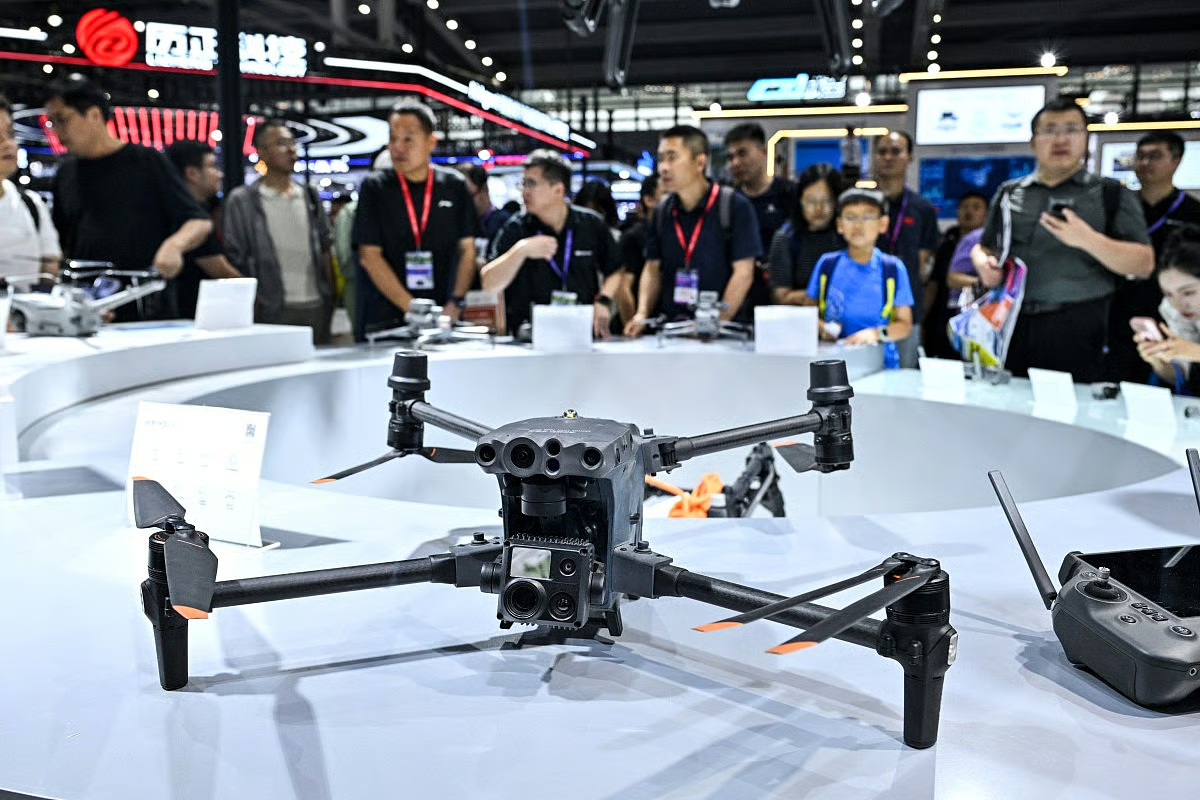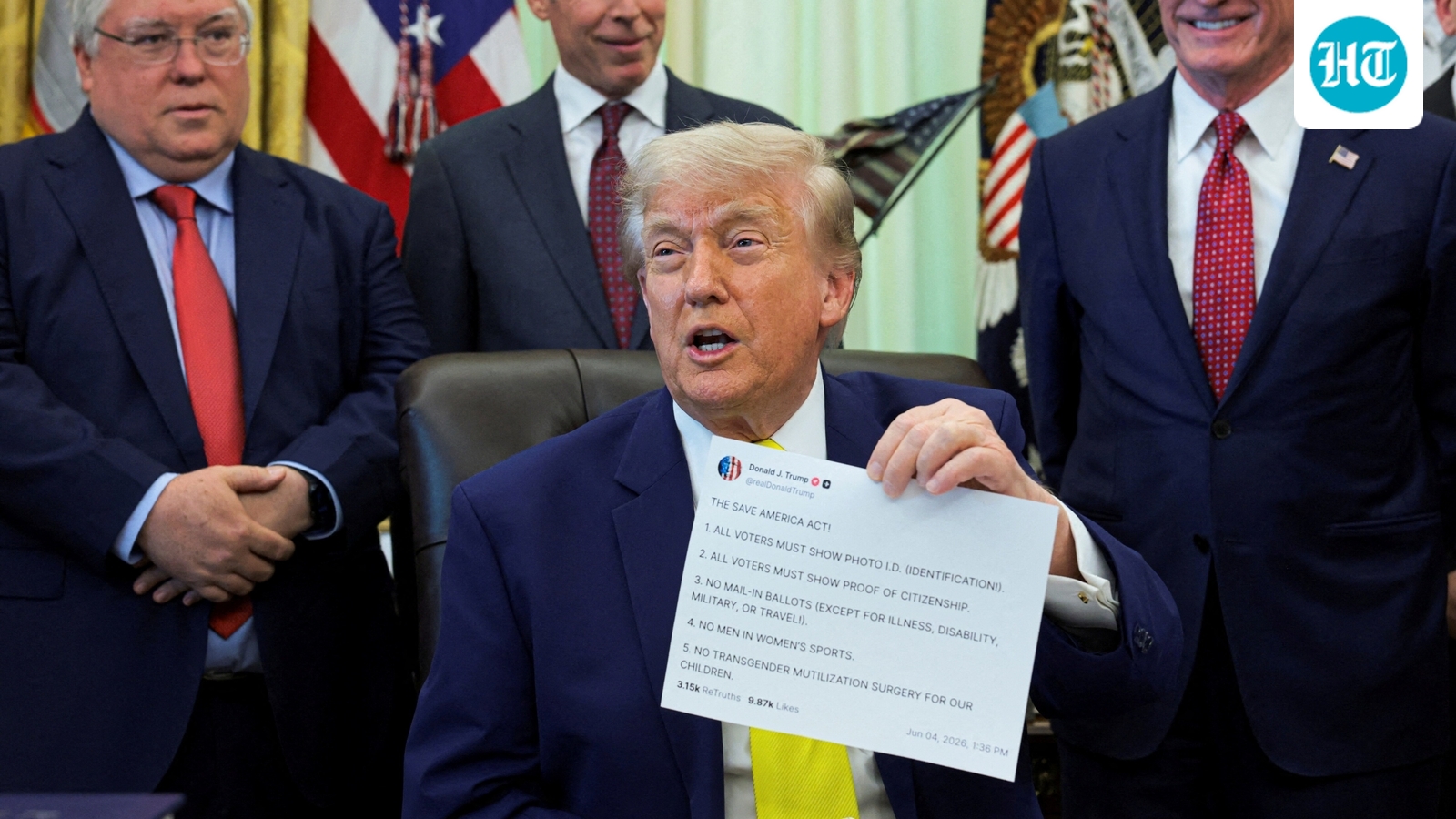
President Donald Trump signed an executive action on August 13 imposing a sweeping new tariff regime on imported drones and their components, with rates climbing as high as 100% for larger unmanned aircraft systems. The move, framed as a national security imperative, represents the administration’s most aggressive trade action yet targeting the rapidly growing drone industry.
Allies weren’t spared. Drones from the European Union, Japan, South Korea, Switzerland, Taiwan, and Liechtenstein will face a 15% tariff. The United Kingdom got a slightly gentler 10% rate. Smaller drones across the board will be hit with a 25% tariff, while larger or specially capable drones and critical components, including docking stations, will carry the full 100% duty.
What the tariff structure looks like
The new regime creates a tiered system that distinguishes between drone size, capability, and country of origin. At the top end, the 100% ad valorem tariff targets the kinds of drones that matter most for commercial infrastructure, defense contracting, and industrial applications. The 25% rate on smaller drones captures the consumer and prosumer segment. The allied-nation rate of 15% for countries like Japan, South Korea, and EU member states suggests the administration wants to penalize foreign dependence broadly while still maintaining some preferential treatment for geopolitical partners.