Commentary
The Iran war has triggered what many say is the largest oil-supply shock in history but the market has defied expectations of high prices, says Bloomberg Opinion's Javier Blas.
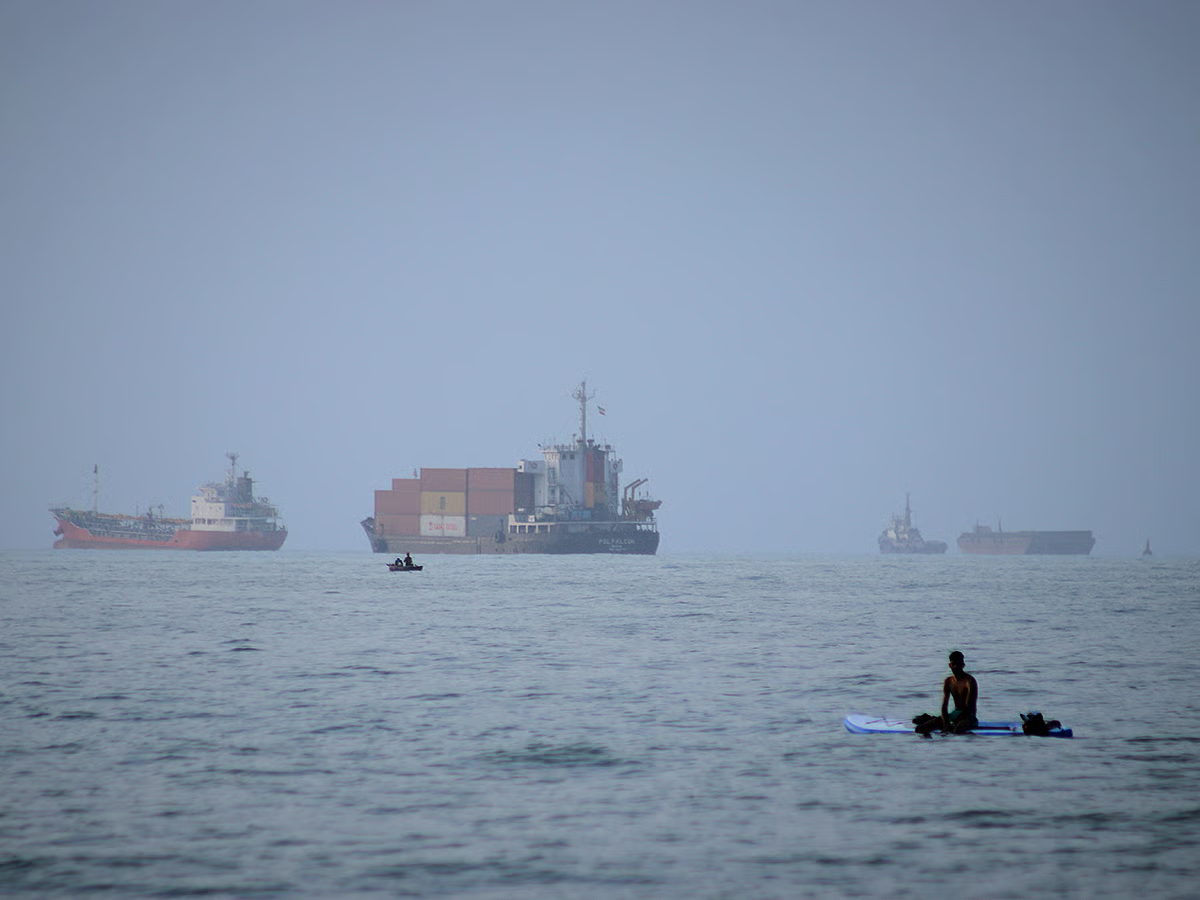
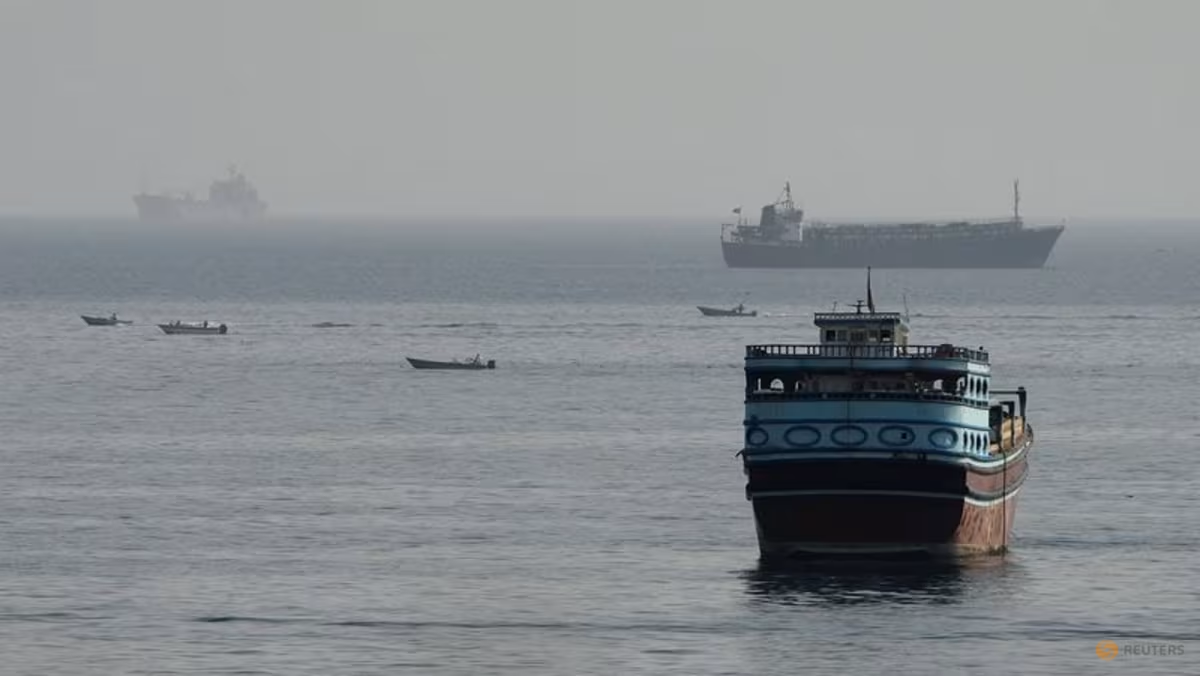
Vessels in the Strait of Hormuz, as seen from Musandam, Oman, August 3, 2026. REUTERS/Stringer
14 Aug 2026 05:59AM
LONDON: "In price, is knowledge," is an old market saying. So what is the oil price telling us? At less than US$90 a barrel, it isn’t screaming shortage. How so amid the Iran war? The release of strategic reserves is helping, as are bypass pipelines around the Strait of Hormuz. China has slashed its oil imports, freeing barrels for everyone else. Commercial stockpiles are, for now, helping. But that’s not the full story. Perhaps part of the tale is that more oil is flowing out of the Persian Gulf than is commonly acknowledged?United States Energy Secretary Chris Wright claims that’s the case. On Tuesday (Aug 11), the oil executive-turned-politician said almost 9 million barrels a day had crossed Hormuz during the previous week. Added to the crude flowing via bypass pipelines, it would put total flows from the region not far below pre-war levels.MARKET SCEPTICISMThe oil market was, to put it mildly, incredulous. His estimate is significantly higher than most tanker trackers, which peg recent Hormuz flows somewhere around 4 million to 5 million barrels a day. It’s higher, too, than my own estimate, which was above the consensus.