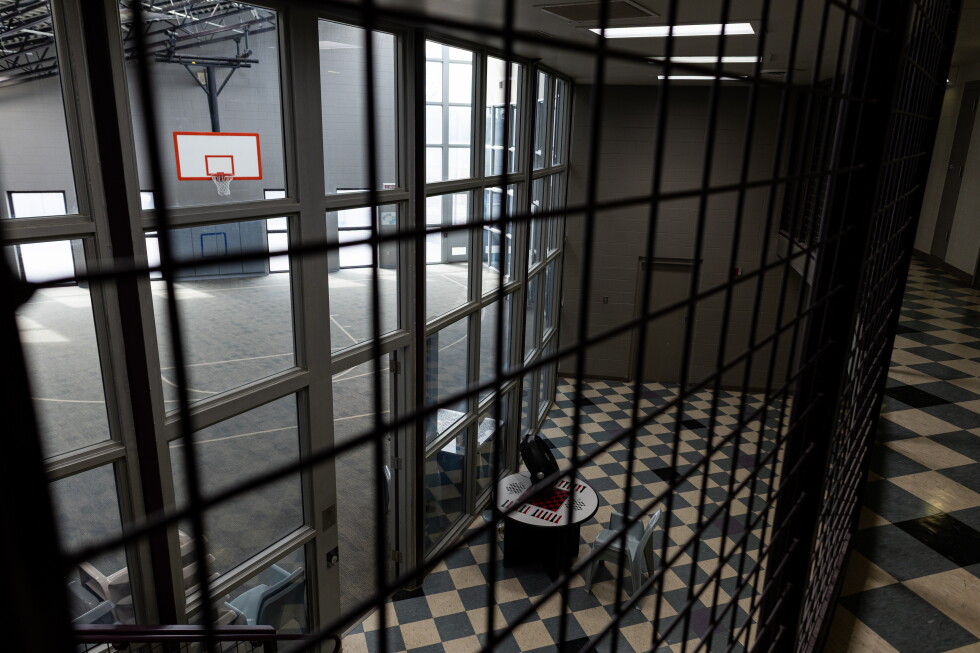
State officials announced a “dramatic drop” in the number of children with behavioral health disabilities who have been placed in institutional settings and other changes, including the launch of new services as well as service rate increases, marking progress on Nevada’s efforts to comply with federal disabilities law since the Department of Justice called out the deficiencies four years ago.Ann Jensen, administrator of Nevada Medicaid, described the decrease and new community-based mental healthcare model as a “big win” that needs to be celebrated. Still, she said it’s just the first of many improvements that must happen.“It’s reflective of a lot of small pieces of our system continuing to improve on a daily basis,” Jensen told The Nevada Independent. “But there’s going to be a lot more work to make sure people get access to the care they need.”
Data from the Nevada Health Authority indicates that youth with behavioral health disabilities who were covered by the state-managed Nevada Medicaid program and placed in psychiatric residential treatment facilities decreased from 35 percent (404 youth out of a population of 1,147) to 16 percent (382 youth out of a population of 2,408) since January 2025.Behavioral health disabilities can manifest in a range of ways, including acute mental health crises, significant emotional or behavioral dysregulation, or safety concerns such as self-harm behaviors or aggression or risk of harm to others. The data focused on the highest acuity Medicaid-eligible children in the state who are tied to the settlement agreement, defined as youth with a serious emotional disturbance or serious mental illness and high utilization of behavioral health services, such as emergency room visits, mobile crisis or other behavioral healthcare.