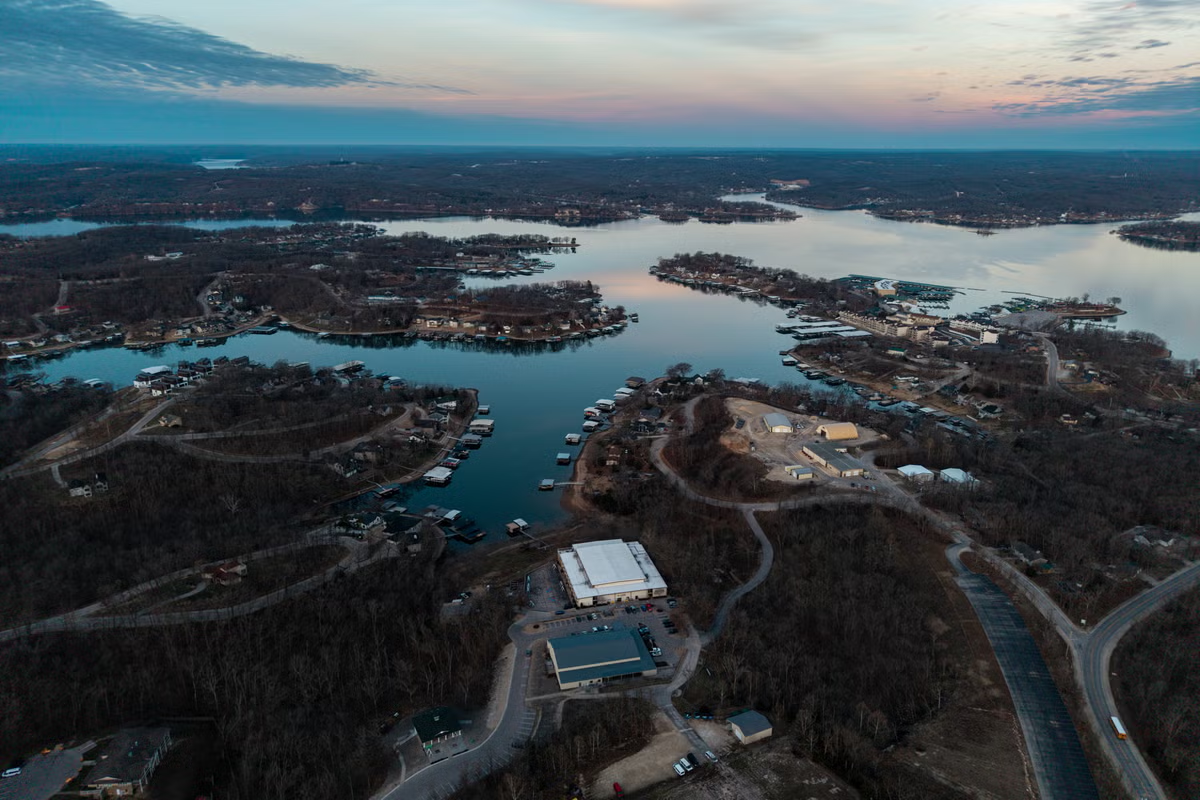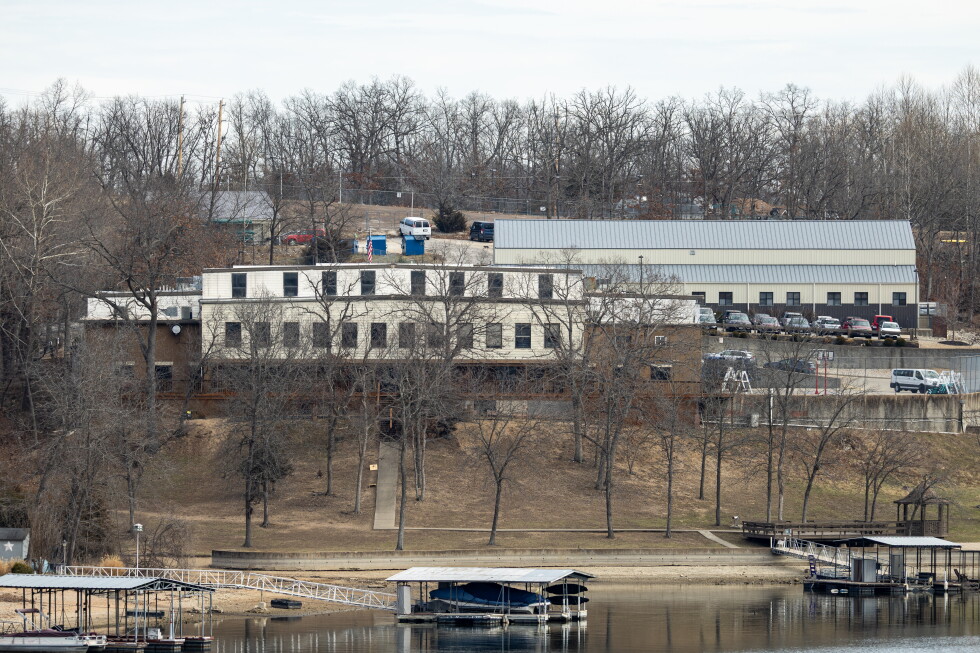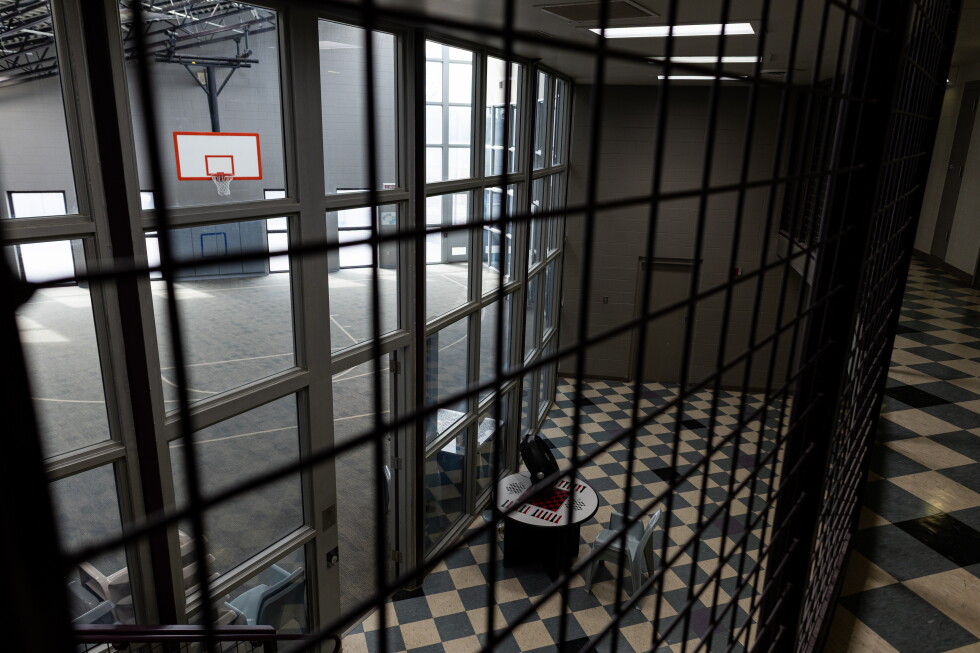
SAN FRANCISCO (AP) — Across the country, many for-profit residential facilities in the so-called troubled teen industry that claim to treat severe mental and behavioral health issues in children and teens are deftly tapping into taxpayer money meant for students with disabilities.Even in the face of increasing scrutiny over the safety of such private institutions, this money continues to flow given the fractured bureaucracy of the special education system, an Associated Press investigation finds.The playbook to profits includes operating on stand-alone contracts with individual school districts and drawing out-of-state kids — both of which effectively dilute any regulatory oversight. Residential centers are also capitalizing on a catch-all disability category, experts said, and relying on a shadow network of educational consultants who help get them business.
Meg Appelgate, CEO of Unsilenced, a nonprofit that supports former residential attendees, said the problem is that there are so few standard rules attached, from how centers get approved to provide special education services, to the lack of transparency when a student from any one district alleges abuse.“It’s a huge issue,” Appelgate said. “It’s simply got too many holes in it and we have to shut it down.”