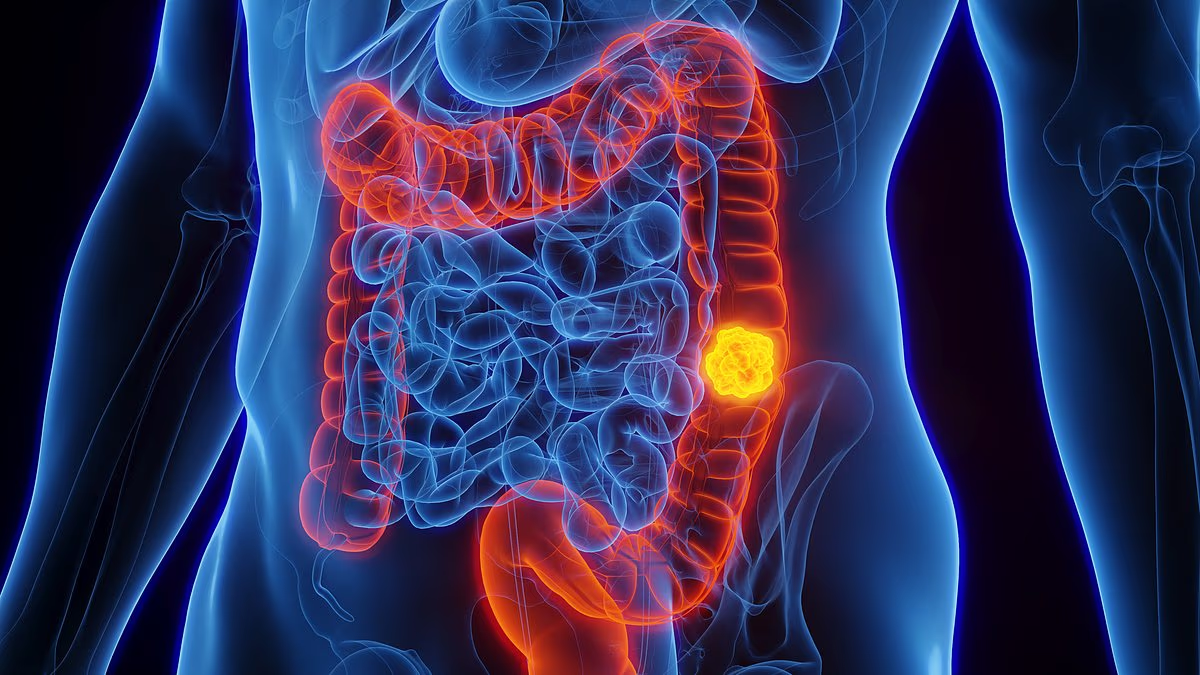
As a general rule, you are lucky to be living in 2026. It's a good time to be alive. You are, on average, healthier than any other humans who have ever lived, with a longer life expectancy, less infectious disease, and even lower rates of dying from most chronic diseases once we correct for age. Cancer is a great example of this. Cancer rates have been stable or falling for decades. Even better, cancer mortality – that is, how likely you are to die from cancer if you get it – has plummeted.There are many cancers that were death sentences in the 90s which are now considered a form of chronic disease like diabetes or emphysema due to new treatments. There's one place where the disease seems to buck this trend – colorectal cancer in young people. While rates of colorectal cancer – which includes both colon and rectal cancers – have fallen overall, there's been a recent uptick in cases in people under the age of 50, which is considered young when it comes to cancer. This has almost no impact on the total number of colorectal cancer diagnoses, because the absolute number of people getting colorectal cancer at young ages is still very low. However, it's a very confusing finding. Rates of colorectal cancer are generally a bit lower in older people, but rising in younger people, and we have no good idea why that's happening.There are, of course, some proposed explanations. Some people point to pesticides or herbicides like picloram, which have been linked to colorectal cancer risk. There are two problems with this idea.
More Young People Than Ever Before Are Getting One Type of Cancer, And It's Mystifying Scientists
As a general rule, you are lucky to be living in 2026.
1,012 words~5 min read