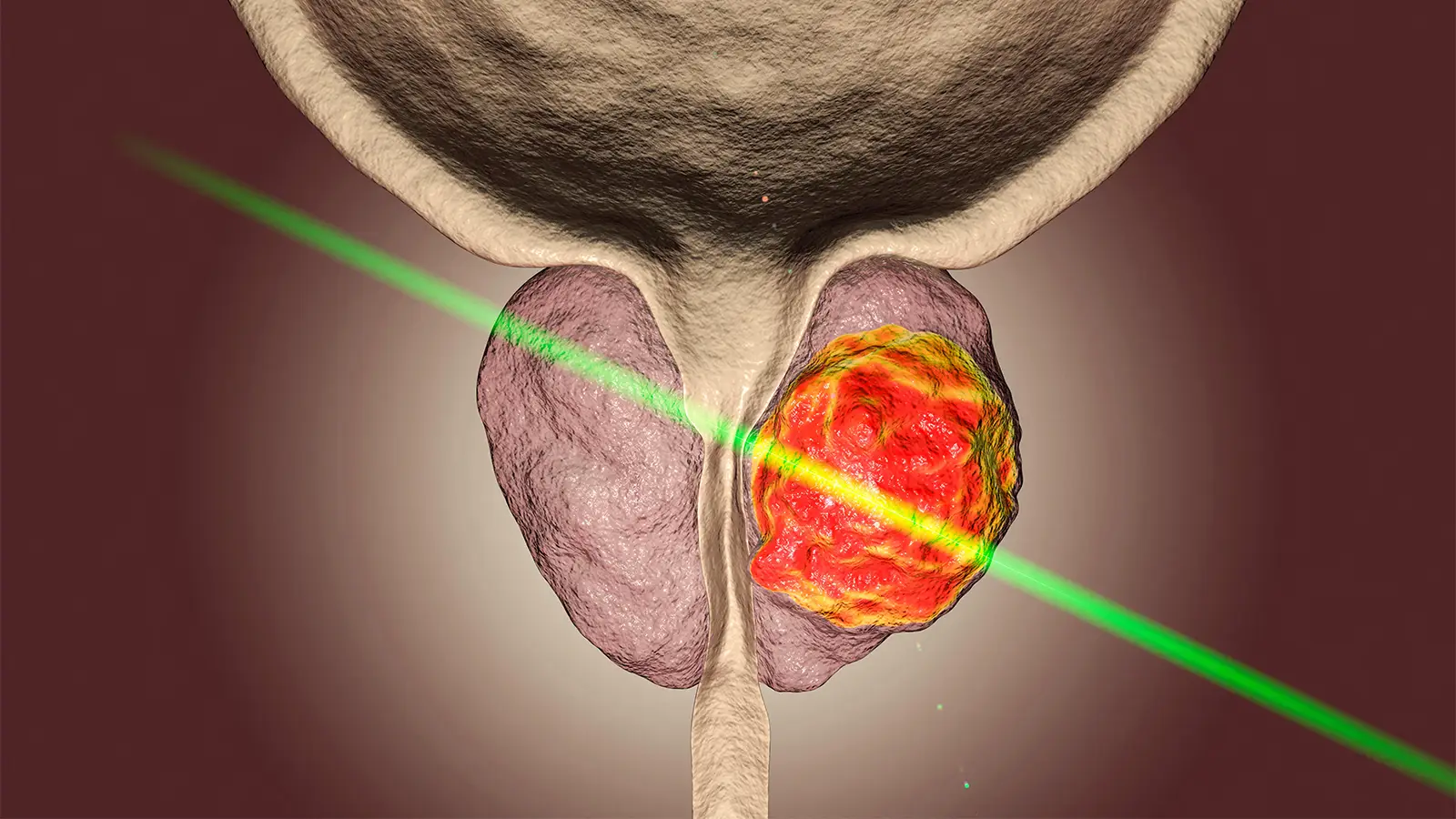
Current guidelines recommend that focal therapy be reserved for patients with intermediate-risk prostate cancer within clinical trials or prospective registries.In a retrospective study, half of focal therapy procedures were done in patients with low-, high-, or very-high-risk prostate cancer.Focal therapy for low- and high-risk disease represents overtreatment and undertreatment, respectively.
While the use of focal therapy for nonmetastatic prostate cancer is limited, half of procedures occurred in settings that are not supported by current guidelines, according to a retrospective study.
Among over 1.1 million men diagnosed with nonmetastatic prostate cancer from 2010 to 2023, 1.3% received focal therapy, and 51% of these patients had low-, high-, or very-high-risk disease, "settings in which routine use is not supported by contemporary guidelines," reported Quoc-Dien Trinh, MD, of the University of Pittsburgh School of Medicine, and colleagues in a research letter in JAMA.
Current guidelines recommend that focal therapy -- healthy tissue-sparing techniques that specifically target individual tumors within the prostate -- be reserved for patients with intermediate-risk disease within clinical trials or prospective registries.