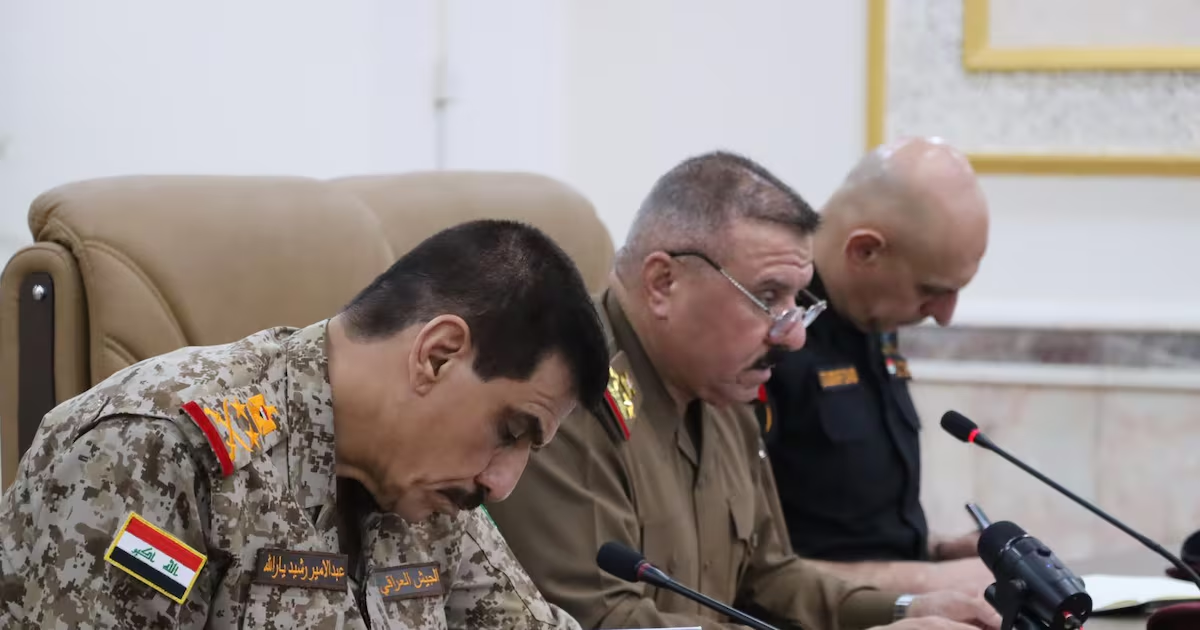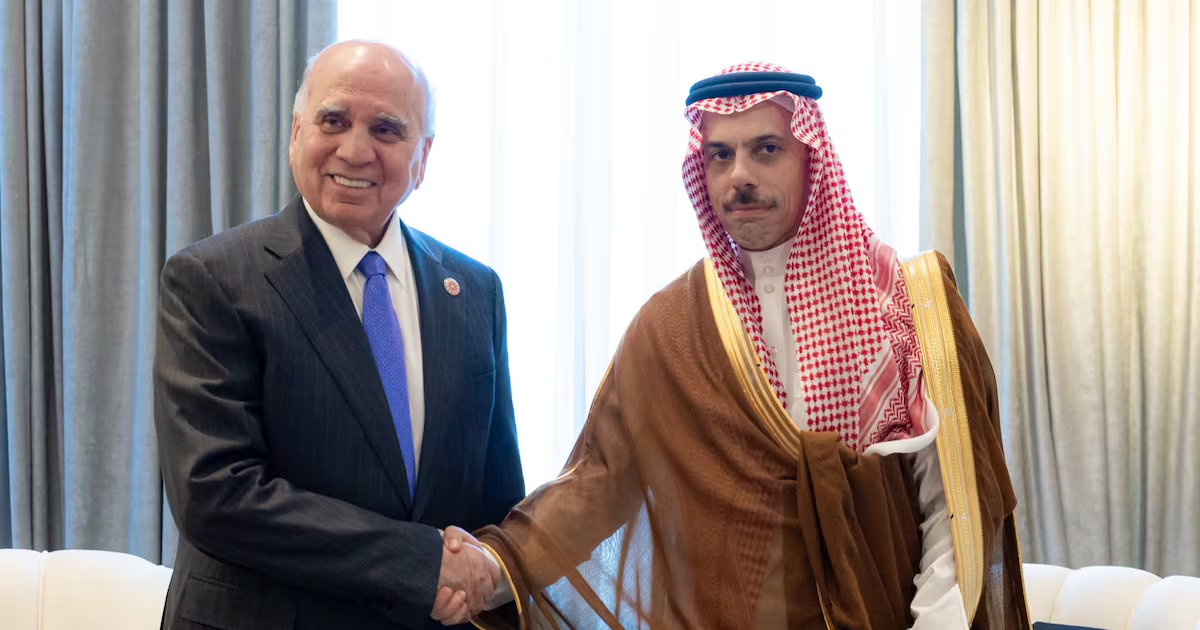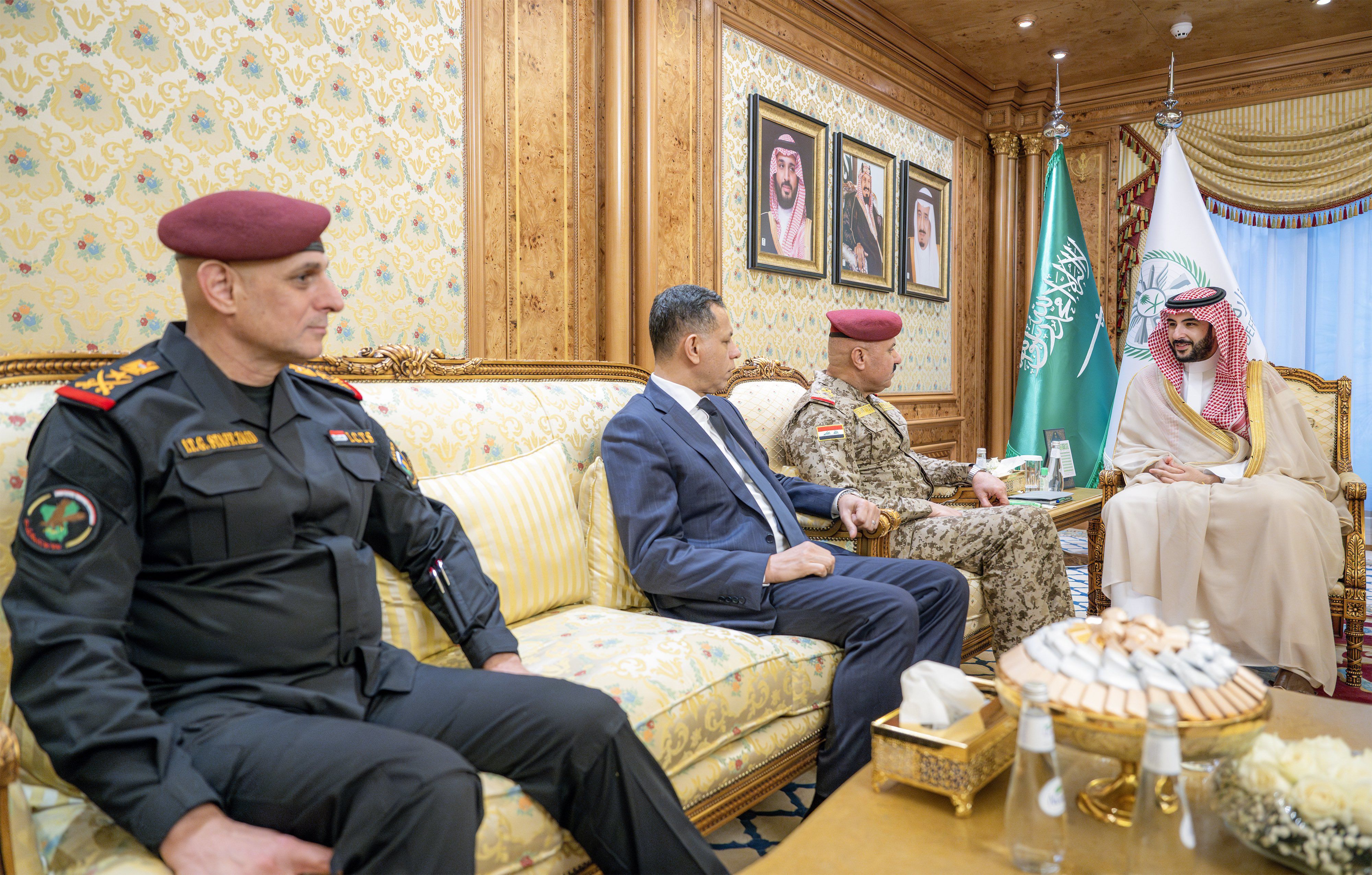
A senior Iraqi military and intelligence delegation visited Saudi Arabia on Thursday for talks on security cooperation and drone threats, as Riyadh and Baghdad work to repair ties after Saudi Arabia struck Iran-backed militias in Iraq last month in response to an attack on the kingdom. What happened: Saudi Defense Minister Prince Khalid bin Salman said he discussed bilateral military ties and regional developments with Lt. Gen. Abdul Amir al-Shammari, director of the office of Iraq's commander in chief. "Iraq will remain a dear neighbor to us, bound to its brotherly government and people by ties of brotherhood, solidarity, and mutual support," said Prince Khalid in a post on X. التقيت معالي مدير مكتب القائد العام للقوات المسلحة العراقية الفريق الأول الركن عبدالأمير الشمري.استعرضنا العلاقات السعودية العراقية في المجال العسكري والدفاعي، وبحثنا التطورات الإقليمية، وأكدنا أهمية مواصلة التنسيق والتعاون بين بلدينا بما يخدم مصالحنا المشتركة ويحقق أمن المنطقة… pic.twitter.com/llM0J8jxSp— Khalid bin Salman خالد بن سلمان (@kbsalsaud) August 13, 2026
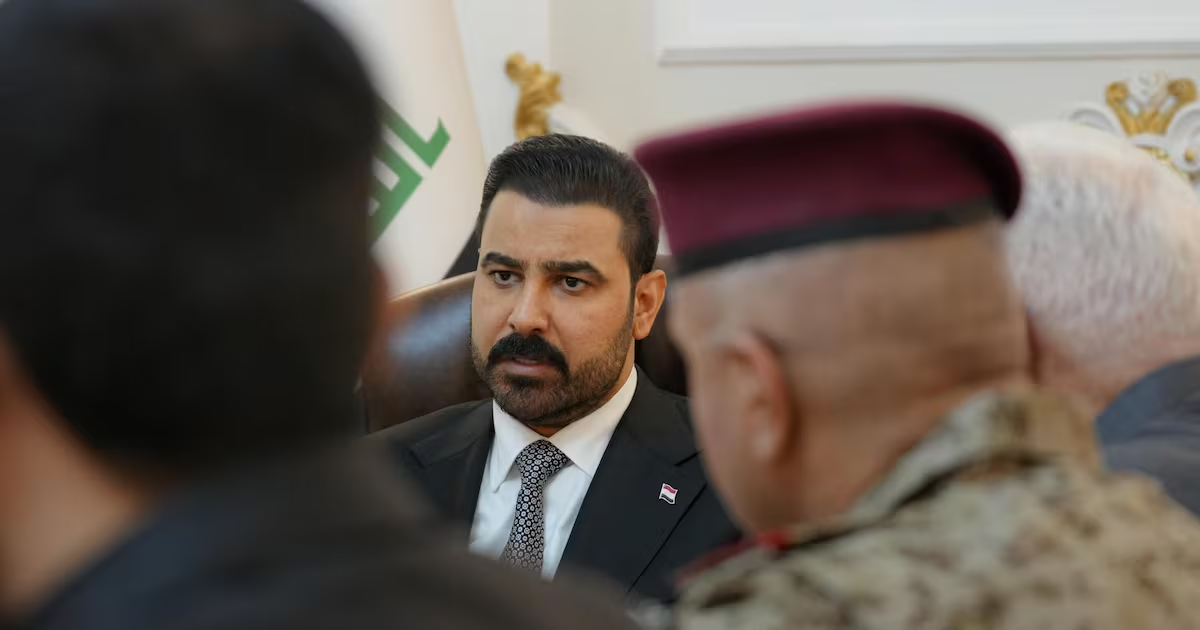
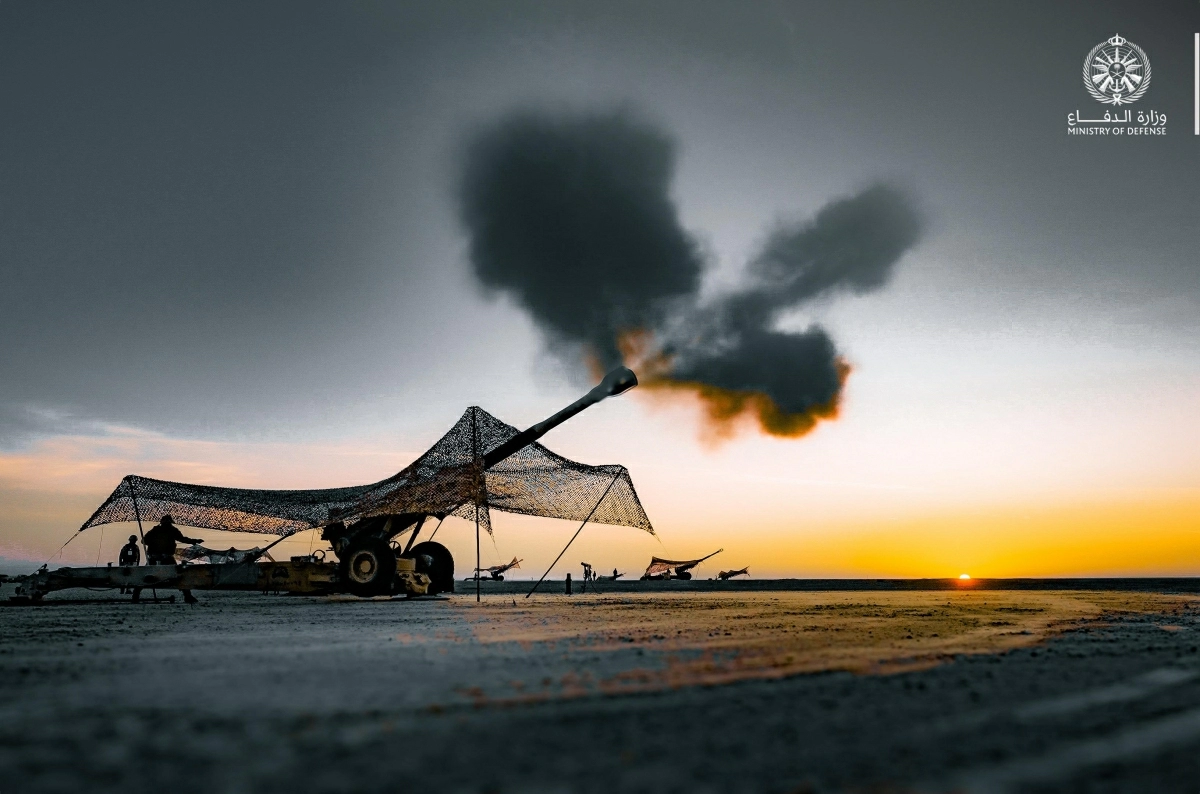
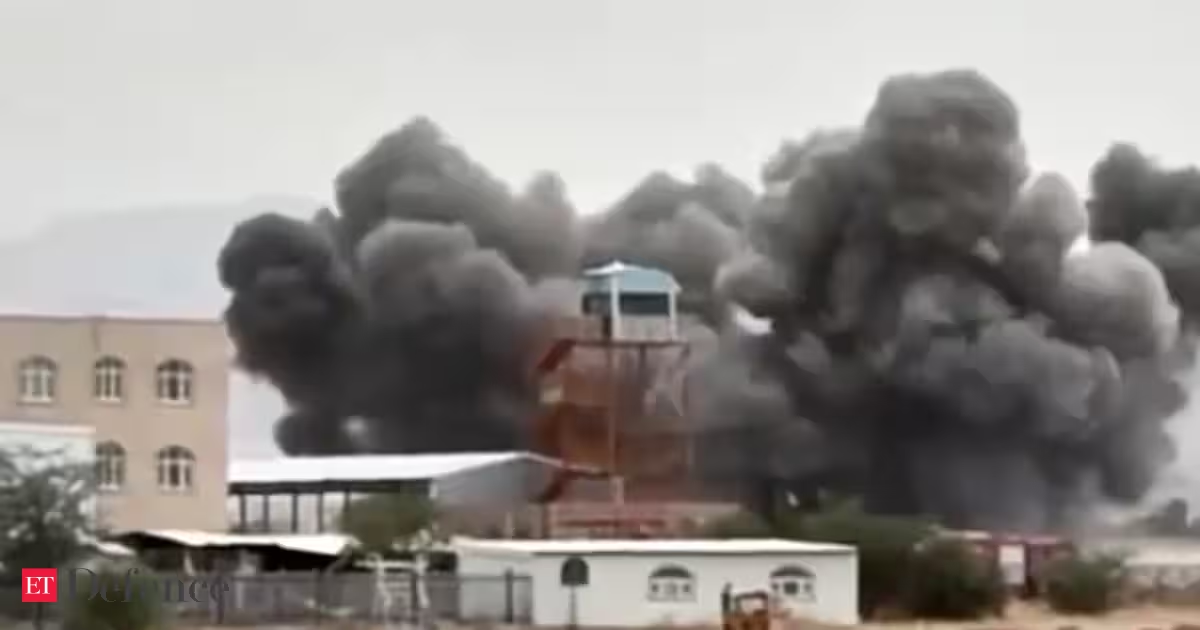
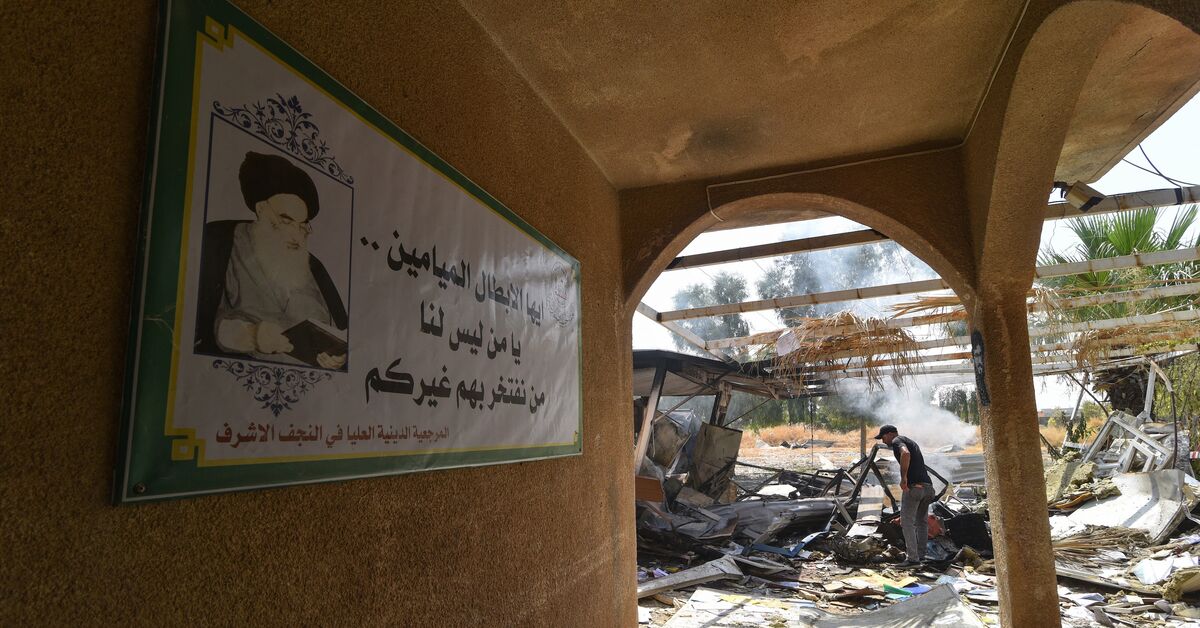
The delegation led by Shammari included intelligence director Hamid al-Shatri, air defense commander Lt. Gen. Muhannad al-Asadi, and counterterrorism chief Zaid Hawshi, the official Iraqi News Agency reported. The Iraqi officials traveled to Riyadh to discuss “the issue of drones, as well as ways to enhance security coordination and cooperation between the two countries," according to the outlet.Why it matters: Late last month, the United States and Saudi Arabia carried out airstrikes on sites of the Popular Mobilization Units after blaming the militias for launching a drone attack against the kingdom. The Islamic Resistance in Iraq, another coalition of pro-Iran groups, denied targeting Saudi Arabia. It was not the first such incident. Al-Monitor reported in May that the majority of attacks on Saudi Arabia since the start of the US-Israel-Iran war in late February had been carried out by the Iraqi militias. The PMU is a coalition of predominantly Shiite militias that formed in 2014 to fight the Islamic State. Although they are technically part of the national armed forces, the militias largely operate independently of federal authorities in Baghdad, and many of them are supported by Iran.Following the strikes, Iraqi Prime Minister Ali al-Zaidi had canceled a planned trip to Saudi Arabia set for late July but has since moved to reassure the kingdom about its security concerns. Iraqi government spokesperson Haider al-Aboudi said on Monday that Zaidi had received another invitation to visit Saudi Arabia, but that a date has yet to be set. القائد العام للقوات المسلحة السيد علي فالح الزيدي يجري زيارة ليلية إلى مركز عمليات قيادة الدفاع الجوي.#الحكومة_العراقية pic.twitter.com/0aPvYvZQGg— Government of Iraq - الحكومة العراقية (@IraqiGovt) August 13, 2026