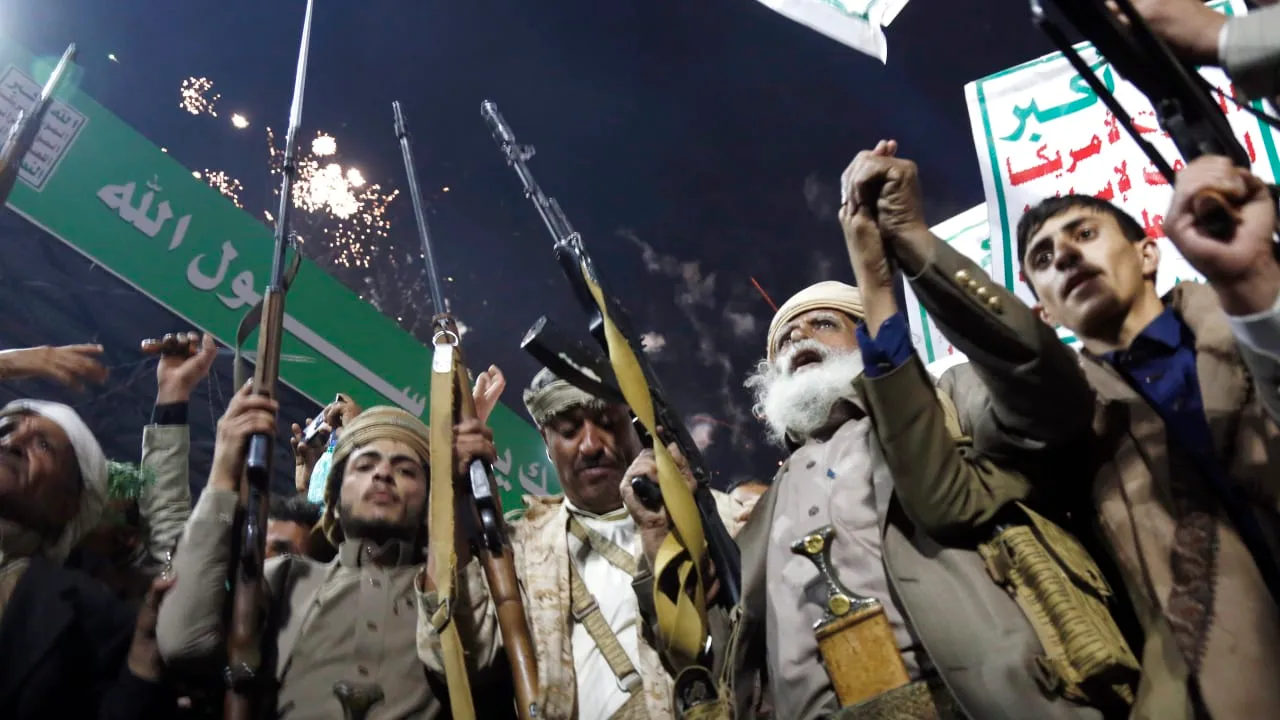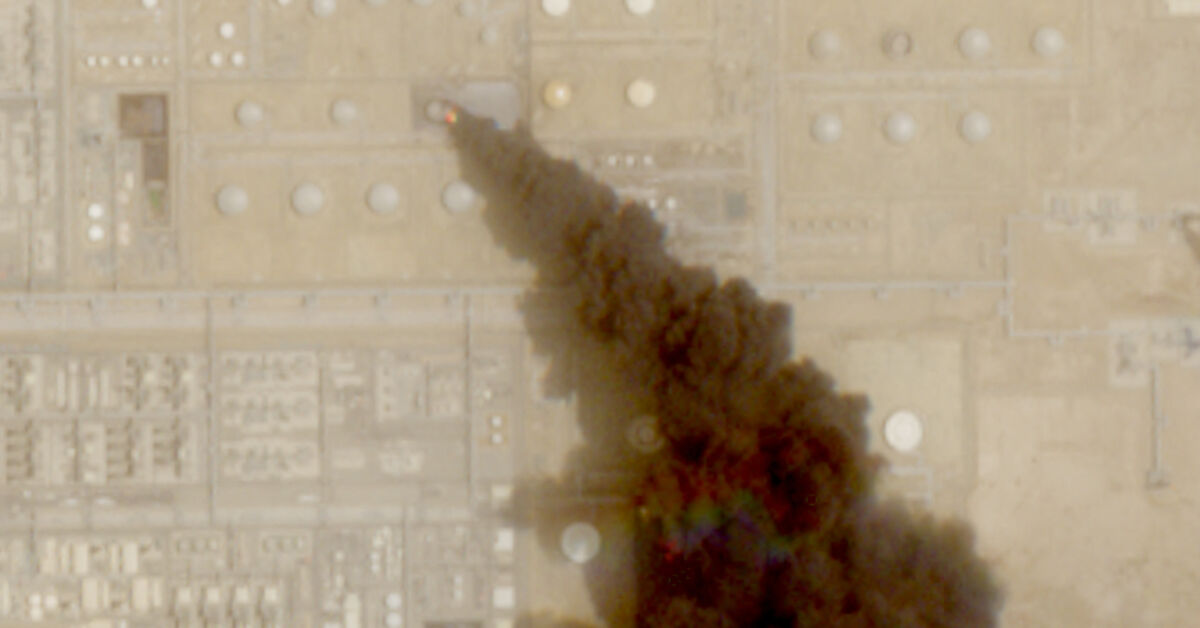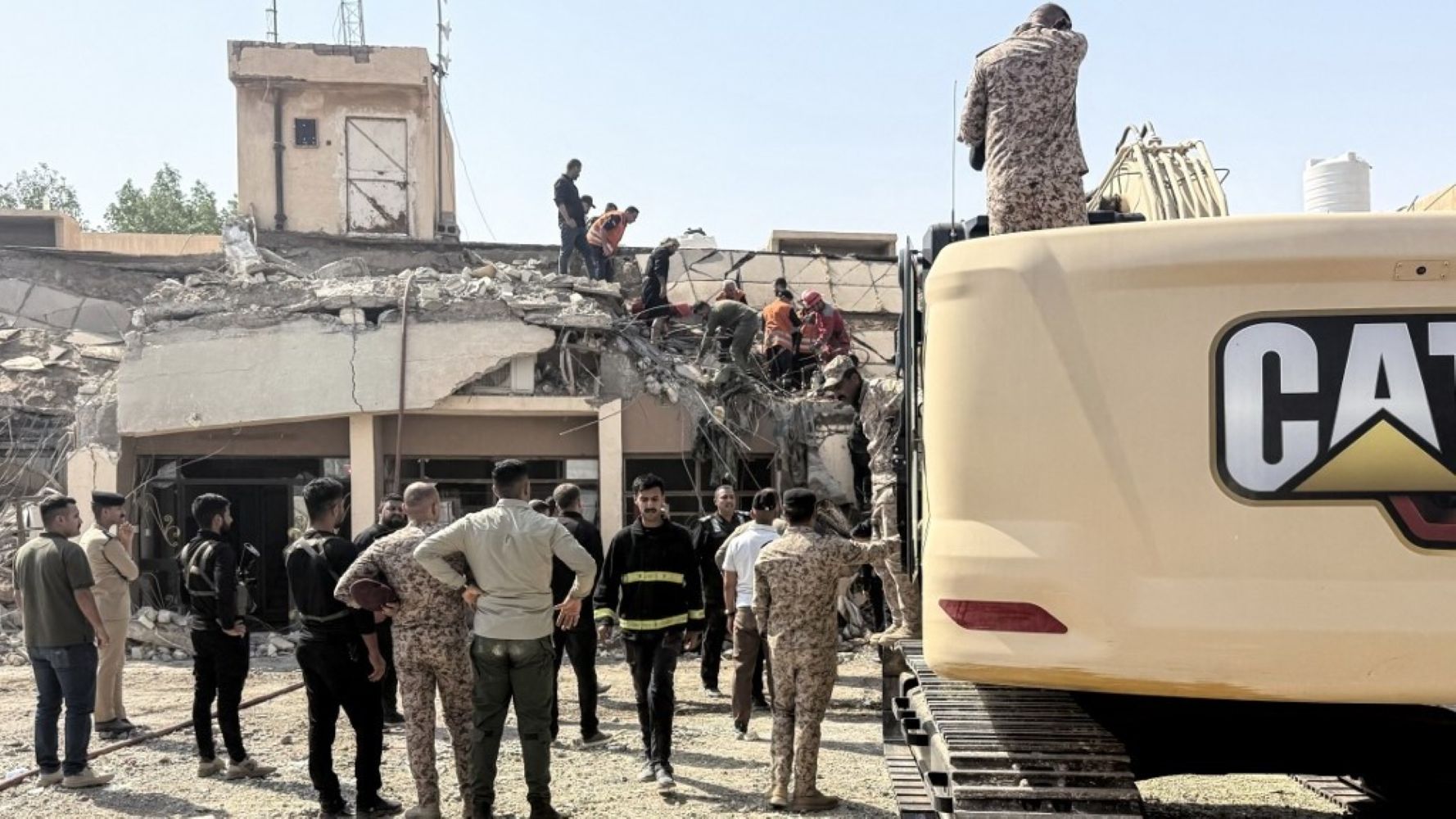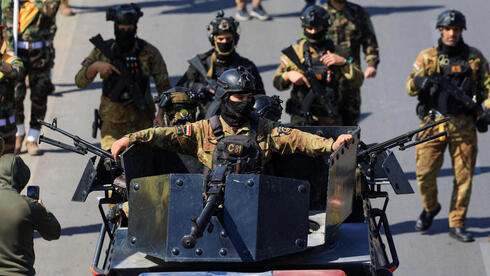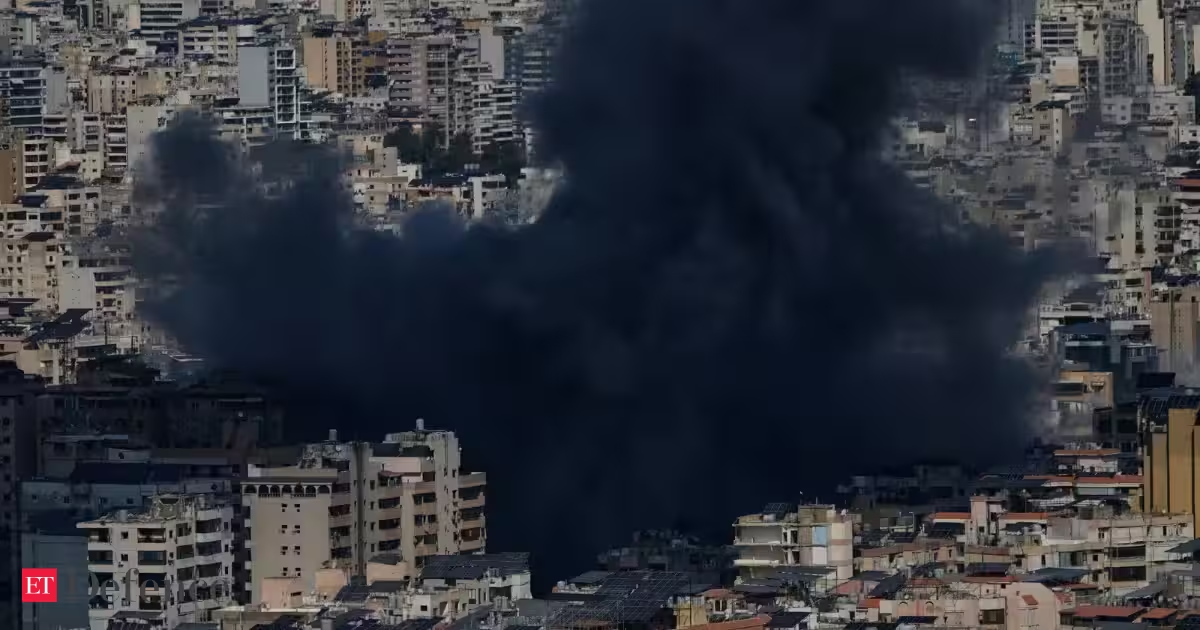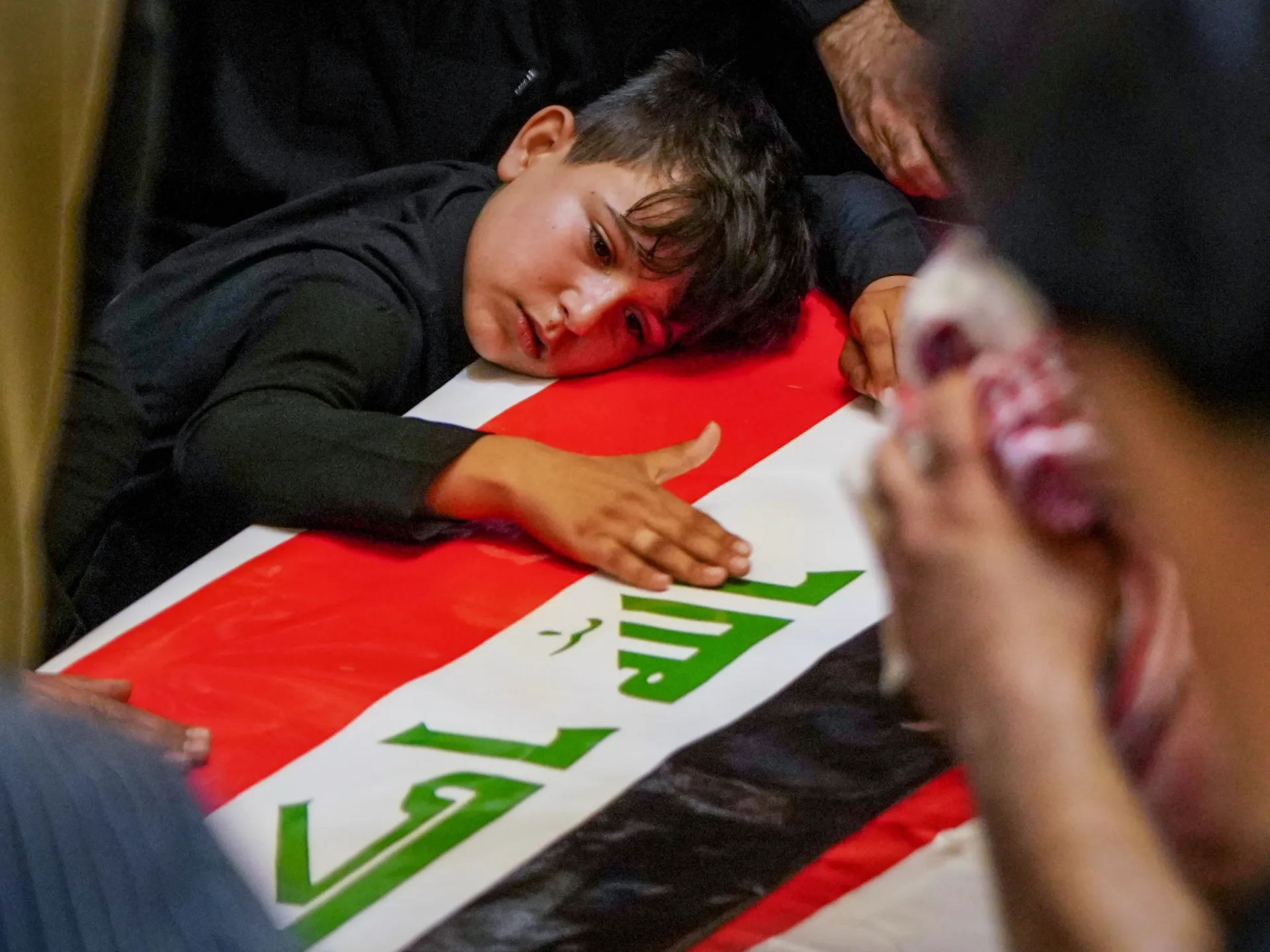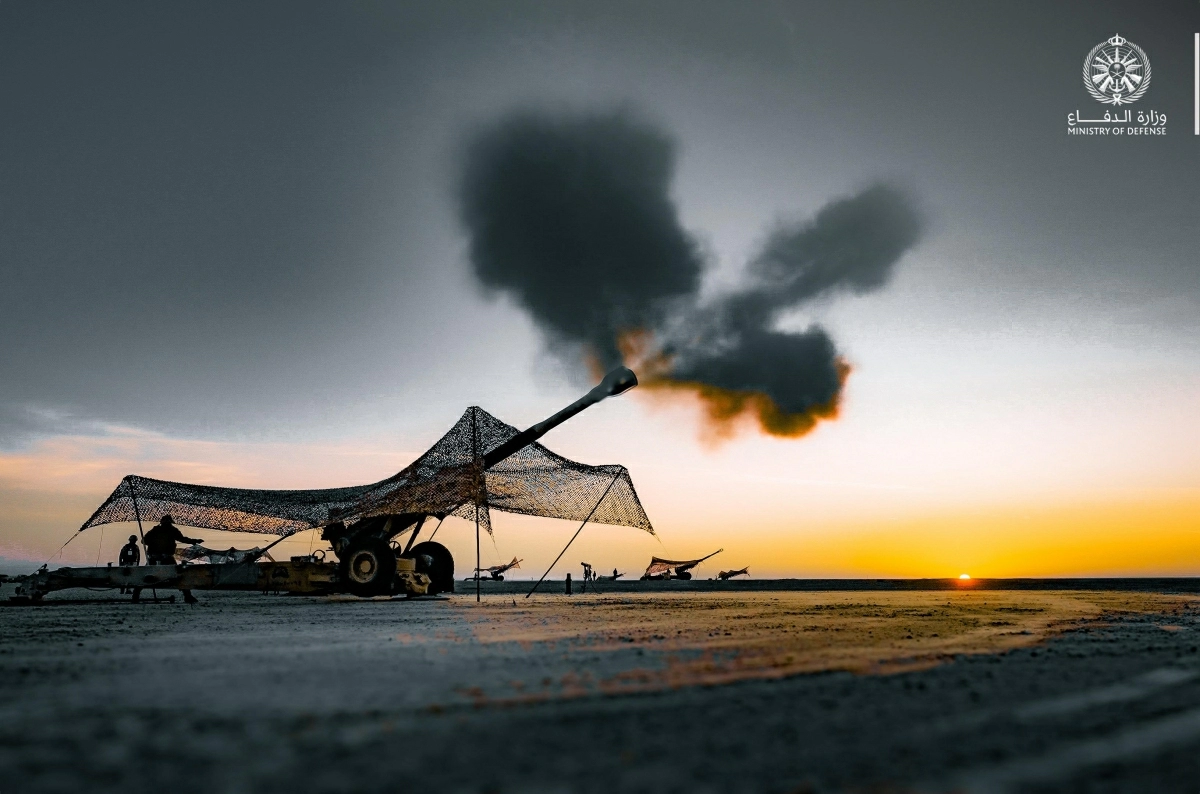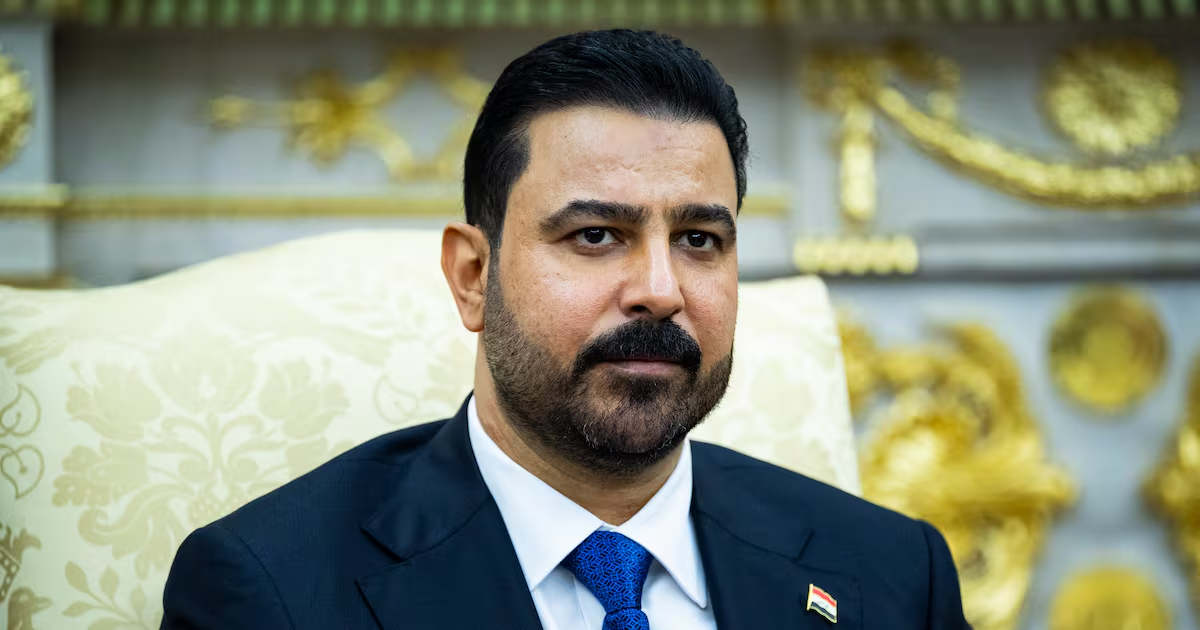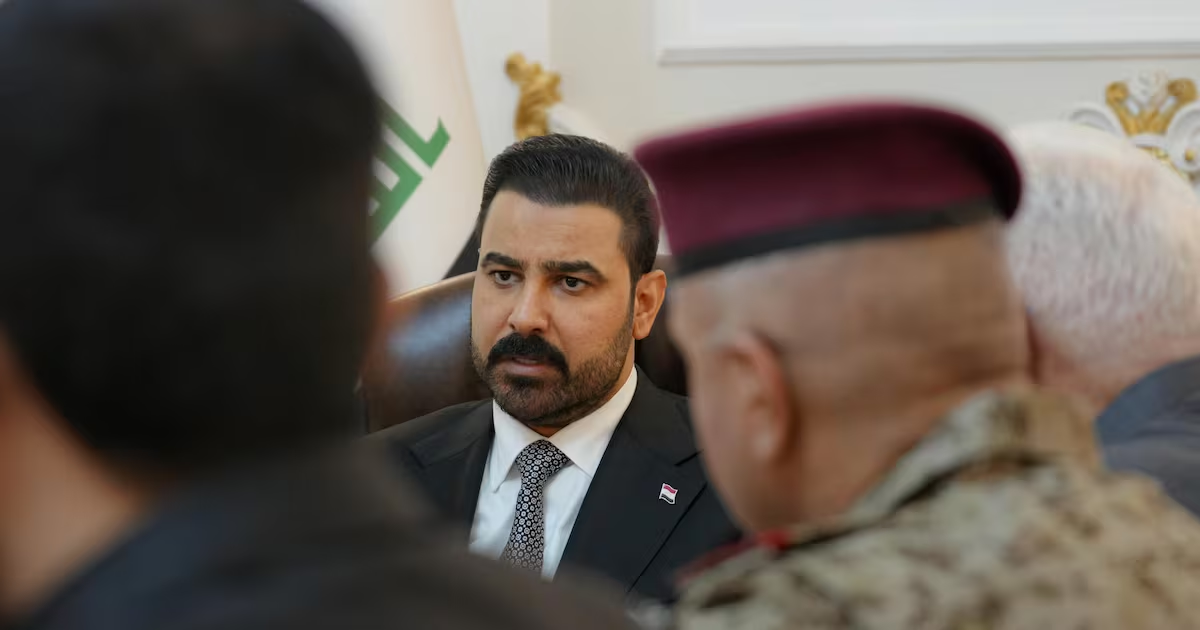
An exchange of attacks this week between Saudi Arabia and armed groups operating from Iraq risks undermining Baghdad's years-long effort to strengthen relations with Gulf states, experts and Iraqi officials told The National.Iraqi Prime Minister Ali Al Zaidi was forced to postpone a planned visit to Saudi Arabia on Thursday in the wake of the strikes, highlighting the diplomatic fallout. The co-ordinated strikes by the US and Saudi Arabia came after the Saudi military said on Tuesday that it had intercepted drone attacks on its oil facilities by Iran-aligned militias in Iraq. At least 20 members of Iraq's Popular Mobilisation Forces (PMF), an umbrella group of state-sanctioned paramilitary forces, were killed.Renad Mansour, director of the Iraqi Initiative at London’s Chatham House, said the Iraqi government continues to prioritise ties with Saudi Arabia and other Gulf countries but has struggled to prevent militias from using Iraqi territory to launch attacks, despite publicly opposing such actions as contrary to Iraq's foreign policy. “During the last few years the Iraqi government has attempted or has really pushed and prioritised, building ties with the Gulf states – Saudi Arabia and others. And it wants to maintain relations,” Mr Mansour told The National. “Although the government has said it is against these militia groups using its territory to attack its neighbours, Baghdad does not have complete sovereignty over its territory. It has no ability to stop this.”Such attacks risk reversing years of diplomatic progress, he added, including Baghdad's role in facilitating dialogue between Saudi Arabia and Iran, a relationship considered strategically important for Iraq.Iraqi officials face the challenge of maintaining regional partnerships while lacking full control over all armed actors operating within the country, Mr Mansour said. An official close to Mr Al Zaidi told The National that the Prime Minister would visit Saudi Arabia at some point, despite the postponement of his trip. Following the strikes, a spokesman for the Saudi Defence Ministry, Maj Gen Turki Al Malki, said “the Kingdom of Saudi Arabia reiterates that it does not seek escalation but will respond decisively to any aggression directed against it”.Saudi Defence Minister Prince Khalid bin Salman discussed the strikes with US President Donald Trump and Vice President JD Vance at the White House on Wednesday, just hours after they were carried out, a regional source told The National.A US official confirmed the talks, saying, "President Trump had a brief drop-by meeting with the Saudi Defence Minister."Play02:15A collection of images reveal how power works in Iraq Douglas Silliman, former US ambassador to Iraq and Kuwait, who now heads the Arab Gulf States Institute in Washington, told The National that Mr Al Zaidi has found himself in a tight position just like his predecessors.“The question is whether he’s got the personal will and political support to take significant action to curb the ability of Iranian proxies in Iraq to attack Iraq’s neighbours,” Mr Silliman said. An Iraqi MP told The National there have been moves to sabotage Mr Al Zaidi's drive to bring all weapons under state control and to fight corruption since taking office in May. Mr Silliman said one thing in Mr Al Zaidi's favour was a US pledge to remove its military forces from Iraq by September. “This gives him a political lever to use against the militias, if he chooses, by saying there wouldn’t be a justification” for keeping their weapons, he said.The Iraqi official said the attack on Saudi Arabia was “a move to stop the planned visit to the kingdom and to prevent the enhancement of Iraqi-Saudi ties”. “And more dangerous still is that Iraq could be drawn even deeper into the proxy war,” he added.Saudi strikes set precedentSaudi Arabia's joint strikes with the US are the first known Gulf intervention in Iraq during the current Iran war. Iran is “undoubtedly happy to disrupt the Iraq-Saudi summit, and they will keep disrupting the relationship using proxies”, said Michael Knights, head of research at Horizon Engage, a strategic advisory firm based in New York. “It is a free win for Iran and a loss for Iraq, Saudi and the US.”However, Saudi Arabia must protect itself and the US must be seen by Riyadh to be a reliable security partner, he added. “It will be uncomfortable for Mr Al Zaidi but ultimately he wants the militias gone too, so the US and Saudi Arabia are doing some of the job for him.” Hassan Al Hasan, a Bahrain-based senior fellow for Middle East Policy at the International Institute for Strategic Studies (IISS), called the Saudi strikes a “qualitative shift” in the way the Iran threat is handled in the region. “The genie is out of the bottle in terms of the GCC's willingness to take a more active role and take defence in its own hands,” Mr Al Hasan said. “I don't think there's going back on that and it might become a more permanent feature of Gulf foreign and defence policies.”Gulf states may also band together in fighting the Iran threat, similar to their actions against the Iran-backed Houthis in Yemen, under a Saudi-led coalition formed in 2015 which included Arab and Muslim states.But whether such cross-border strikes continue overtly and officially – whether from Saudi Arabia or other Gulf states – depends on the frequency and severity of Iran's attacks on its neighbours, he said.
Iraq-Gulf ties at risk as Saudi strikes on Iran-backed militias raise escalation fears | The National
Drone attacks that prompted attacks was attempt to sabotage Baghdad-Riyadh ties, Iraqi sources say
885 words~4 min read