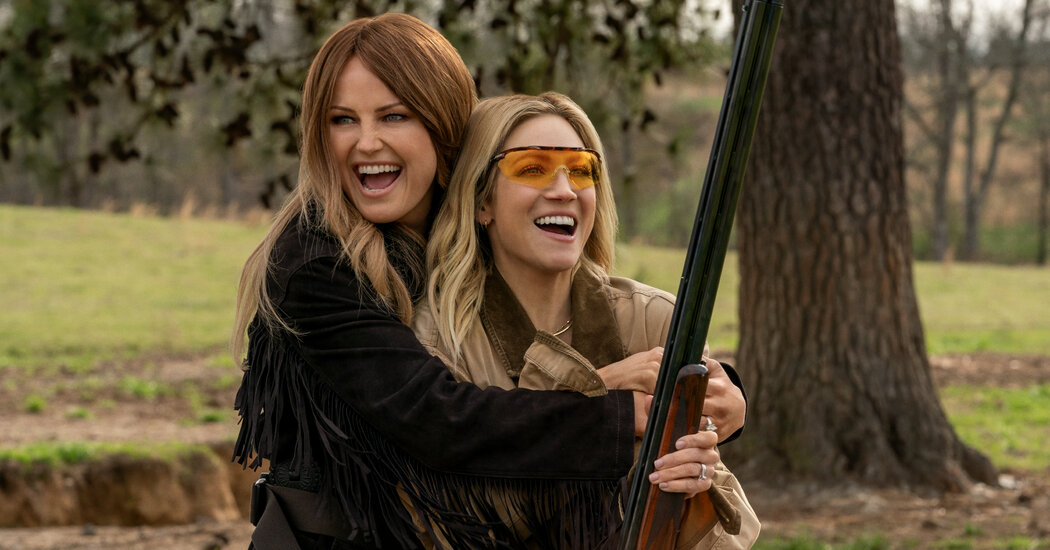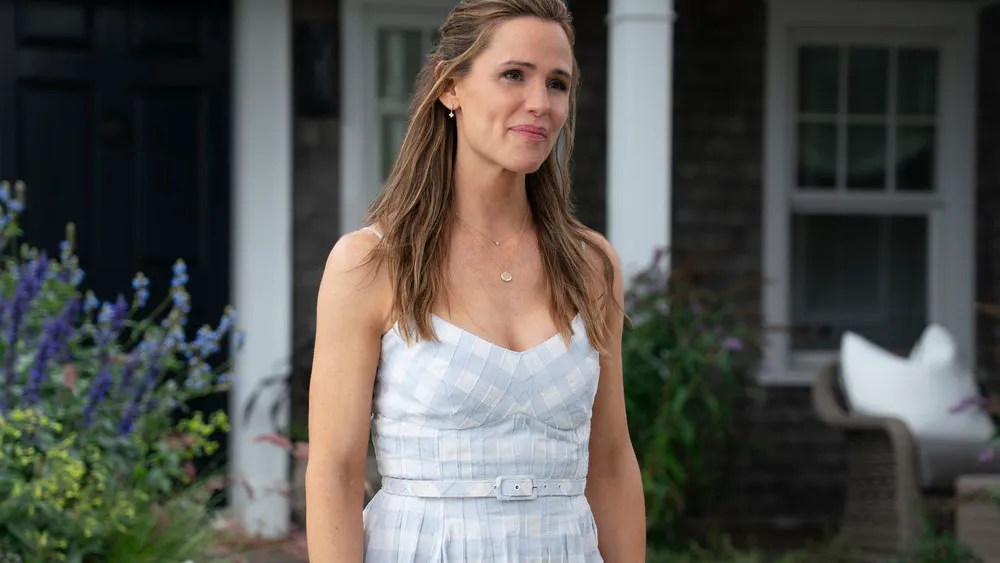
It was just three years ago when Bela Bajaria revealed the internal label for Netflix’s programming ideal, the gourmet cheeseburger. Evoking populist fare with a garnish of prestige, it seemed like the only dining-related descriptor the TV industry would ever need. But there’s a new moniker on the rise, which I learned when a screenwriter friend recently shared their concerns about a project never getting out of development. The rationale? “Oh, they’re only buying white wine thrillers.”
This trio of words is so evocative that it barely needs a definition. Let’s establish one, just to be safe. A white wine thriller can get dark but not too dark. The body count is kept low. One, two murders tops. There must be aspirational elements, typically wealthy characters wearing Brunello Cucinelli while emotionally unraveling in Nancy Meyers-worthy kitchens. White wine thrillers are often adaptations of books. And, pivotally, they are centered on female protagonists and marketed with a female audience in mind. The characters may drink white wine. They frequently do. The real implication is that the viewer is drinking it as they watch.
Roots of this label can be traced to Peacock. “It was just after All Her Fault, we were talking about female-led thrillers, and one of the executives called them white wine thrillers,” says Lisa Katz, president of scripted content at NBC and Peacock. “I don’t know what that conjures for you, but I like wine. To me, white wine feels lighter, refreshing, enjoyable. It goes down easy. You don’t feel bad the next day.”