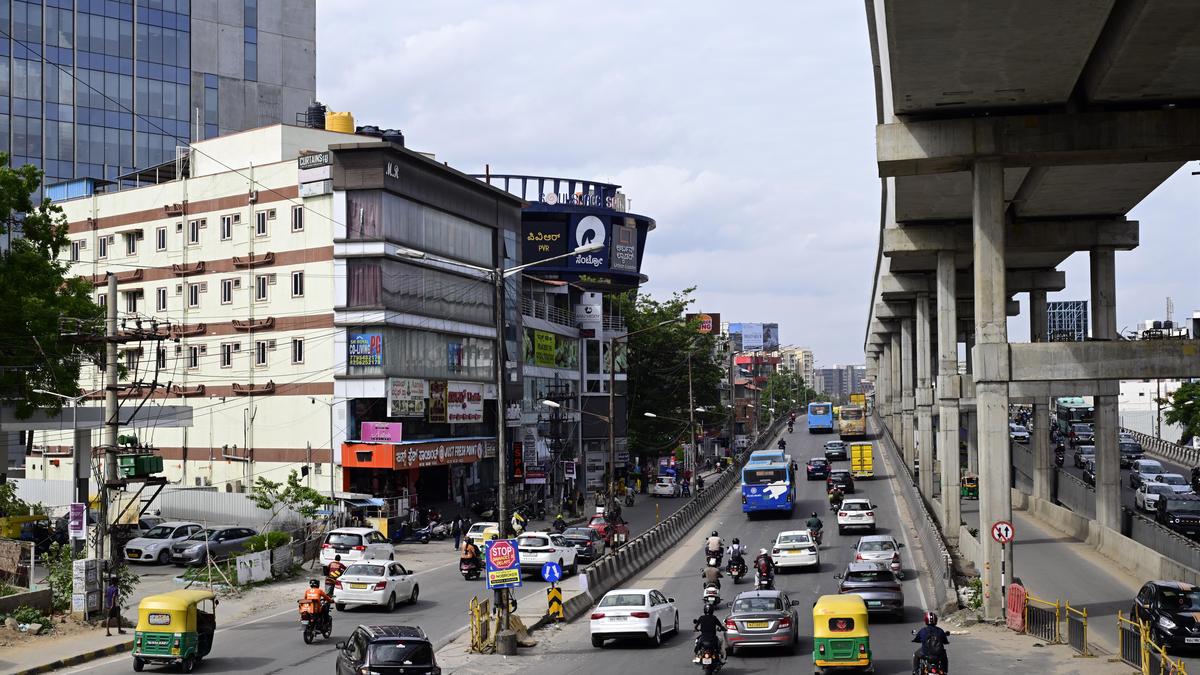
The Bengaluru Smart Infrastructure Limited, which is executing the project, clarified that no alternative resurfacing method is being considered for the main carriageway, maintaining that white-topping has been the plan from the outset.
| Photo Credit: SUDHAKARA JAIN
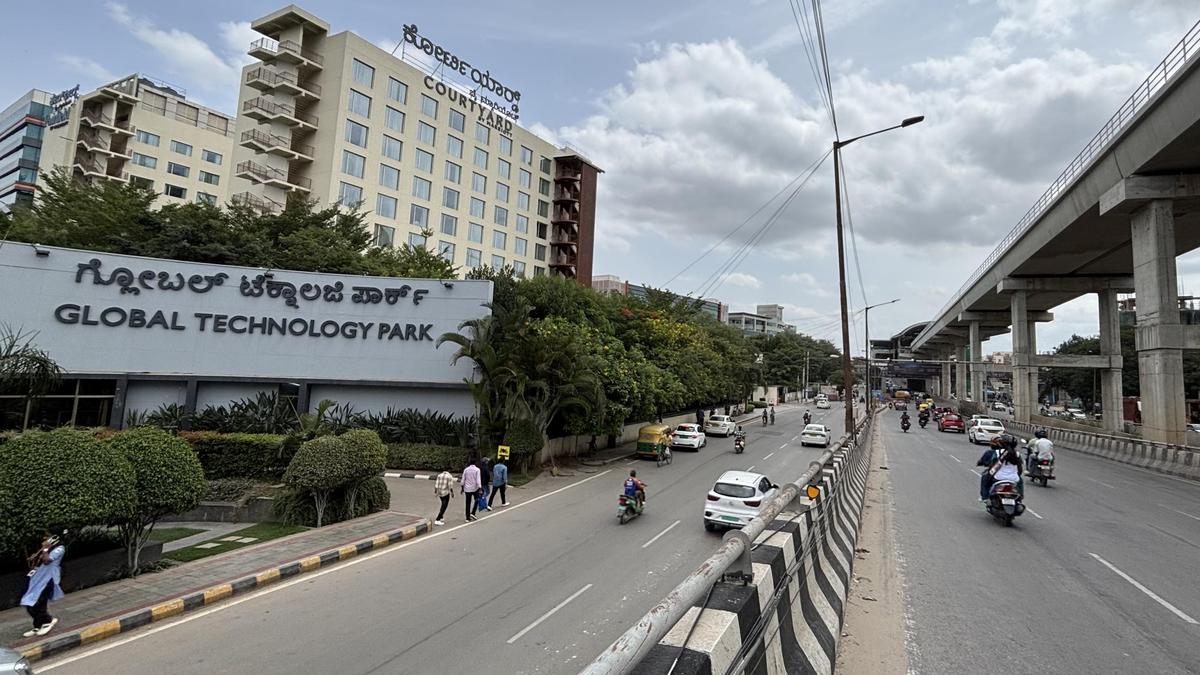
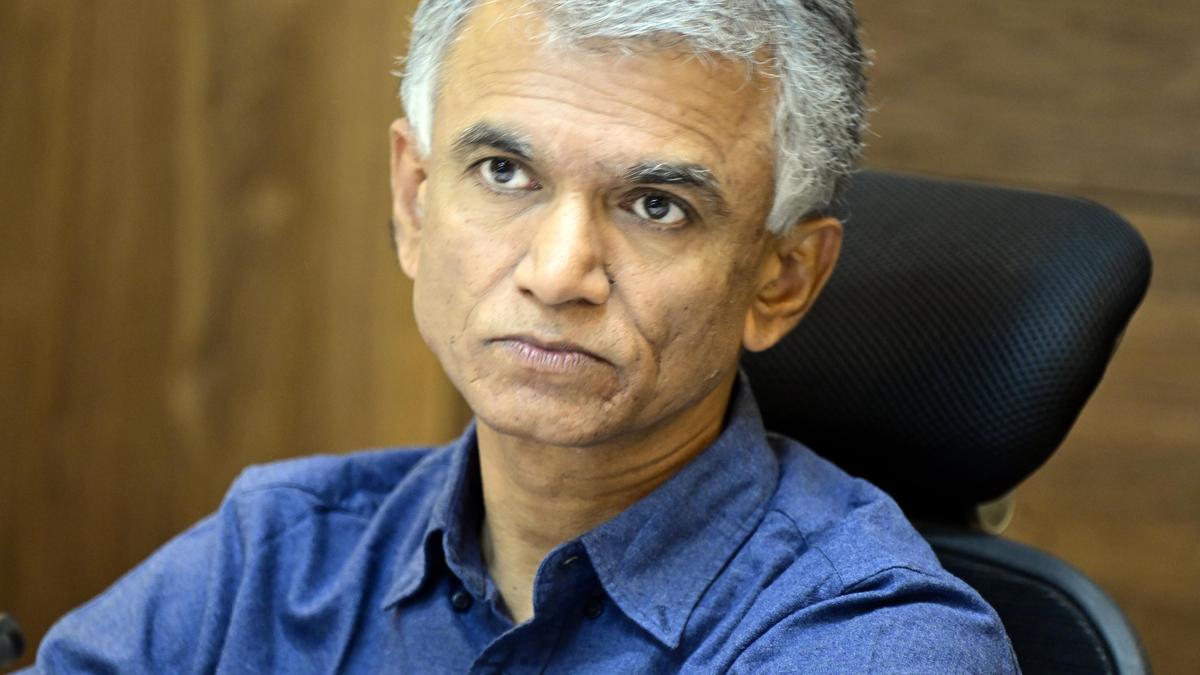
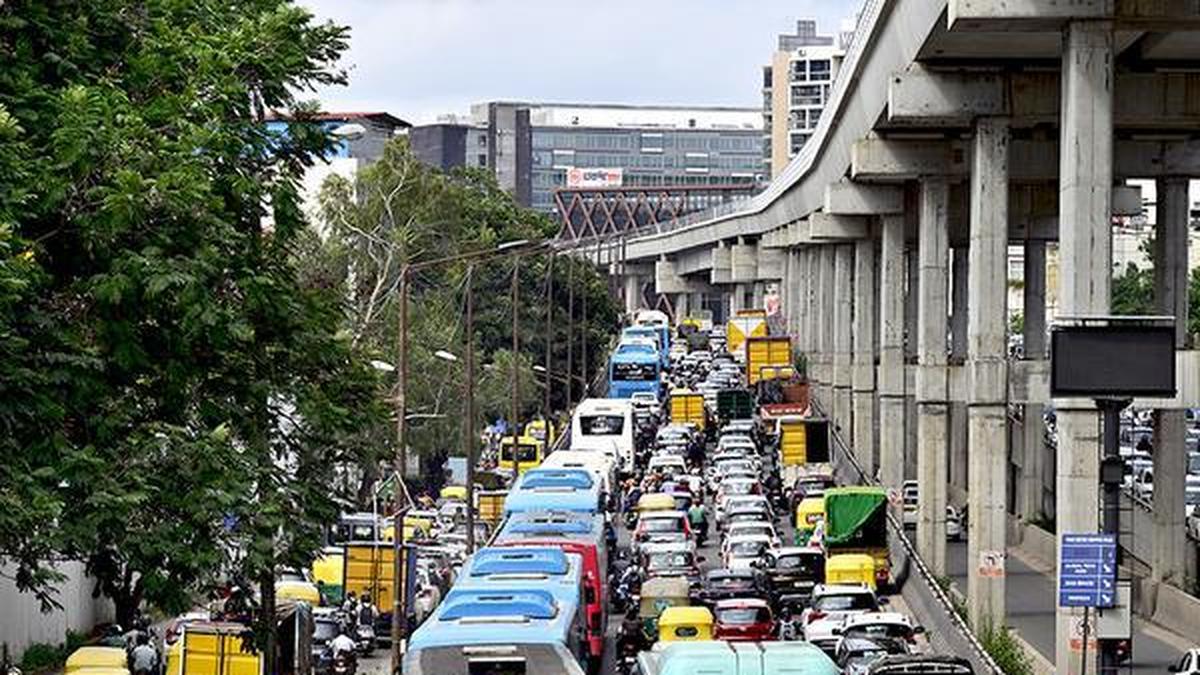
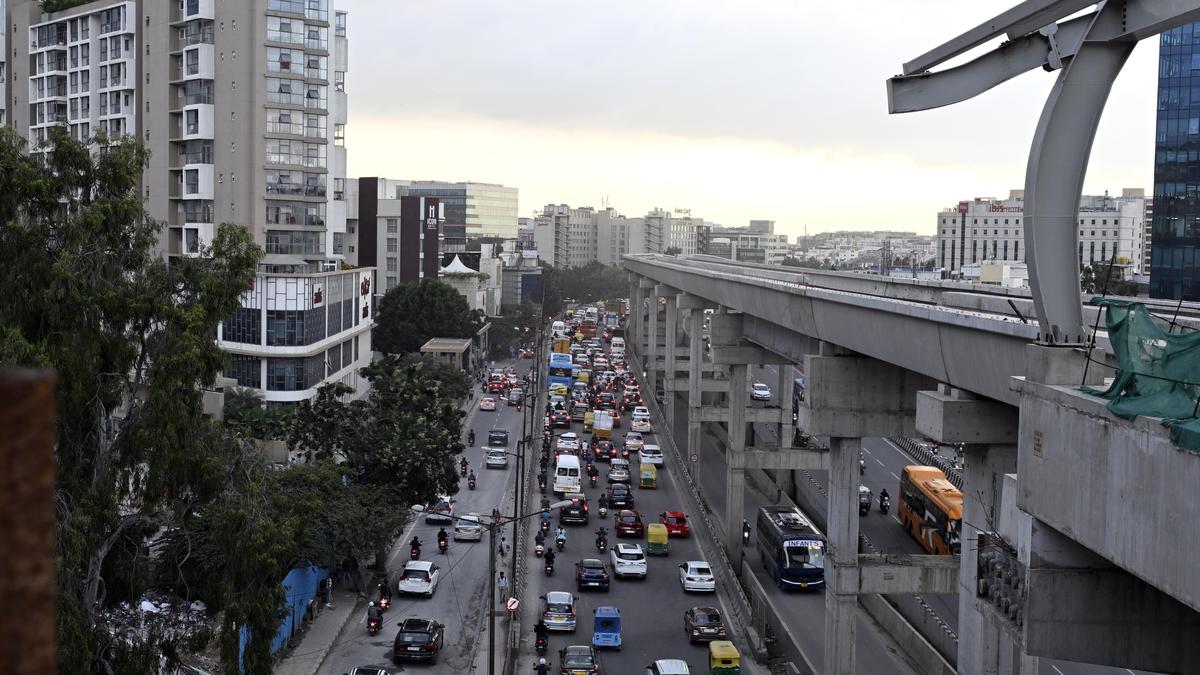
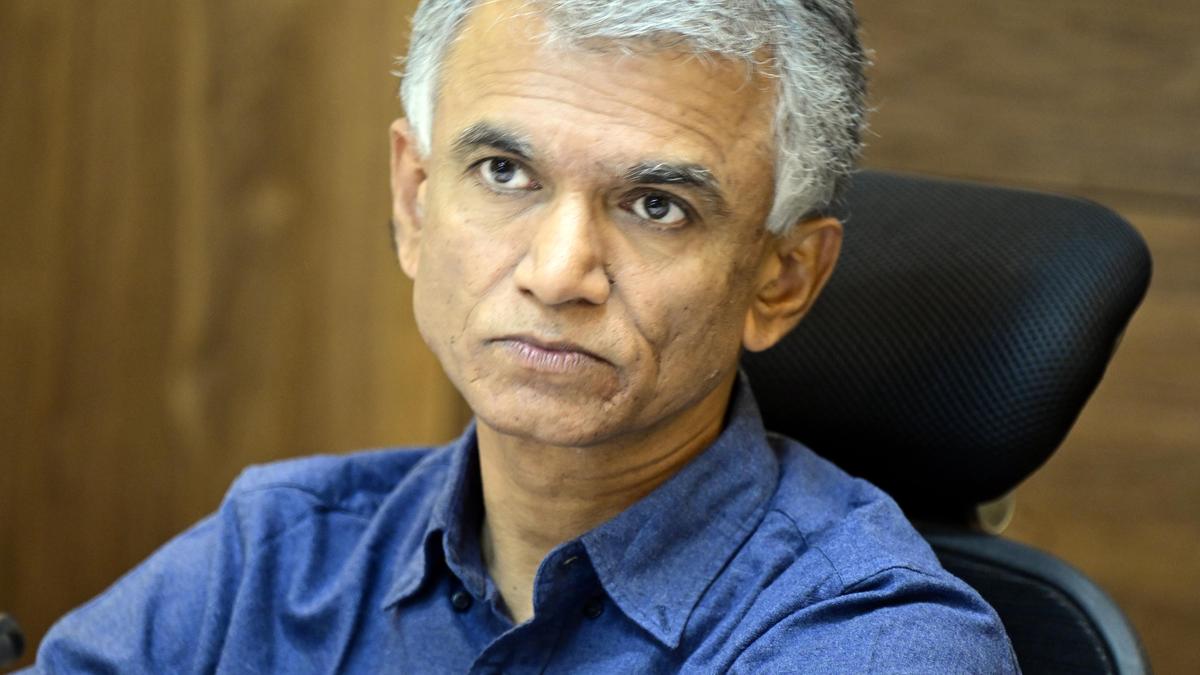
Amid opposition and concerns over the traffic disruption that white-topping the main carriageway of Bengaluru’s Outer Ring Road (ORR) could cause, Greater Bengaluru Development Minister Krishna Byre Gowda has announced that the main carriageway would be white-topped, with work likely to begin as early as October.The Bengaluru Smart Infrastructure Limited (B-SMILE), which is executing the project, clarified that no alternative resurfacing method is being considered for the main carriageway, maintaining that white-topping has been the plan from the outset. Recently, Mr. Gowda sought public opinion on the resurfacing method and asked citizens to send their suggestions by email to the Bengaluru East City Corporation.The proposed work has raised concerns over the traffic chaos it could trigger on one of the city’s busiest corridors. Police officials had earlier pointed out that the stretch would have to remain only partially operational while the civic works are under way, potentially resulting in bumper-to-bumper traffic at several points during peak hours.Residents had urged the authorities to begin the work only after the launch of the Blue Line Metro, arguing that the availability of public transport would give commuters an alternative and help ease the pressure on the road during construction.However, on Thursday, Mr. Gowda directed officials to begin the white-topping work in October and complete it by January.Work from homeAcknowledging the possibility of severe traffic disruption during the construction period, the Minister directed officials to engage with companies located along the ORR and make arrangements for at least 50% of their employees to work from home while the work is under way. He also directed officials to construct continuous footpaths of at least three metres in width along the corridor. On slip roads, the footpaths can be up to 1.8 metres wide.“Where buffer space is available along service roads, designated taxi and bus drop-off and pick-up points should be created, with colour coding introduced to clearly identify them. Bus bays should also be constructed along the main carriageway,” he said.Mr. Gowda further directed officials to consult the Outer Ring Road Companies Association (ORRCA) and the Police Department before finalising the traffic-management measures. He asked officials to complete all pending processes immediately and finalise the plans at the earliest.Representatives of the ORRCA said the project is likely to cause traffic chaos during construction. However, they said they have been holding meetings with the authorities to discuss the alignment, understand alternative routes that can be opened to the public, and know what measures would be taken to minimise disruption. If planned and executed properly, they said, the project could ultimately benefit the corridor. Published - August 13, 2026 10:33 pm IST