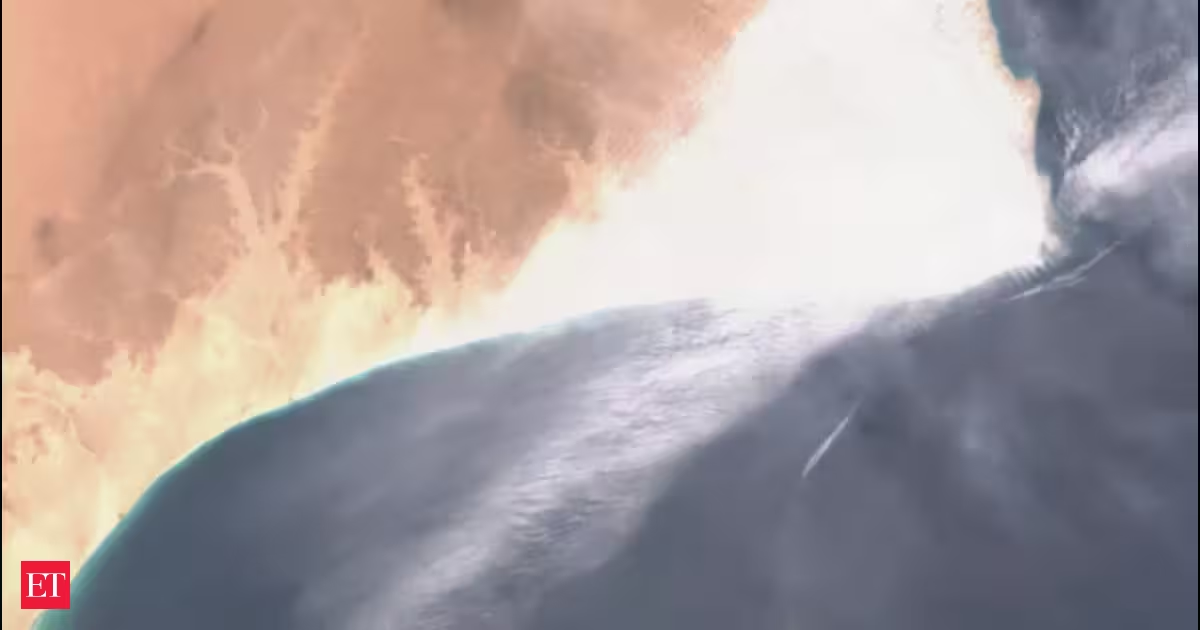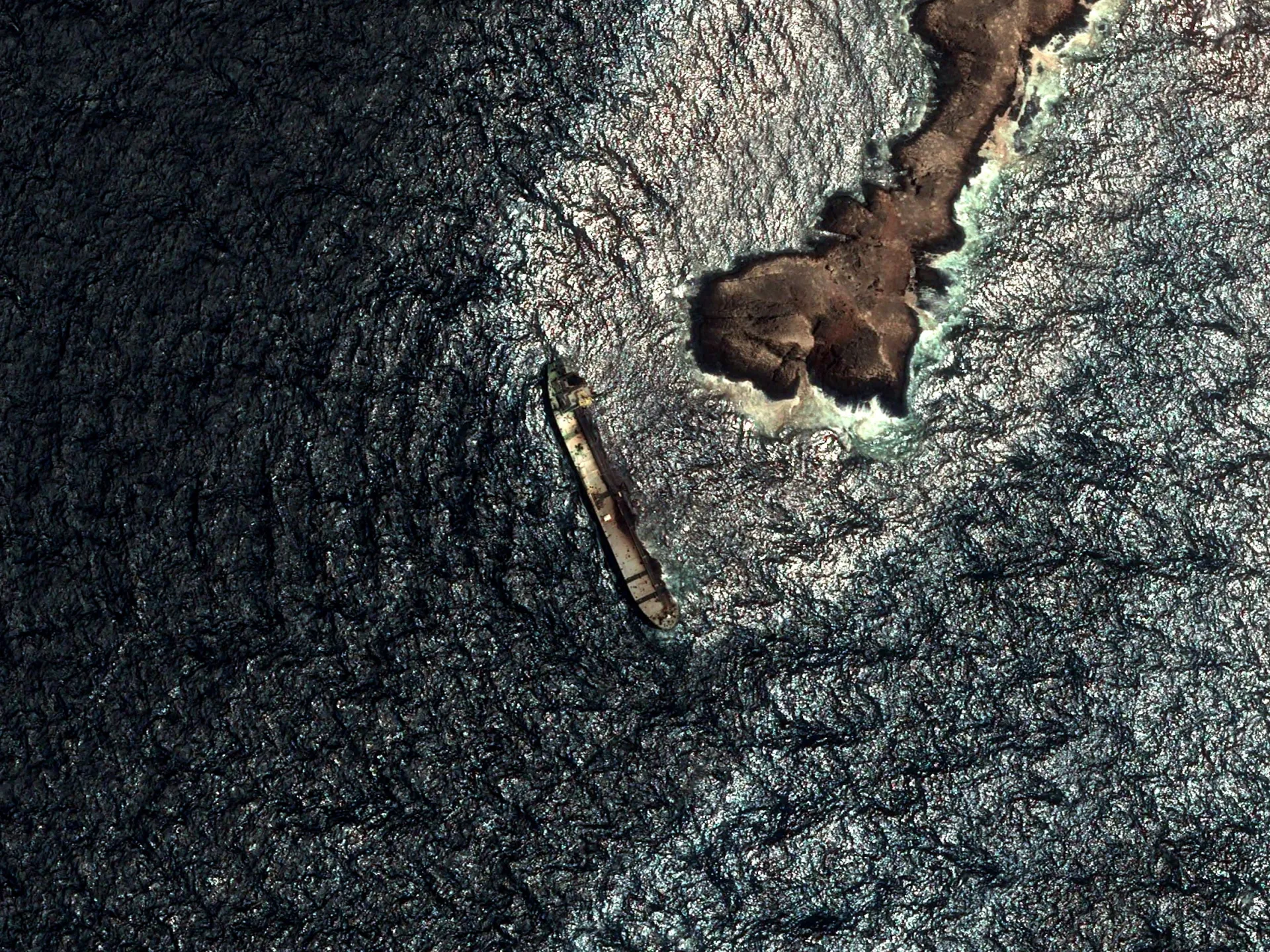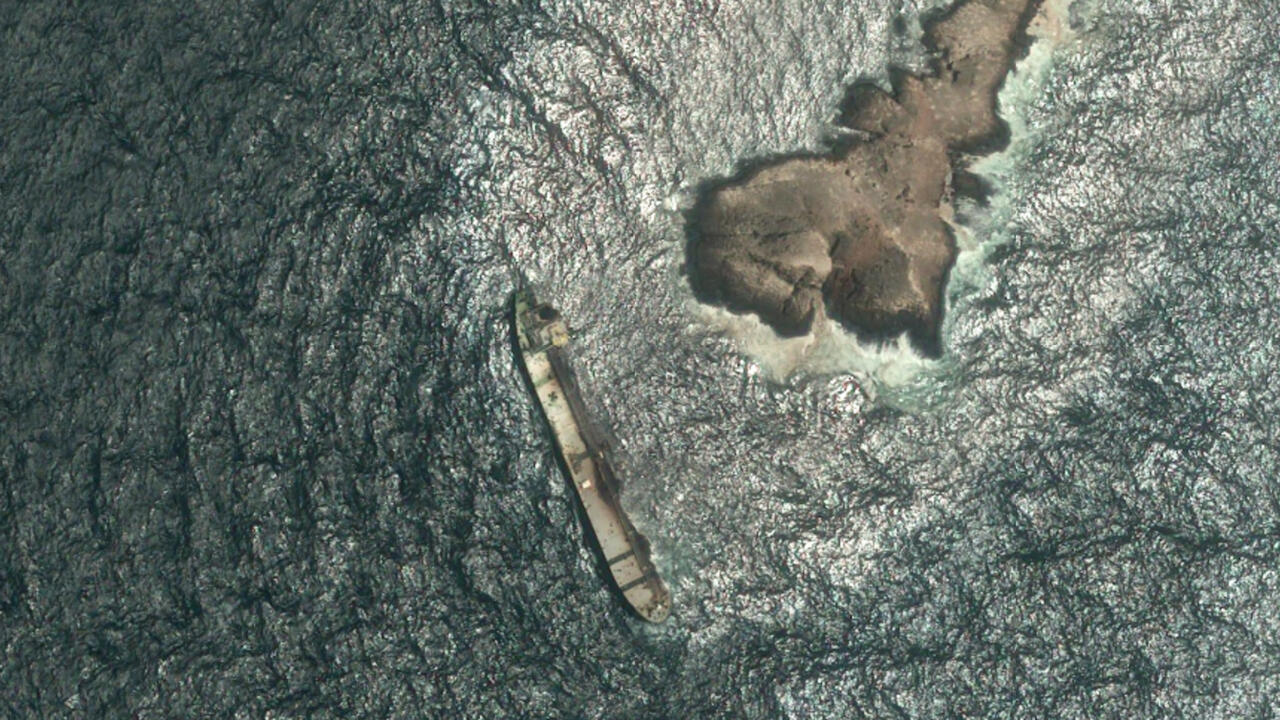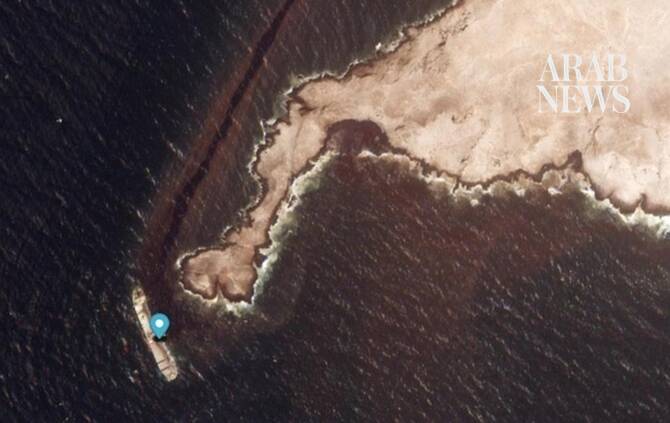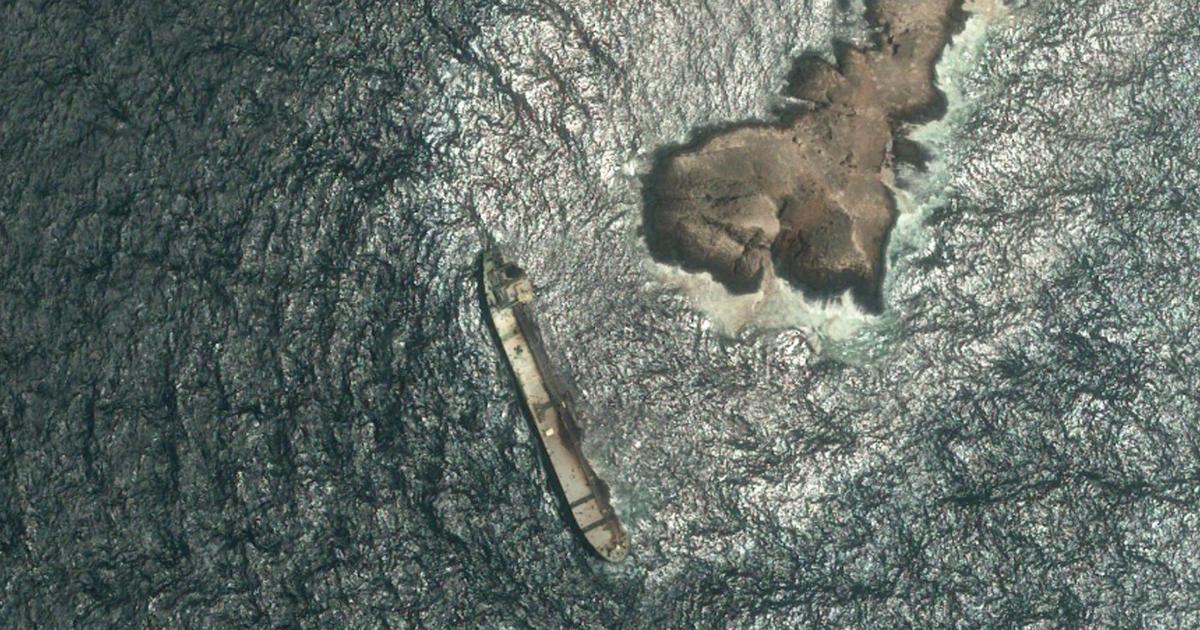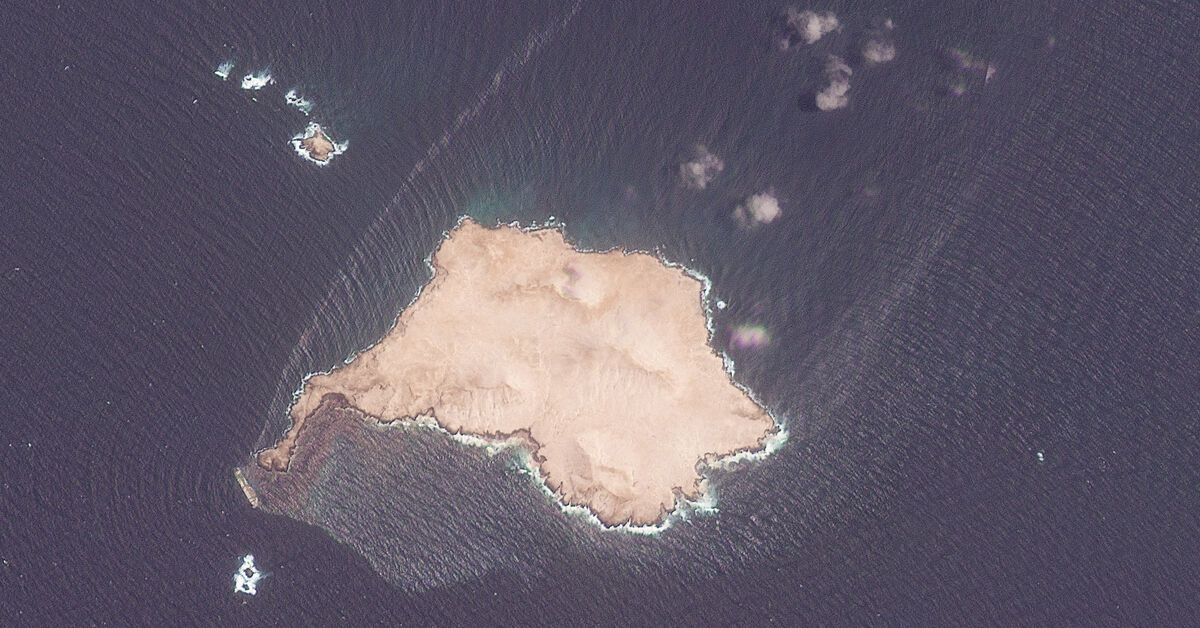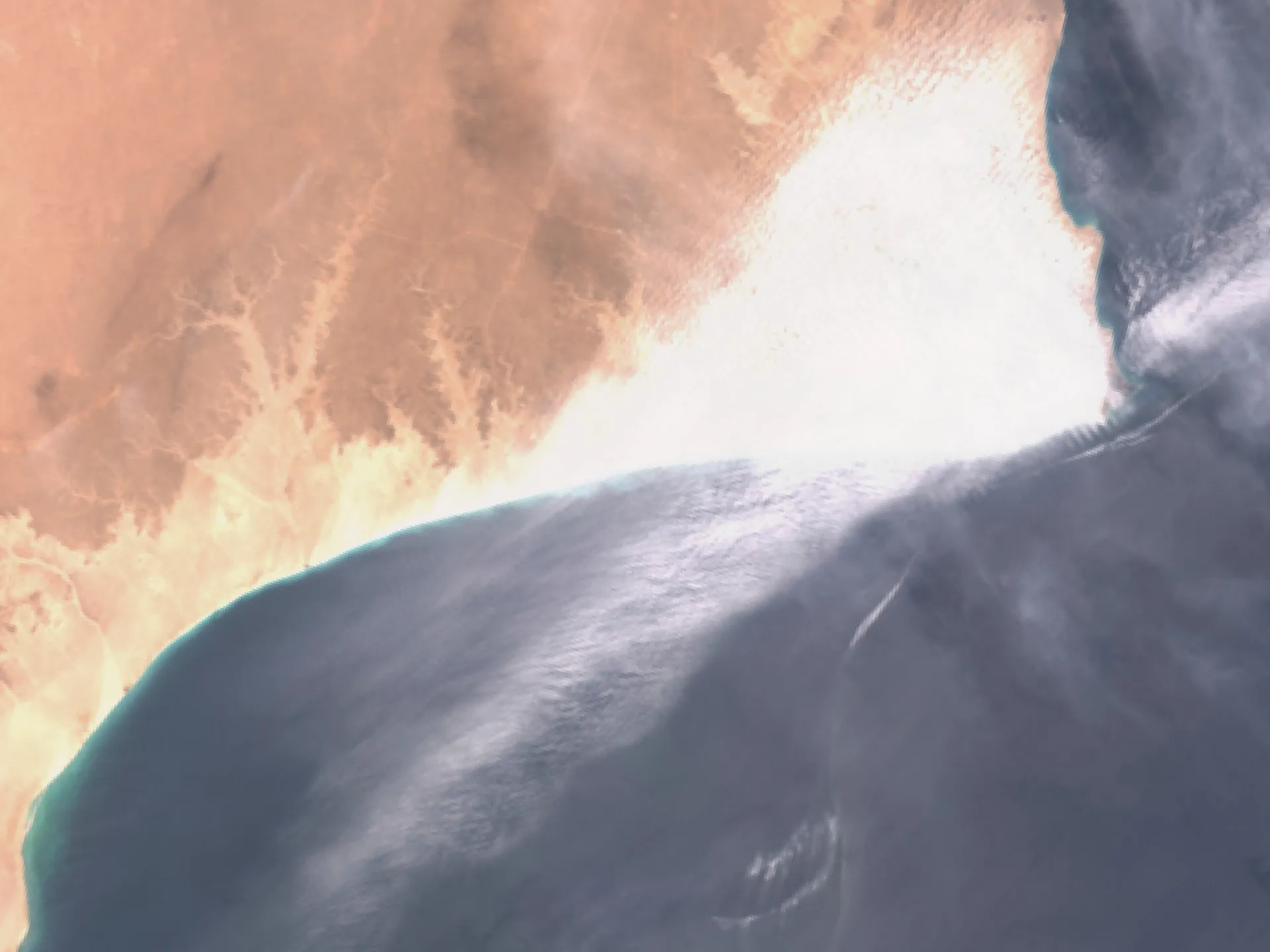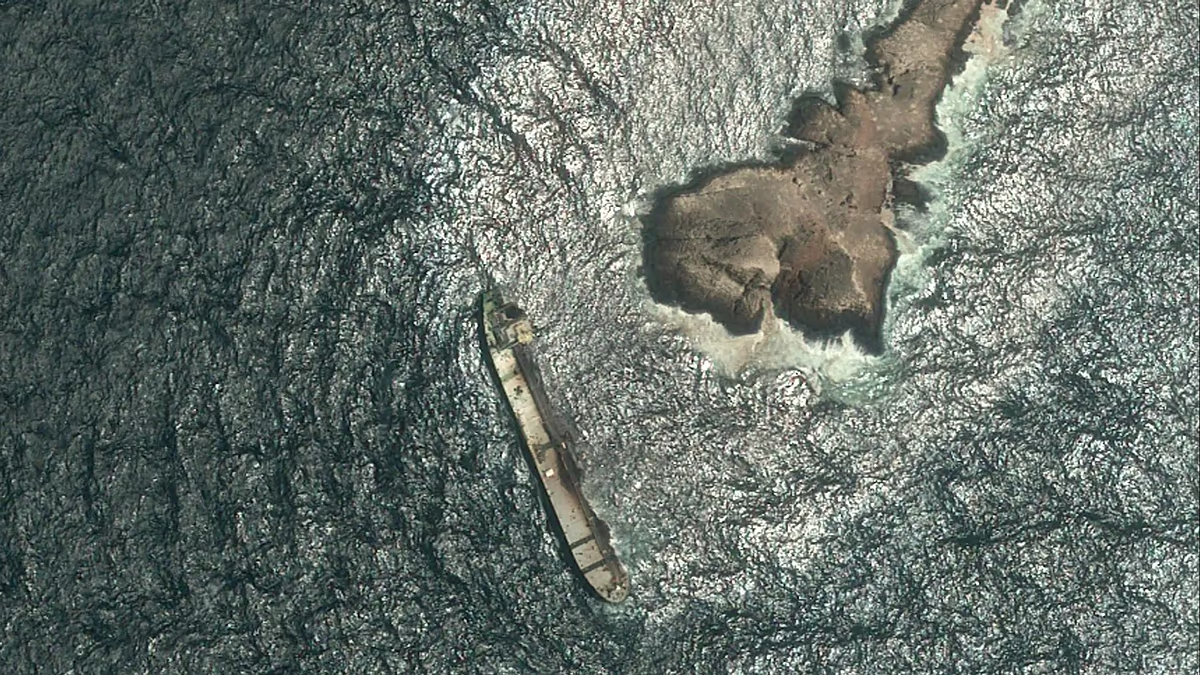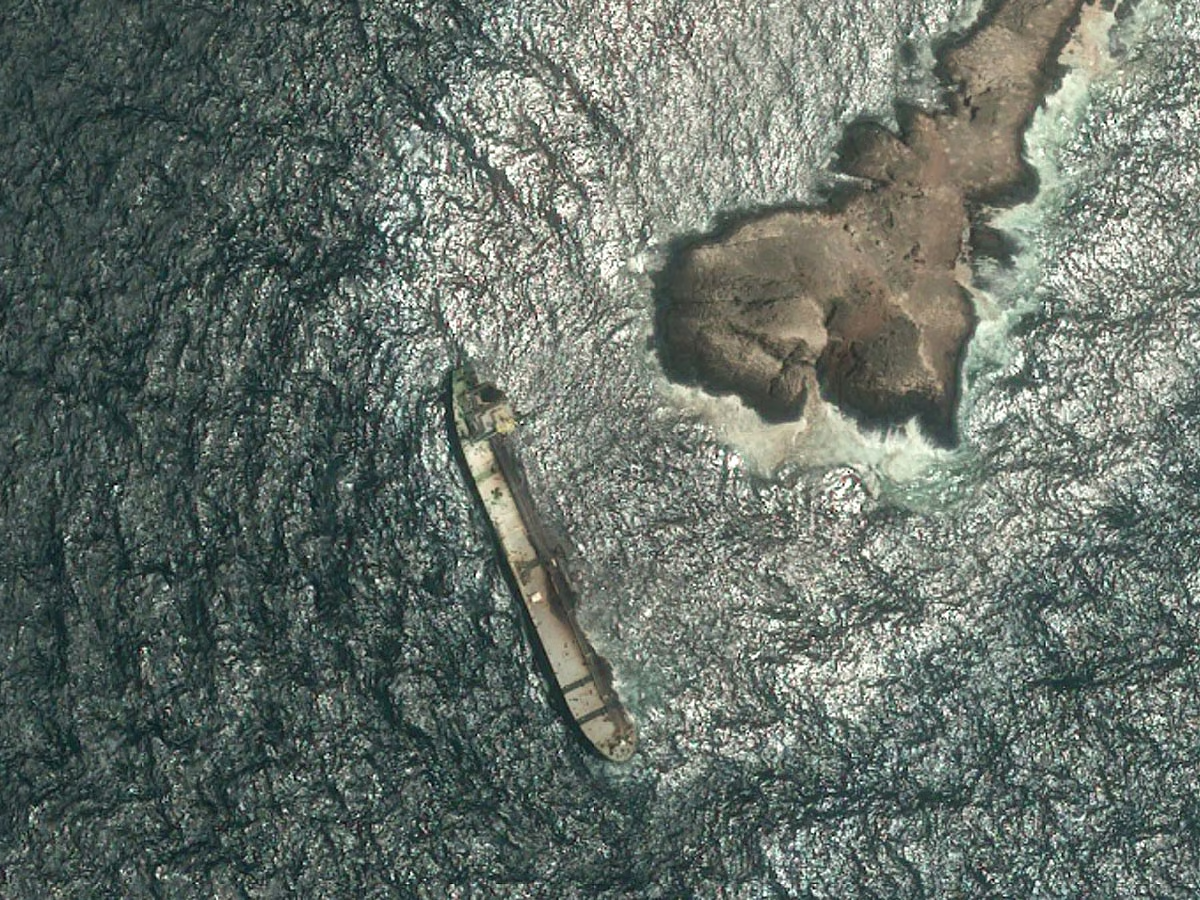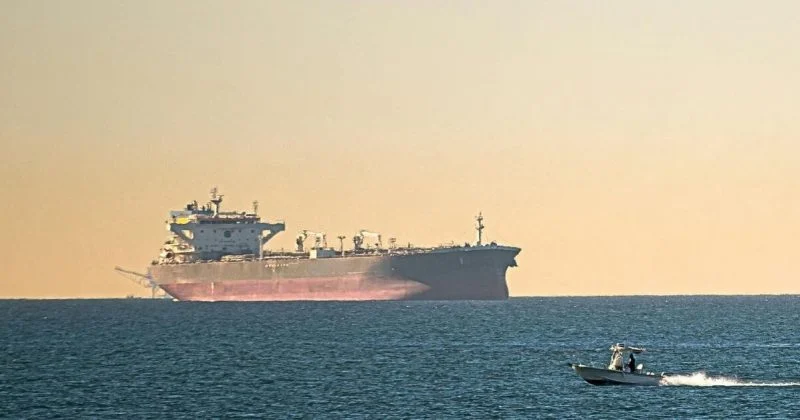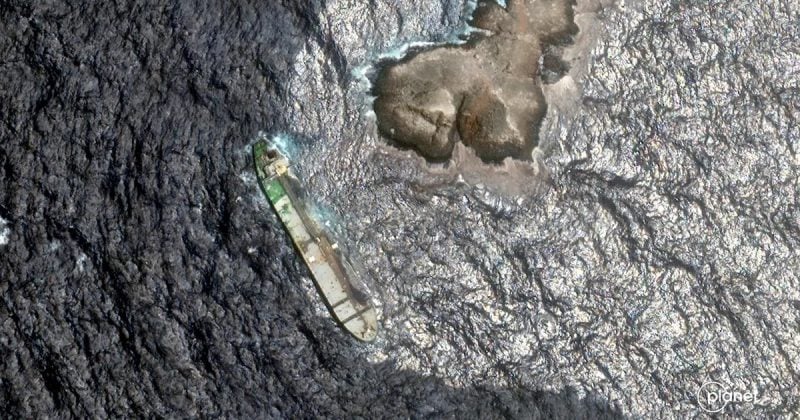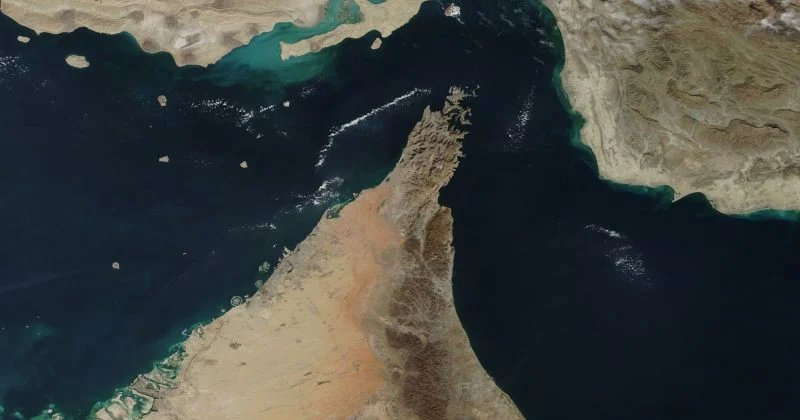
A substantial oil spill originating from the grounded tanker Caroline Bezengi has reached Oman’s southern coast, marking an environmental incident with significant implications. The spill, which began in late June, involves between 800,000 and 1 million barrels of Russian oil and has affected waters near the Hallaniyat Islands. The slick, now spanning between 390 square kilometers and over 2,000 square kilometers, has reached the mainland at Ras Madrakah. This development raises concerns about potential disruptions in maritime traffic, especially through the nearby Strait of Hormuz, a critical passage for global oil shipments.
The situation threatens to become one of the world’s largest spills in recent years, with experts warning of severe environmental impacts. The proximity of the spill to the Strait of Hormuz may affect regional shipping activities, particularly as the slick continues to spread. Current market pricing reflects a heightened perception of risk around normalizing traffic levels through the Strait by the end of September, with odds of such a return currently at 15.5% for a YES outcome, down from 28% just a week ago.
The market’s response suggests a correlation between the spill’s developments and maritime conditions. As the spill reaches critical environmental zones, market participants appear to be pricing in potential disruptions to shipping routes, contributing to a decrease in confidence that traffic will normalize by September 30.