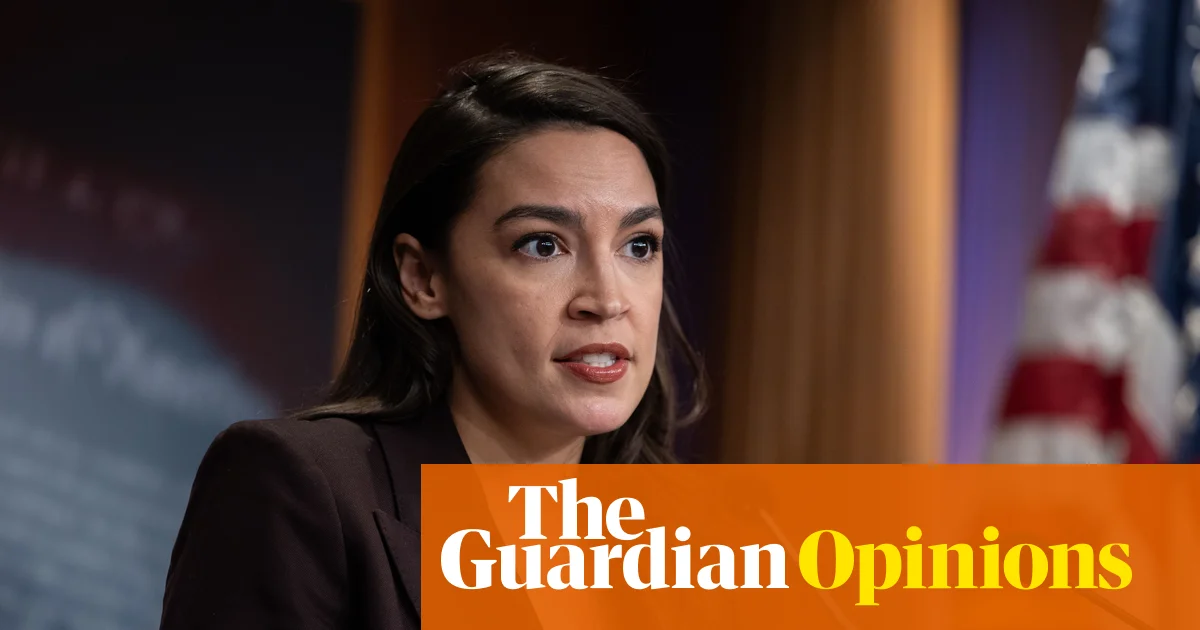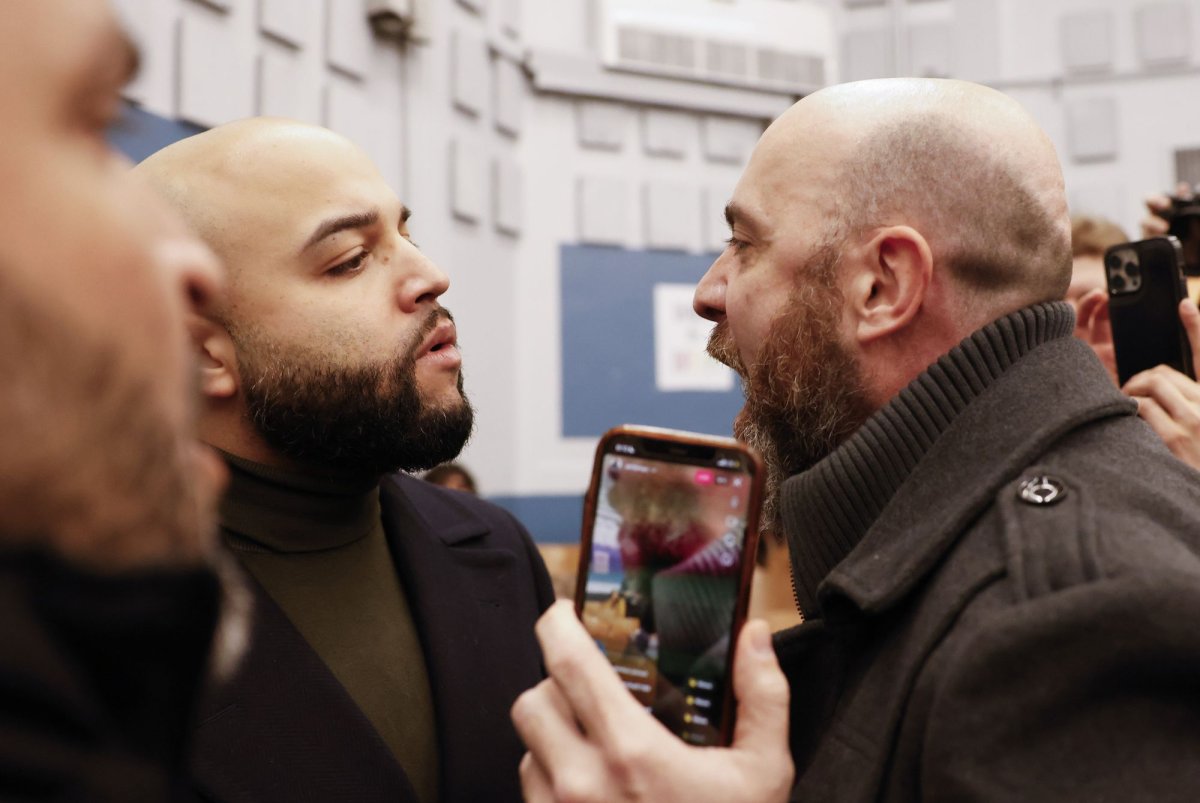
A protesters gets in an argument with an attendee when Rep. Alexandria Ocasio-Cortez holds a Town Hall to deliver remarks after five years of the Green New Deal in New York City in 2024. File Photo by John Angelillo/UPI | License Photo
Why do disagreements about vaccines, climate change or elections often feel so personal? Our research suggests it is not simply because other people have different beliefs. It is because we think those beliefs are mistaken.
We are behavioral scientists who study the role of beliefs in politics and everyday life. Our new research finds that people are more disturbed by others' beliefs when they feel those beliefs are not merely different from their own but are based on incorrect information.
For example, two people may disagree about the ideal level of immigration, but if one believes immigrants commit more crime than U.S.-born residents and the other is convinced the statistics show otherwise, their disagreement becomes a conflict over reality and truth.
That distinction matters because public debate over polarization often starts with a simple idea: People prefer others who think like them -- "birds of a feather flock together," as the saying goes. Social scientists call this belief homophily, and many researchers have studied how these shared beliefs shape friendships, neighborhoods, media habits and political life.