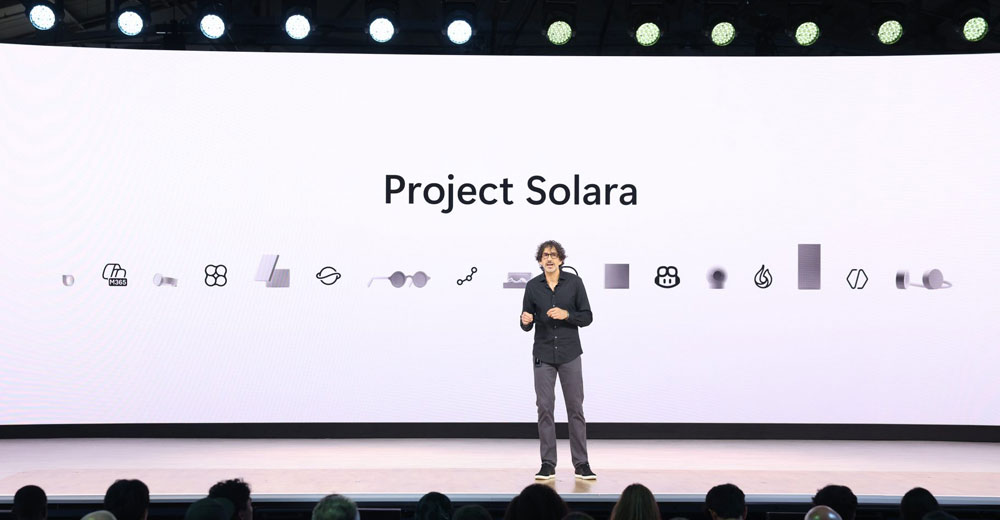
At Build 2026, Microsoft previewed a genuinely good idea: Project Solara. Solara has three important layers: an operating system built for AI agents instead of apps; a governance standard that controls what those agents can touch; and a data layer that lets an agent understand a company’s files, meetings and permissions while respecting existing access controls.
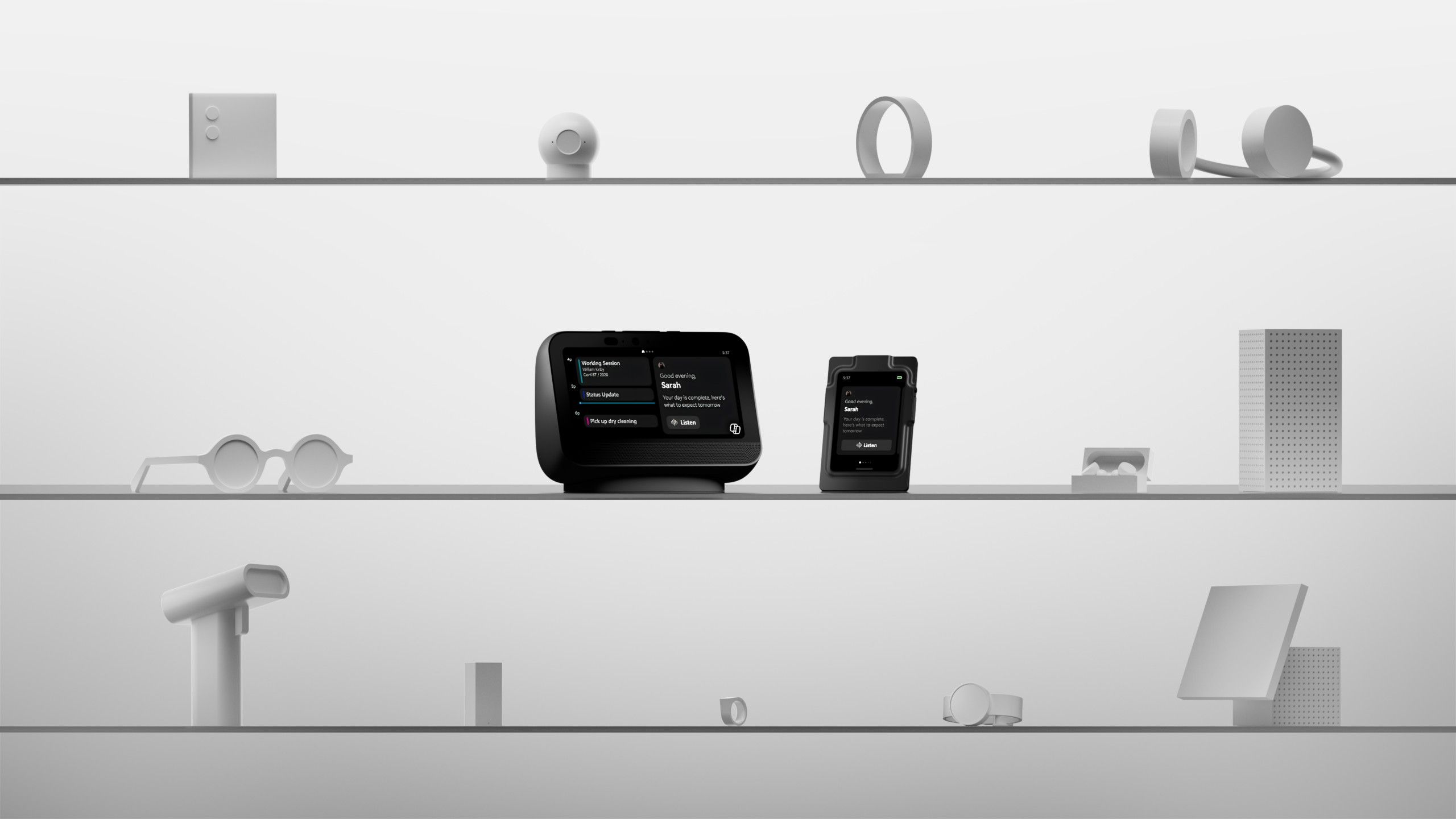
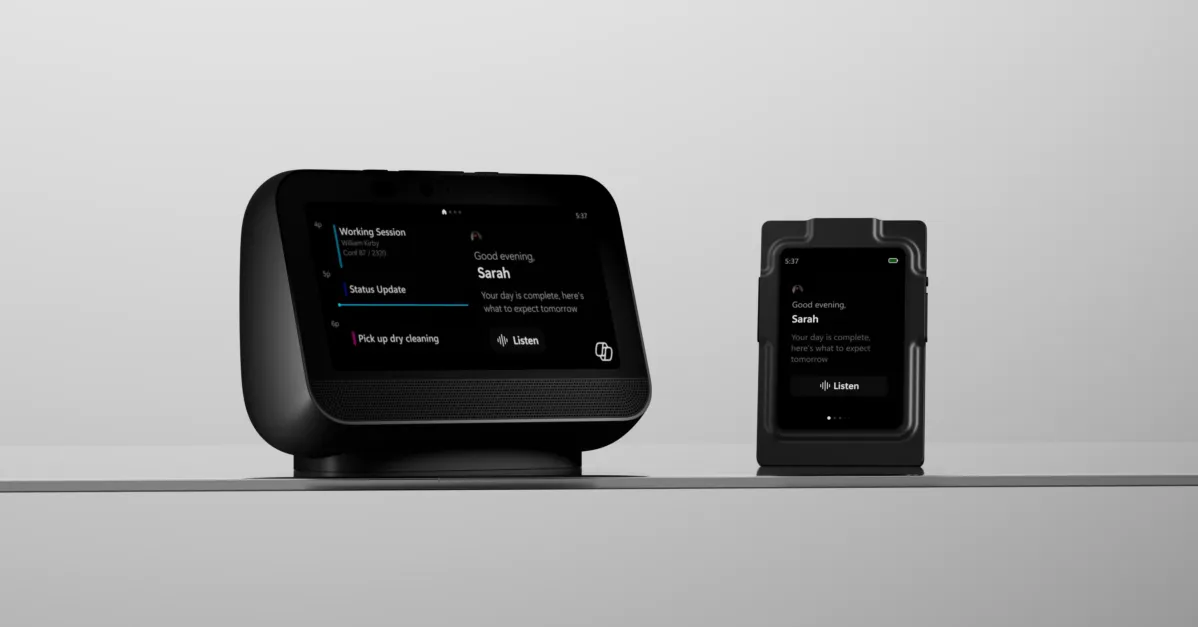
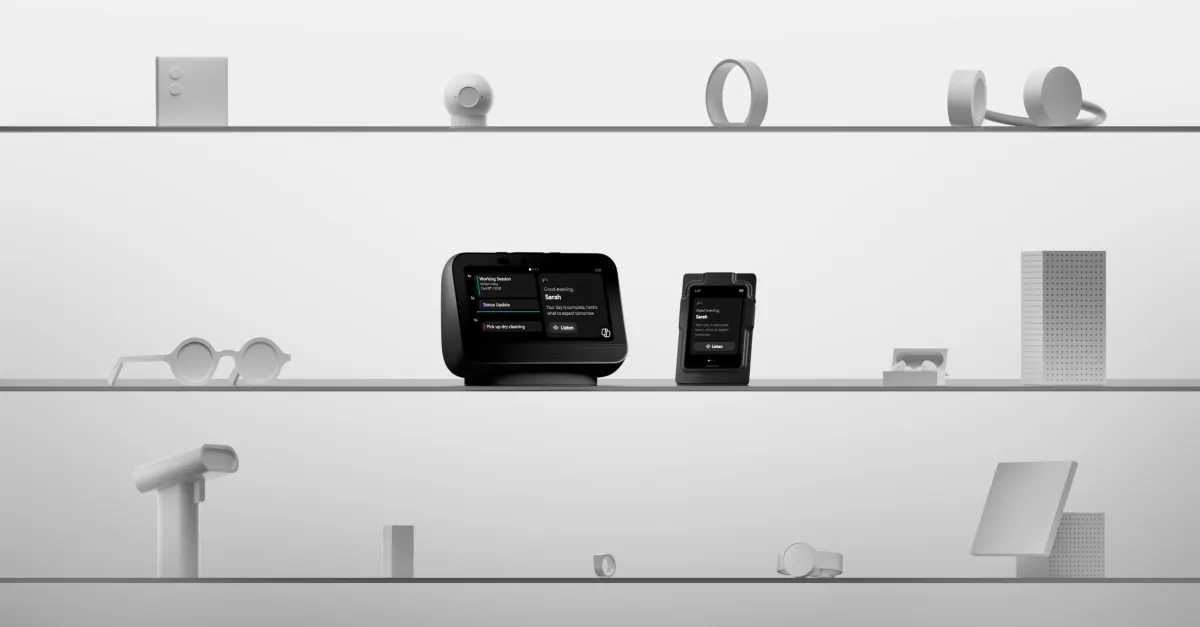
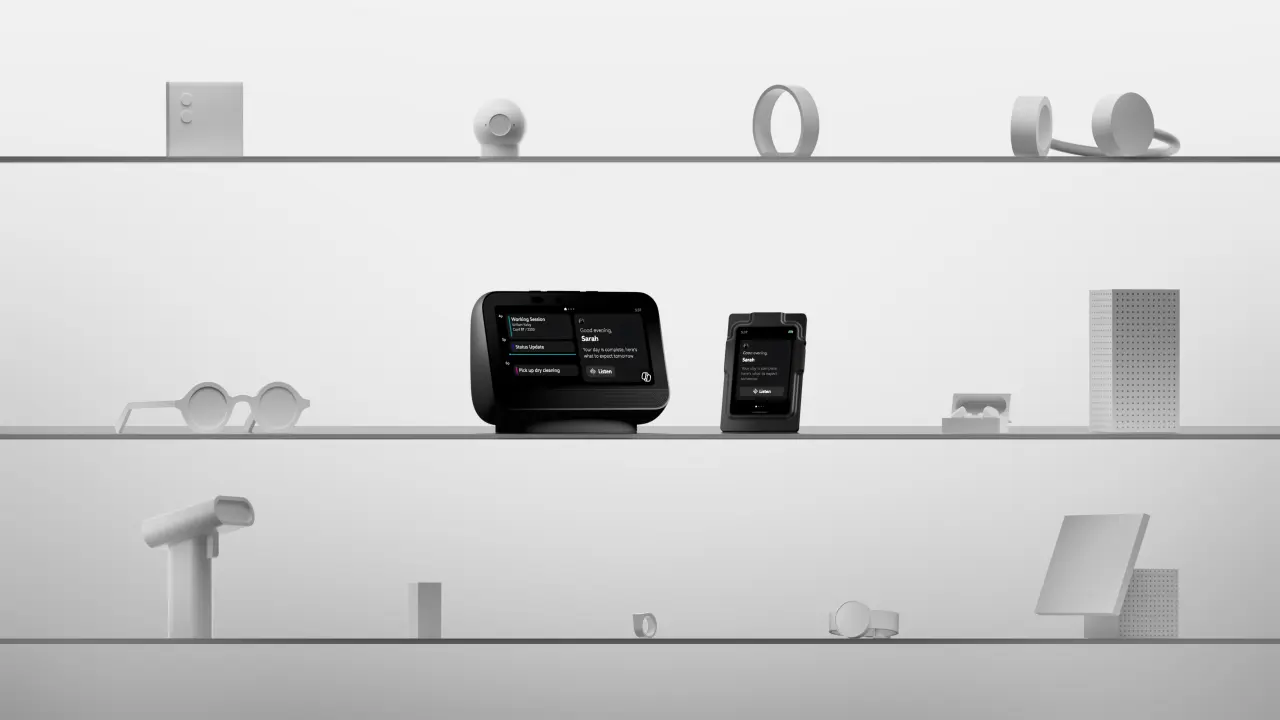
Then Microsoft showed two concepts as examples of what could be built with the Solara stack: a desk hub that sits beside a PC and can integrate with Windows 365 in the cloud, and an ID badge for frontline workers. They represent two very different directions with no clear priority.
AI wearables could become the next major extension of mobile computing. Project Solara looks like Microsoft’s attempt to make sure it does not watch another device cycle develop from the sidelines.
However, what Microsoft showed at Build raises two very different questions. Has it effectively conceded consumer mobility and chosen enterprise as its battlefield? Can it convince hardware partners to build Solara devices that customers want — and OEMs can sell profitably?
The Windows Challenge