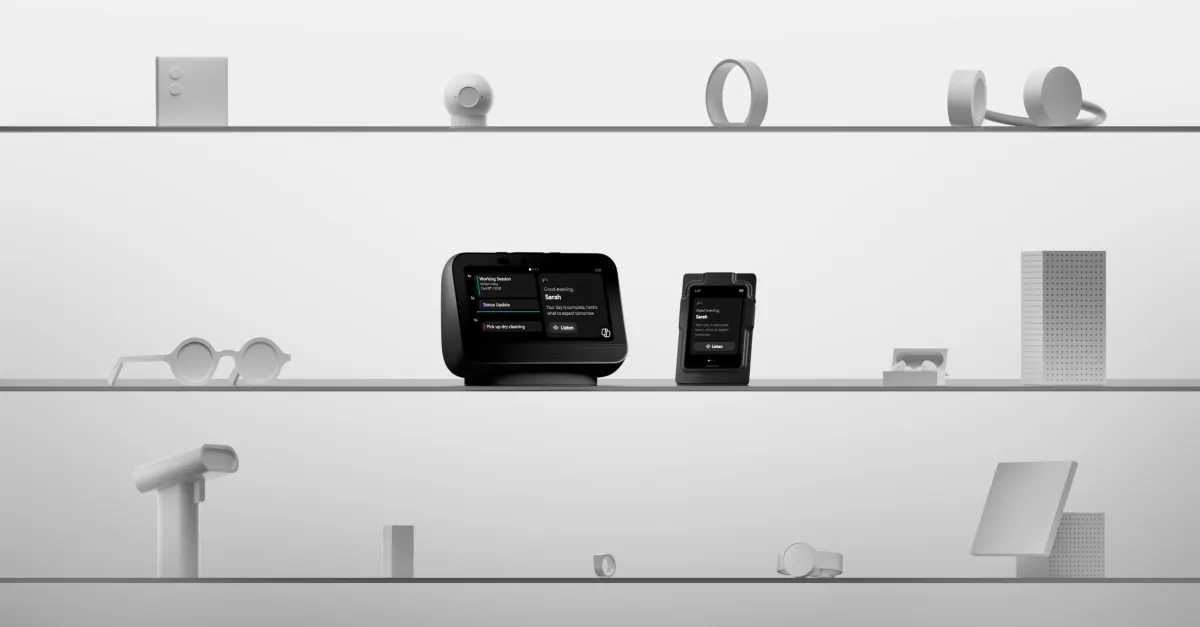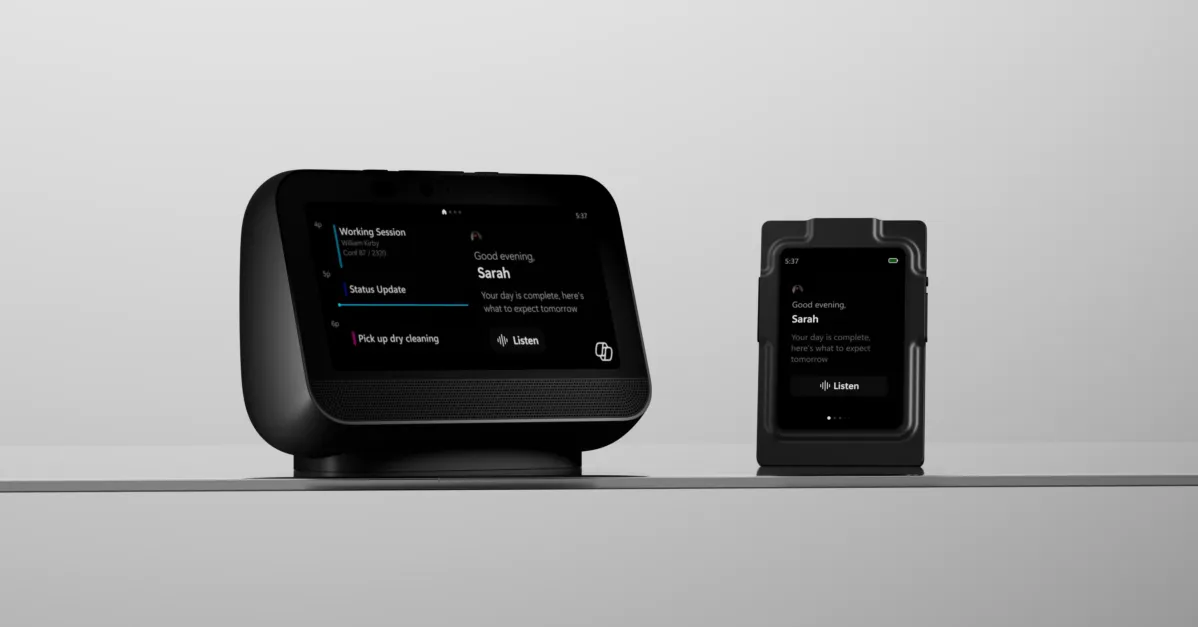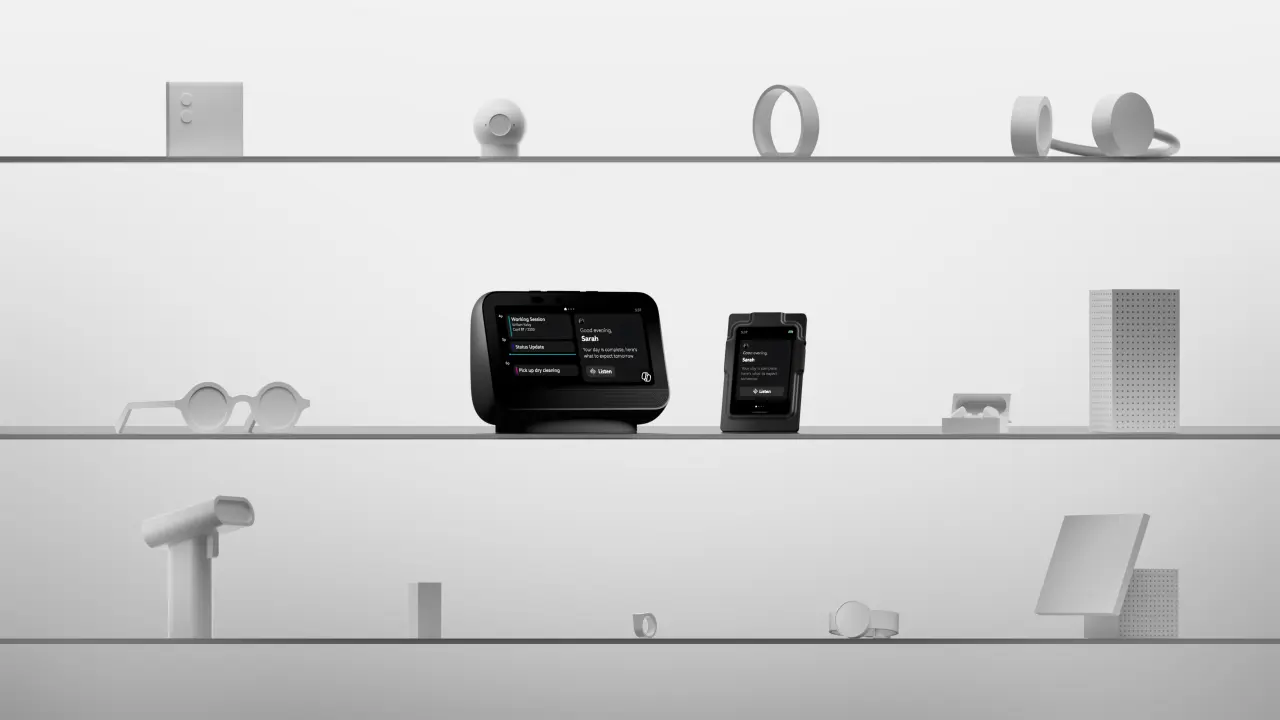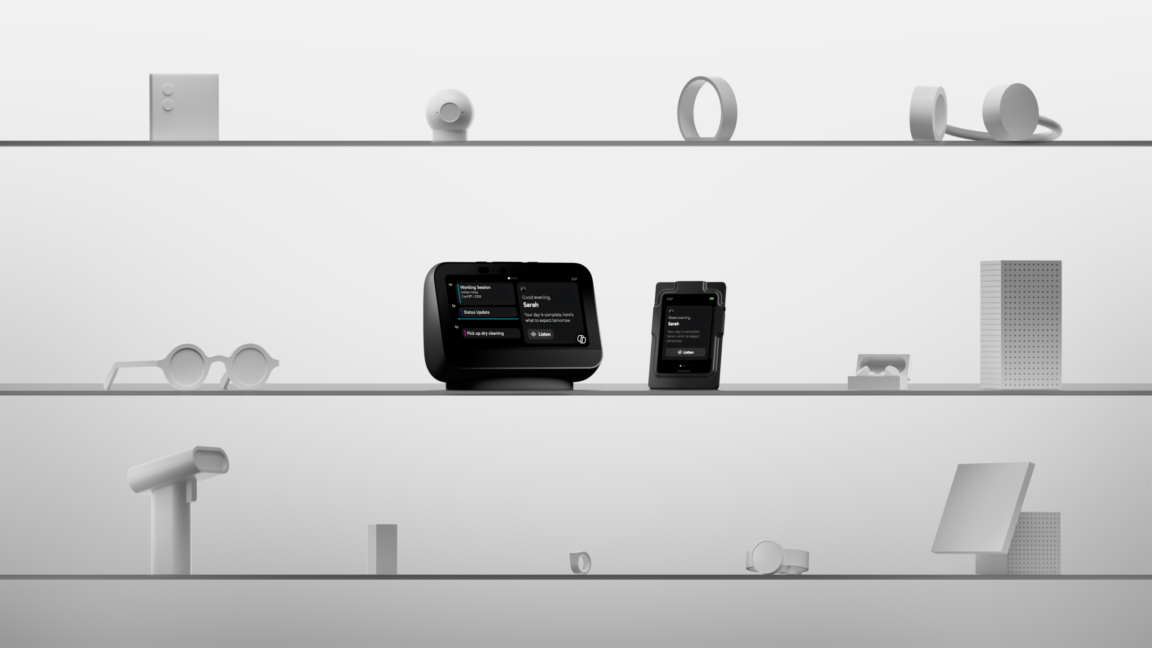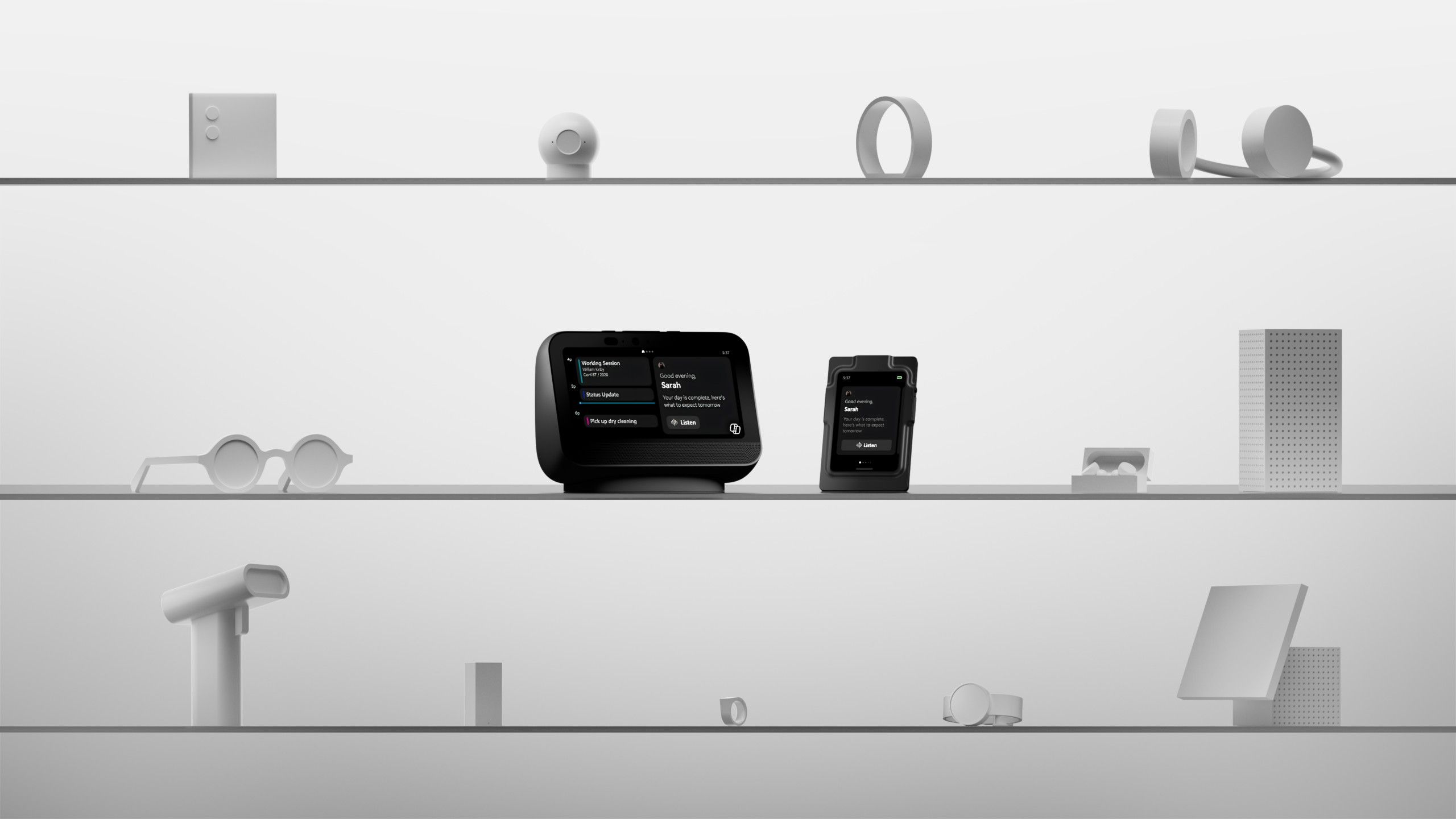
A desktop companion and a wearable badge: Microsoft Solara concept reference design devices
(Image credit: Microsoft)
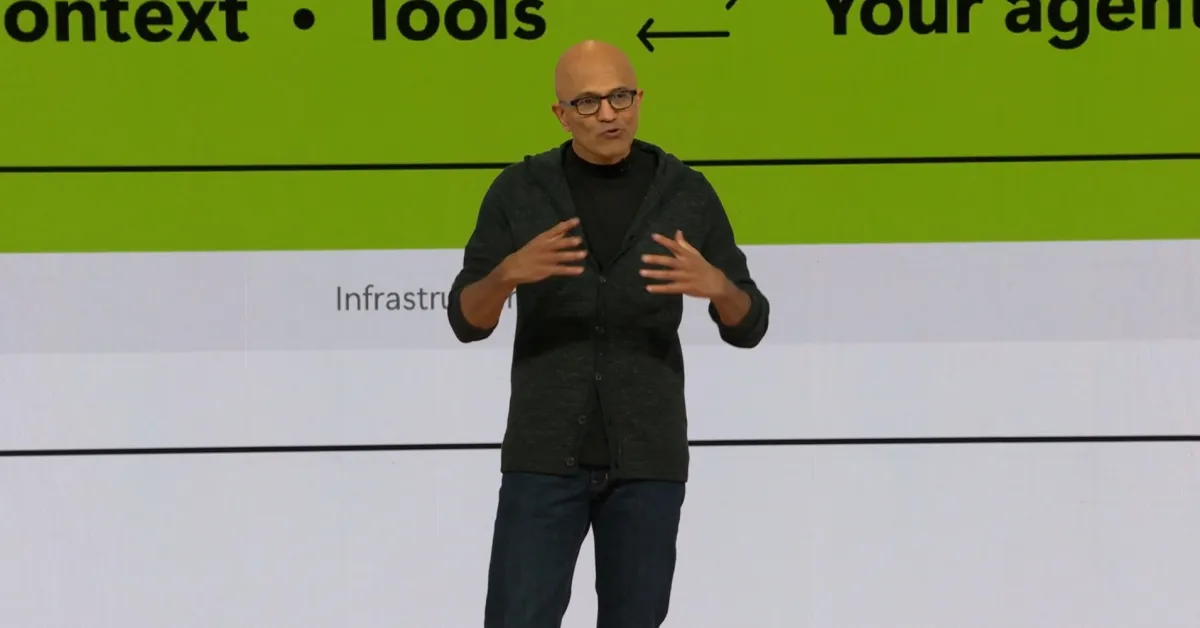
Microsoft has unveiled Project Solara, a chip-to-cloud platform designed to power a new generation of "agent-first" enterprise devices — hardware designed to run AI agents instead of traditional apps. Announced at the Microsoft Build 2026 Developer Conference on the 2nd of June, the platform, developed by Microsoft's Applied Sciences Group, features a lightweight edge OS called the Microsoft Device Ecosystem Platform (MDEP). Interestingly, the OS is built on the Android Open Source Project (AOSP) rather than Windows.MDEP is paired with Azure-hosted agent services and persistent cloud-based state, meaning devices act as interfaces to AI agents running across Microsoft's cloud infrastructure rather than as fully self-contained computers. Together, the software stack forms what Microsoft describes as a chip-to-cloud architecture for enterprise AI devices, combining cloud-hosted agents with centralized security, management, and orchestration capabilities."The 'operating system' is liminal, transcending the device and the cloud. The system brings a lightweight window to the edge, where the agent manifests and where the state, via Azure, can encompass a constellation of specialized devices,” explained Steven Bathiche, Microsoft's Corporate Vice President and Technical Fellow in the Applied Sciences Group.To populate that ecosystem with hardware, Microsoft has partnered with Qualcomm and MediaTek as its first silicon partners — Qualcomm for portable and wearable form factors and MediaTek for stationary devices. The company has no plans to manufacture end products itself. Instead, the company is releasing reference designs for OEMs to build from, alongside an "approved chipsets" requirement that gives Microsoft certification-level control over which hardware qualifies for the platform, similar to Google's GMS certification model for Android.To demonstrate Solara, Microsoft unveiled two concept reference designs built on the platform. A stationary desk-mounted AI hub built around MediaTek IoT silicon and a wearable AI badge powered by Qualcomm hardware. The desktop companion features a display, a camera, a UWB (ultra-wideband) presence sensor that handles automatic login and lock, dual far-field mics, and two USB-C ports. Connected to an external display, the device can double as a Windows 365 cloud PC client.Meanwhile, the wearable badge is equipped with a touchscreen, Hello for Business fingerprint sensor, far-field high-SNR microphone array, side-facing camera, and 5G, WiFi, Bluetooth, and GNSS connectivity — targeting front-line workers such as nurses, retail staff, and field workers. Microsoft confirmed that both devices are intended as reference designs for OEM partners rather than retail products.