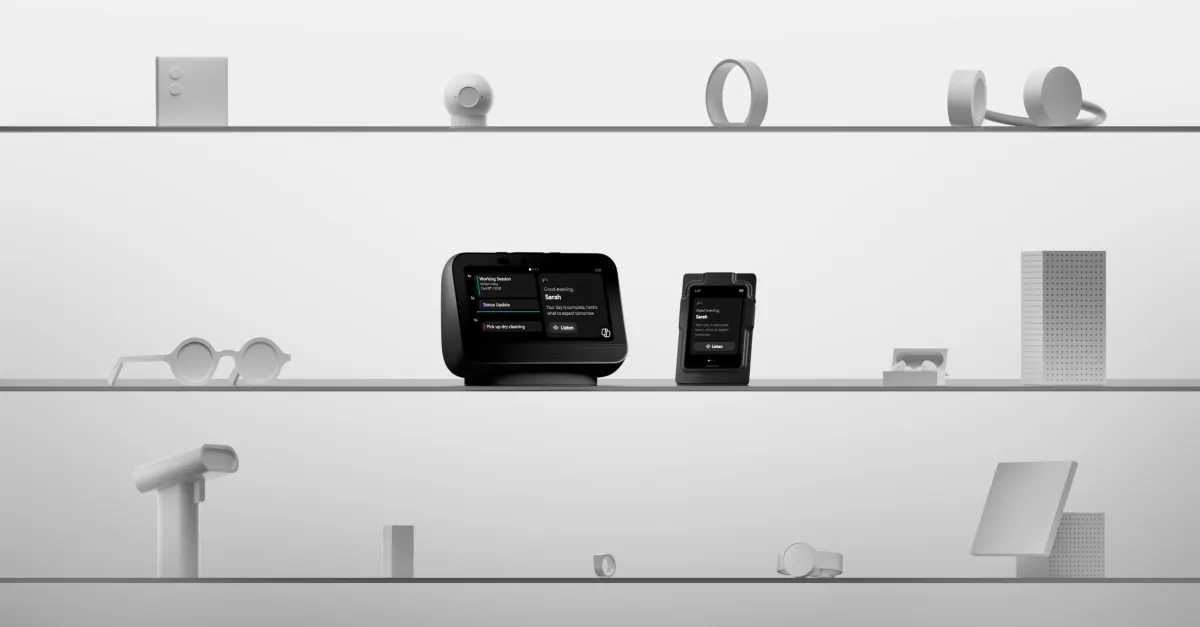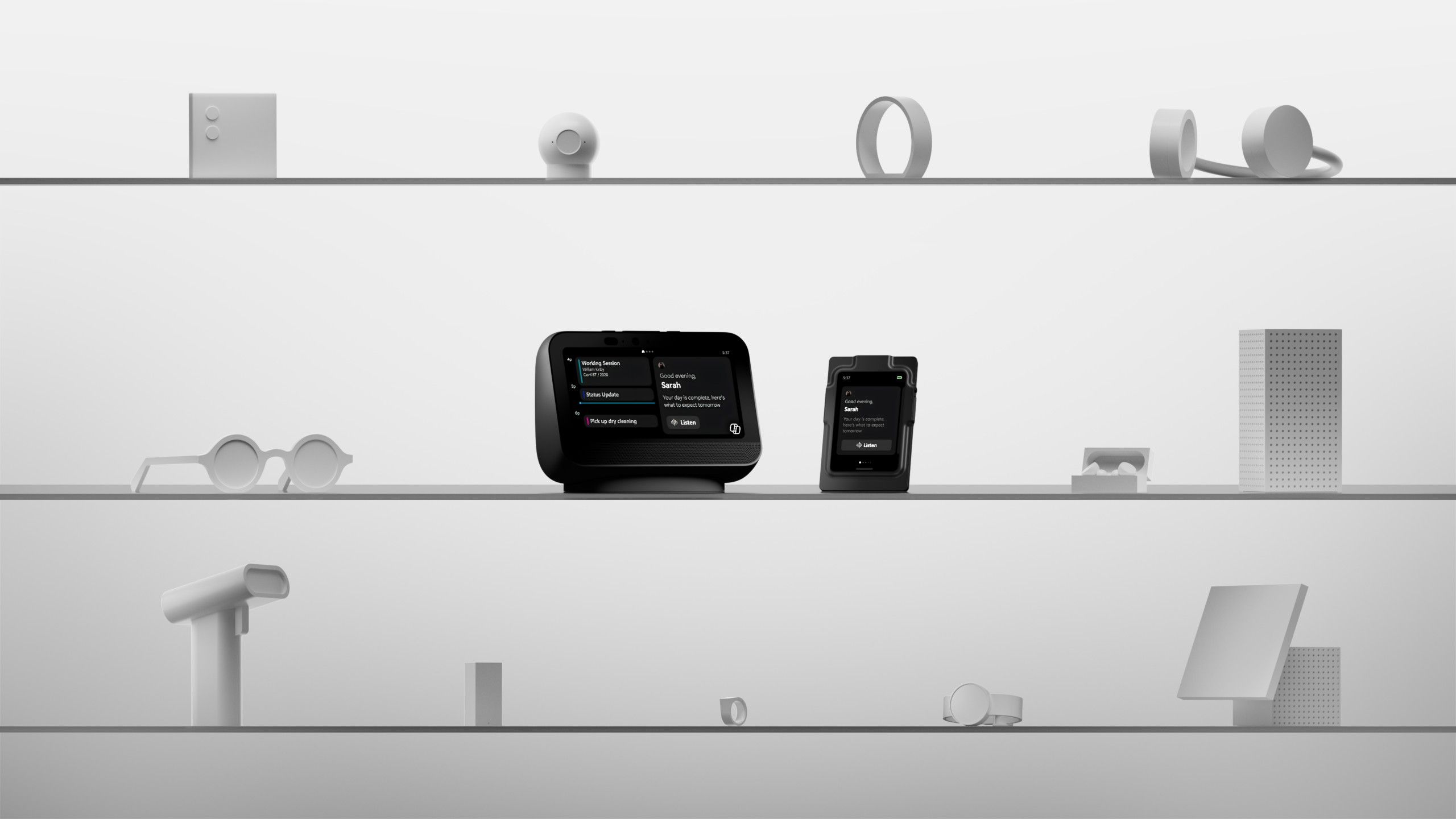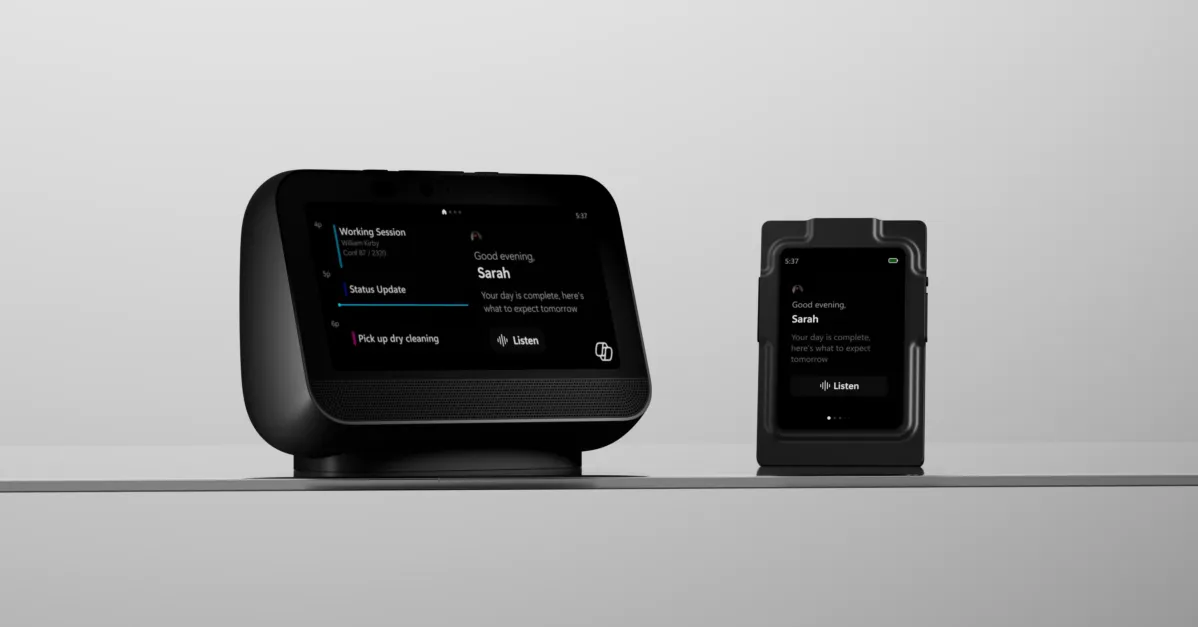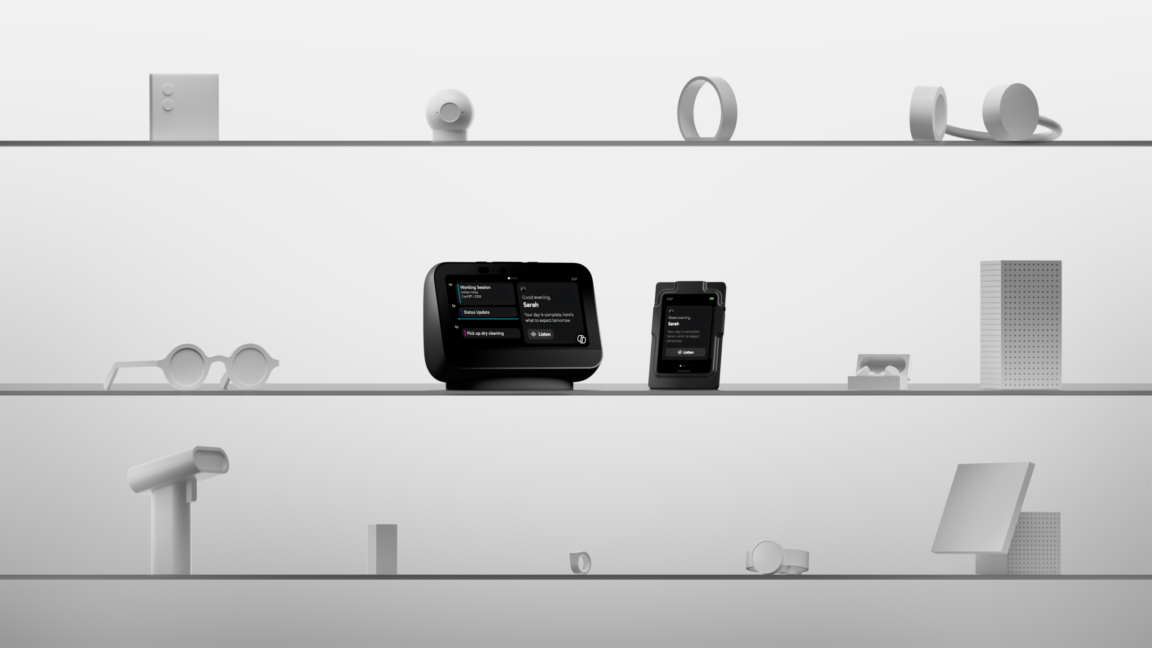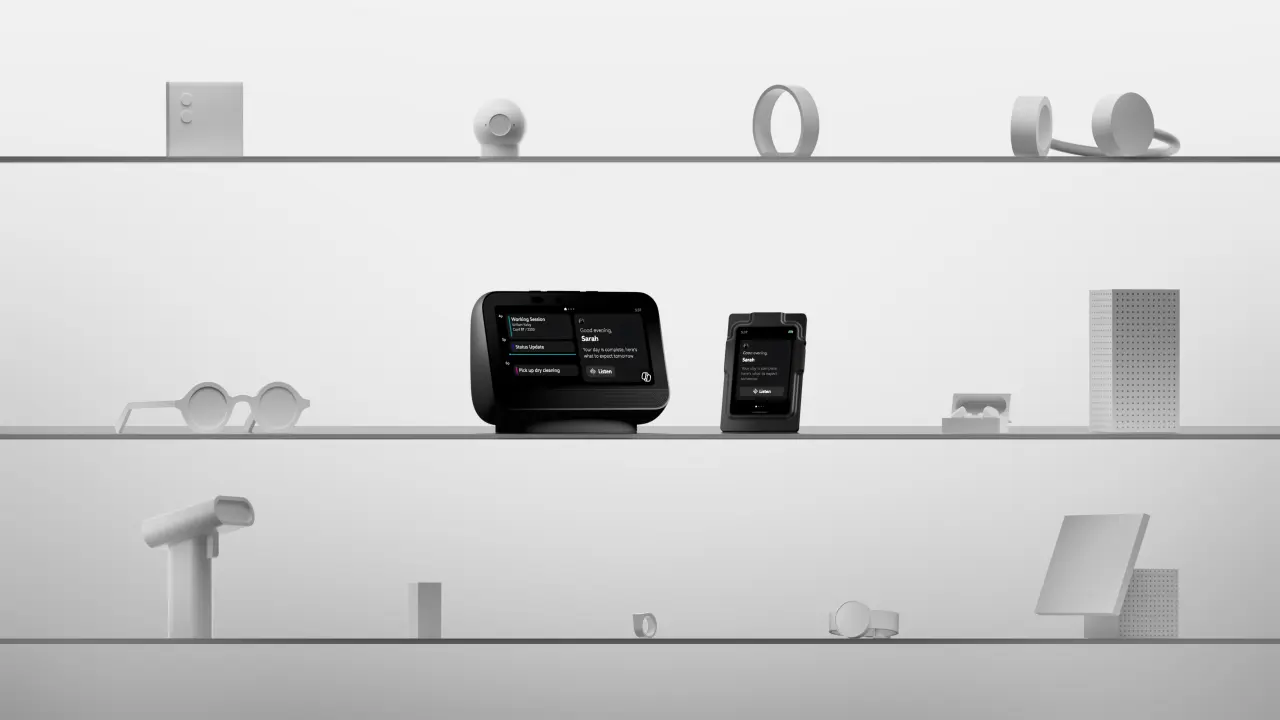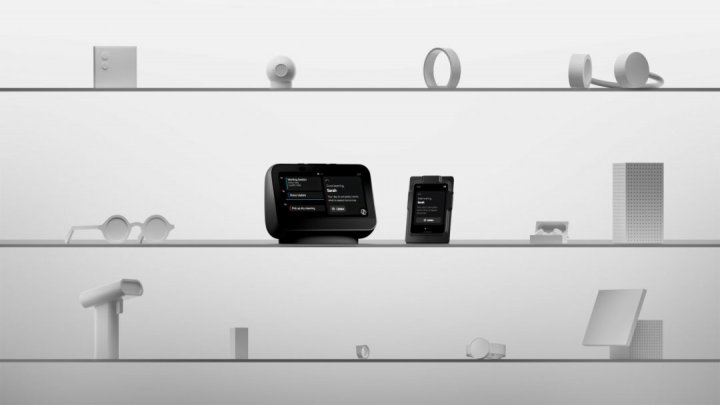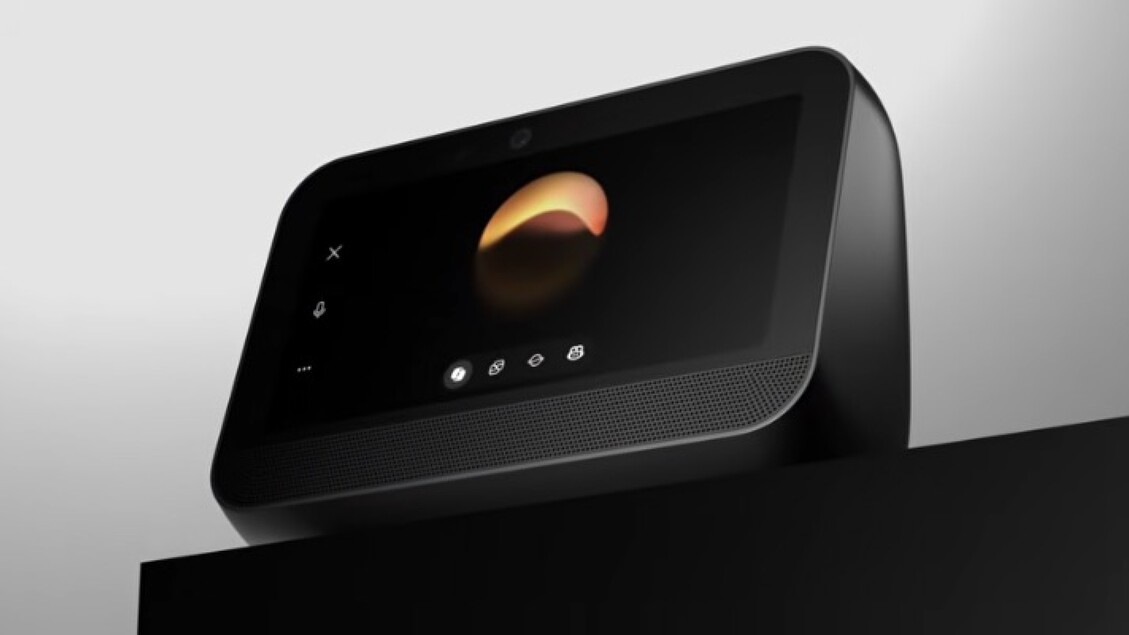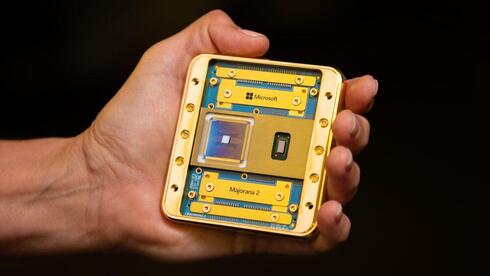
At Build in San Francisco, Microsoft reveals Solara, a new cloud-managed operating system for future AI agent devices, alongside a Majorana 2 quantum chip and new tools shaped in part by its Israeli R&D teamsMicrosoft unveiled a new Android-based operating system called Solara at its Build conference in San Francisco on Tuesday, designed specifically for devices powered by artificial intelligence agents rather than traditional apps.The system is intended for future dedicated devices that will be managed directly from the cloud and are not yet available on the market.Microsoft CEO Satya Nadella announced Solara during the conference’s opening event, framing it as a major shift in how devices operate: away from graphic interfaces built around icons and windows, and toward natural-language commands and personal agents that work in the background.One of Solara’s key innovations is a dynamic user interface that allows an AI agent to automatically generate and adjust the display according to the screen size and type of device it is running on, without requiring developers to design a separate interface for every configuration.Microsoft developed Solara in cooperation with chip giants Qualcomm and MediaTek. At the event, the company showed several prototype devices on which the technology could eventually run, including a wearable badge for field workers and medical teams that combines a touch screen, camera, fingerprint sensor and cellular connectivity. Another prototype was a desktop workstation designed to function as a personal office assistant, equipped with a touch screen, facial recognition, a presence sensor and an array of microphones.Nadella also announced a new processor for quantum computers, Majorana 2, which he said puts Microsoft on track to achieve a scalable, commercially valuable quantum computer by 2029, cutting the company’s original timeline in half.According to Microsoft, the processor, developed in part by the company’s Israeli branch, is 1,000 times more stable and reliable than its predecessors. It could enable major breakthroughs in fields such as health care, drug development, energy, sustainability, new materials and industry, tackling problems that existing computers cannot solve.Microsoft also introduced a new platform that allows developers to build AI agents based on organizational knowledge, internet knowledge and business workflows, with built-in security.The company also presented a new computer for developers, called Surface RTX Spark, designed for developers who want to run local AI models directly on their devices without relying on the cloud. The computer comes with Nvidia’s new Spark RTX chip, which was announced just two days earlier.Microsoft also outlined steps to make Windows more developer-friendly, including a new development toolkit with secure runtime environments for agents and powerful local language models.The company is also continuing to develop its own AI models rather than relying solely on models built by OpenAI. It announced updates to its AI models focused on image generation, automatic transcription of calls and documents in multiple languages, more natural voice generation and coding assistance for developers.1 View gallery Microsoft’s new Majorana 2 quantum computing processor (Photo: Microsoft)Nadella also presented new developments in AI agent security led by Microsoft’s R&D teams in Israel.Among them is an agent that allows organizations to view, manage and secure all their AI agents in one place, even when they operate across different systems and environments or were built using different development frameworks. Another solution allows organizations to run models, AI tools and advanced chat capabilities directly on their own internal infrastructure while maintaining full control over data security, identities and privacy.Shimi Cohen, chief information security officer at UBTECH, which helps organizations implement Microsoft technologies, said the announcements from Build “redraw the defensive lines of enterprise cybersecurity” and formally mark the transition to AI agents.“Until recently, the focus was on securing the model itself, the LLM,” Cohen said. “But the evolution of autonomous AI agents requires CISOs and SOC managers to make a deep conceptual shift. An AI agent is no longer just code; it is a dynamic entity that operates on the network, holds identities, accesses sensitive information and performs actions.”
Microsoft unveils Solara, Android-based OS built for AI agent devices
At Build in San Francisco, Microsoft reveals Solara, a new cloud-managed operating system for future AI agent devices, alongside a Majorana 2 quantum chip and new tools shaped in part by its Israeli R&D teams
655 words~3 min read