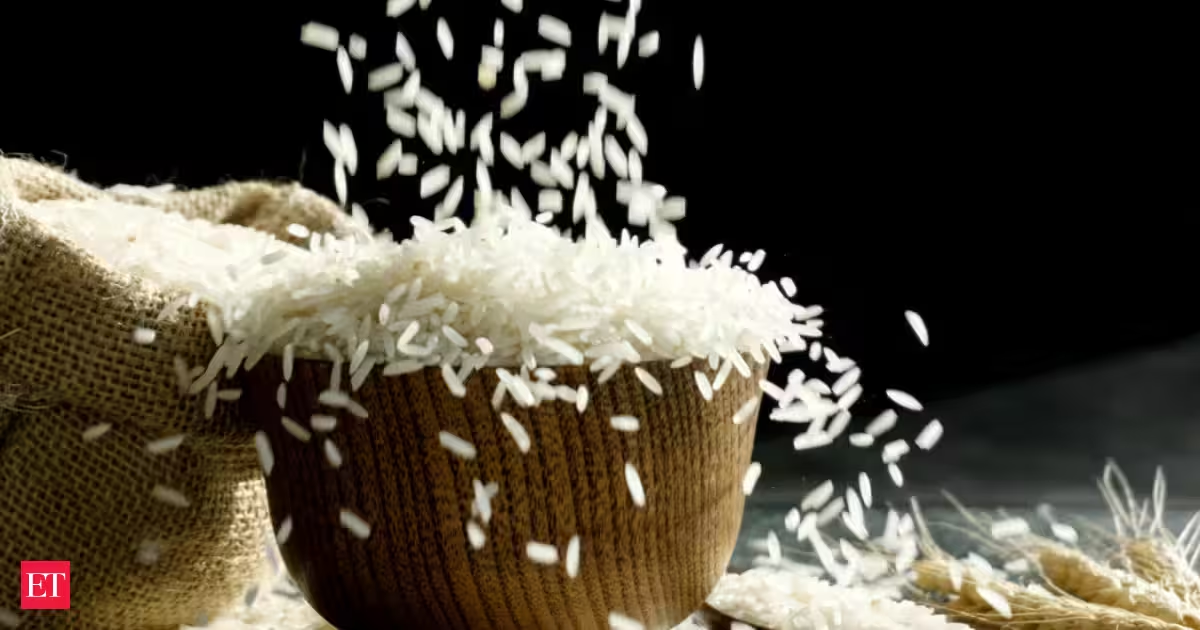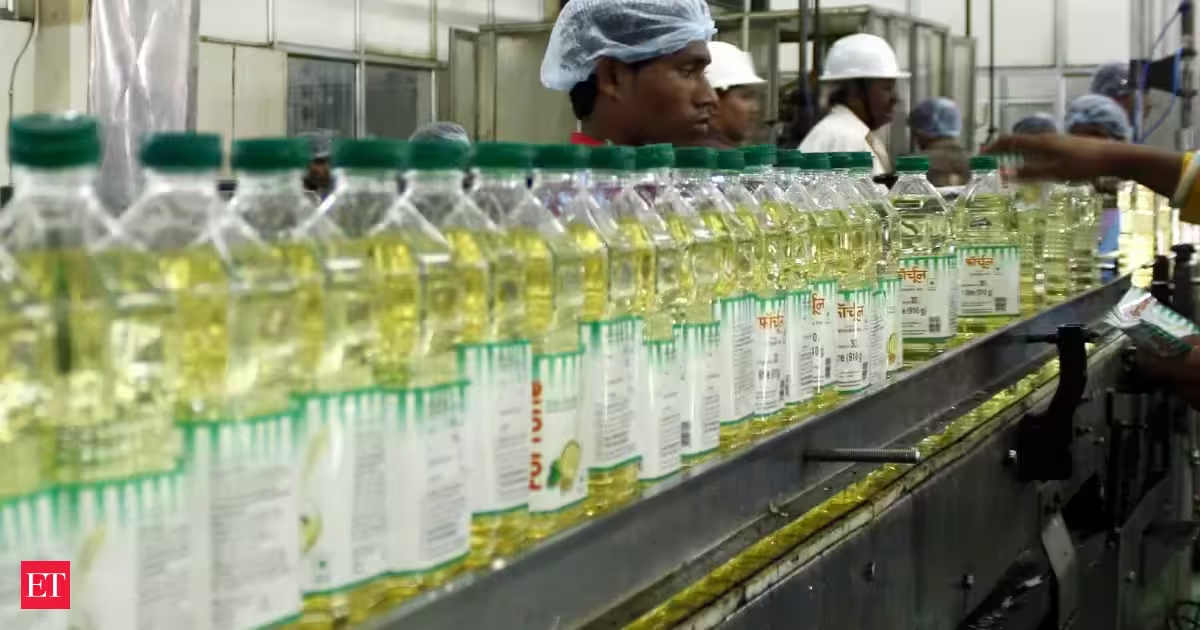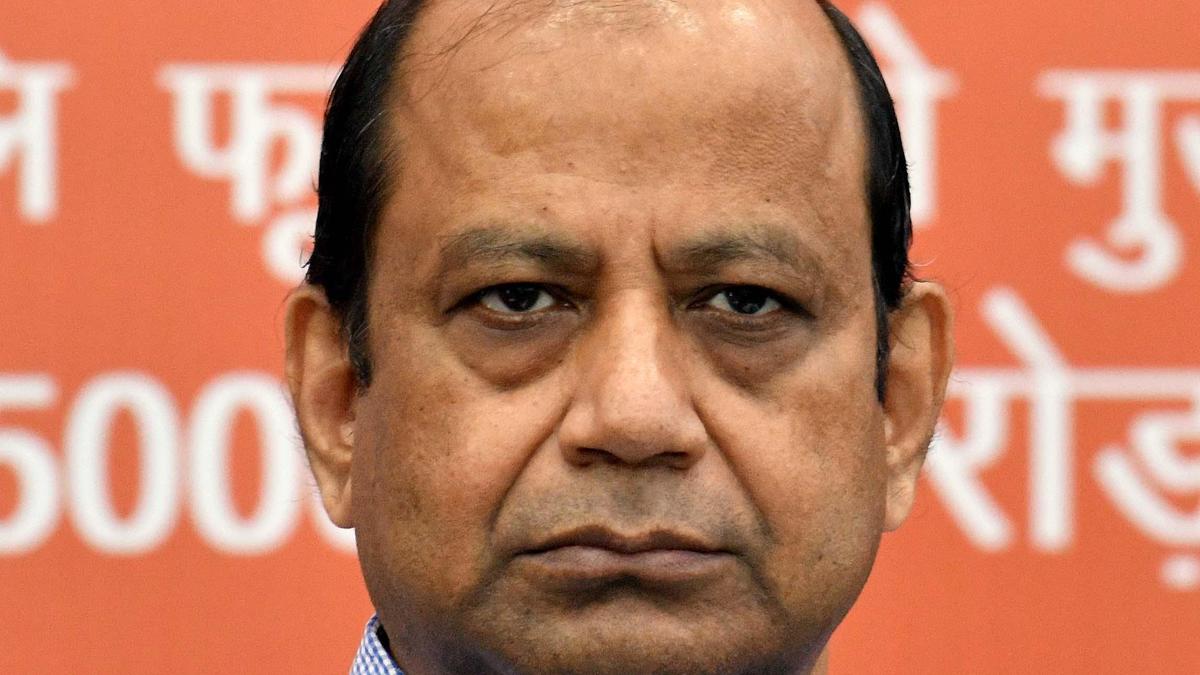
Around 70 per cent of the world’s ricebran oil potential remains untapped and that needs to be explored, according to BV Mehta, Executive Director of the Solvent Extractors’ Association of India (SEA).Presenting India country report at the ‘International Conference on Rice Bran Oil 2026’ in Bangkok on Thursday, he said there is a potential for around 8 million tonnes (mt) of rice bran oil in the world. However, the current global ricebran oil production stands at 2.4 mt. There is still scope to produce another 5.55 mt of ricebran oil across the globe, he said.“Important that the world is made aware of the huge potential of untapped opportunity of 5.55 mt of rice bran oil, which needs to be fully explored,” he said.Major producersStating that India and China are the major ricebran oil producers in the world, he said India’s production stands at around 1.1 mt and China’s at 0.74 mt.Despite being the major producer of ricebran oil India’s potential is still to be tapped. There is a potential to produce a total of 2.3 mt in India. Indian efforts are relatively better, but still a lot needs to be done.Mehta said India is estimated to produce around 230 mt of paddy and 154 mt of rice in 2025-26. This translates into an estimated 13.1 mt of ricebran, with the potential to produce nearly 2.3 mt of ricebran oil.India is currently producing only around 1.10 mt of rice bran oil, leaving an estimated 1.20 mt of untapped potential.Need for R&DStating that the opportunity has grown significantly over the past decade, he said ricebran oil potential has risen from 1.6 mt in 2016-17 to 2.3 mt in 2025–26. Yet, actual rice bran oil production has increased much more slowly, from around 0.98 mt to 1.10 mt. India is generating more rice bran, but a substantial part of its oil potential is still waiting to be unlocked.Unlocking this potential will require a coordinated value-chain approach, beginning with better economics for ricebran extraction and processing. Bringing de-oiled ricebran under 5 per cent GST and rationalising the GST on ricebran fatty acid distillate from 18 per cent to 5 per cent can help address tax distortions and the inverted tax structure, he said.He also stressed the need for greater research and development support for low-lipase paddy varieties, stronger and modernised rice-milling infrastructure, and incentives for bran stabilisation at rice mills. These steps can help increase the quantity and quality of bran available for oil extraction, he said.Value-added products from ricebran and ricebran oil can help farmers receive better prices without raising the price of paddy, he said, adding, increase in the production of ricebran oil in India will reduce the country’s dependence on imported edible oils.Published on August 13, 2026
70% of global ricebran oil potential remains untapped: SEA
Around 70% of global rice bran oil potential remains untapped, highlighting opportunities for increased production and innovation.
456 words~2 min read