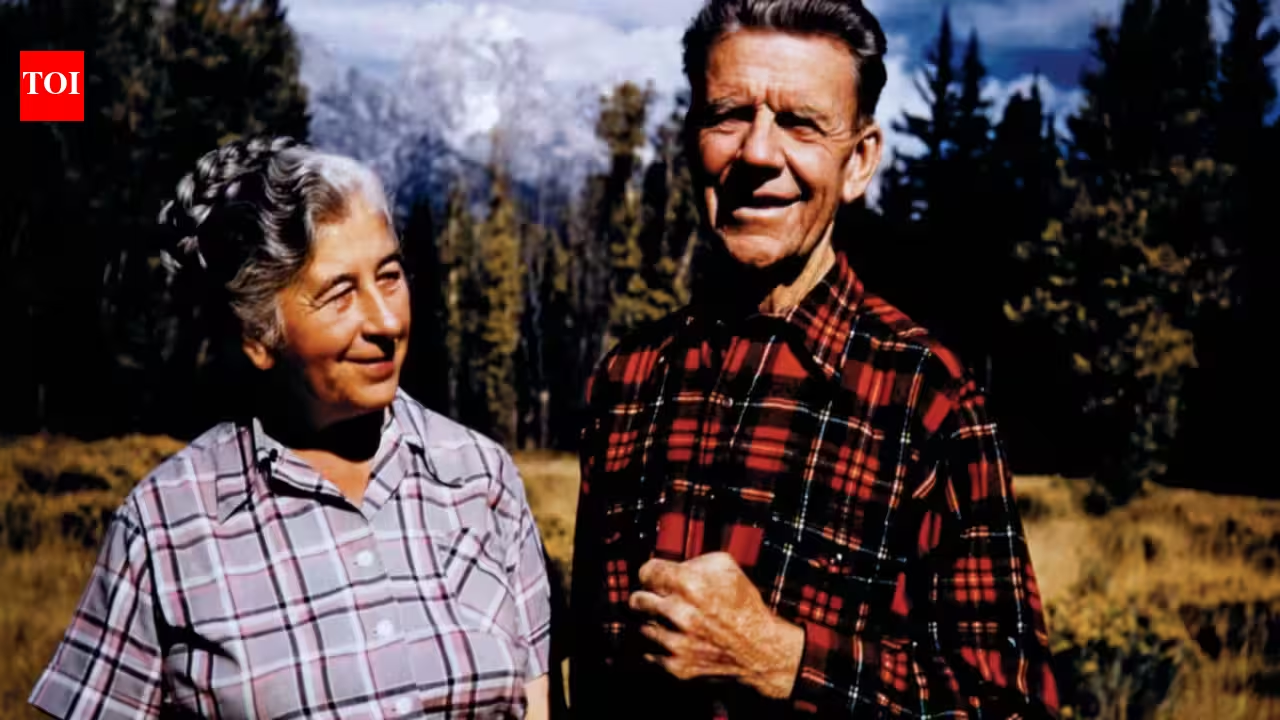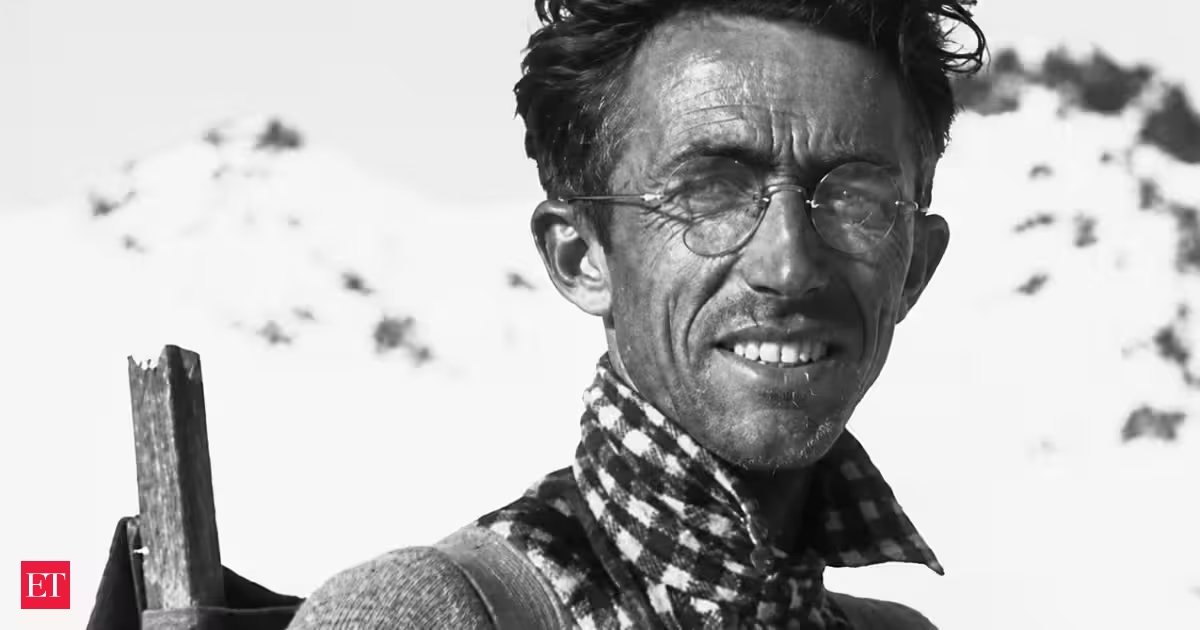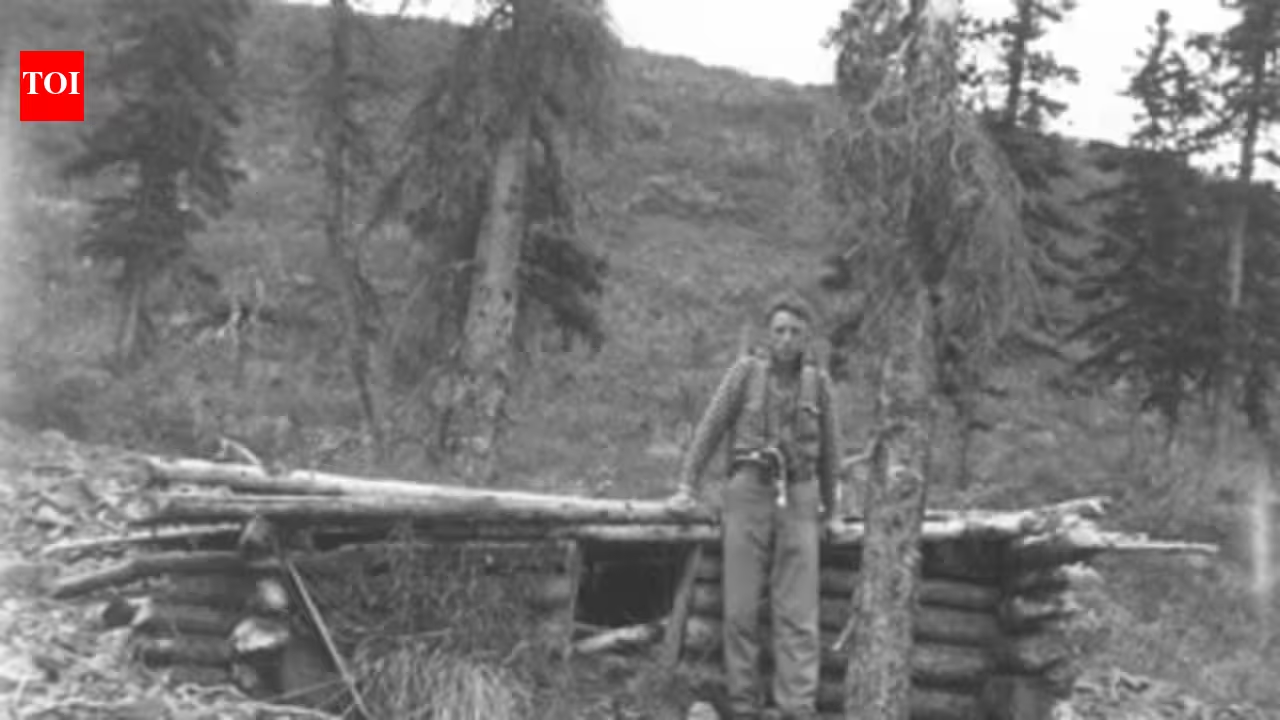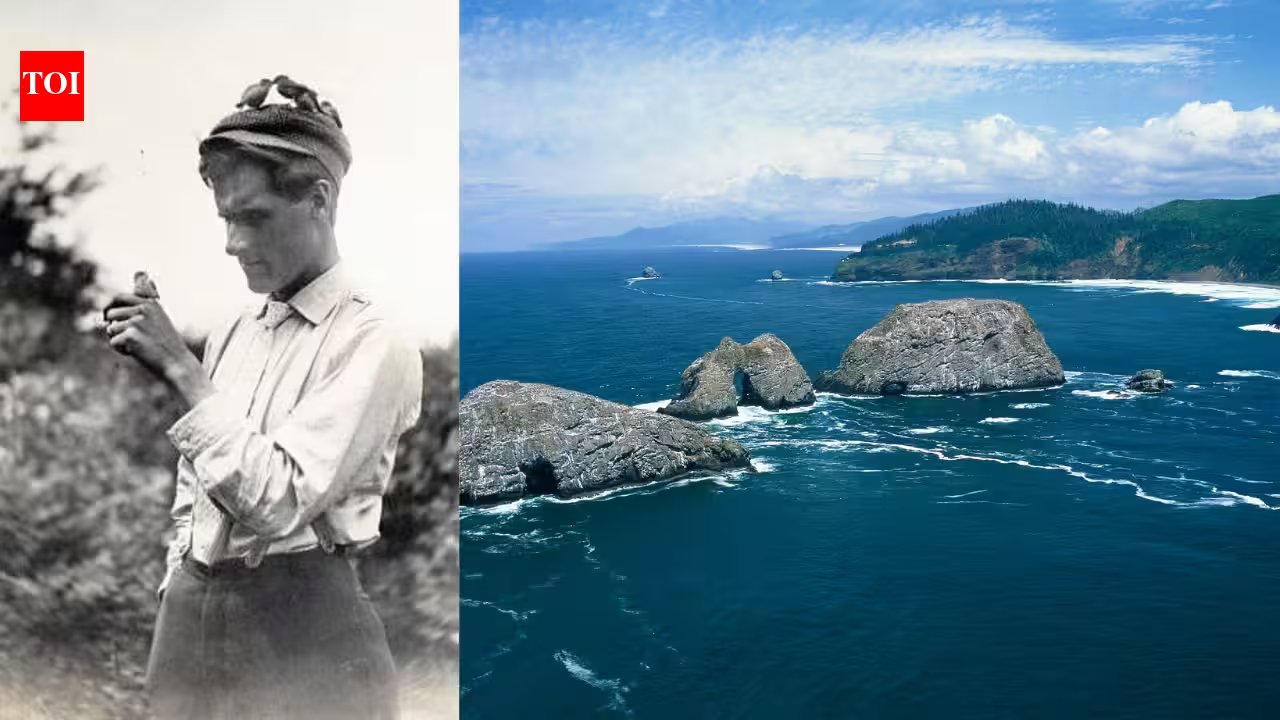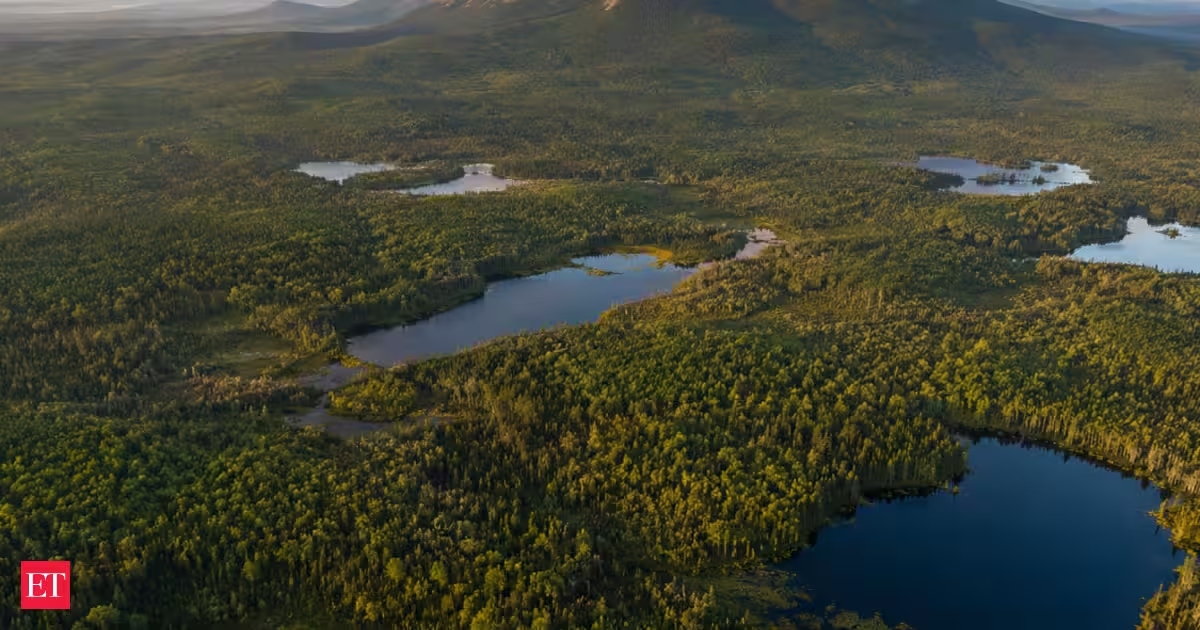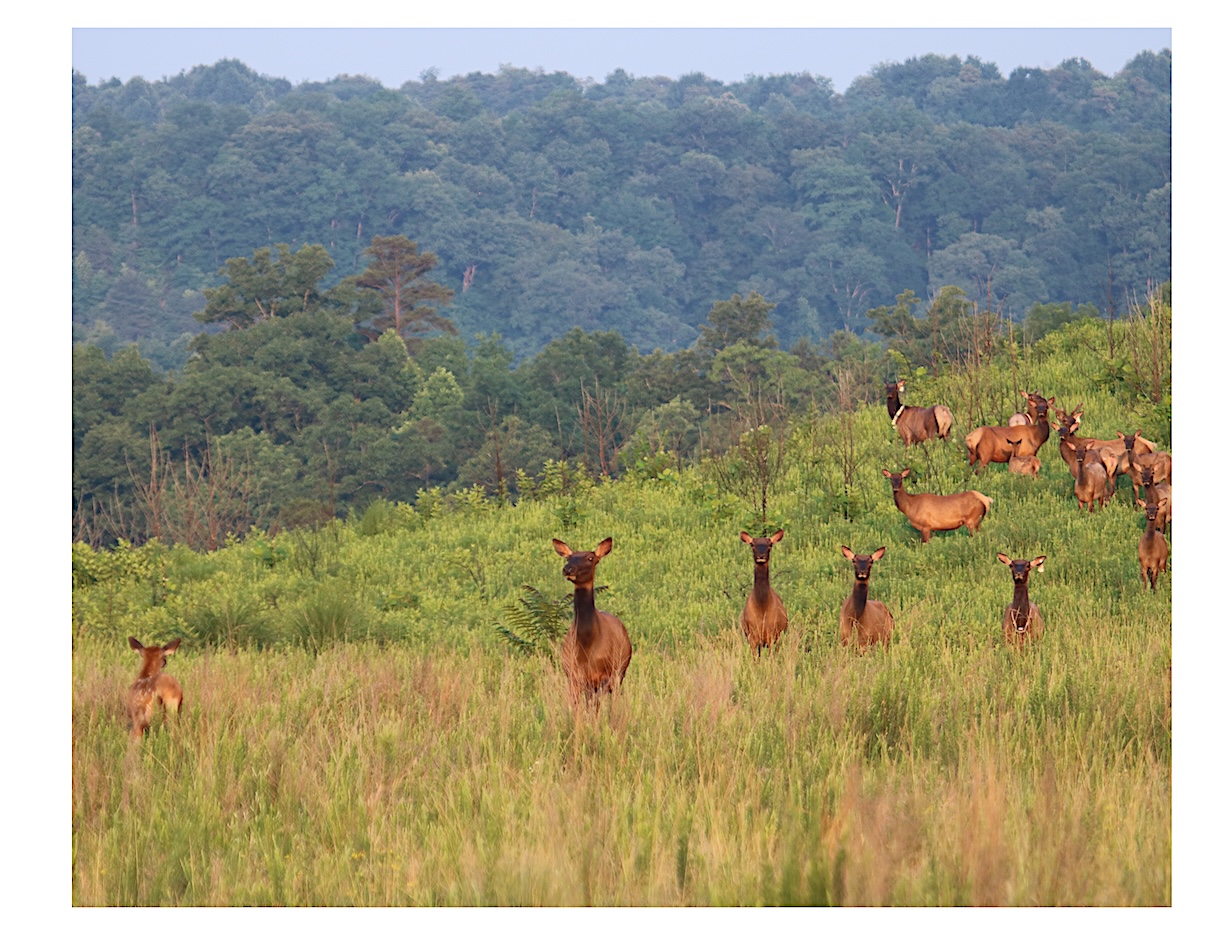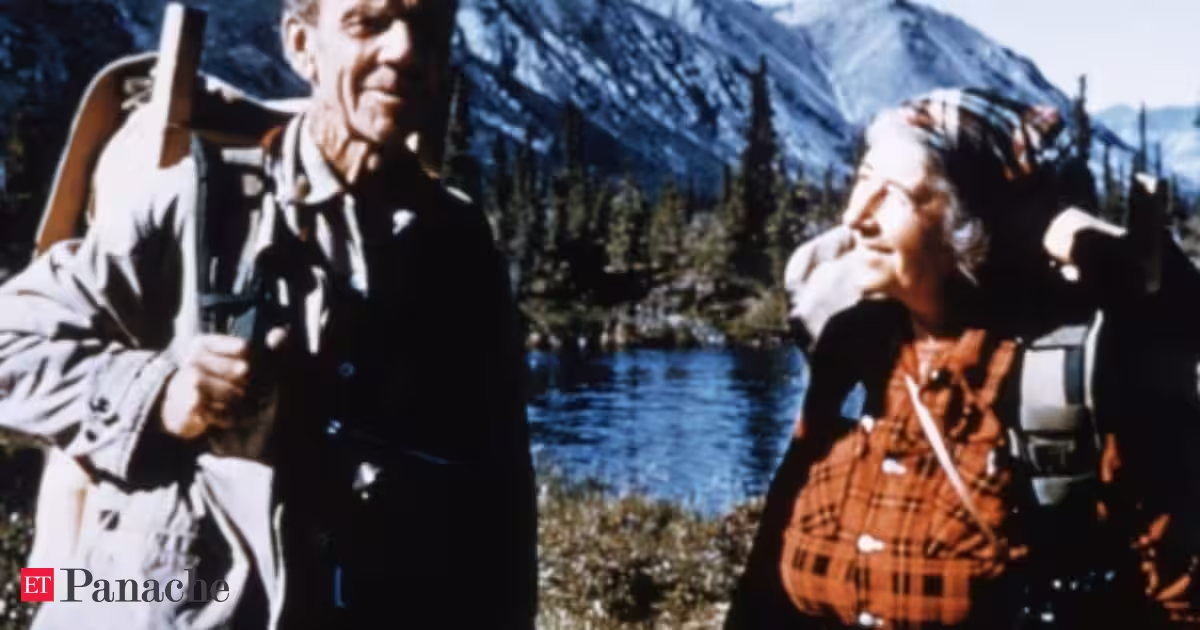
What if a place you loved was about to disappear not because someone wanted to destroy it, but because nobody thought it was important enough to protect? For Olaus and Mardy Murie, that question became a lifelong quest. The couple spent decades travelling through some of America’s harshest landscapes, studying animals, researching nature and trying to convince people in Washington that wilderness was worth protecting. Their work reached far beyond their own lives and helped shape the future of Alaska’s vast natural areas.Their journey to Alaska's wildernessOlaus Murie was an accomplished wildlife biologist when his connection with Alaska began to grow. He worked for the U.S. Biological Survey. He studied animals in remote parts of the country and developed a deep understanding of how wildlife survived in the wild. Mardy Murie shared that fascination. The couple got married in 1924, and their honeymoon was anything but conventional. Instead of heading to a resort, they travelled into Alaska’s Brooks Range as part of a scientific expedition. Mardy helped collect information about small mammals while Olaus continued his wildlife research. That trip became the beginning of a partnership that would last for decades.Olaus Murie and Mardy Murie's extravagant worksOlaus became particularly famous for his studies of elk in Wyoming. His work earned him the nickname “Mr. Elk,” but his ideas went much further than studying one species. At the time, killing predators was often viewed as a practical way to protect animals that people wanted to hunt. Olaus particularly didn't agree with this approach.Olaus believed predators, prey, plants and their surroundings were all connected. Remove one part of the system, he argued, and the consequences could spread throughout the ecosystem. That idea was not universally welcomed. But Olaus continued his research and went on to become one of the initial voices for what we now recognise as ecosystem-based conservation. His books, including The Elk of North America and Alaska-Yukon Caribou, became important references for wildlife scientists.Mardy Murie took fight furtherMardy was more than Olaus' research partner. After he died in 1963, she became an influential conservation advocate in her own right. Mardy wrote, travelled and met with multiple political leaders to argue that Alaska's wildlife needed permanent protection. In Mardy's book Two in the Far North brought the couple's experiences in Alaska to readers who might never have seen the Arctic themselves. She understood something that numbers and scientific reports could not always achieve: people had to care about these places before they would fight to save them. Mardy ended up spending years making that case.Murie's work helped protect millions of acres under conservation actThe Muries were part of a much larger conservation movement, but their influence was significant. Their research helped build support for protecting Alaska's wildlife and wilderness. Their efforts contributed to the campaign that eventually led to the Alaska National Interest Lands Conservation Act of 1980. The historical landmark law protected huge areas of Alaska by expanding national parks, wildlife refuges and wilderness areas. The Arctic National Wildlife Refuge also became part of this larger conservation story. For Mardy, the work did not stop when Olaus died. She continued pushing for wilderness protection well into old age.The highest honours came laterThe Muries' contribution eventually received national recognition. Olaus was awarded the Audubon Medal for his work in wildlife science and conservation. Mardy later received the Presidential Medal of Freedom in 1998, one of the country's highest civilian honours. Their Wyoming home, the Murie Ranch, was also designated a National Historic Landmark in 2006 because of the family's importance to wildlife science and the American conservation movement.Their story is bigger than AlaskaIt would be an exaggeration to say Olaus and Mardy Murie saved the Arctic alone. Protecting Alaska required years of work from many scientists, activists, lawmakers and ordinary citizens. But the Muries helped change the conversation. They showed that wildlife could not always be understood by looking at one animal at a time. They argued that entire landscapes mattered. And they proved that conservation was not simply about locking away land it was about understanding why those places mattered in the first place. Perhaps that is the most lasting part of their story. They spent their lives speaking for places that had no voice of their own. And because they refused to stop, millions of acres of wild America remained protected for people and wildlife they would never meet.
In 1924, a couple travelled miles by boat to study Alaska's wildlife on their honeymoon. 18 years later, they reshaped 8.9 million Arctic acres for ecological conservation
Olaus and Mardy Murie dedicated their lives to protecting America's wild landscapes. Their research and advocacy significantly influenced conservation efforts in Alaska. The couple's work was instrumental in the passage of a landmark conservation act. This legislation preserved millions of acres of vital natural areas. Their enduring legacy continues to inspire environmental protection movements.
730 words~3 min read