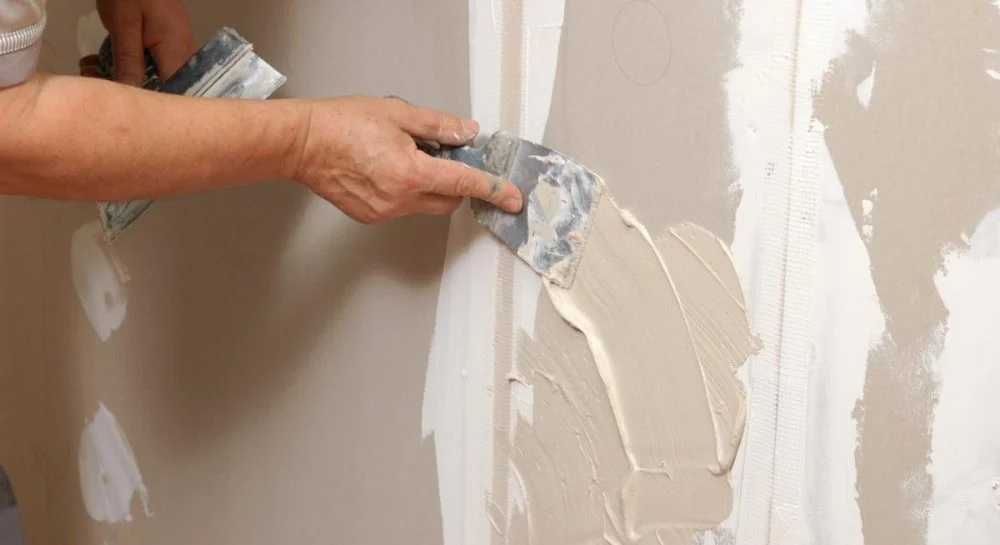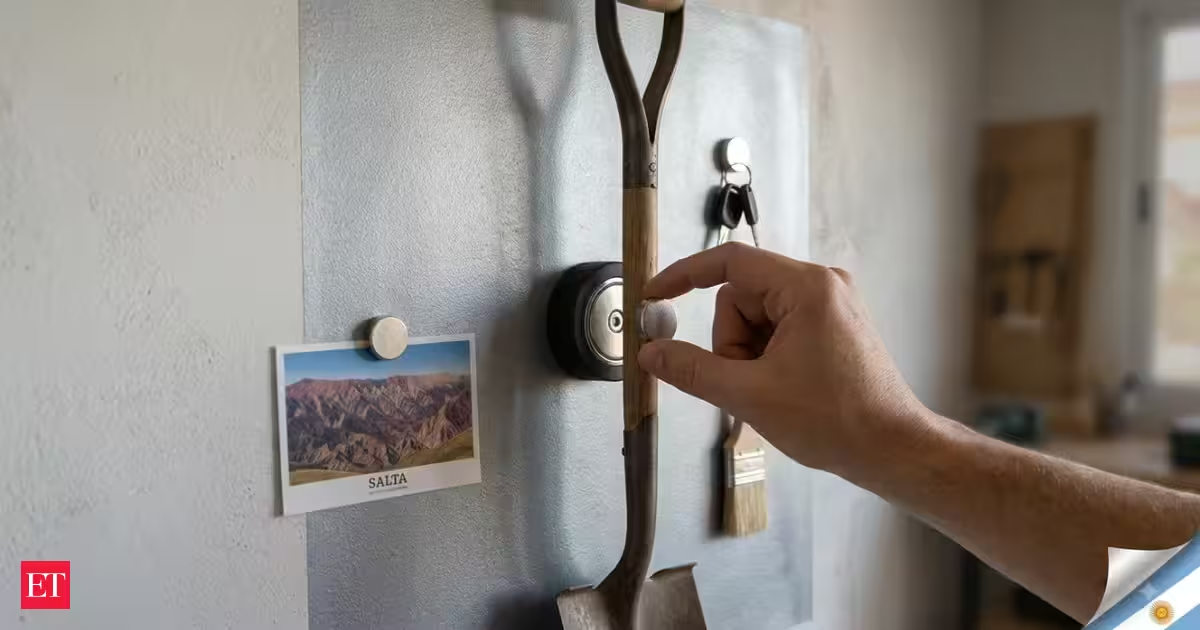
For anyone who has ever had to patch a wall before moving out, the idea behind Ironplac is easy to understand: what if you could hang things without drilling into the wall?Ironplac is a magnetic cement finish developed by a 29-year-old student in Salta, northern Argentina, as per a report. The material looks and feels like ordinary plaster, but mineral and ferrous fillers are mixed throughout it. Once the finish dries, a magnet can grip the surface.The wall itself does not generate a magnetic field. The magnet provides the holding force. That distinction matters. Ironplac is not a magnetic wall that attracts objects by itself. It is a wall finish that gives a magnet something to grip.One of the project's demonstrations shows exactly what that means: a shovel hanging flat against the wall, held in place by a flat disc magnet.A wall designed to avoid drillingPutting something on a masonry wall can mean reaching for a drill, the right bit, an anchor and a screw.You Might Also Like:For renters, there is an additional problem. Once the object comes down, the hole remains. According to The Pulse report, around 45 million American households rent. For those households, changing where shelves, tools, or other objects are placed can also mean patching, sanding, and repainting the wall later.Ironplac is designed around avoiding that process. The finish arrives as a powder that is mixed with water and applied with a trowel, much like fine plaster. Once it dries, it has the appearance of a conventional wall.The difference is in what has been mixed into the material.The magnet, not the wall, does the workIronplac does not pull keys or tools toward the wall and does not create its own magnetic field. Instead, the ferrous material distributed through the finish gives a magnet a surface to grip.You Might Also Like:Magnetic surfaces are not new. Thin magnetic paints are already used for lighter objects such as paper and frames.The Ironplac concept takes that basic principle and incorporates it into a plaster-like wall finish, with the shovel demonstration showing the kind of object the developers are trying to hang.However, the demonstration does not establish a standardized load capacity.A 29-year-old developer wants walls to be more flexibleThe developer is a 29-year-old student from Salta who has studied architecture, engineering, biomedicine and electronics before moving into design.You Might Also Like:His argument is that walls could be made more useful and easier to reconfigure. He told an engineering association that, “Walls today are not functional,” as quoted by The Pulse.He describes the concept as “interactive walls” and says people could configure walls to suit their own style without damaging the space they live in.There are working prototypes and installations in real buildings. Versions are also being developed for wet plaster and dry panel construction.A patent application is moving through the international system. Ironplac is not currently available as a commercial product.The biggest unanswered question is how much weight it can holdThe shovel demonstration is striking, but there is an important limitation to what has been publicly shown.No standardized shear or pull-out testing has been published. That means there is not enough information to establish exactly how much weight the finish can safely hold or how long it can support a load.That matters because a wall fixing needs to withstand more than the initial attachment.The original material also provides no information about building-code compliance or the cost of Ironplac compared with alternatives such as a steel backing sheet or a screwed-on magnetic strip.For now, the claims rest on the project's demonstrations and the original interview rather than a published laboratory report.From a shovel on a wall to a construction ideaIronplac remains at the prototype stage. There is no commercial product yet, and questions about strength, durability, cost and building-code compliance remain unanswered.At the same time, the project has moved beyond a simple concept, with working prototypes, installations and a patent application underway.For renters, the appeal is straightforward. Instead of drilling a hole, installing an anchor and repairing the wall later, the concept is to place a magnet against the finished surface and hang an object.The shovel in Argentina shows what that could look like. Whether Ironplac can turn that demonstration into a reliable construction product will depend on testing and performance data that have not yet been published.
Earlier this year, a 29-year-old Argentine engineering student mixed iron fillers into ordinary plaster to create a magnet-friendly wall finish. Now it could appeal to 45 million U.S. renter households looking to hang objects without drilling holes
Discover Ironplac, an innovative plaster that allows renters to hang items without drilling holes, perfect for 45 million U.S. households. Explore its benefits and limitations.
716 words~3 min read