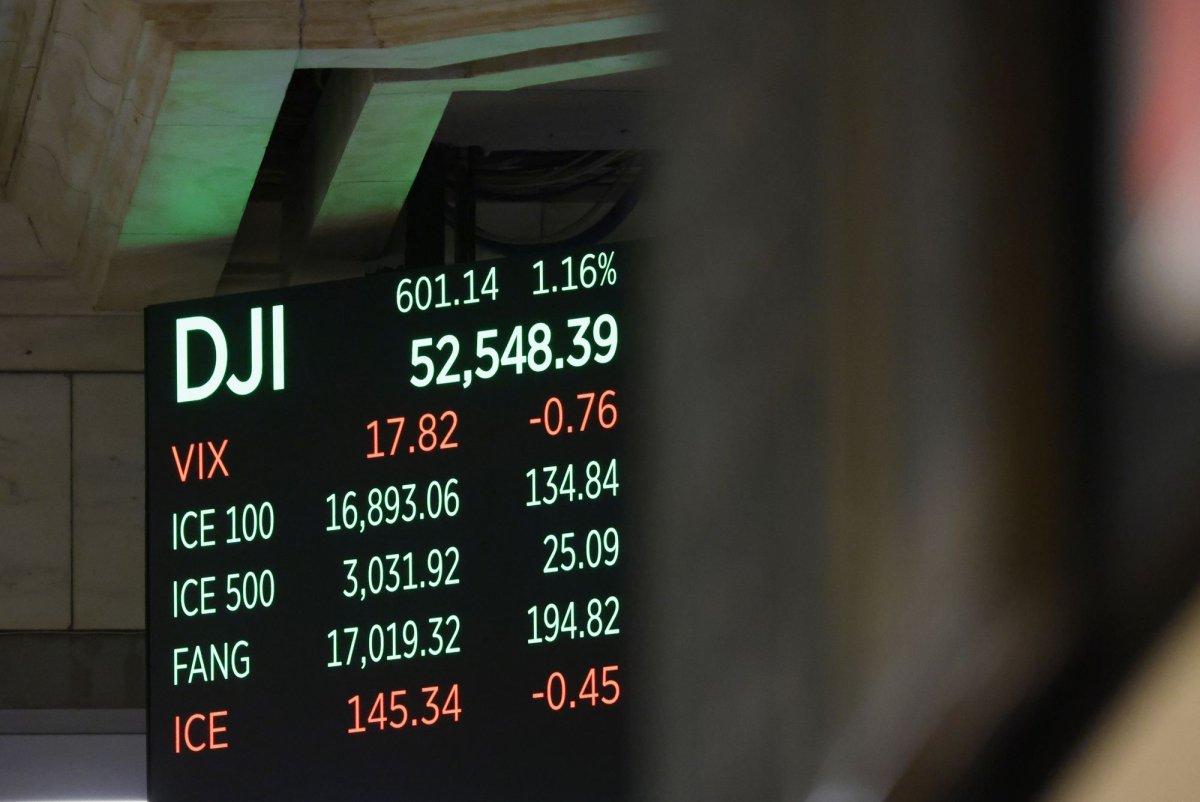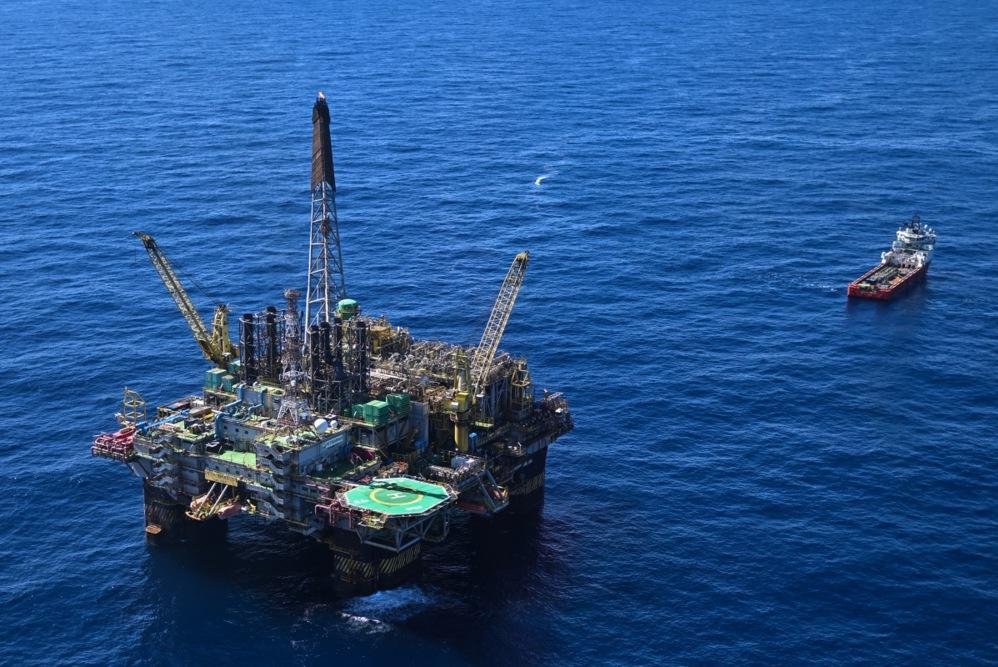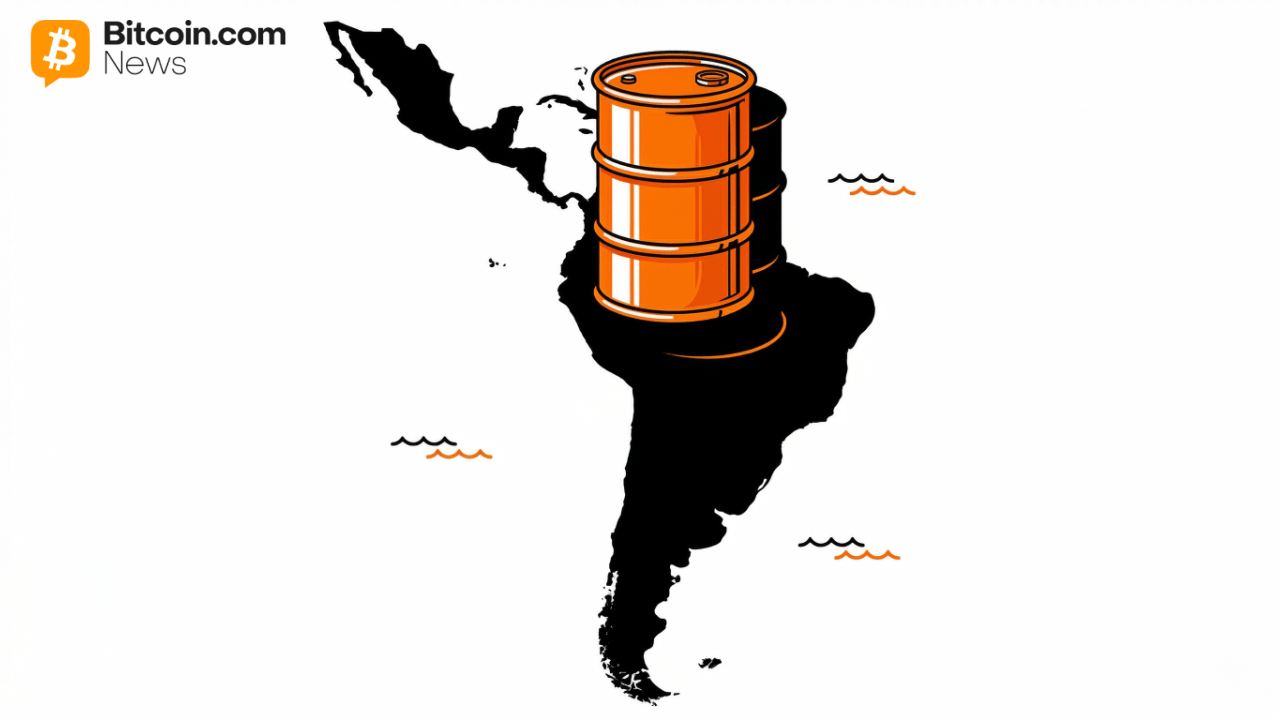
Renewed volatility in energy and commodity markets is again exposing a divide within Latin America. Exporters may receive a temporary lift from higher prices, while import-dependent economies face greater pressure on inflation and public finances. File Photo by Sebastiao Moreira/EPA
Aug. 13 (UPI) -- Renewed volatility in energy and commodity markets is again exposing a divide within Latin America. Exporters may receive a temporary lift from higher prices, while import-dependent economies face greater pressure on inflation and public finances.
The International Monetary Fund projected regional growth of 2.4% for 2026 in its July update, little changed from the previous outlook. The modest figure underscores a deeper problem: Latin America remains caught in what the Economic Commission for Latin America and the Caribbean calls a trap of low growth capacity.
The region has faced this test before. The commodity super cycle that supported much of Latin America's expansion early in this century began to weaken around 2014 as China's growth slowed. Prices for oil, metals and agricultural exports fell. Government revenue declined in countries that had treated the boom as a lasting source of prosperity.