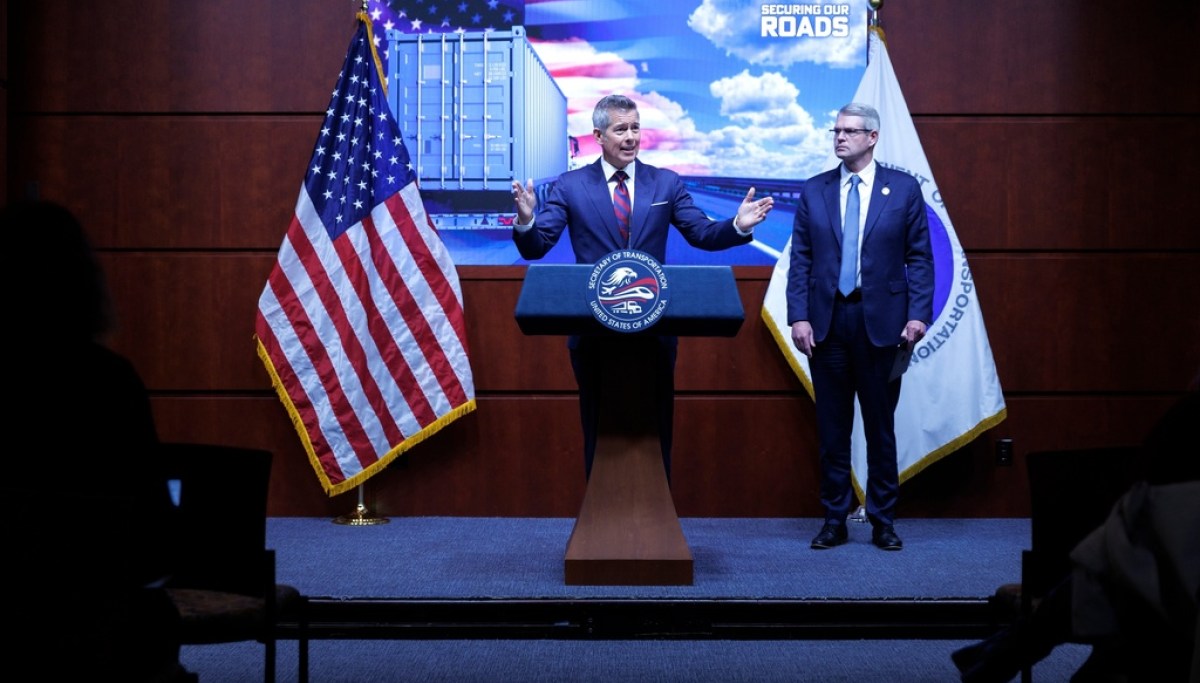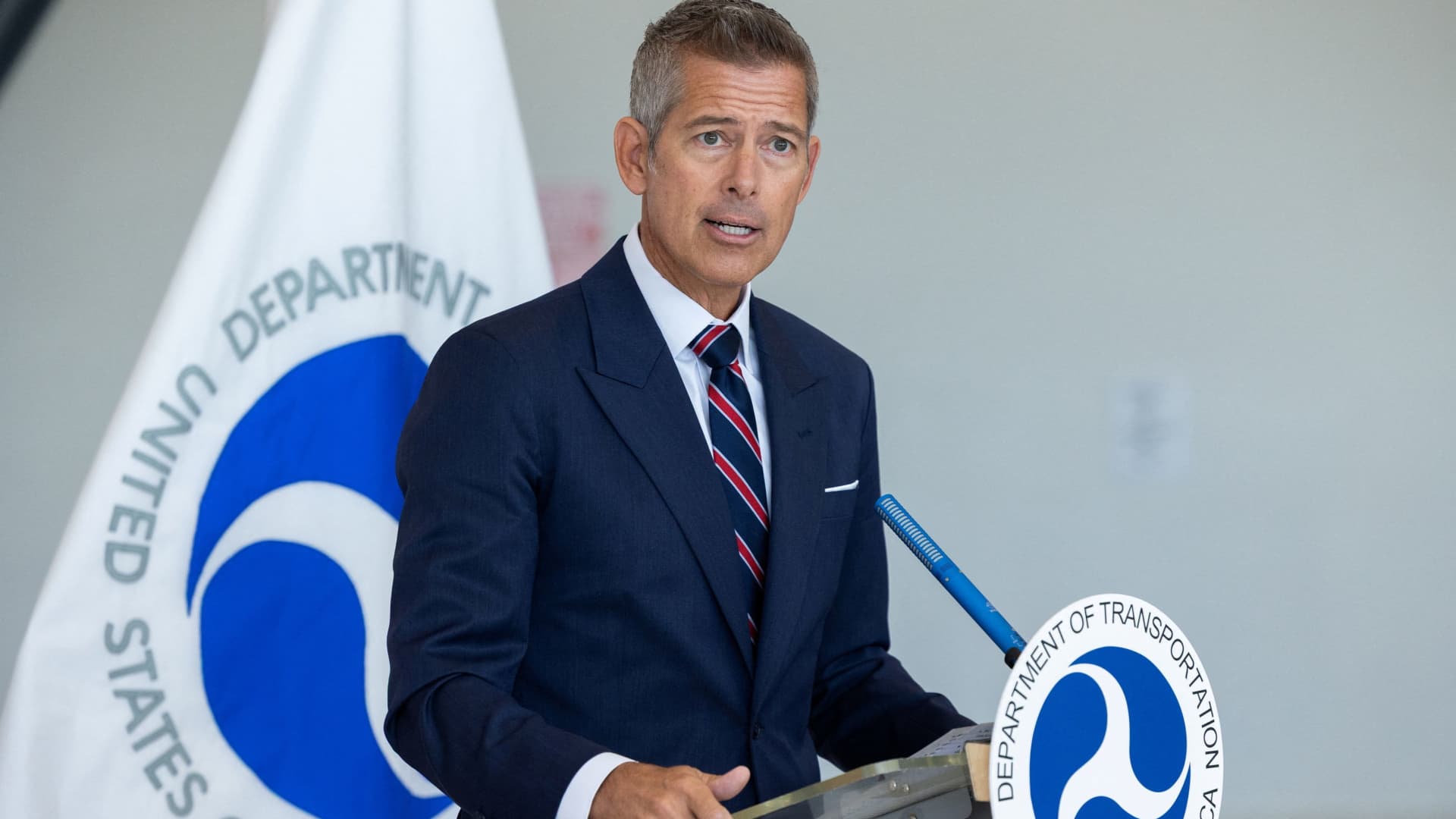
On Aug. 7, Transportation Secretary Sean Duffy announced a rule that never should have needed writing down: If you cannot read an English highway sign, you have no business piloting an 80,000-pound truck on an American interstate. Since Duffy’s crackdown began, more than 26,000 drivers have been pulled off the road for failing basic English proficiency checks. As a designated expert witness who testifies in court about whether someone met a duty of care owed to the public, I can tell you this one is not a close call.Federal law has required English proficiency for commercial drivers since 1937. That is not a typo. This is not some new invention dreamed up to score points; the requirement predates the modern interstate system and survived every administration until 2016, when the Obama Department of Transportation quietly instructed roadside inspectors to stop issuing out-of-service citations for failing the standard. Citations only, no consequences, and the trucks kept rolling.In the early 1990s, I earned my California EMT certification after years working in private security. You learn fast that safety rules written in blood get diluted by people who never had to sweep up after the wreck. The 2016 memo is a case study in that gap. Inspectors logged 410 English-proficiency violations in fiscal 2024 alone under the watered-down standard, a number that was well below the reality because inspectors were told that citations, not out-of-service orders, were the ceiling. Investigators later tied fatal crashes in Florida and Colorado to drivers who could not read warning signs or communicate with police at the scene. EMTs and cops work those scenes. Bureaucrats just write the memos.
26,000 truckers can’t read signs. Why are they driving 80,000-pound missiles?
Enforcing English proficiency for commercial truckers restores a vital safety standard that keeps dangerous big rigs off the road.
714 words~3 min read