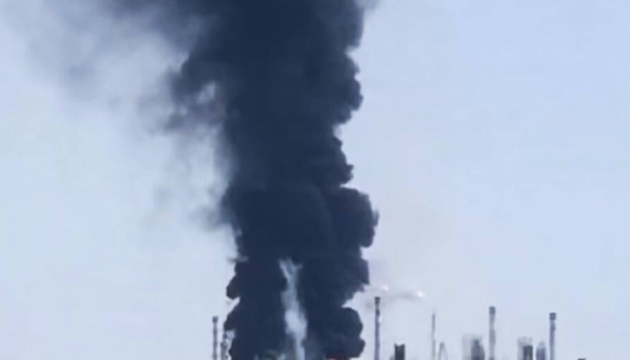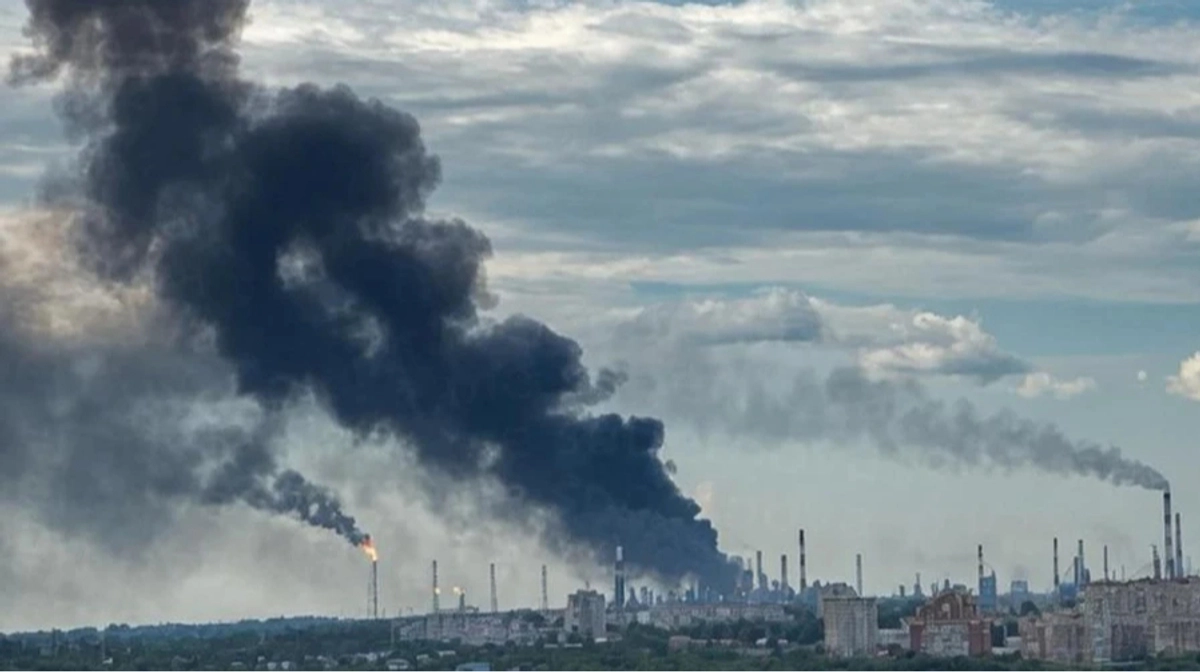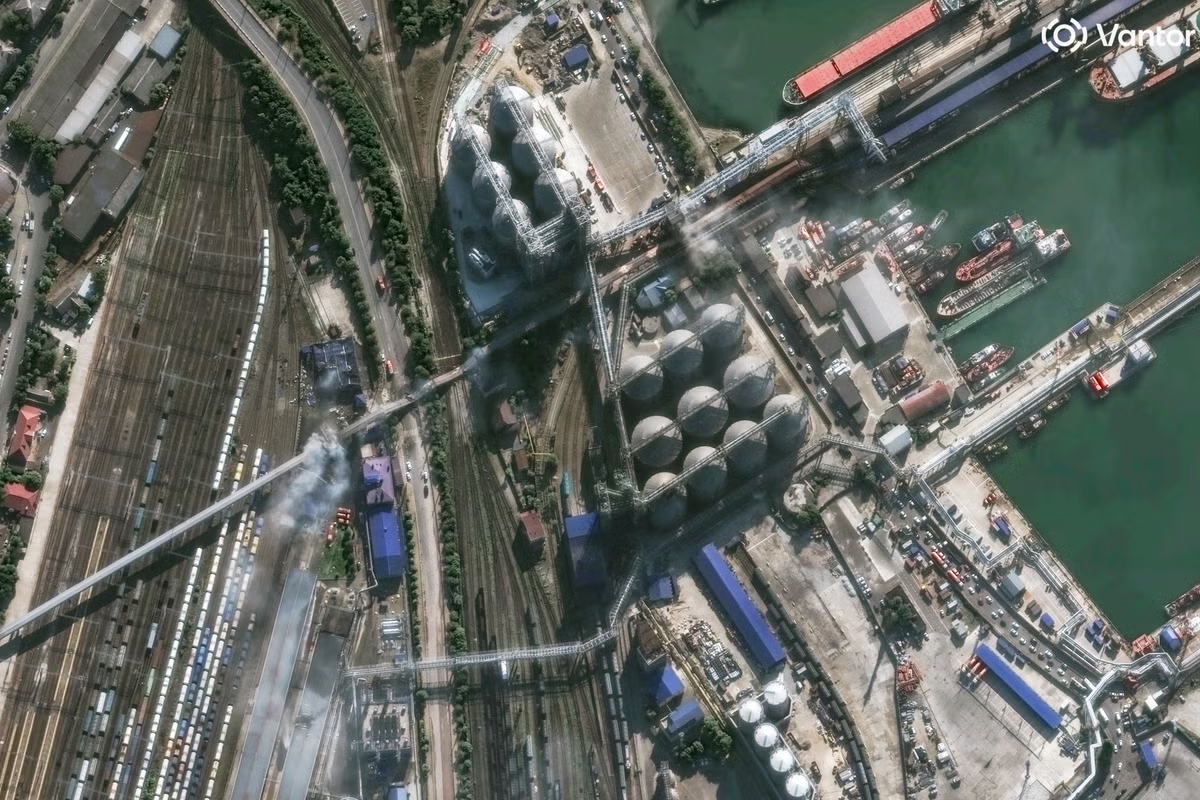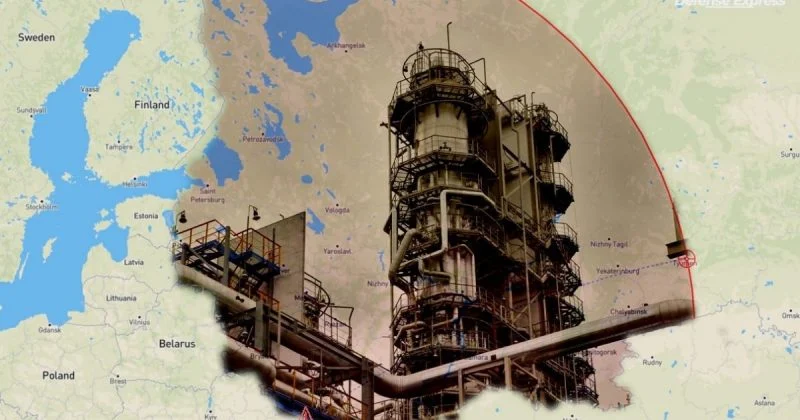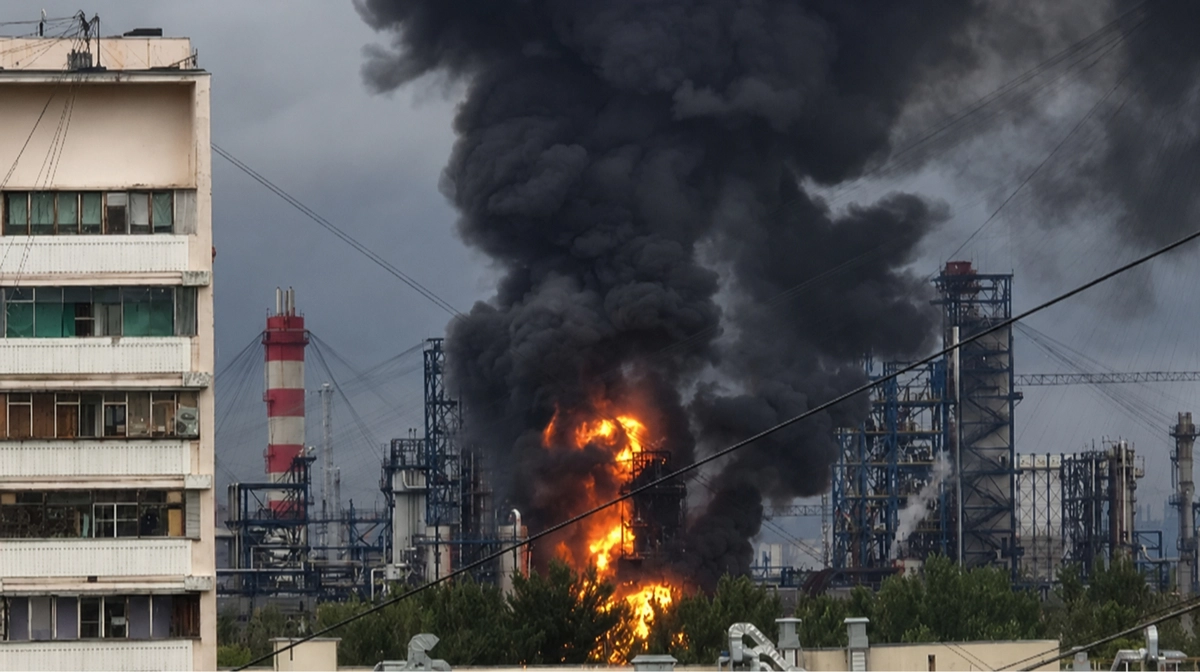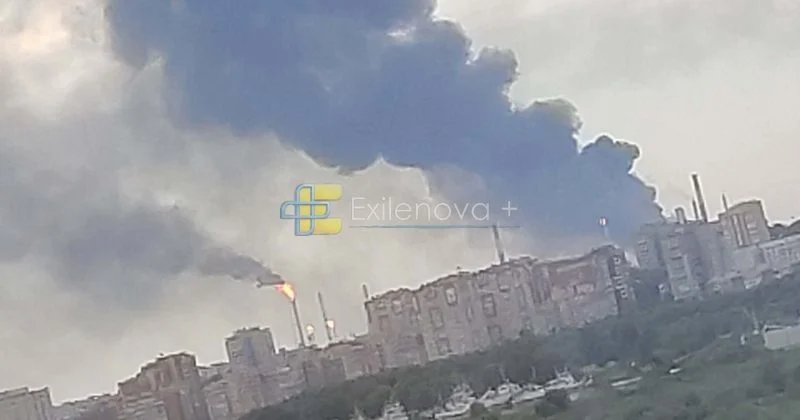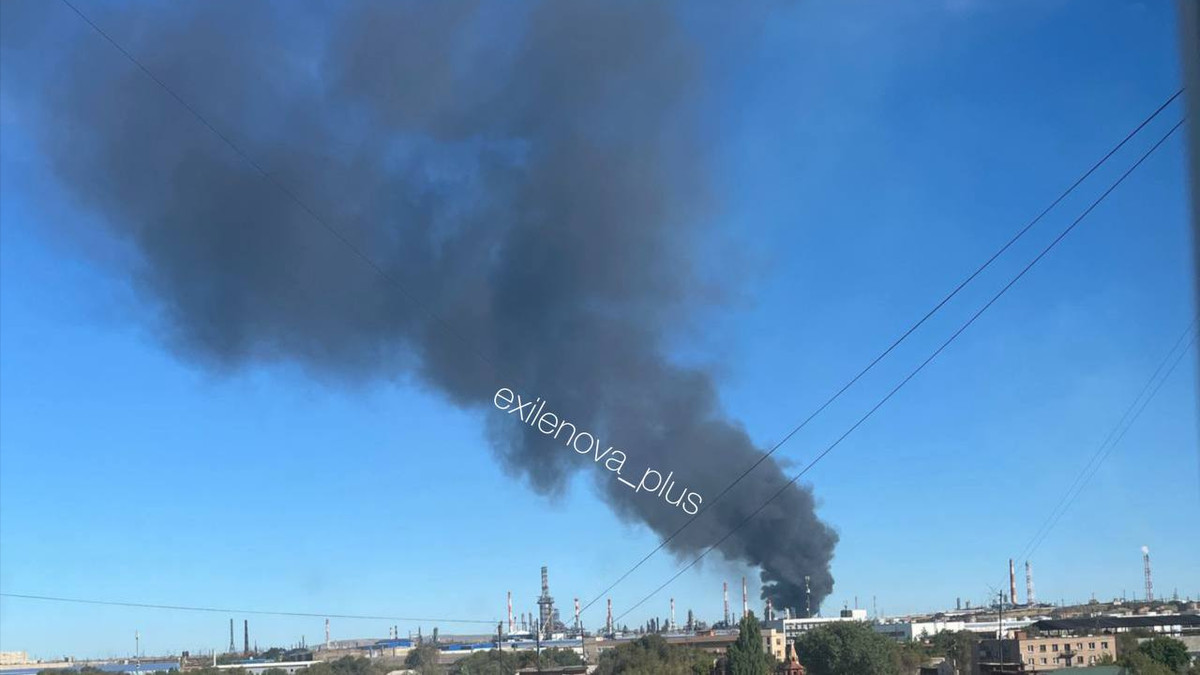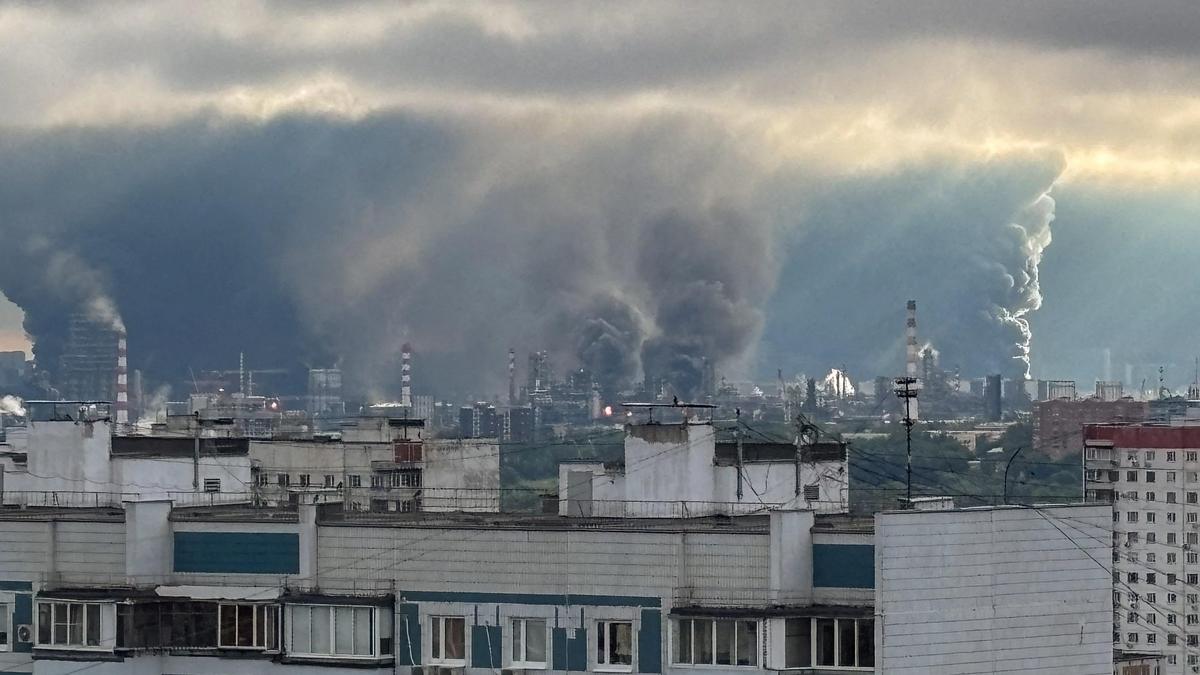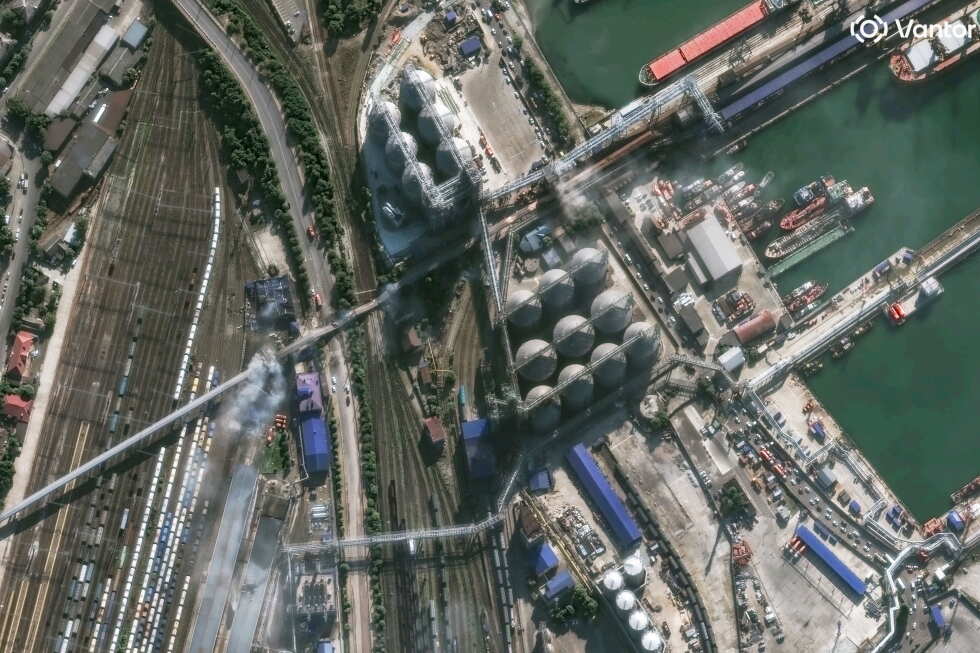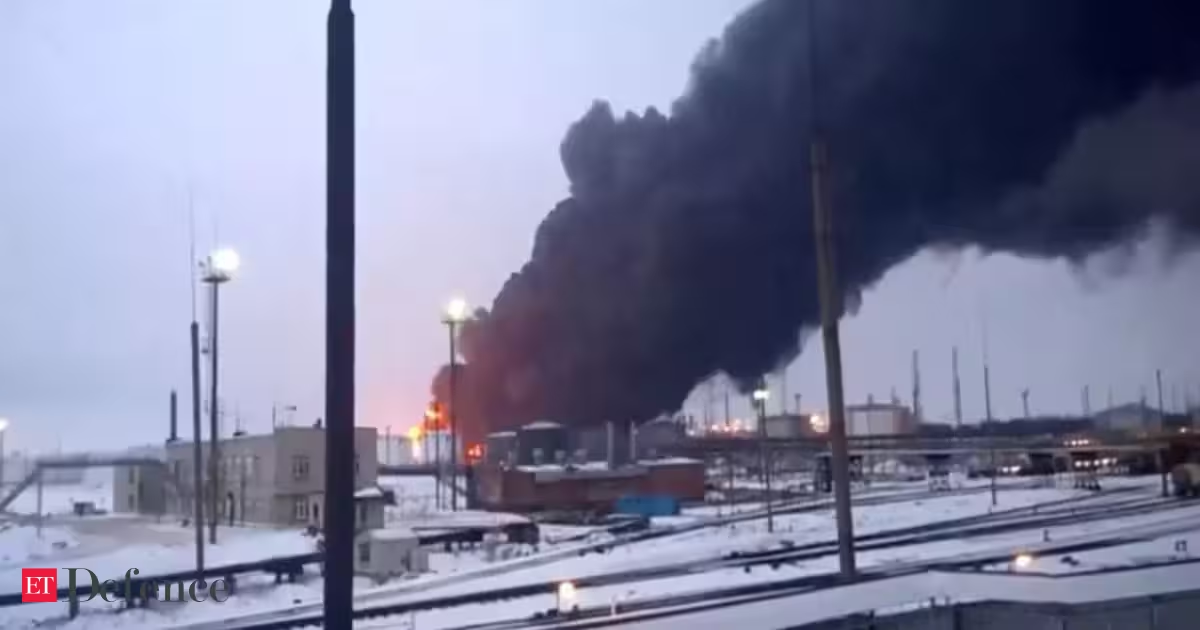
Ukrainian drones hit the Tyumen oil refinery on July 25, sparking a fire and forcing a complete shutdown of one of Russia’s largest privately held refining facilities. The plant, located roughly 2,000 kilometers from Ukrainian territory, processes approximately 151,000 barrels per day, making the strike one of the most consequential energy infrastructure attacks of the war to date.
The hit knocked out critical processing units, including a diesel hydrotreating unit with an annual throughput of 2.6 million metric tons and a high-octane gasoline production unit. Losing both simultaneously doesn’t just dent output. It effectively cripples the refinery’s ability to produce the finished fuels that supply western Siberia and the broader Urals region.
A pattern, not a one-off
This wasn’t the Tyumen refinery’s first encounter with a Ukrainian drone. The facility was previously struck in late June, making the latest attack the second in roughly five weeks.
The Tyumen strike fits into a broader wave of attacks across the Urals in June and July. Facilities in Ufa, Salavat, and Omsk have all been targeted during the same period. Ukrainian Special Operations Forces have publicly claimed responsibility for the systematic targeting of Russian energy assets, framing it as a deliberate strategy rather than opportunistic strikes.