Show Caption
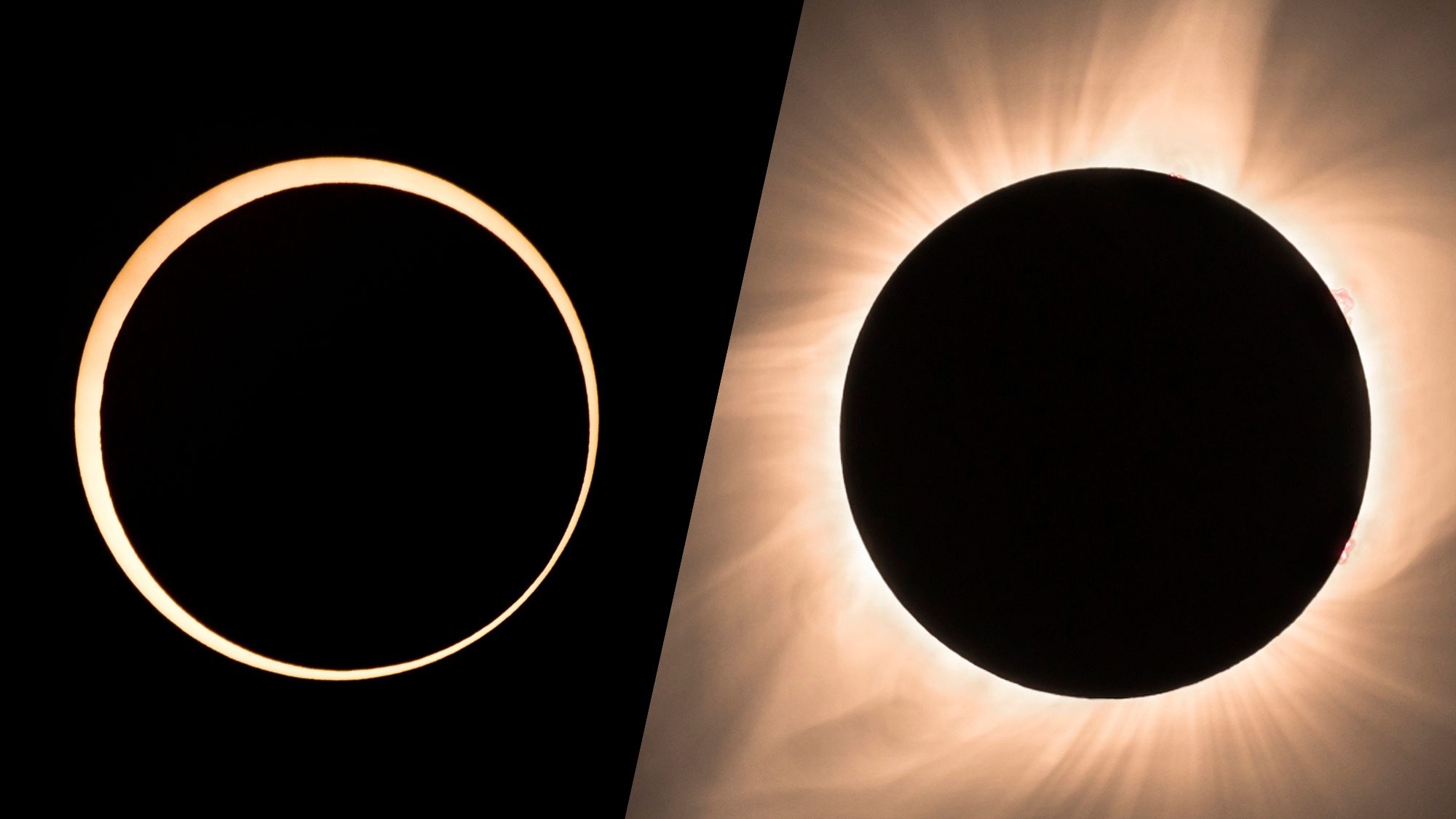
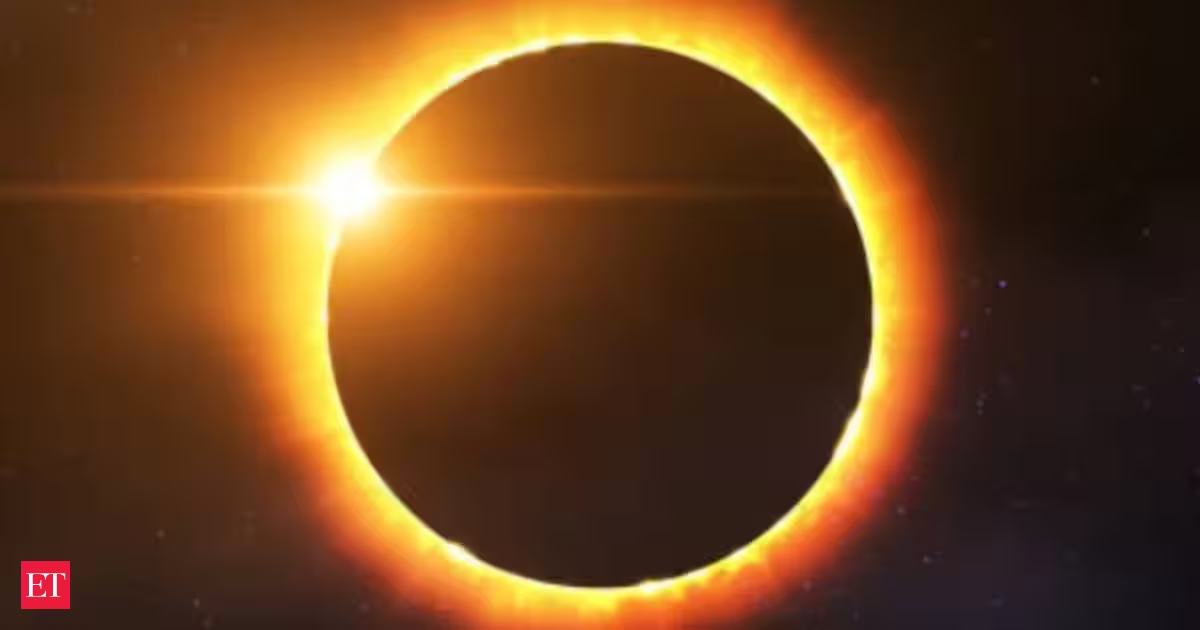
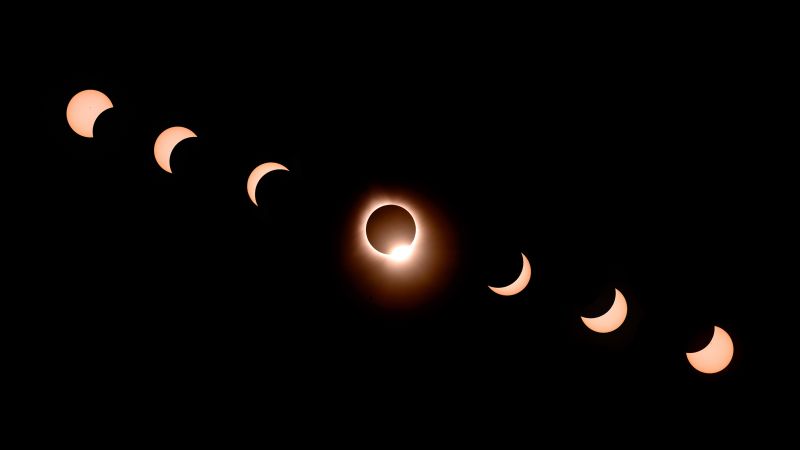
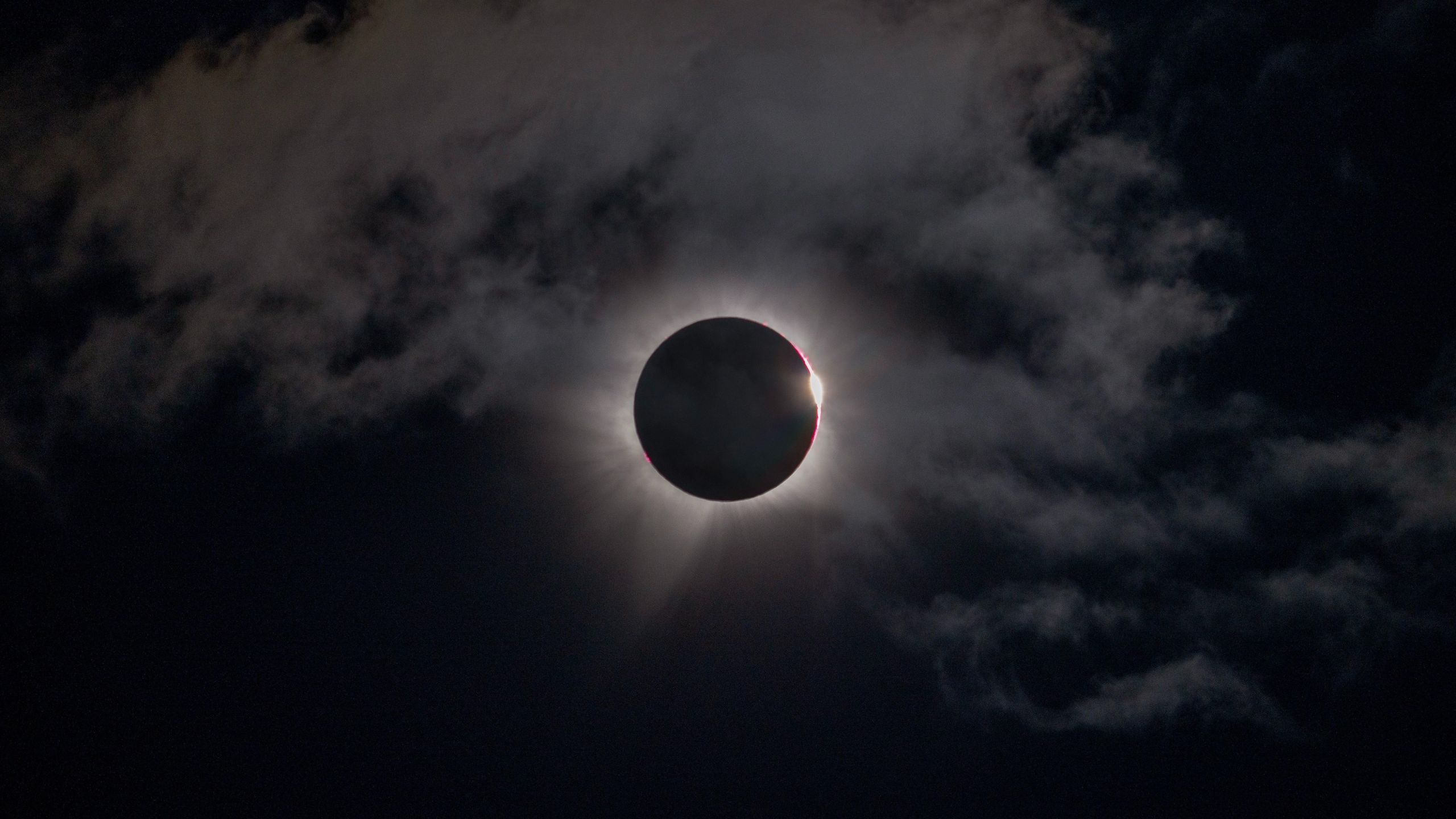
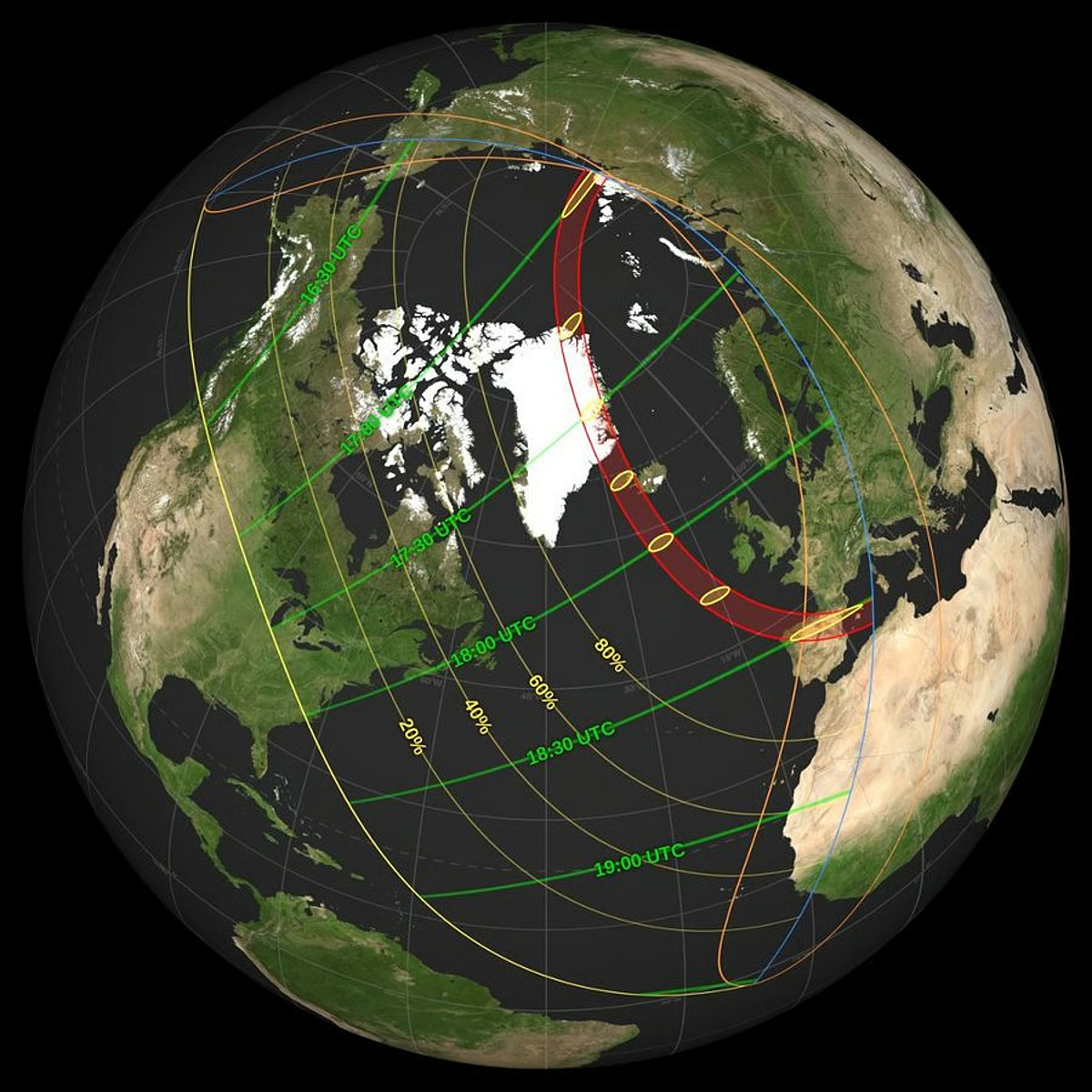
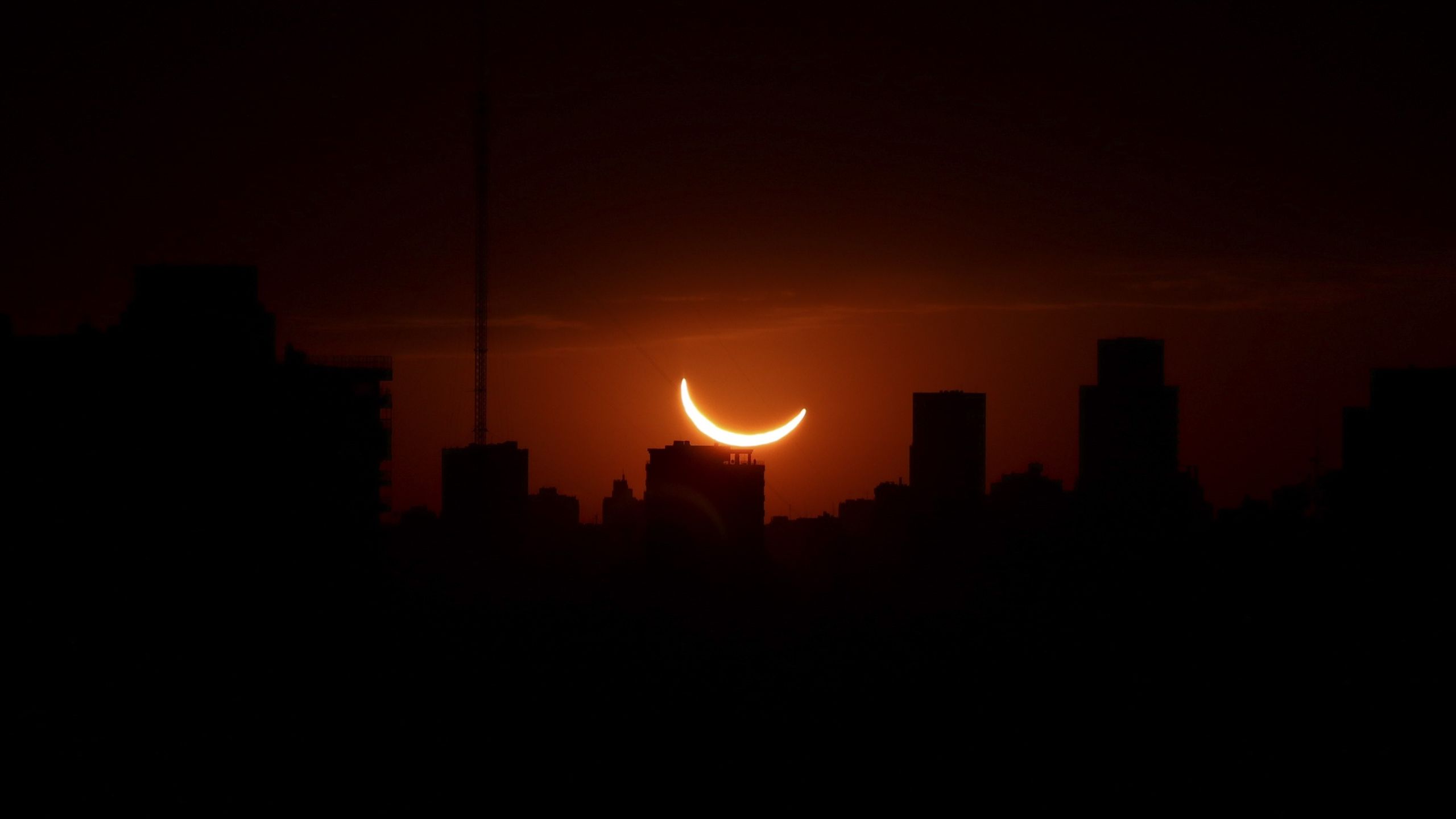
A total solar eclipse moved across much of Europe on Wednesday, Aug. 12. And for those who missed it, no need to fret. Another is on the calendar for next summer and it's expected to be even more mesmerizing – if you are in its path.Lasting up to six minutes and 23 seconds, another total solar eclipse is happening Aug. 2, 2027, according to NASA. The total solar eclipse, in which the moon moves perfectly between the sun and Earth, effectively casting a shadow on Earth, will be one of the longest in several decades.The total solar eclipse in April 2024 lasted four minutes and 28 seconds at its peak. The solar eclipse of 1991, however, lasted six minutes and 53 seconds. Space.com reports that the solar eclipse on Aug. 2, 2027, will be the longest eclipse totality until 2114.The eclipse will be visible in parts of Africa, Europe and the Middle East. However, the vast majority of the United States won't have a view of it.Here's what to know about the solar eclipse expected on Aug. 2, 2027.Will the Aug. 2, 2027, solar eclipse be visible in the US?A partial solar eclipse will be visible in parts of Maine between 5:14 and 5:19 a.m. ET on Aug. 2, 2027, according to Time and Date. Unfortunately, this may be the only view of the phenomenon in the United States.Where will the solar eclipse on Aug. 2, 2027, be visible?The solar eclipse's path of totality will cross over parts of Africa, Europe and the Middle East, according to National Eclipse and NASA.Parts of the following countries are within the path of totality.SpainMoroccoAlgeriaTunisiaGibraltarLibyaSudanEgyptSaudi ArabiaYemenSomaliaOther countries in Africa, Europe and the Middle East will have a partial view of the eclipse.Greta Cross is a national trending reporter at USA TODAY. Story idea? Email her at gcross@usatoday.com.