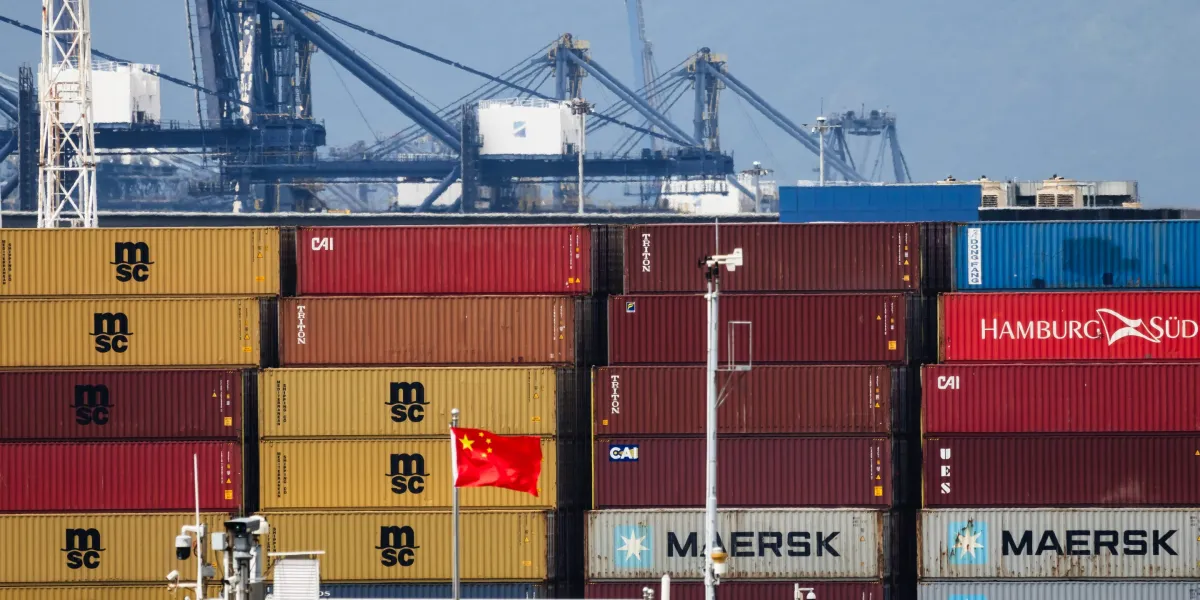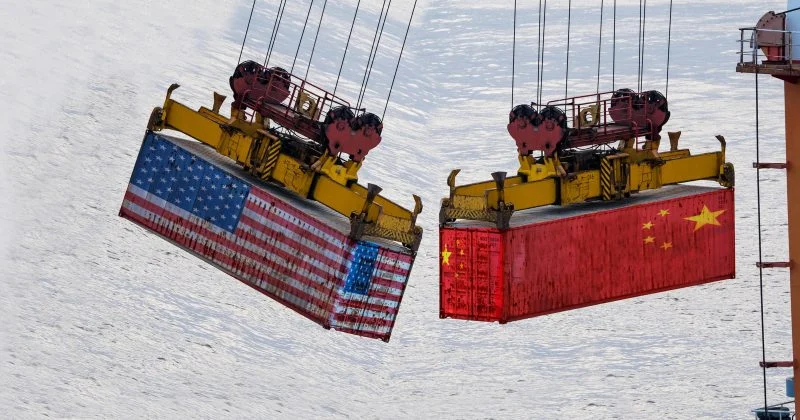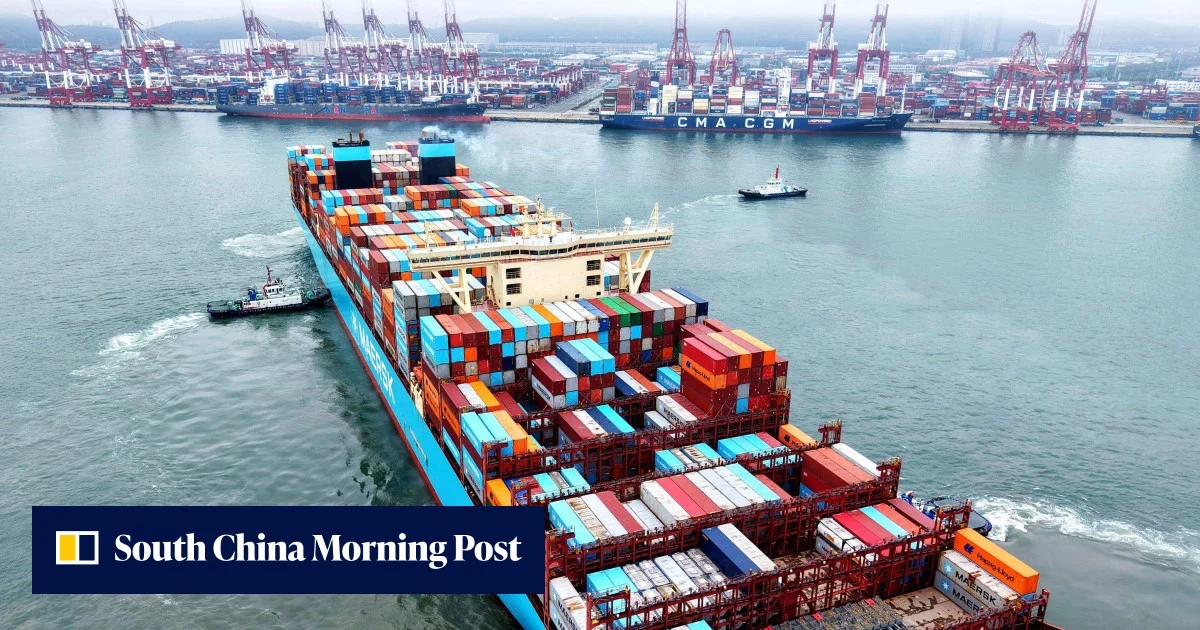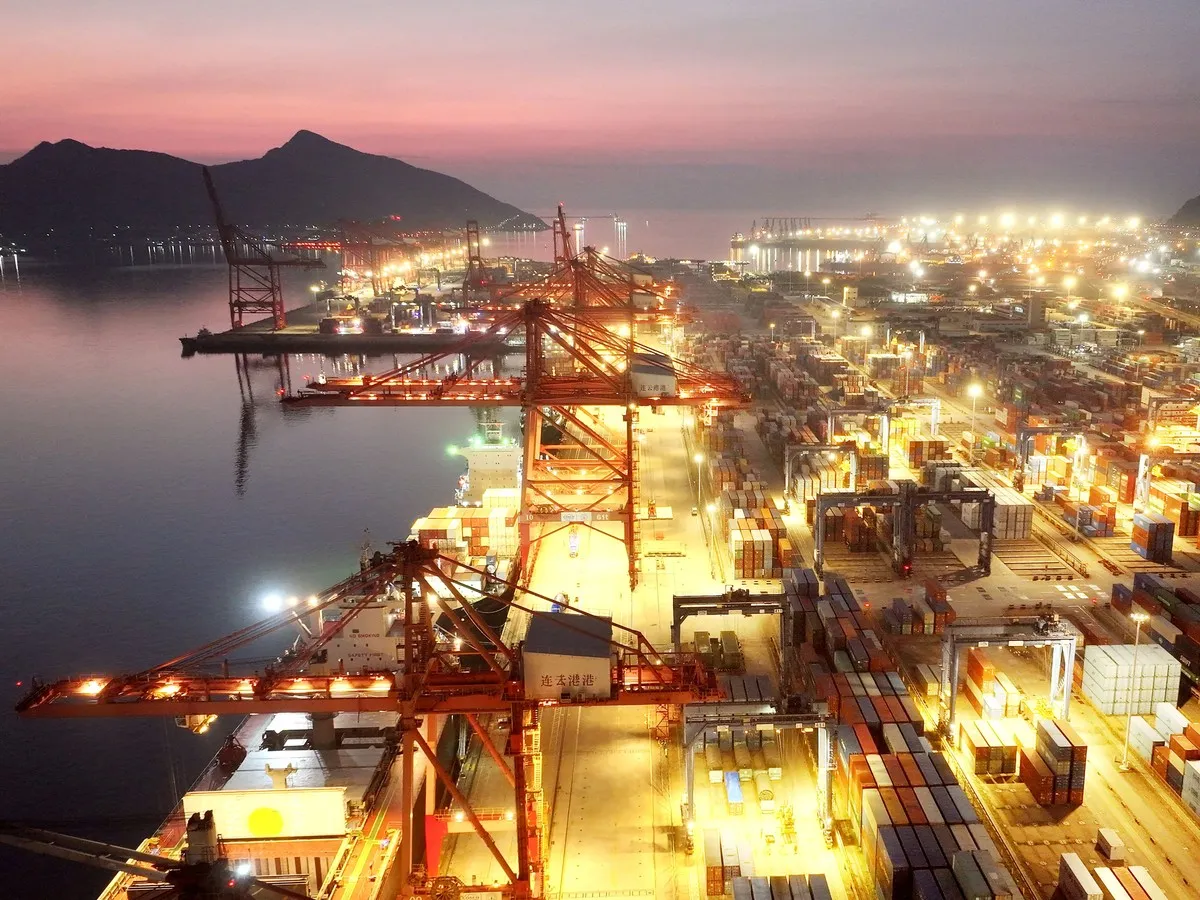
Skip to Content Subscribe Our Offers My Account Manage My Subscriptions FAQ Newsletters Canada Canadian True Crime Canadian Politics Health World Israel & Middle East Financial Post NP Comment Longreads Puzzmo Diversions Comics NP News Quiz New York Times Crossword Horoscopes Life Eating & Drinking Style Sponsored Play for Ontario Travel Travel Canada Travel USA Travel International Cruises Travel Essentials Culture Books Celebrity Movies Music Theatre Television Business Essentials Advice Lives Told Tails Told Shopping Buy Canadian Home Living Outdoor Living Kitchen & Dining Tech Style & Beauty Personal Care Entertainment & Hobbies Gift Guide Travel Guide Amazon Prime Day Deals Savings National Post Store More Sports Hockey Baseball Basketball Football Soccer Golf Tennis Driving Vehicle Research Reviews News Gear Guide Obituaries Place an Obituary Place an In Memoriam Classifieds Place an Ad Celebrations Working Business Ads Archives Healthing Epaper Manage Print Subscription Profile Settings My Subscriptions Saved Articles My Offers Newsletters Customer Service FAQ Newsletters Canada World Financial Post NP Comment Longreads Puzzmo Diversions Life Shopping Epaper Manage Print Subscription HomeNewsCanadaWorldTrump trade team turning to AI to track alleged transshipment tariff dodging for ChinaCanada among the dozens of countries accused of being part of network to helping Chinese imports evade U.S. leviesAuthor of the article: You can save this article by registering for free here. Or sign-in if you have an account.Shipping containers are seen at the cargo port in Lianyungang, eastern China's Jiangsu province on Aug. 7, 2026. More than 40 countries are associated with elevated illegal transshipment risk, a report from White House trade adviser Peter Navarro’s office said, and “China’s biggest enablers range from Mexico and Canada on U.S. land borders to the European Union, India, Japan, and South Korea.” Photo by Photo by CN-STR / AFP via Getty Images)The Trump administration is developing an AI-powered “detective border” to crack down on trading partners suspected of enabling China to skirt tariffs on U.S. imports.Enjoy the latest local, national and international news.Exclusive articles by Conrad Black, Barbara Kay and others. Plus, special edition NP Platformed and First Reading newsletters and virtual events.Unlimited online access to National Post.National Post ePaper, an electronic replica of the print edition to view on any device, share and comment on.Daily puzzles including the New York Times Crossword.Support local journalism.Enjoy the latest local, national and international news.Exclusive articles by Conrad Black, Barbara Kay and others. Plus, special edition NP Platformed and First Reading newsletters and virtual events.Unlimited online access to National Post.National Post ePaper, an electronic replica of the print edition to view on any device, share and comment on.Daily puzzles including the New York Times Crossword.Support local journalism.Create an account or sign in to continue with your reading experience.Access articles from across Canada with one account.Share your thoughts and join the conversation in the comments.Enjoy additional articles per month.Get email updates from your favourite authors.Create an account or sign in to continue with your reading experience.Access articles from across Canada with one accountShare your thoughts and join the conversation in the commentsEnjoy additional articles per monthGet email updates from your favourite authorsSign In or Create an AccountorIn a report released Thursday, the White House Office of Trade and Manufacturing Policy accused dozens of countries of being part of China’s “shadow transshipment network,” sorting them “according to the scale of China-linked trade, the depth of their economic integration with China, and the weak-link advantages that make them susceptible to rerouting activity.”The values of these goods, described as flowing through third countries to evade levies on imports and other trade remedies, are based on analysis from two government and three private-sector sources.Get a dash of perspective along with the trending news of the day in a very readable format.By signing up you consent to receive the above newsletter from Postmedia Network Inc.A welcome email is on its way. If you don't see it, please check your junk folder.The next issue of NP Posted will soon be in your inbox.We encountered an issue signing you up. Please try againAI supply chain firm Exiger provided a mid-range estimate of $75 billion in illegally transshipped goods between February 2025 and February 2026, which corresponds to a loss of tariff revenue between US$19 billion and $34 billion.More than 40 countries are associated with elevated illegal transshipment risk, the report from White House trade adviser Peter Navarro’s office said, and “China’s biggest enablers range from Mexico and Canada on U.S. land borders to the European Union, India, Japan, and South Korea.”In addition to China preserving access to the U.S. market counter to U.S. trade policy, “the spoils of illegal transshipment also enrich the transshipping countries themselves,” the report said. “Local firms capture assembly fees, warehousing revenue, logistics margins, port charges, customs brokerage income, land rents, and export-processing-zone investment. Governments benefit from jobs, tax receipts, foreign investment, and trade growth.”Other named countries include Indonesia, Thailand, Brazil and Malaysia. Still others are noted for comparative advantages that can be exploited, like the cost of labour, strategic port access, lax customs enforcement or free trade zones.The trend isn’t new. When President Donald Trump imposed high tariffs on exports from China in his first term, many businesses responded by diversifying their supply chains, moving some manufacturing outside of China when possible. This so-called China +1 strategy spurred big investments in Vietnam, Cambodia and other countries, often by Chinese-owned factories.Upon returning to office, Trump unleashed a wave of country-specific duties with some of the highest rates aimed at U.S. allies and major trading partners. Tens of billions of dollars in tariffs have hit compliant importers especially hard.“Detective Border”The White House’s report acknowledges these “tariff differentials” can increase the incentive to illegally transship, but said tools designed to “detect, deter and prevent” tariff evasion are being deployed. Those tools include an AI-powered “detective border” that will scan shipment data against routing histories, confirm production capacity and ownership relationships and even analyze packaging patterns and X-ray imaging at ports to detect mismatches between what’s declared and what’s actually in a container.U.S. trade enforcement authorities have for decades focused limited resources on cases with the biggest payout potential. Such cases are complex and often take years to build, meaning illicit goods often continue flowing into the U.S. market at below fair-market prices, undermining U.S. commerce.Illegal transshipment can be notoriously hard to detect and determining country of origin is complex, especially when imports are made from components manufactured in multiple countries. It’s unclear how much of the supply chain shift outlined in the report reflects illicit activity rather than legitimate changes to global production and trade.“Effective enforcement therefore requires distinguishing legitimate manufacturing and substantial transformation from pass-through trade and origin shifting,” the report said.Our website is the place for the latest breaking news, exclusive scoops, longreads and provocative commentary. Please bookmark nationalpost.com and sign up for our daily newsletter, Posted, here. Join the Conversation This website uses cookies to personalize your content (including ads), and allows us to analyze our traffic. Read more about cookies here. By continuing to use our site, you agree to our Terms of Use and Privacy Policy.
Trump trade team turning to AI to track alleged transshipment tariff dodging for China
White House trade officials are deploying AI to track alleged tariff dodging by more than 40 nations accused of enabling China.
TL;DRAI
Trump admin lancia AI per tracciare transshipment illegale cinese; 40+ paesi (Canada, EU, India, Japan) accusati di rerouting $75B merci, costo $19-34B tariff revenue. Supply chain enforcement escalation: AI costringe reshoring verso alleati e compliance tariffaria stricter.
1,174 words~5 min read