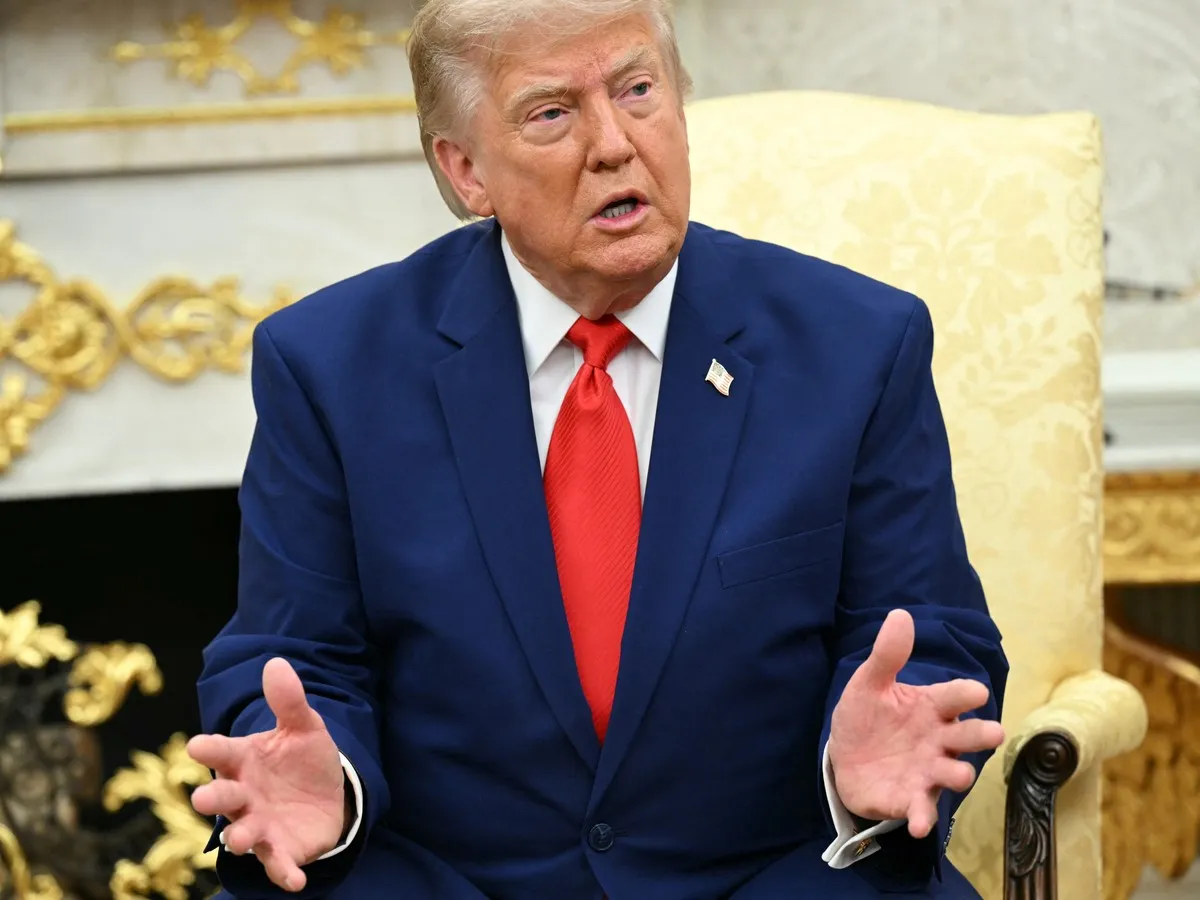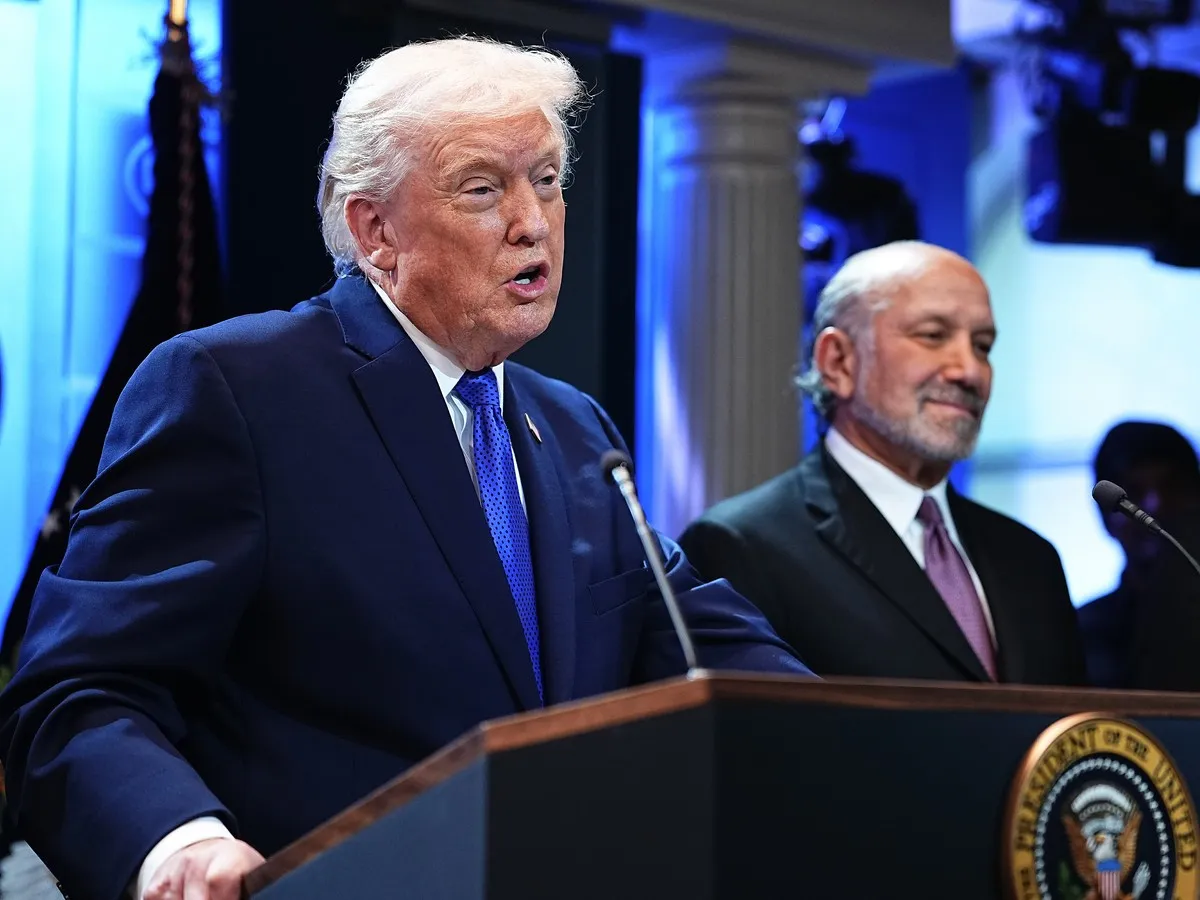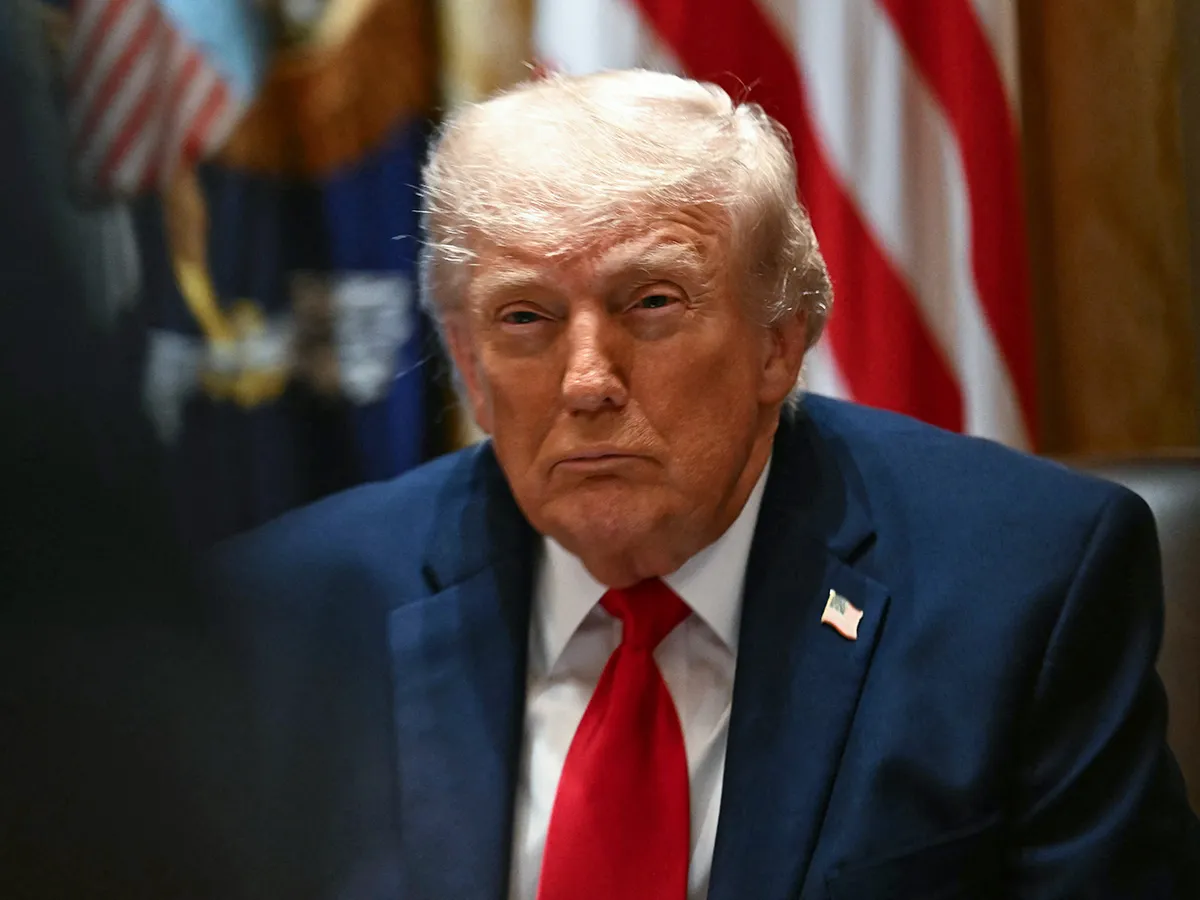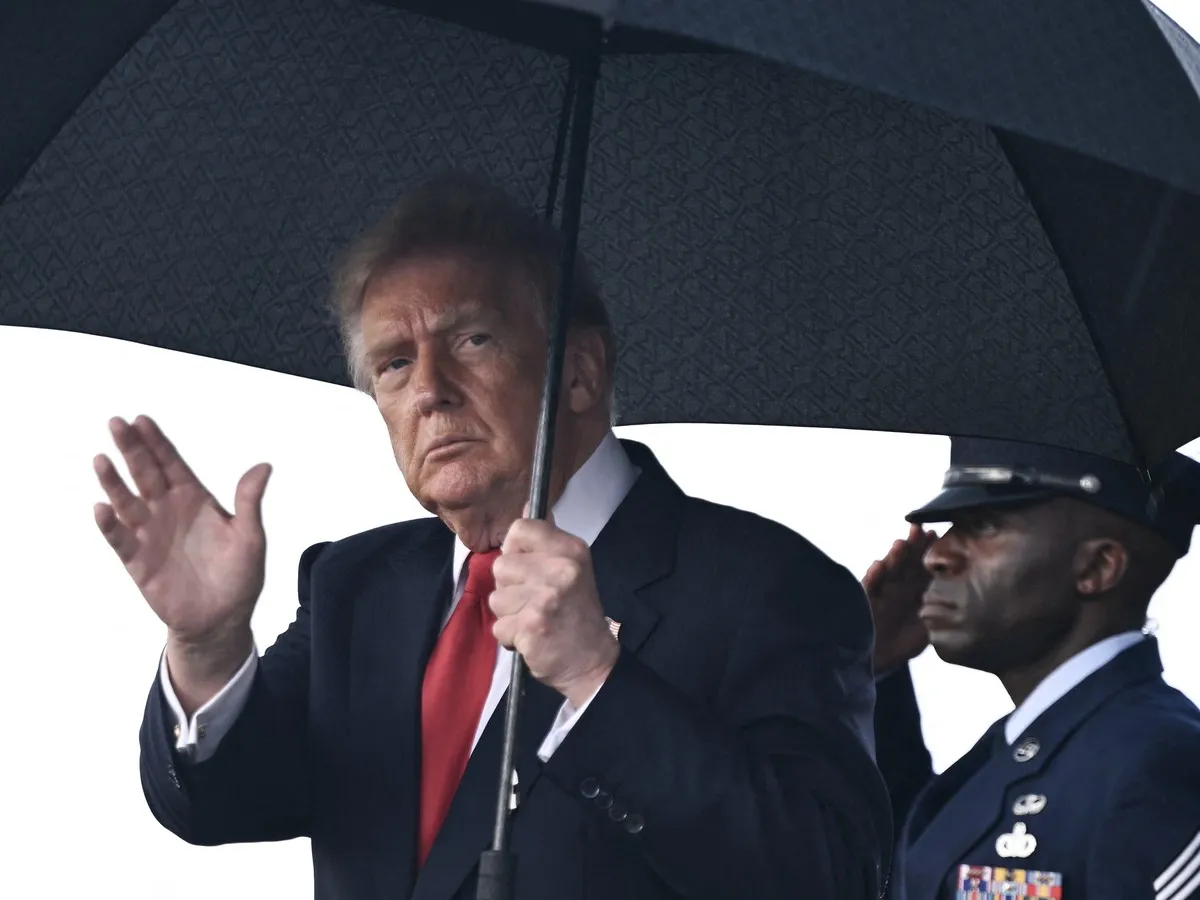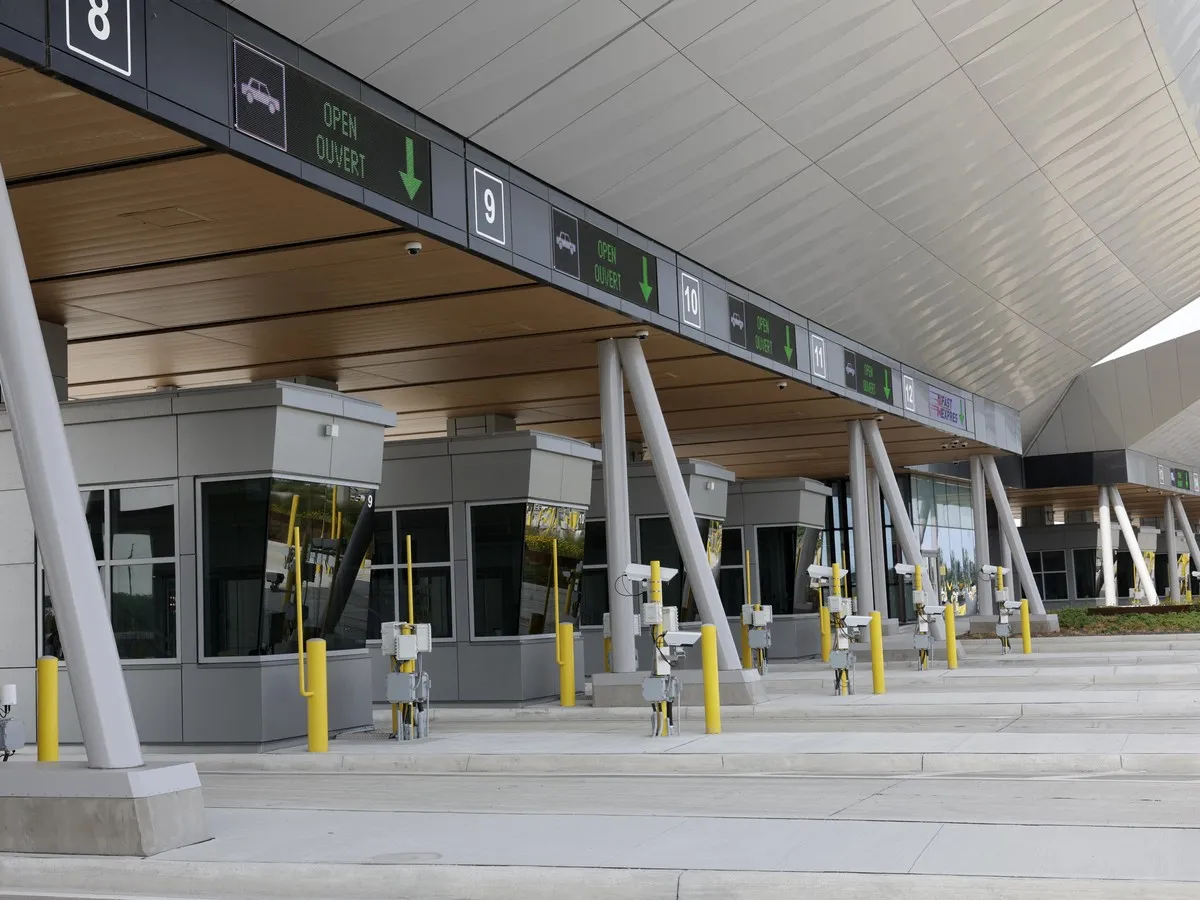
Skip to Content Subscribe Our Offers My Account Manage My Subscriptions FAQ Newsletters Canada Canadian True Crime Canadian Politics Health World Israel & Middle East Financial Post NP Comment Longreads Puzzmo Diversions Comics NP News Quiz New York Times Crossword Horoscopes Life Eating & Drinking Style Sponsored Play for Ontario Travel Travel Canada Travel USA Travel International Cruises Travel Essentials Culture Books Celebrity Movies Music Theatre Television Business Essentials Advice Lives Told Tails Told Shopping Buy Canadian Home Living Outdoor Living Kitchen & Dining Tech Style & Beauty Personal Care Entertainment & Hobbies Gift Guide Travel Guide Amazon Prime Day Deals Savings National Post Store More Sports Hockey Baseball Basketball Football Soccer Golf Tennis Driving Vehicle Research Reviews News Gear Guide Obituaries Place an Obituary Place an In Memoriam Classifieds Place an Ad Celebrations Working Business Ads Archives Healthing Epaper Manage Print Subscription Profile Settings My Subscriptions Saved Articles My Offers Newsletters Customer Service FAQ Newsletters Canada World Financial Post NP Comment Longreads Puzzmo Diversions Life Shopping Epaper Manage Print Subscription HomeNewsCanadaWorldTrump's new U.S. customs rules could upend Canadian exportsOn June 3, U.S. President Donald Trump signed executive order that seeks to tighten U.S. customs enforcement to crack down on trade fraudLast updated 19 minutes ago You can save this article by registering for free here. Or sign-in if you have an account.View of the toll booths at the Gordie Howe International Bridge during the opening ceremony in Windsor, Ont., on July 24, 2026. Photo by JEFF KOWALSKY /AFP via Getty ImagesWASHINGTON, D.C. — Many Canadian exporters who have traded duty-free under the Canada-United States-Mexico Agreement are facing the threat of 50 per cent duties on their goods under Section 338 tariffs, which Washington is set to impose on hundreds of products starting August 19.Enjoy the latest local, national and international news.Exclusive articles by Conrad Black, Barbara Kay and others. Plus, special edition NP Platformed and First Reading newsletters and virtual events.Unlimited online access to National Post.National Post ePaper, an electronic replica of the print edition to view on any device, share and comment on.Daily puzzles including the New York Times Crossword.Support local journalism.Enjoy the latest local, national and international news.Exclusive articles by Conrad Black, Barbara Kay and others. Plus, special edition NP Platformed and First Reading newsletters and virtual events.Unlimited online access to National Post.National Post ePaper, an electronic replica of the print edition to view on any device, share and comment on.Daily puzzles including the New York Times Crossword.Support local journalism.Create an account or sign in to continue with your reading experience.Access articles from across Canada with one account.Share your thoughts and join the conversation in the comments.Enjoy additional articles per month.Get email updates from your favourite authors.Create an account or sign in to continue with your reading experience.Access articles from across Canada with one accountShare your thoughts and join the conversation in the commentsEnjoy additional articles per monthGet email updates from your favourite authorsSign In or Create an AccountorThese firms may also need to increase their customs-bond coverage, which guarantees payment of duties and fees if an importer defaults, as higher tariffs increase the U.S. government’s exposure.But trade lawyers and customs professionals say another change could affect far more Canadian exporters.Get a dash of perspective along with the trending news of the day in a very readable format.By signing up you consent to receive the above newsletter from Postmedia Network Inc.A welcome email is on its way. If you don't see it, please check your junk folder.The next issue of NP Posted will soon be in your inbox.We encountered an issue signing you up. Please try againOn June 3, U.S. President Donald Trump signed executive order that seeks to tighten U.S. customs enforcement to crack down on trade fraud and shell importers that evade duties.“They’re going to a stricter importer regime … directing U.S. authorities to strengthen the importer registration, bonding, disclosure, vetting, and enforcement,” said Martha Goncalves, partner for tax, customs and international trade at PwC Canada.“The U.S. is actually raising the bar on who can import and how much information that they must provide.”So is this another way of targeting Canada?Goncalves doesn’t see it that way and notes that it’s a global directive.“(The U.S. administration is) trying to change the global trading system, and this is just part of their playbook,” she said. “Unfortunately, Canada being just directly to the north, we get hit hardest because we have such a big footprint of Canadian exports going to the U.S.”The attempt to crack down on fraudulent trade and shell companies that evade tariffs and fees is a good thing, said Carrie Owens, a lawyer specializing in international trade from Washington-based firm Kelley Drye and a former director at U.S. Customs and Border Protection (CBP).“The purpose of this is good … It’s to stop illicit trade.”The intent doesn’t worry her, but the breadth of implementation does.The order defines “U.S.” and “foreign” importers of record (IOR) and directs the Department of Homeland Security (DHS) secretary to adopt stricter entry requirements for the latter. Owens worries that Canadian firms that now operate as non-resident importers — or through thinly capitalized U.S. entities — could be classified as foreign IORs if they lack enough U.S. assets or qualifying ownership.The order also directs DHS to prohibit foreign IORs from filing informal entries, a simplified customs process generally used for lower-value shipments.“They’re going to be considered foreign importers of record even though they are organized under the laws of the United States. They have been here for decades,” Owens said.Because the order could fundamentally change how many legitimate companies import into the United States, and many may not yet realize it, experts fear it will lead to trade disruptions.“The tariffs are a cost of doing business … Potentially, the actions that are happening could disrupt the flow of goods,” Owens said.The guidance and implementing rules are still being developed, with key reforms targeted for completion within 180 days of the order, but companies need to prepare now.“It’s a readiness issue for most companies,” said Goncalves.Companies that act as IOR themselves, rather than relying on a U.S. buyer or related U.S. entity to do so, may face the greatest operational and cash-flow impact — particularly if they lack an established U.S. presence.Goncalves said companies should first determine who will serve as IOR on each shipment — the Canadian seller, a U.S. buyer or a related U.S. entity — before restructuring their supply chain. They should also assess bond needs and broker arrangements, determine whether they or their broker are CTPAT-validated (Customs Trade Partnership Against Terrorism), and ensure customs entries accurately reflect tariff classification, origin, and valuation.“Companies need to know who the importer of record is first … and then trust their data,” Goncalves said.Owens fears that the biggest practical consequence will be the potential loss of continuous bonds, which allow traders to send multiple shipments under one bond.The order directs DHS to require that foreign importers of record generally cannot rely on continuous bonds for formal entries unless CBP is satisfied that U.S. revenue is protected and the importer will follow customs rules. Foreign IORs must also be CTPAT-validated if CBP determines they are eligible, or use a CTPAT-validated, licensed customs broker to file customs entries.Amy Magnus, director of customs affairs and compliance for U.S. Customs broker A.N. Deringer, Inc., is less concerned about a shift away from continuous bonds. She does not believe that requiring a single-entry bond for every shipment would be workable for frequent importers, customs brokers, or surety firms.Again, further guidance should roll out later this year, but registering as an IOR, getting brokers and bonds — or simply increasing bond amounts — takes time.Magnus recommends that companies consult with lawyers — especially U.S. trade-savvy lawyers — and their brokers now, if they are not already doing so.“If (you) want to continue doing business in the United States … make sure your compliance is meeting these new demands,” she said.And when it comes to fines, the order delivers another punch: it directs DHS to set a penalty floor of at least 50 per cent of the assessed amount, except in exceptional circumstances related to national security, and to stop mitigating penalties for repeat offenders.“They are saying that they will not mitigate (fines) beyond 50 per cent,” Magnus warned. “So if you get a $1 million fine … you’re still looking at a lot of money.”Enforcement is already ramping up, experts say, so it’s important that exporters take the time to get organized and seek the appropriate help now.Magnus noted an increase in trade-fraud enforcement and pointed to a new Department of Justice–DHS resource guide that signals greater use of criminal as well as civil tools against trade fraud.“When the Department of Justice is involved with trade fraud enforcement,” she said, “it starts to take on a… different tone.”National PostOur website is the place for the latest breaking news, exclusive scoops, longreads and provocative commentary. Please bookmark nationalpost.com and sign up for our newsletters here. Join the Conversation This website uses cookies to personalize your content (including ads), and allows us to analyze our traffic. Read more about cookies here. By continuing to use our site, you agree to our Terms of Use and Privacy Policy.
Trump's new U.S. customs rules could upend Canadian exports
The customs crackdown may push Canadian firms to rethink their U.S. importer, bonding, and broker arrangements.
1,536 words~7 min read