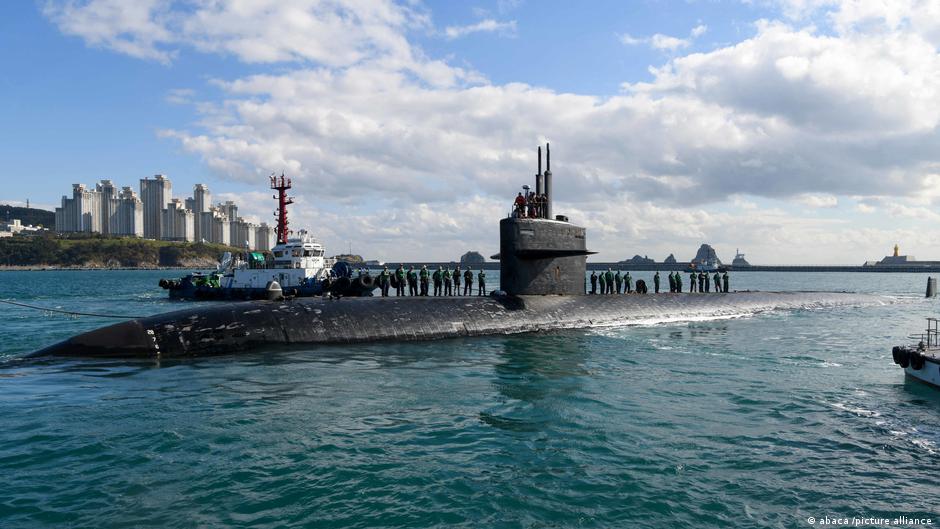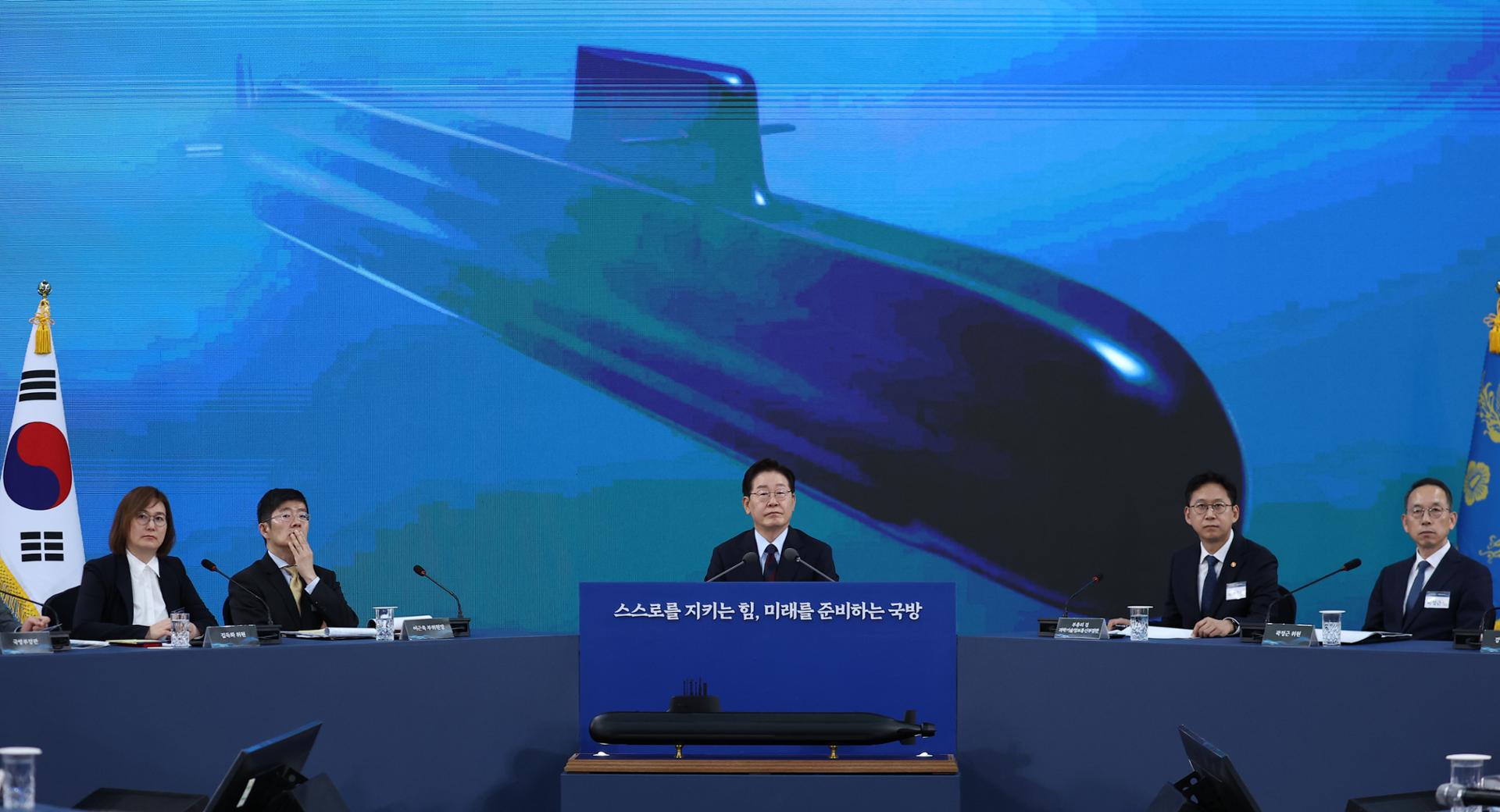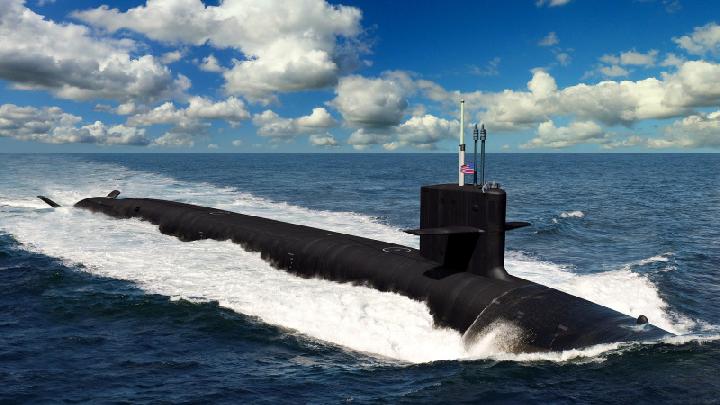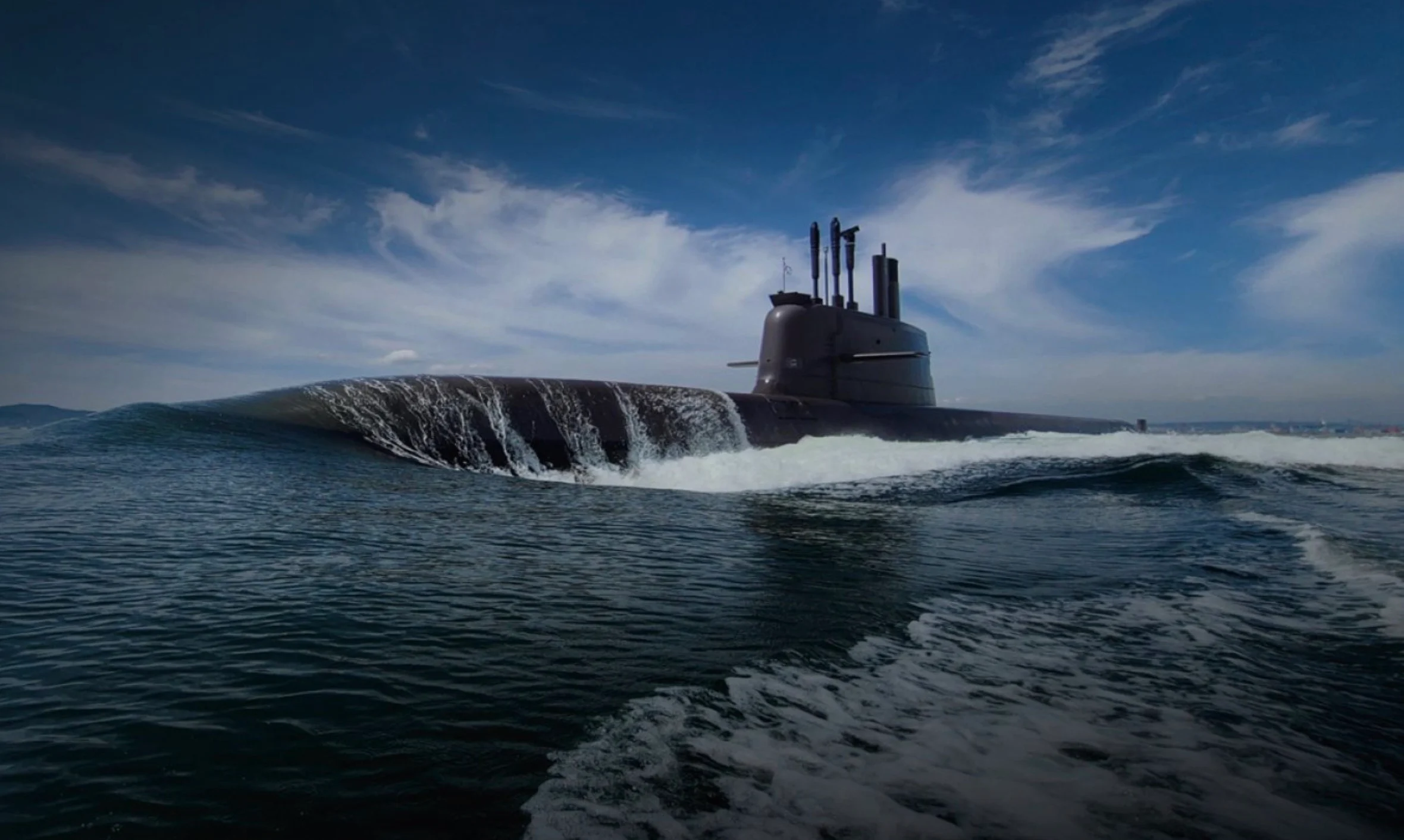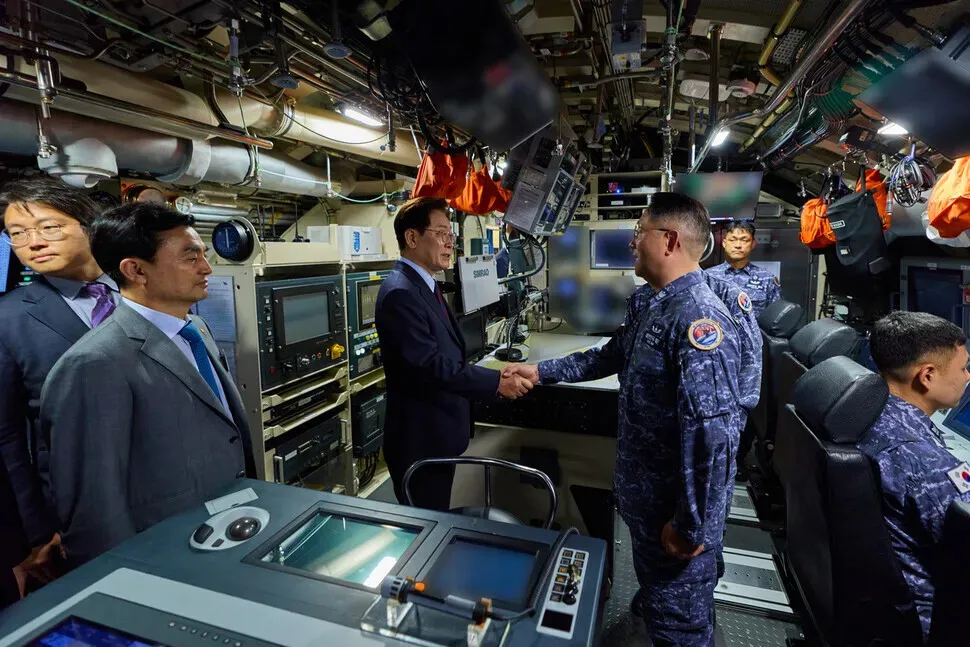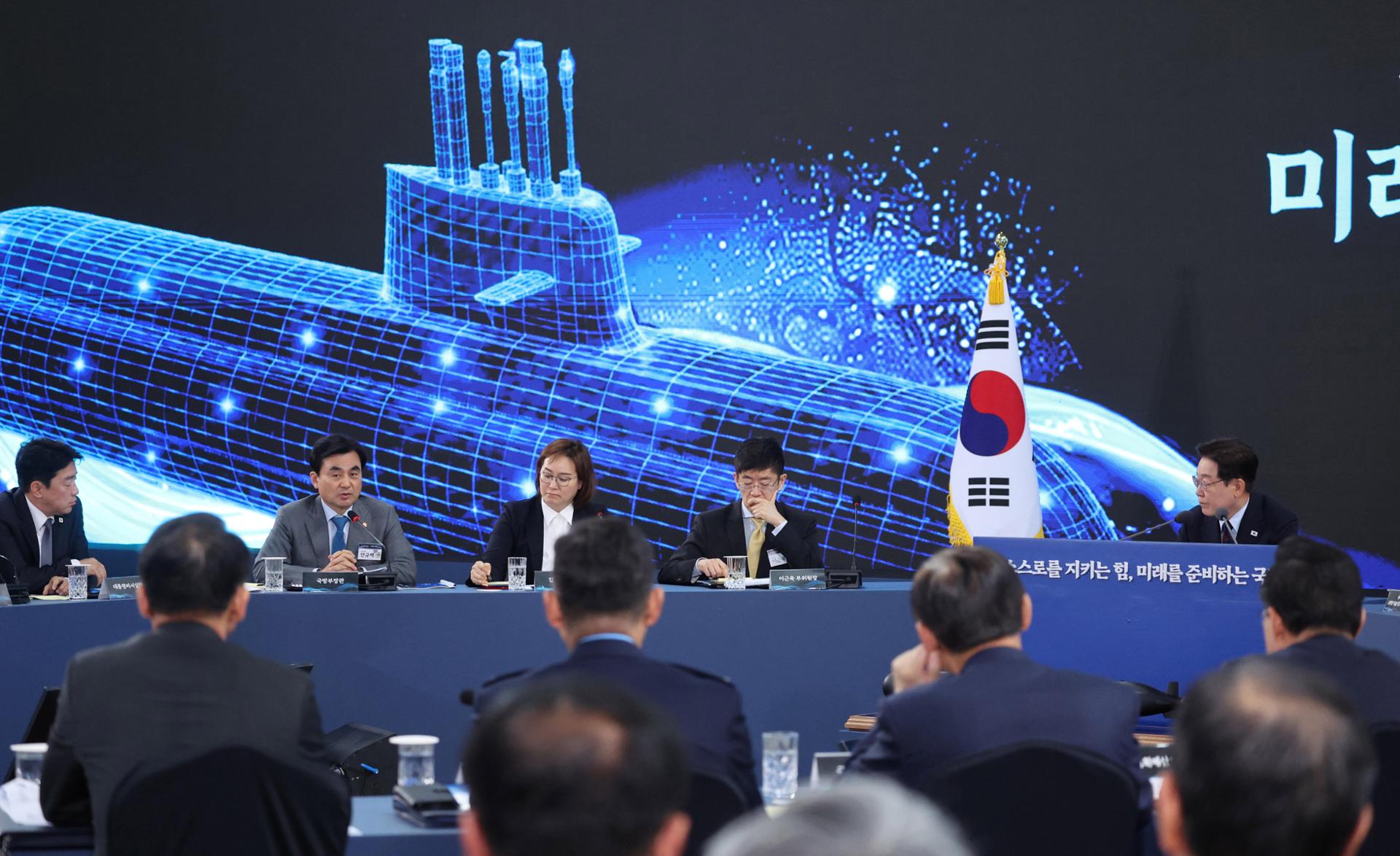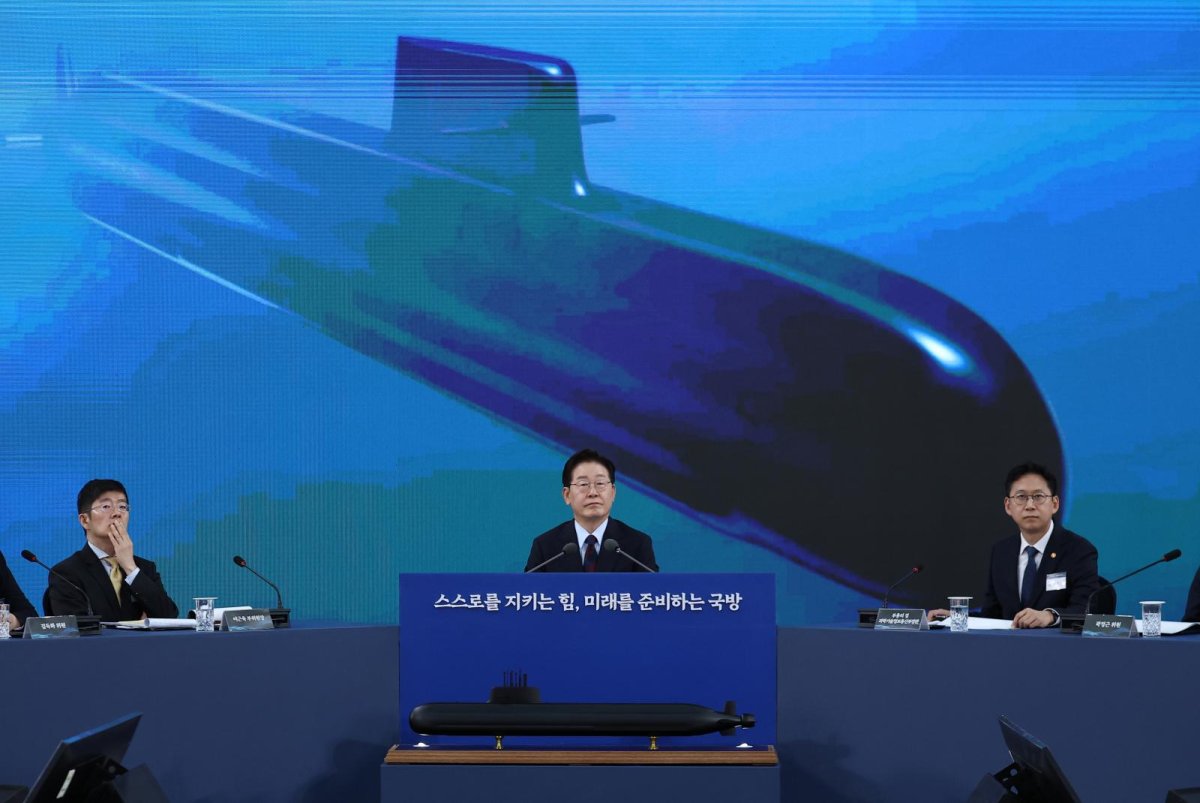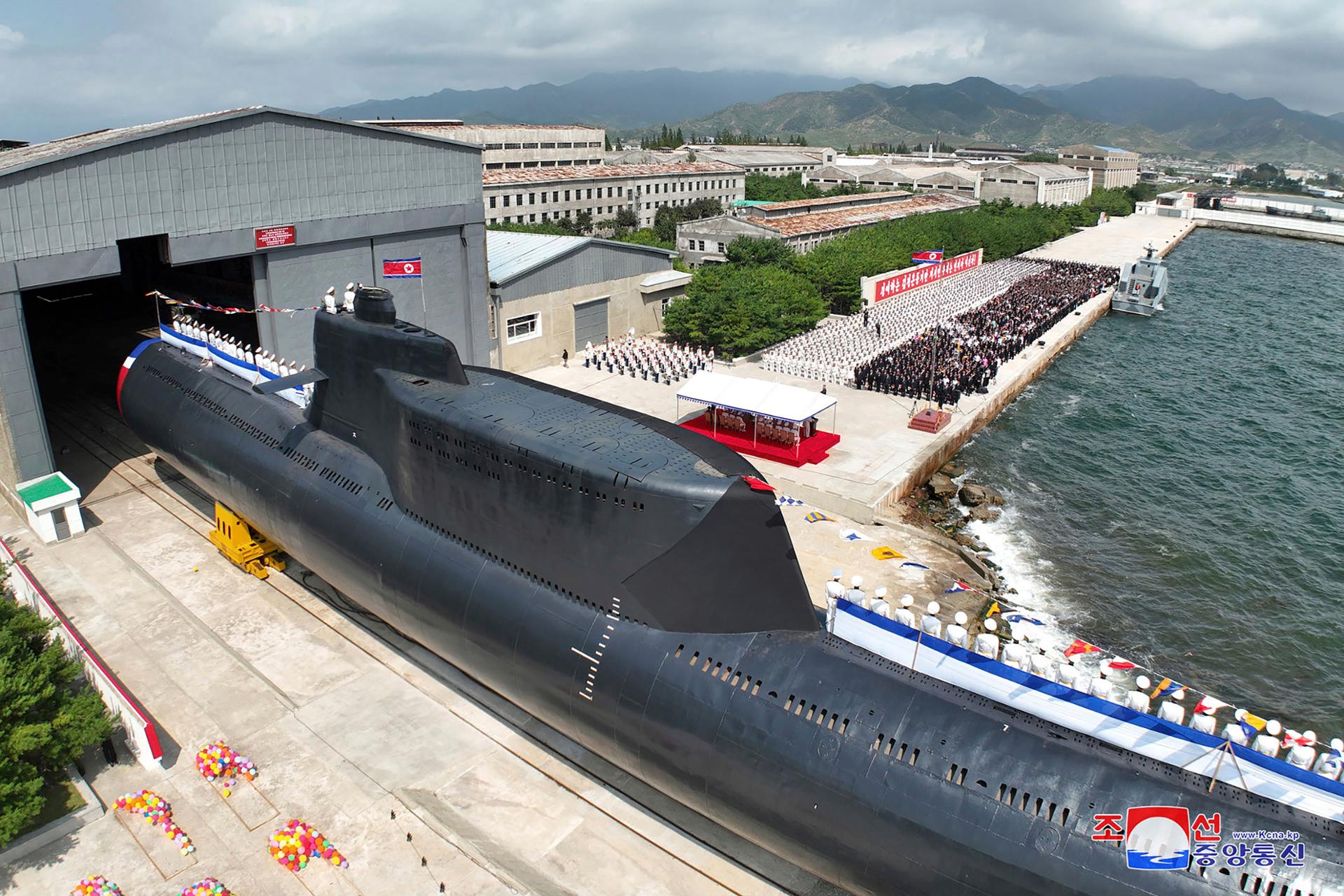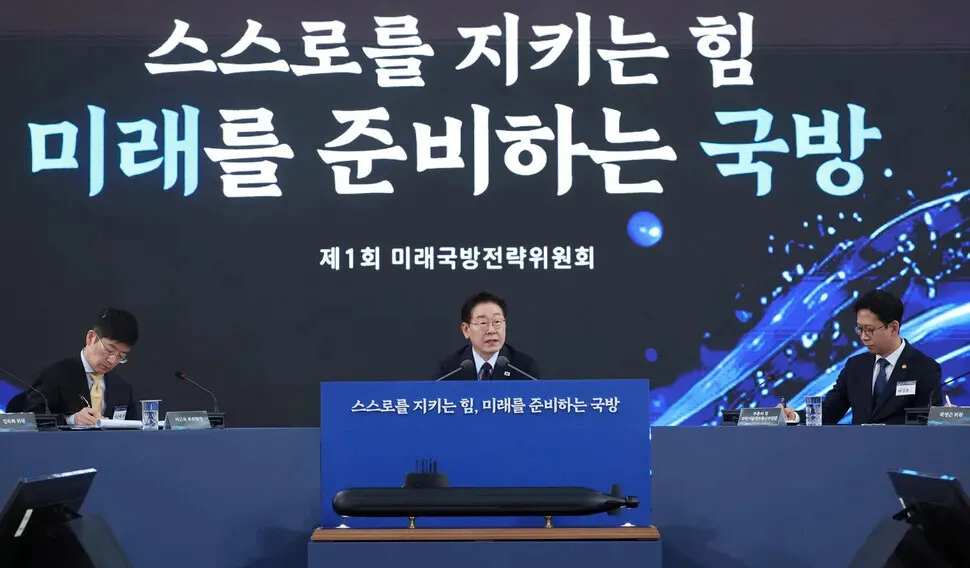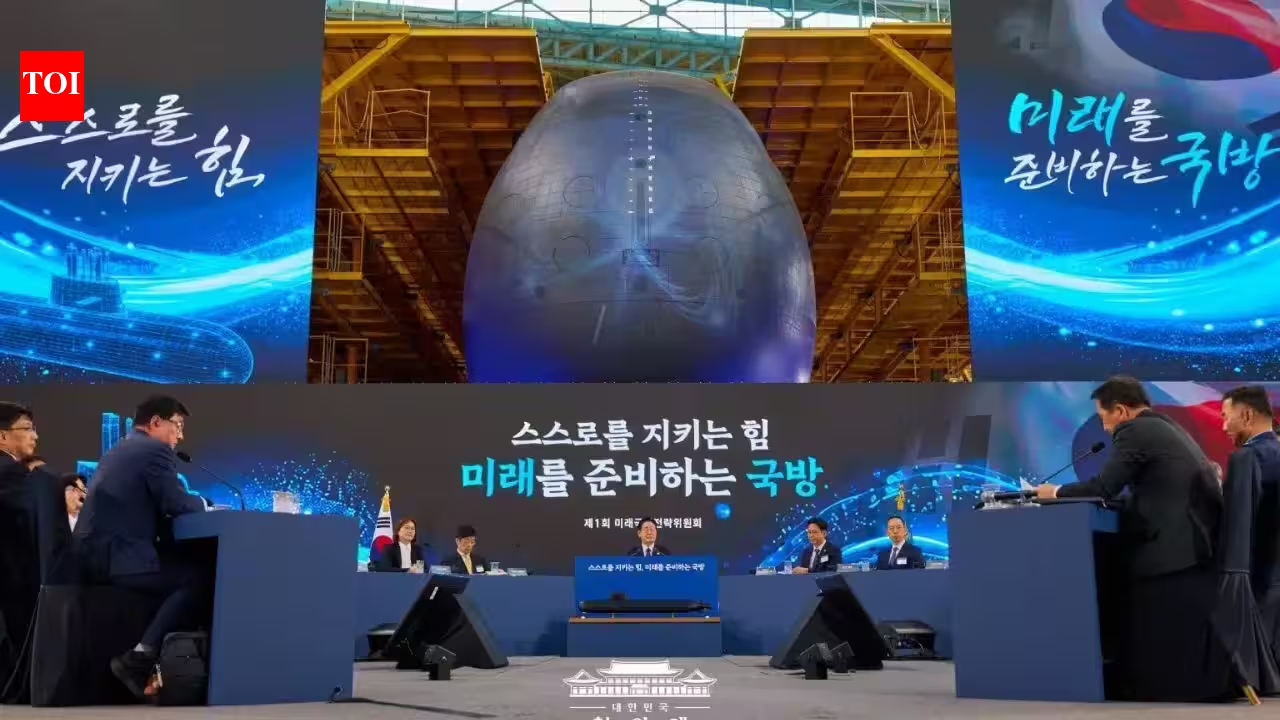
Jangbogo-N announcement during the first future defense strategy committee meeting (Presidential office photo)South Korea has moved closer to developing its first nuclear-powered attack submarine, proposing a legal framework for the Jangbogo-N programme as Seoul seeks to counter North Korea's growing undersea military capabilities.The Ministry of National Defense has proposed a special law covering the acquisition, operation and safety management of nuclear-powered submarines. The draft is currently open for public consultation, with the government aiming to enact the legislation by the end of 2026.South Korea is targeting the launch of its first Jangbogo-N submarine in the mid-2030s, with operational deployment expected in the latter half of the decade or later.At the centre of the proposed framework is a Nuclear-Powered Submarine Strategy Committee under the prime minister and a basic programme plan for Jangbogo-N. The legislation would also establish procedures for reactor safety assessments, inspections, approval of naval reactors and fuel facilities, and the management of radioactive waste and spent nuclear fuel.Nuclear fuel remains key challengeThe nuclear propulsion component is among the most sensitive aspects of Seoul's submarine programme.The proposed legislation would require South Korea to comply with the Nuclear Non-Proliferation Treaty and cooperate fully with the International Atomic Energy Agency on nuclear safeguards.The programme is expected to use high-assay low-enriched uranium, with uranium-235 enrichment below 20%. However, the precise arrangements for obtaining the fuel have yet to be finalised, making cooperation with the United States a crucial factor in the programme.The draft legislation does not specify the submarines' displacement or the size of the planned fleet. South Korean media have reported that planners are considering an approximately 8,000-tonne design and a fleet of at least three submarines, although these figures have not been officially confirmed.North Korea pursues nuclear-powered submarineSeoul's move comes as North Korea pushes ahead with its own nuclear-powered submarine programme.In December 2025, North Korean state media released images of leader Kim Jong Un inspecting what Pyongyang described as an 8,700-tonne nuclear-powered strategic guided-missile submarine under construction.Reuters independently reported Kim's visit and the vessel's claimed size, although the submarine's actual propulsion system and capabilities remain difficult to verify.Kim identified a nuclear-powered submarine as a major weapons priority in 2021. Such a vessel could provide North Korea with a more survivable platform for strategic weapons, allowing it to remain submerged for longer and potentially operate farther from its coastline than conventional submarines.Russia link adds to Seoul's concernsConcerns in Seoul have grown alongside North Korea's expanding military cooperation with Russia.In October 2025, South Korean defence minister Ahn Gyu-back told lawmakers that Pyongyang had likely received Russian technical assistance for its submarine development. He cautioned, however, that it was too early to determine whether North Korea had successfully developed the ability to launch submarine-launched ballistic missiles from an operational submarine.North Korea already possesses nuclear weapons and has spent years developing submarine-launched ballistic missiles, providing the foundations for a potential sea-based nuclear deterrent.If Pyongyang succeeds in combining a nuclear-powered submarine with a reliable SLBM capability, its nuclear forces could become harder to detect and neutralise, strengthening the survivability of its second-strike capability.For Seoul, the Jangbogo-N programme is therefore not simply a new naval platform. It represents a bid to strengthen South Korea's ability to track and counter an increasingly sophisticated North Korean undersea threat.
Undersea nuclear race: South Korea advances submarine plan as North Korea builds its own
International News: South Korea has moved closer to developing its first nuclear-powered attack submarine, proposing a legal framework for the Jangbogo-N programme as Seo.
540 words~2 min read