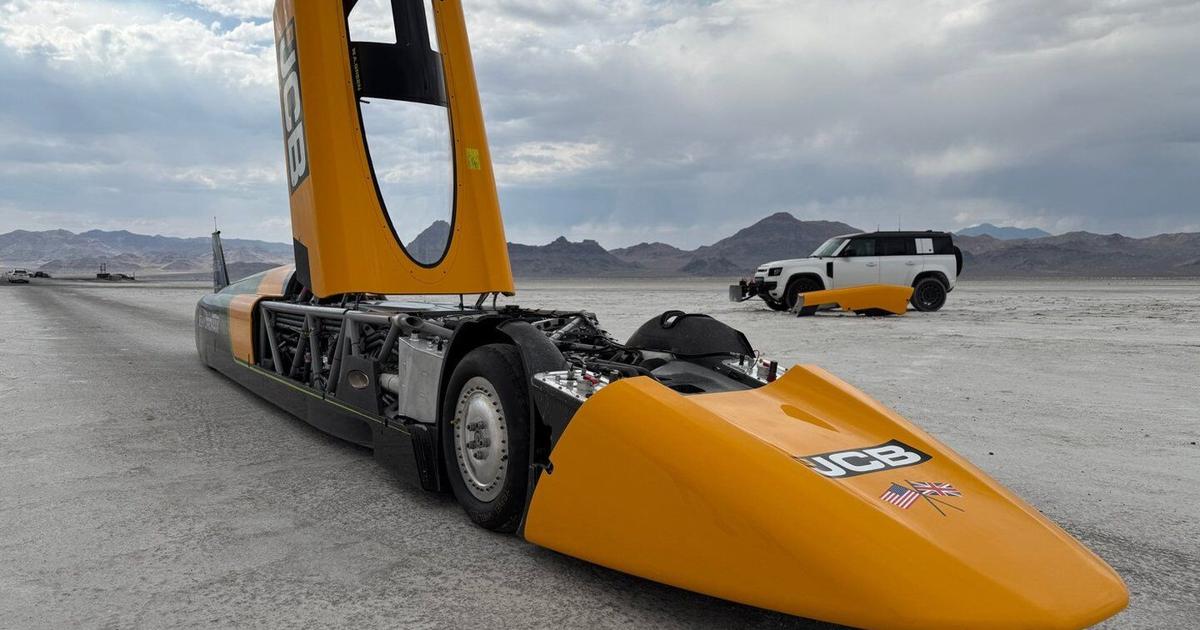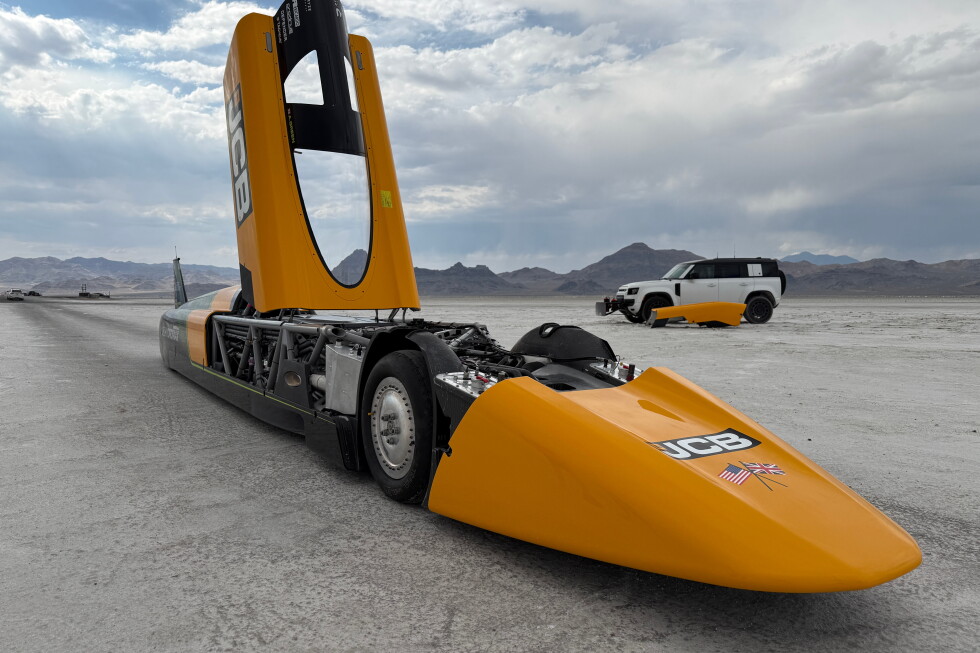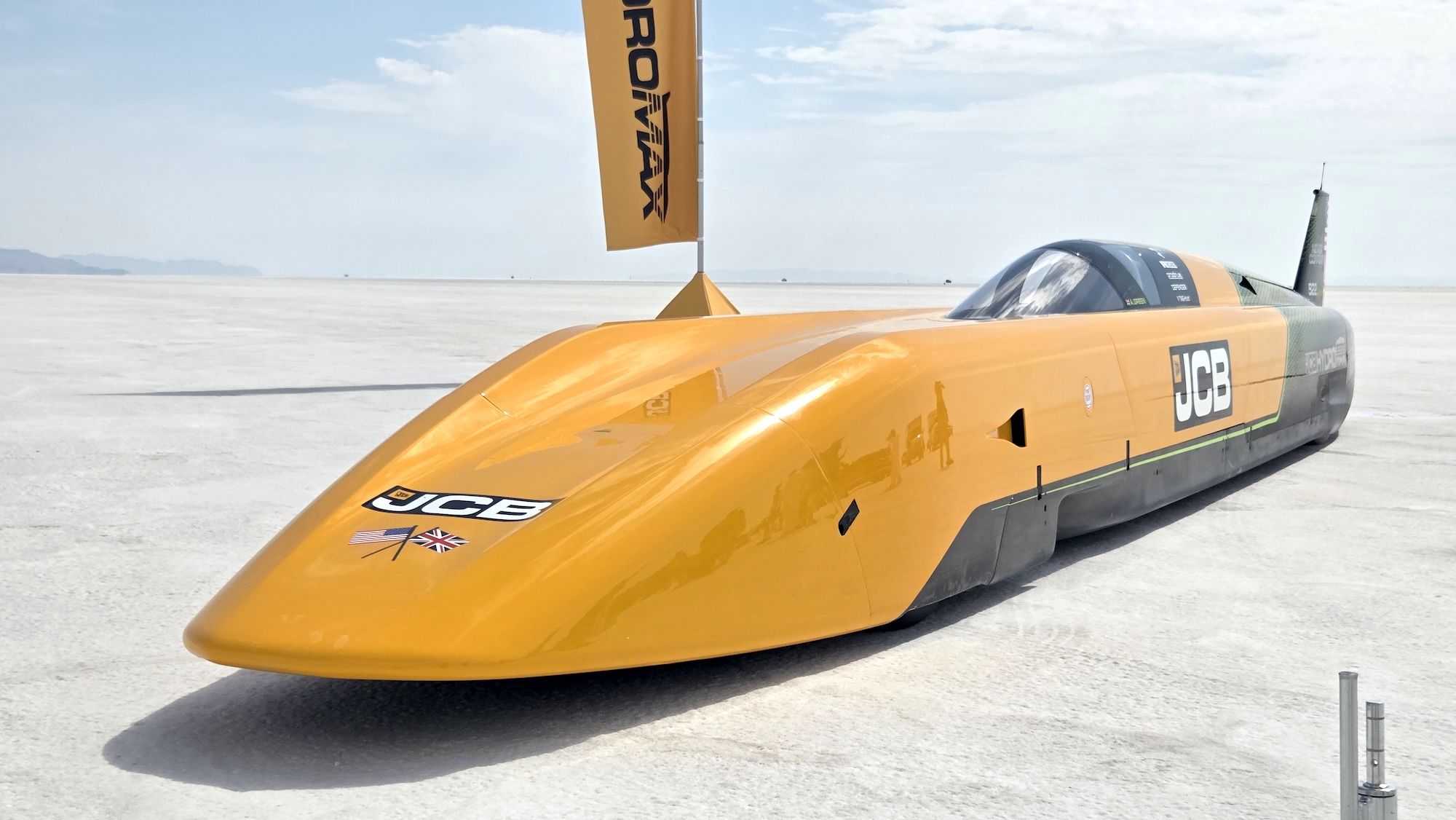
(Image credit: Future)
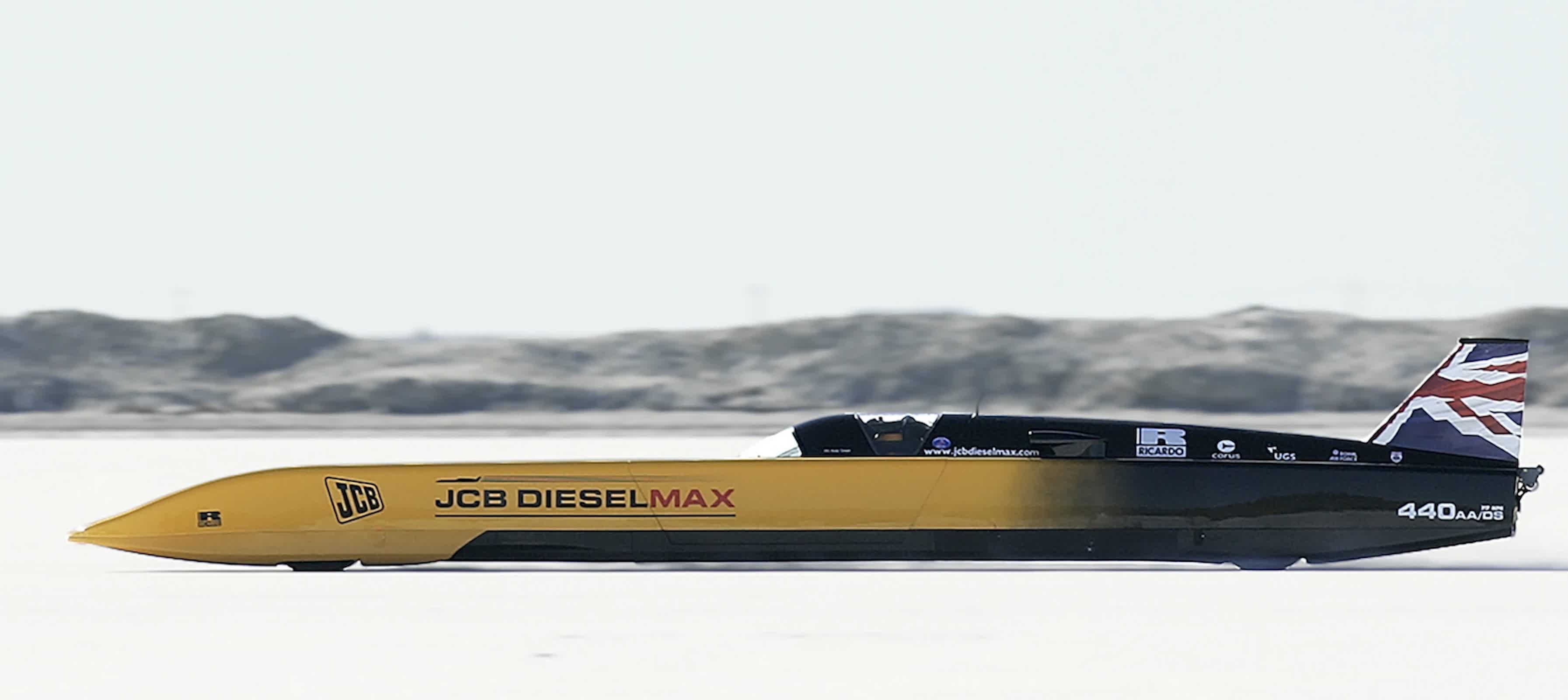
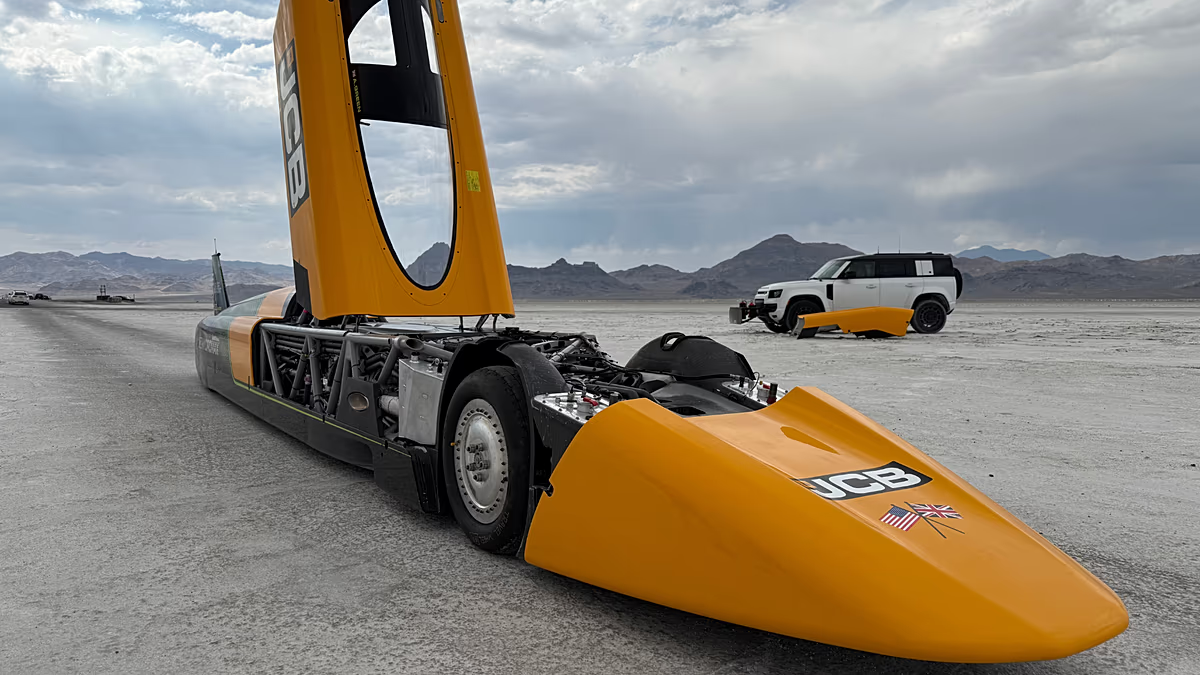
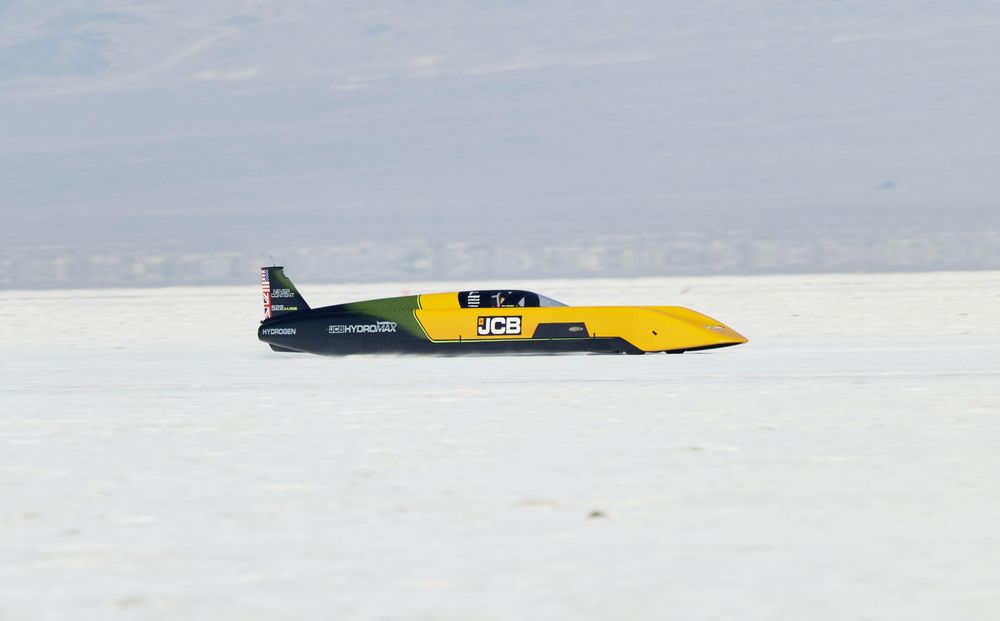
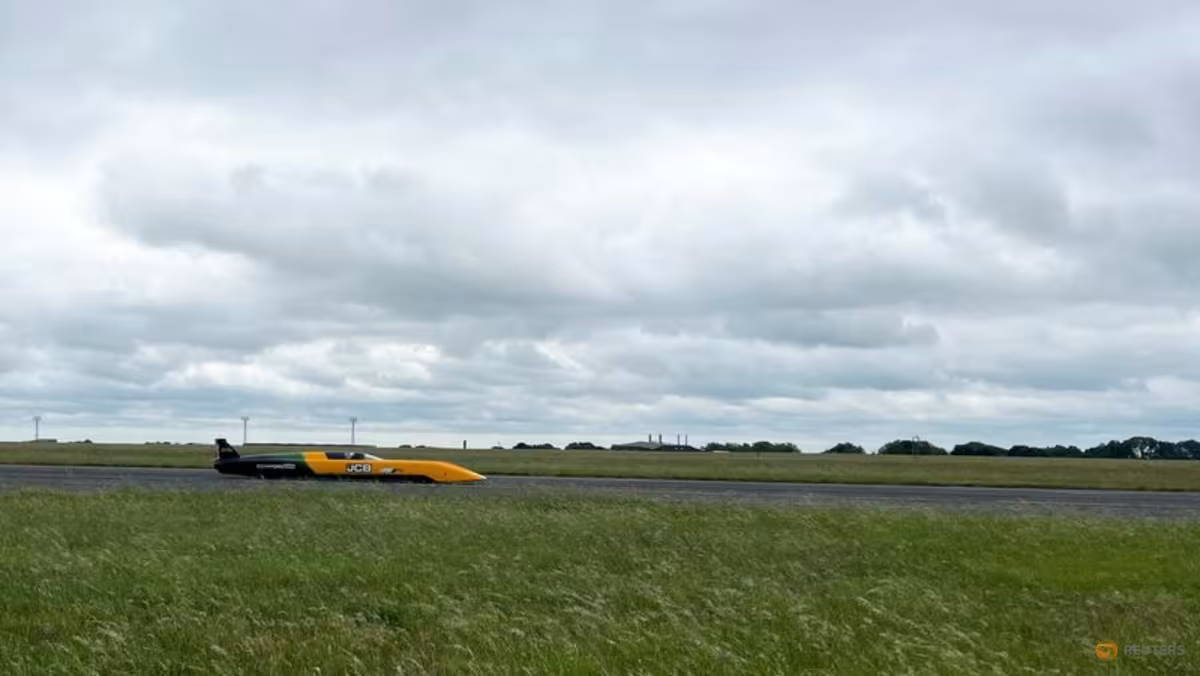
Could a hydrogen-powered car, using an engine based off construction equipment, set a new land speed record? I came to the Bonneville Salt Flats in Utah this week to find out — and to see how hydrogen-powered vehicles could compete where EVs are dominating in the race to find a replacement for the gas-fueled internal combustion engine.At the helm was a retired British fighter pilot, Wing Commander Andy Green (OBE), looking every inch the nerves of steel kind of driver you'd want behind the wheel. This was not surprising. Green has done this before. Twenty years ago he set the land speed record for a diesel powered vehicle by shepherding JCB's Dieselmax to over 350 mph. And he was the first and remains the only human to break the sound barrier on the ground in 1997 when he drove the jet-powered ThrustSSC car to 763.035 mph, or Mach 1.02, creating a sonic boom in the process.There was no sonic boom this week, but there was plenty of drama around a car that pushed the limits of today's hydrogen technology, employing engines derived from JCB's construction equipment to prove what must have seemed like a crazy idea, that a couple of zero-emission engines based on models used in JCB's diggers (or excavators) could send a man across the desert at over 400 miles per hour.A car built for one purpose