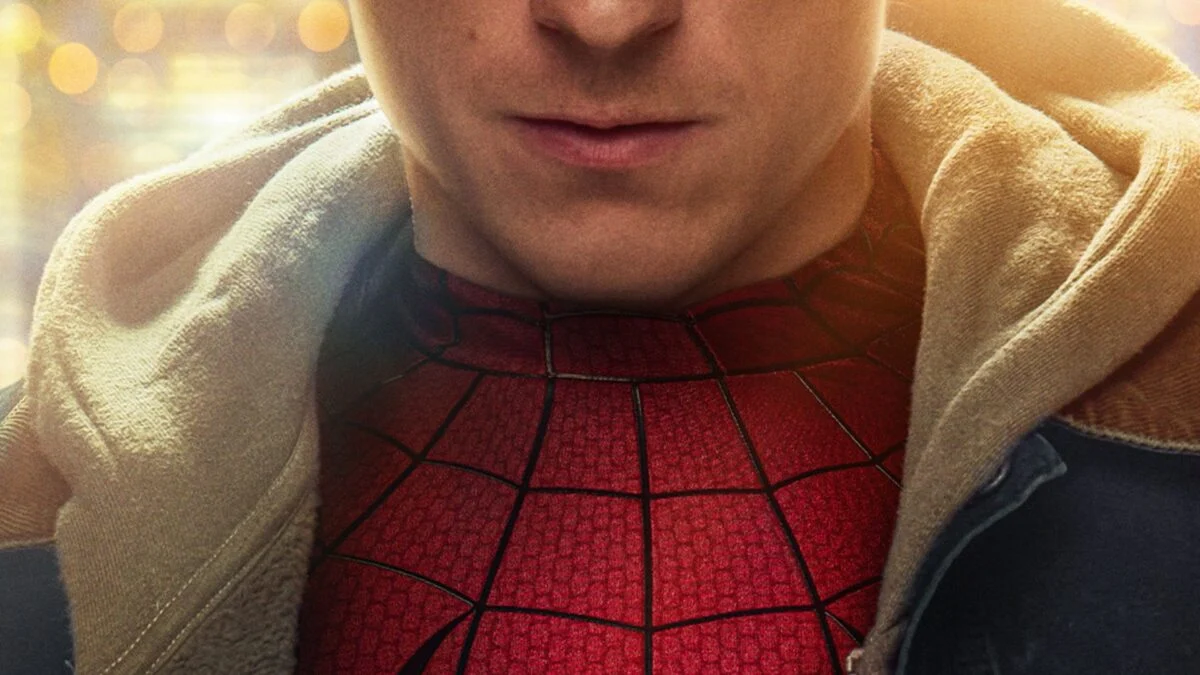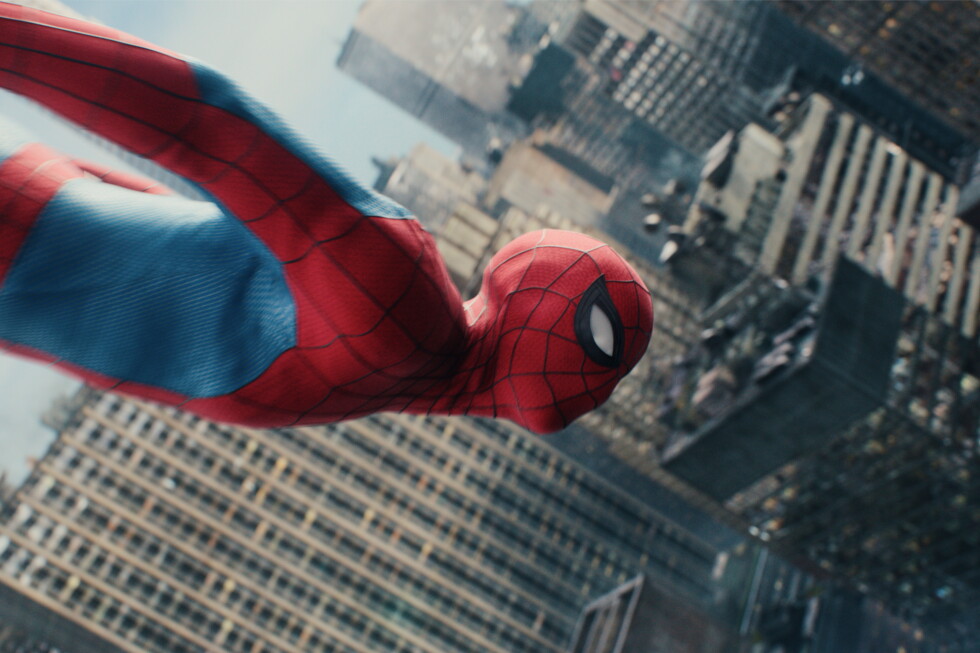
Sony Pictures’ latest Spider-Man film, Brand New Day, opens with a narrator calling the superhero, “The pride of the city, the hero every grown-up relies on, and every kid wants to be.” Wholesome, and even true to a point. But not exactly the kind of line you’d expect right before a hero starts spying on eight million people. Right?
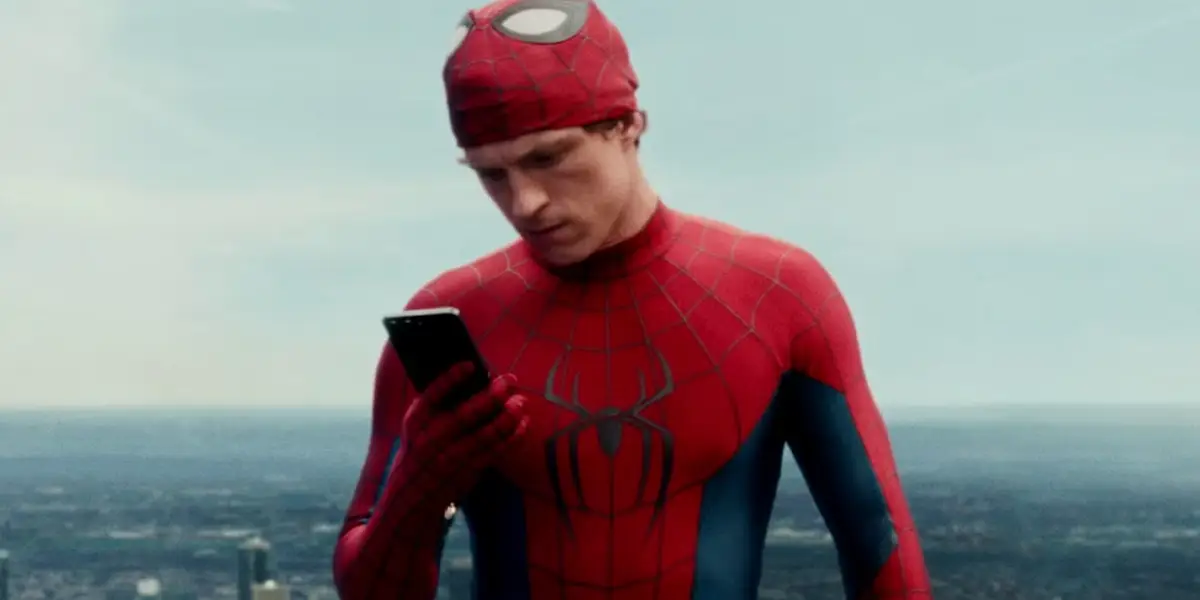
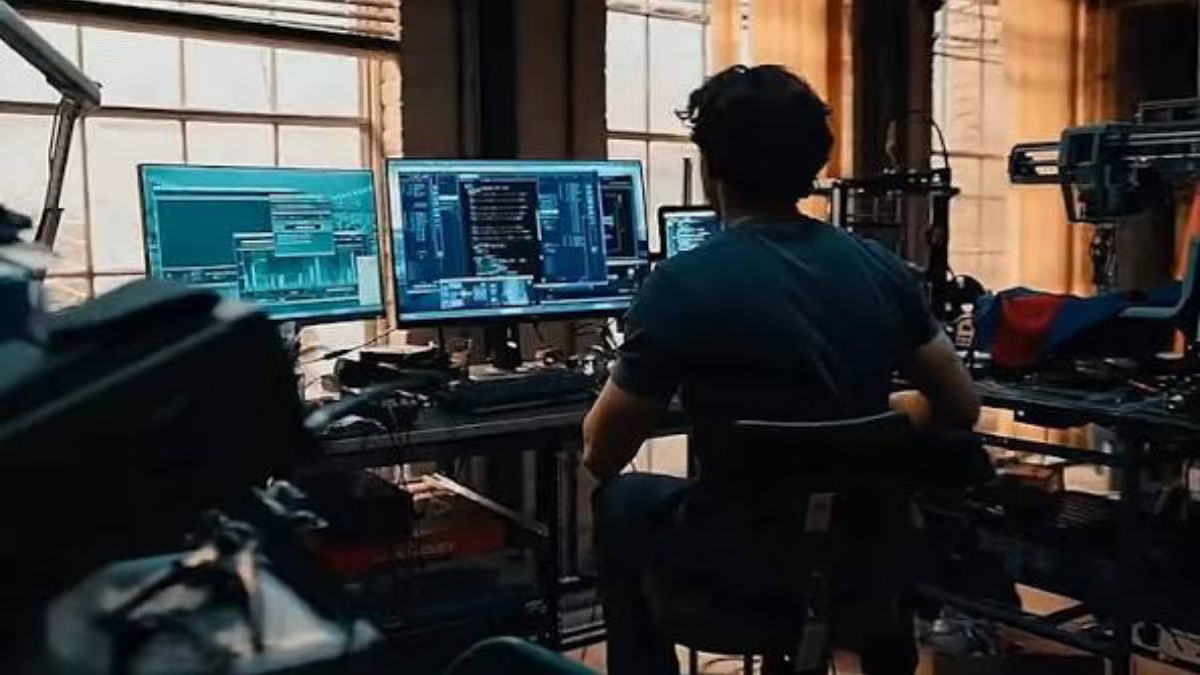
But that’s what happens next. While hunting for the classic Spider-Man villain, Scorpion, Peter Parker tells a cop that he has every camera in the city running a facial recognition scan for him. The cop’s reply basically portrays the film’s entire ethics department: “That sounds illegal. I’m going to pretend I didn’t hear that.”The facial recognition system is addressed only once more, when Parker’s friend, Frank, casually mentions it as part of their banter: “What do you expect me to do till then—just gonna hope that your facial tracking program works,” treating the system as a purely practical tool, with no room left for the moral principles that surround it.
It is deeply unsettling to watch these scenes play out so casually, only weeks after student protesters at Delhi’s Jantar Mantar were tracked, identified, and publicly shamed through facial-recognition systems and AI tools deployed by the Delhi Police and amplified by online vigilantes.However, the friendly neighbourhood superhero has done this before. In the 2019 film, Far From Home, Tony Stark gifts Parker a pair of glasses, called “Even Dead, I’m the Hero” or EDITH. These augmented reality glasses give Parker access to global surveillance networks, drones, and target identification on command. The danger of the glasses is shown through the villain, Mysterio, who weaponises them to cause real destruction. At the end, Peter still walks off with the glasses around his neck. The technology is vindicated once the “right” user is in control. In 2021, No Way Home finally takes them away. However, the latest film once again brings back facial recognition and mass surveillance.But it seems that as long as our beloved Spider-Man is the one behind the computer screen, mass surveillance is no biggie. This kind of normalisation is particularly effective because he is a Gen Z hero—funny, broke, and relatable. When he says he has every camera in the city running facial recognition, it plays as competence, not menace.Batman felt guilty. Spider-Man doesn’t