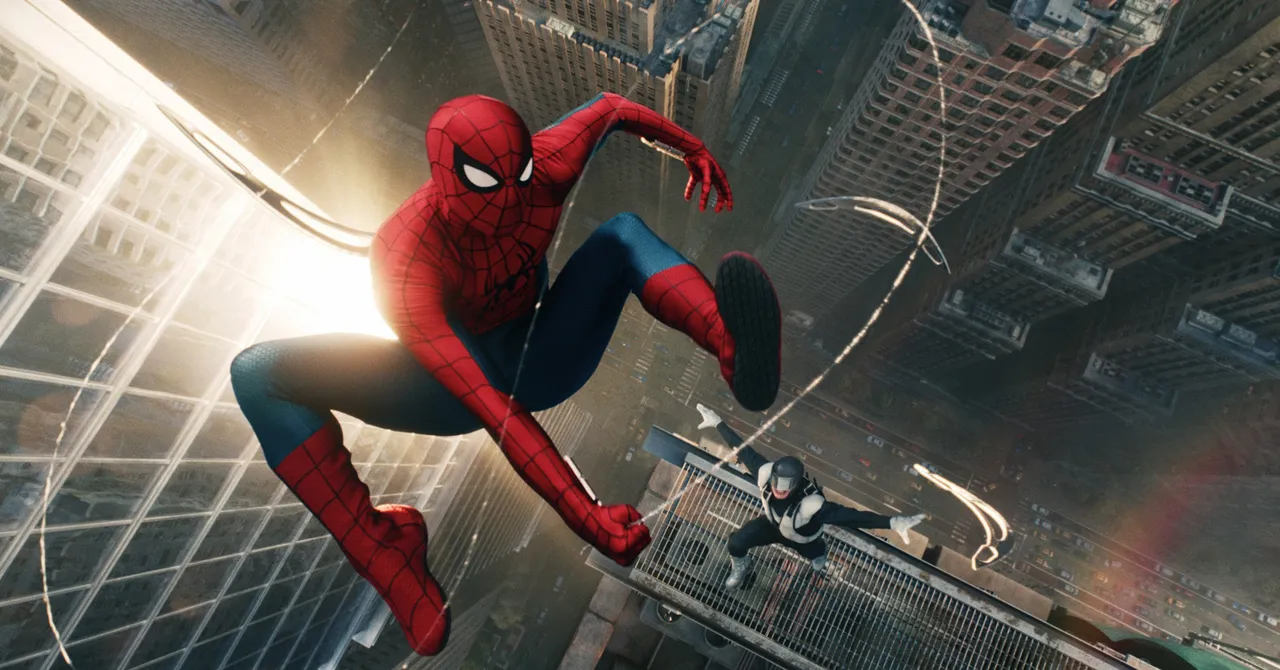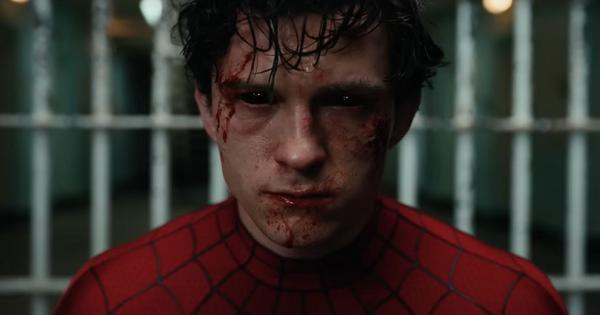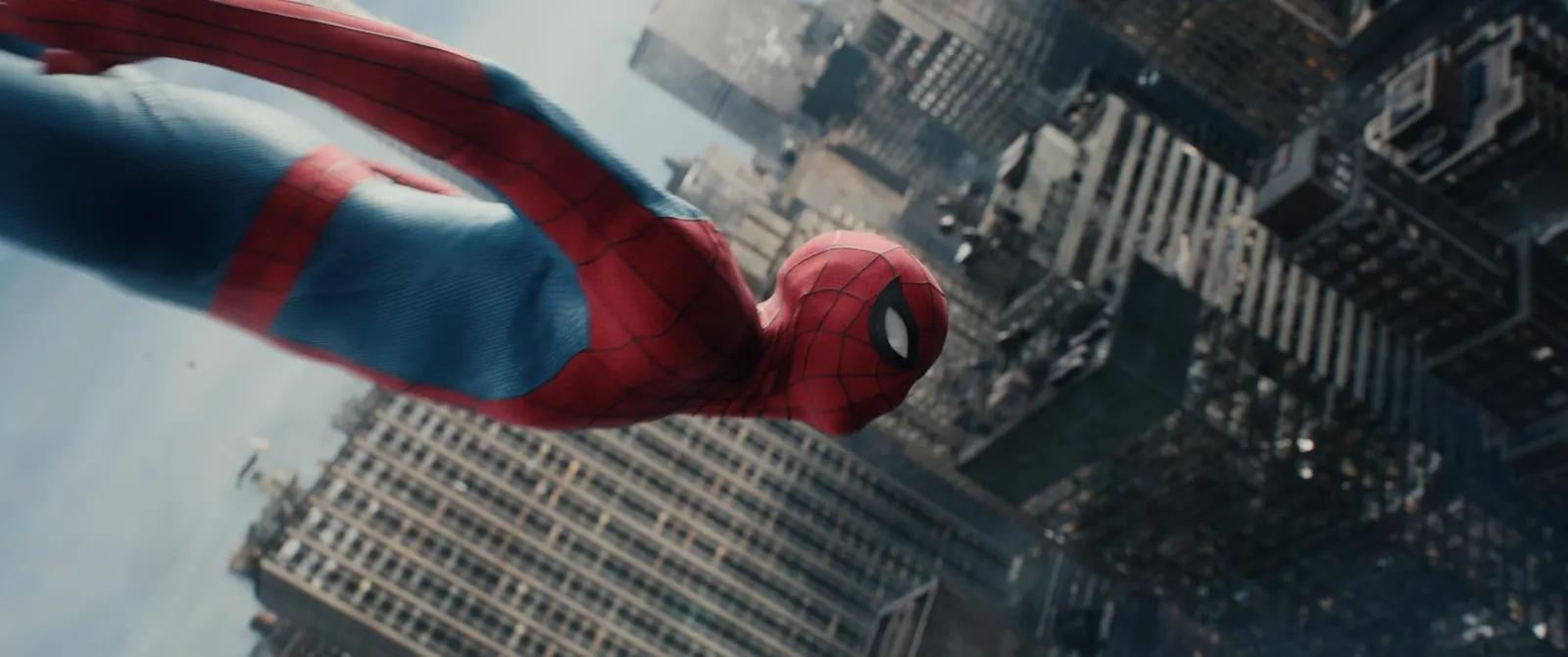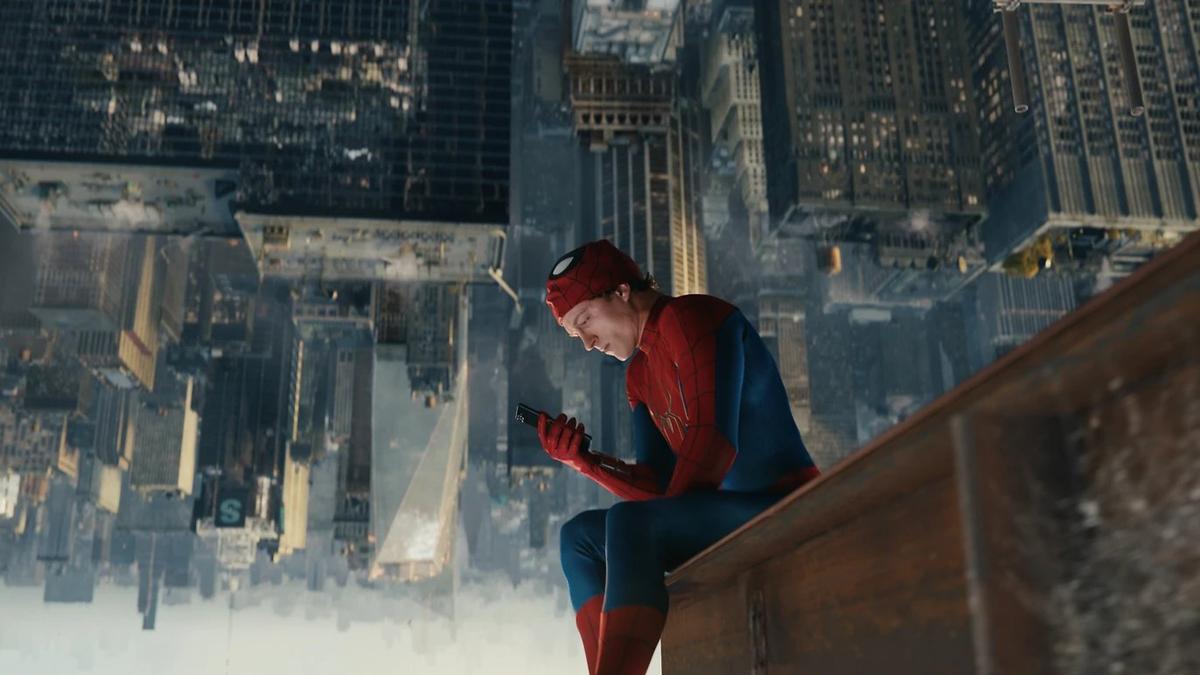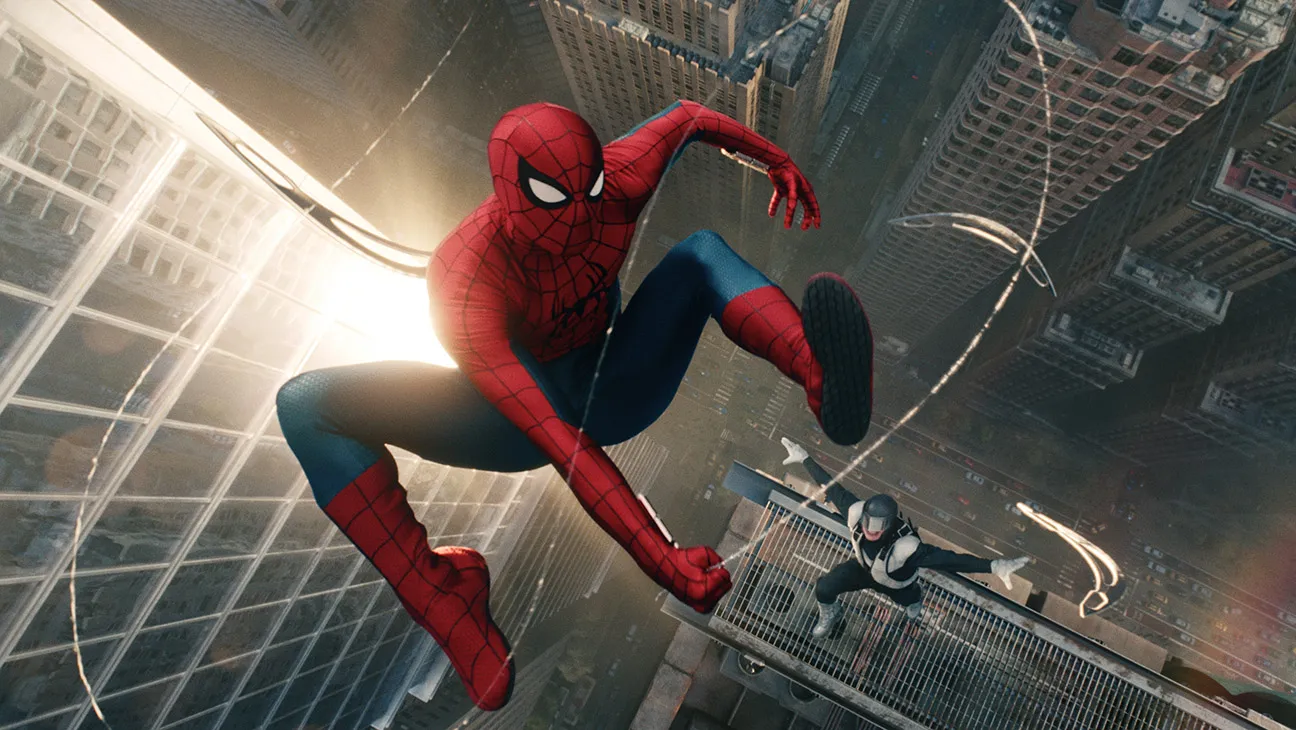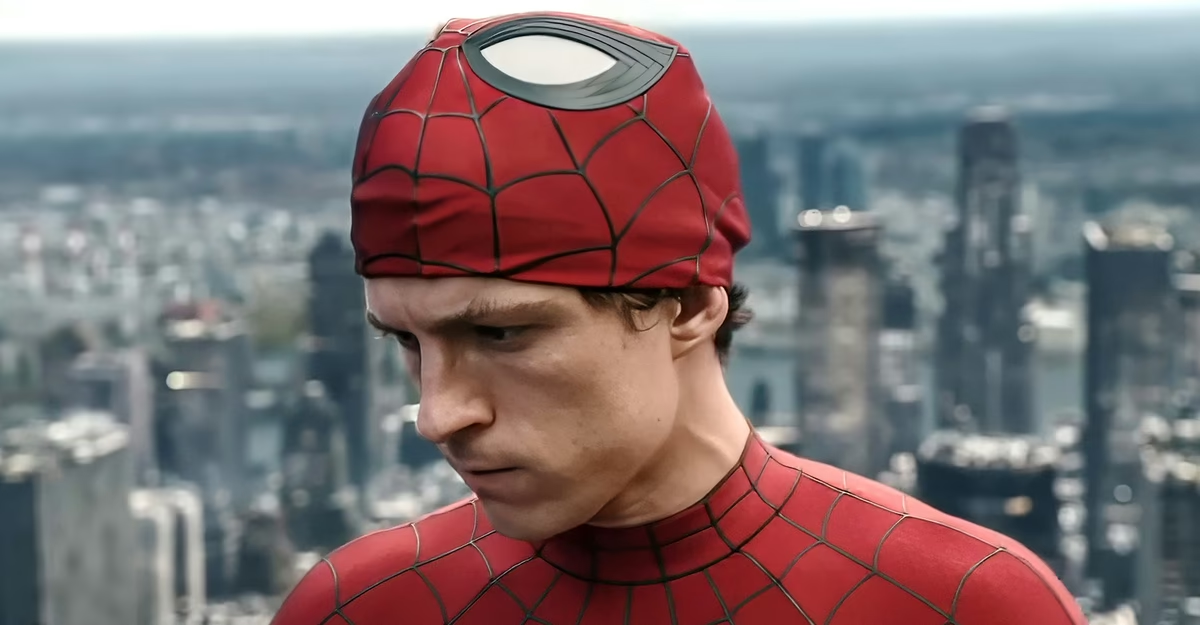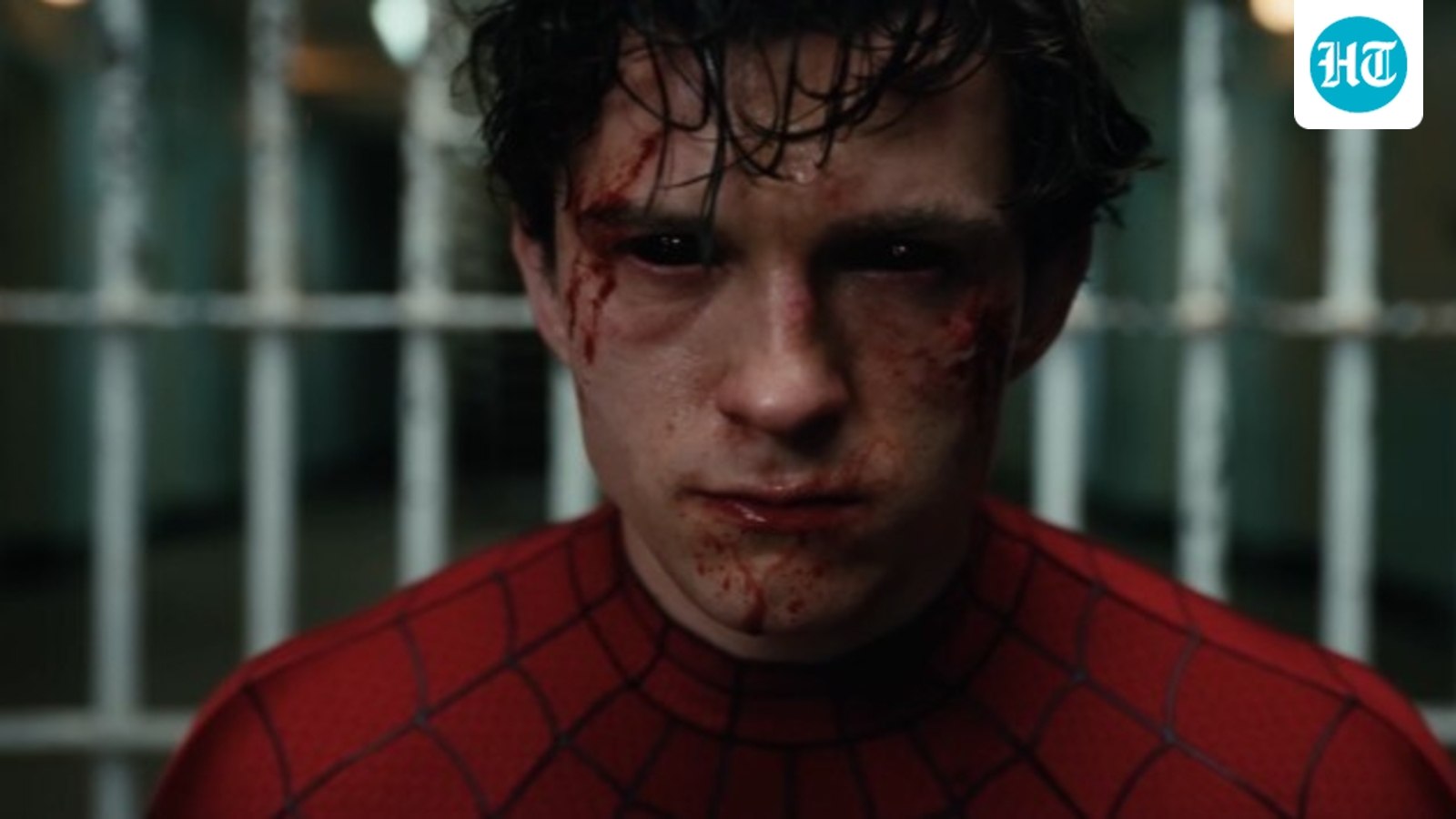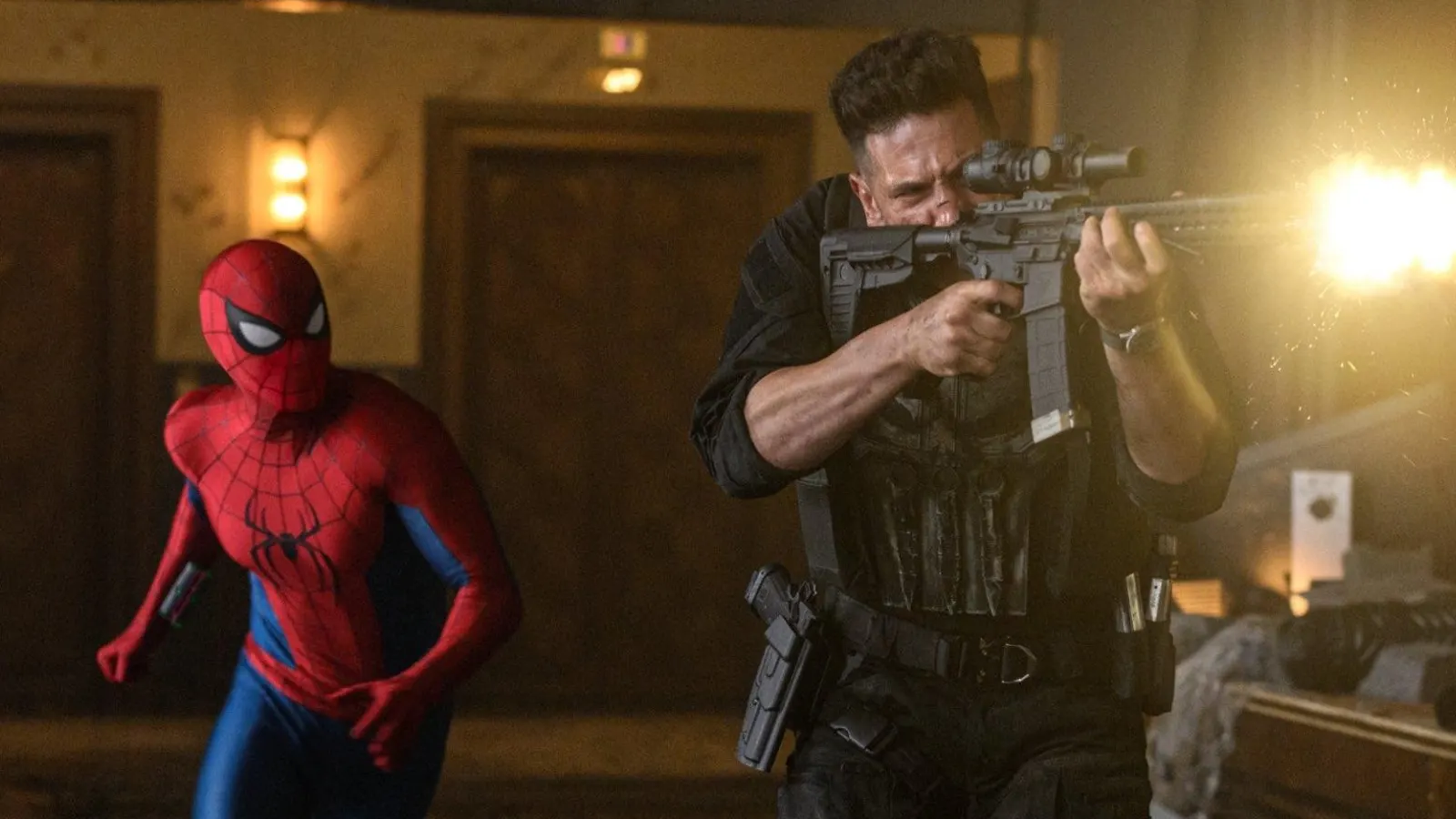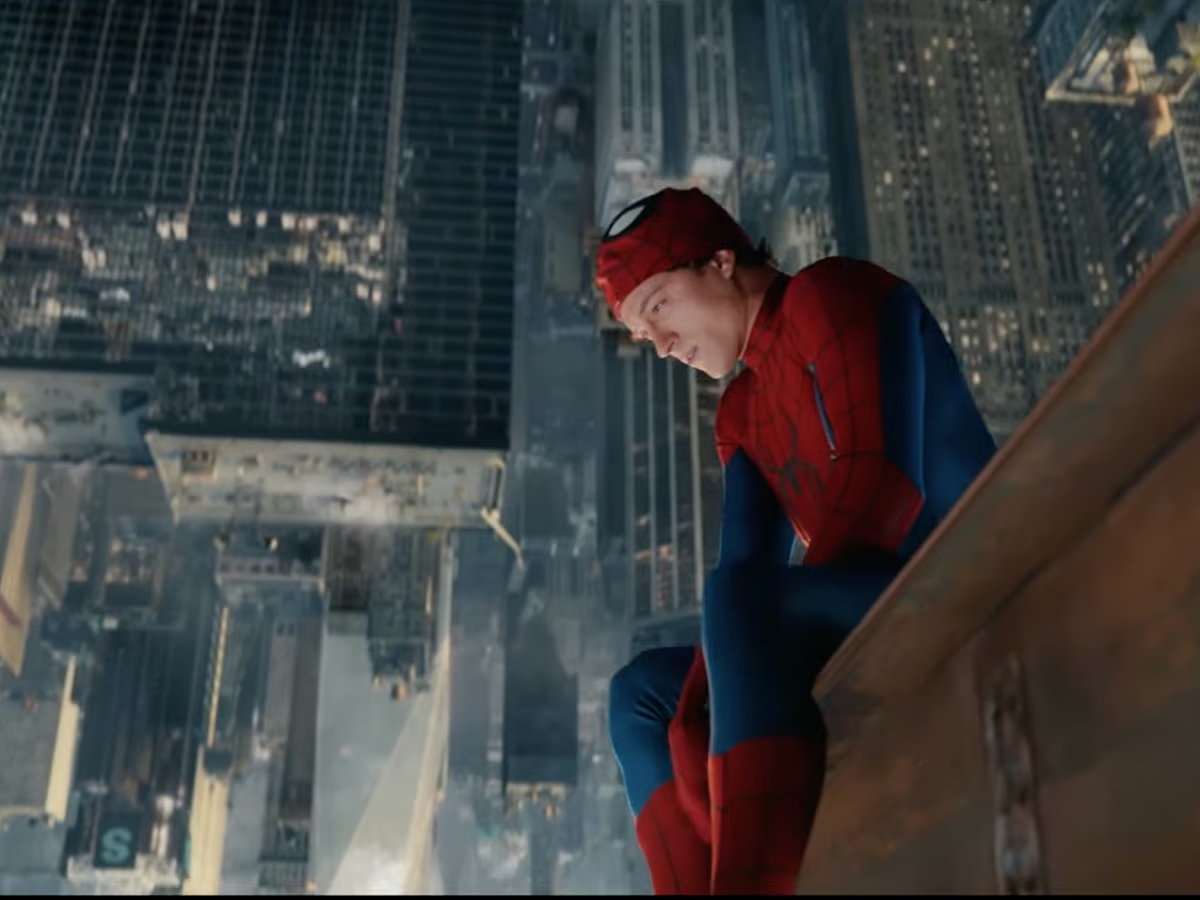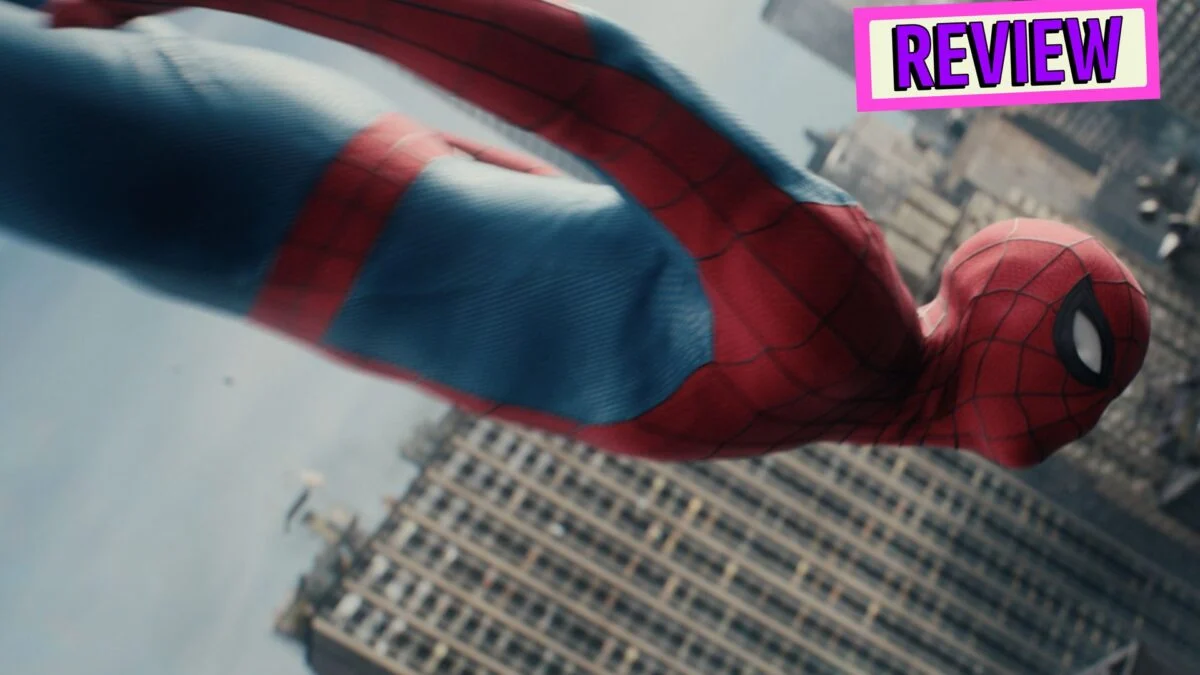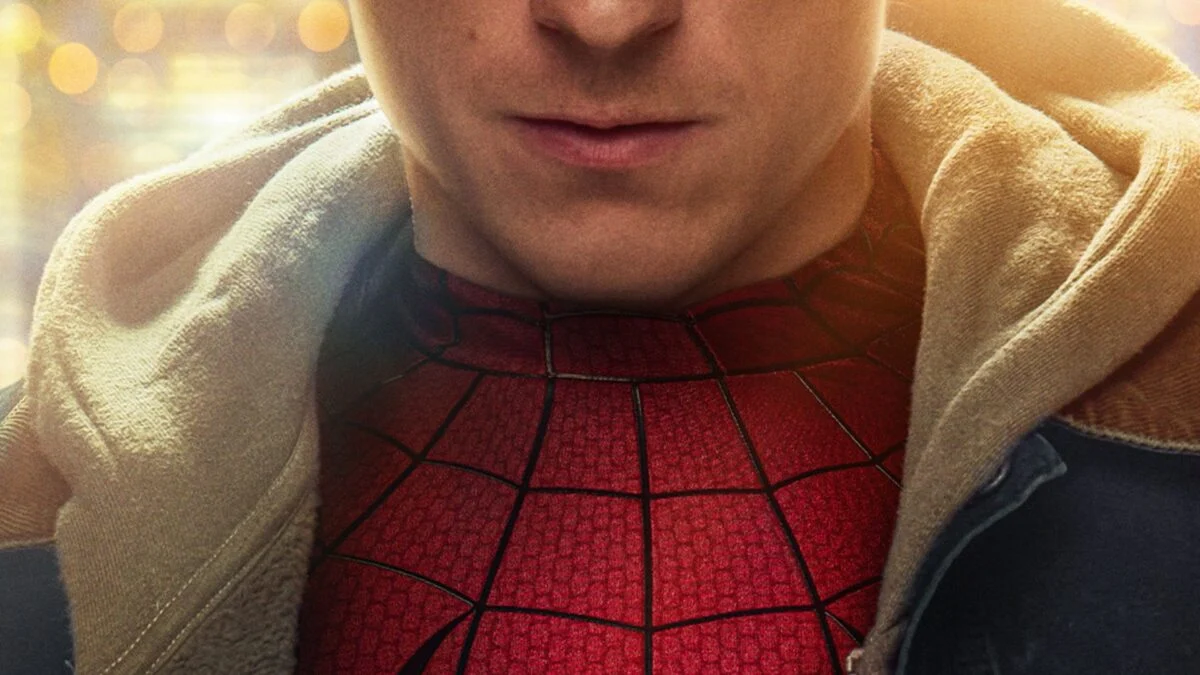
Since its marketing cycle started, Spider-Man: Brand New Day has been talked up as a soft reboot in many respects. This is, as Tom Holland’s said, a Spider-Man film for the fans, made clear with a focus on talking up the practical work and taking Peter Parker out of the Avengers’ orbit to focus on him as a person.
To watch this movie is like watching the end of the SpongeBob Squarepants episode “As Seen on TV,” where SpongeBob lets briefly cameoing in a Krusty Krab commercial go to his head and doesn’t do his job. Eventually, he’s pulled out of it by accidentally dropping burgers on the grill, with a crowd celebrating him for doing “what we’ve wanted all along!” You can easily see how this applies to Spider-Man: the Home trilogy, while commercially successful, has often felt like they were Spider-Man with several elements missing, either because they’d been repeated enough times to be meaningless, or because the writers seemingly weren’t interested in them. © Sony A cynical read of Brand New Day would be to dub it “apology media,” which exists mainly as a gesture of goodwill to assure fans the creators are back on track after a divisive (sometimes toxically so) previous entry. Scream 7, Halo Infinite, and Rise of Skywalker are just some examples of an epidemic running through media, mostly through the 2020s. At worst, these works try for a “back to basics” approach that, regardless of whether it was actually needed, can feel insultingly insecure. In many instances, they require you to ignore the real world context of what’s going on: it’s hard to pretend Scream 6 or The Last Jedi warranted getting brushed off when they reviewed well and reached then-new box office benchmarks for their respective franchises. The MCU Spider-Man already had its own apology with 2021’s Spider-Man: No Way Home, which apologized three times over—not just for the MCU Peter straying so far from his street-level hero vibes, but also for Sam Raimi’s Spider-Man 3 (2007) ending on a bittersweet note and the premature end of Marc Webb’s Amazing Spider-Man films. The end of that film, wherein Holland’s Peter rocks a more classic costume and swings to deal with a simple robbery, was a promise that this Peter would be more about his city than about the universe going forward. If the next movie, which was announced before No Way Home could stretch its legs theatrically, didn’t actually take Holland’s Peter in a more scaled-back direction, what was even the point of all this?