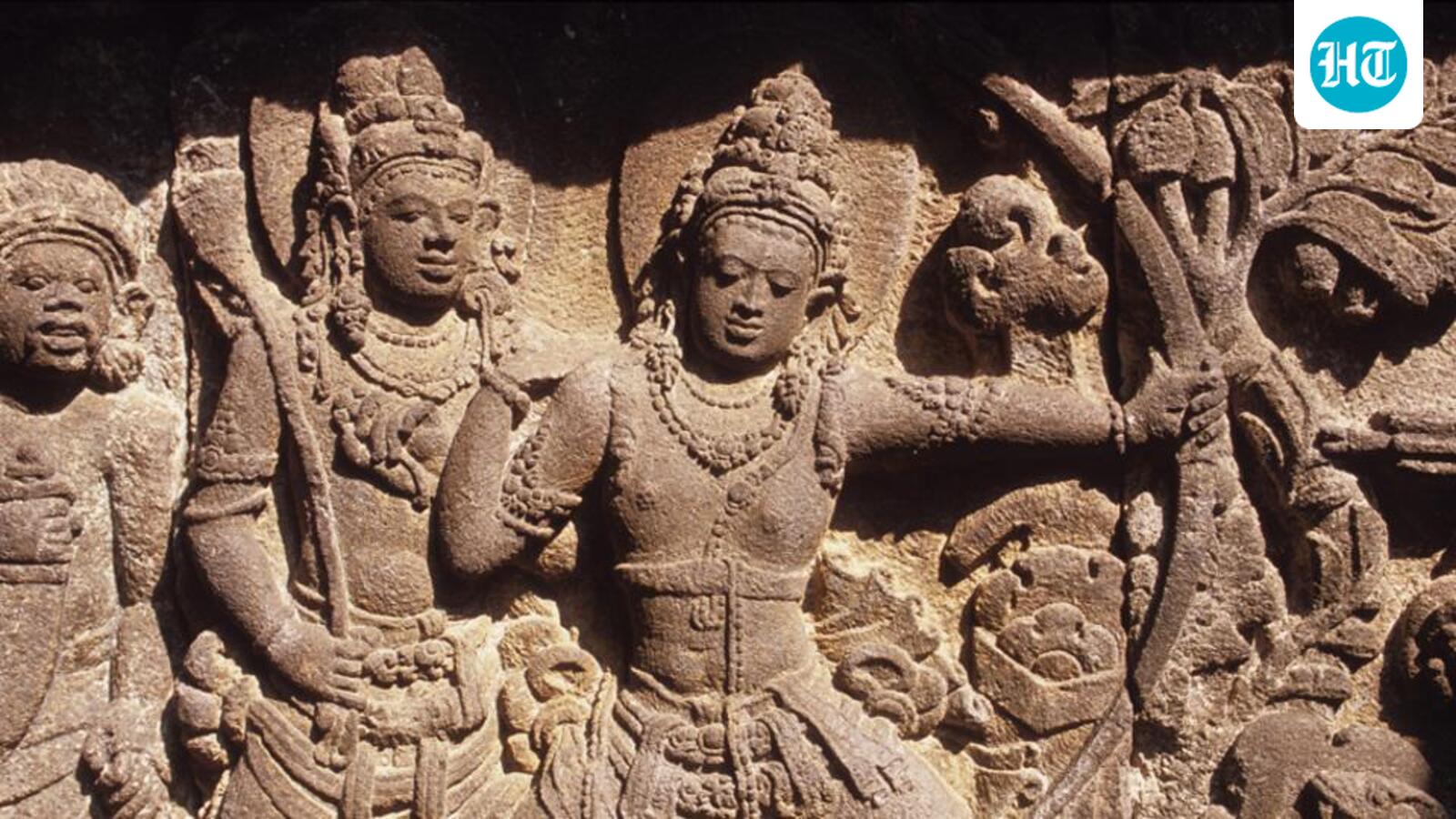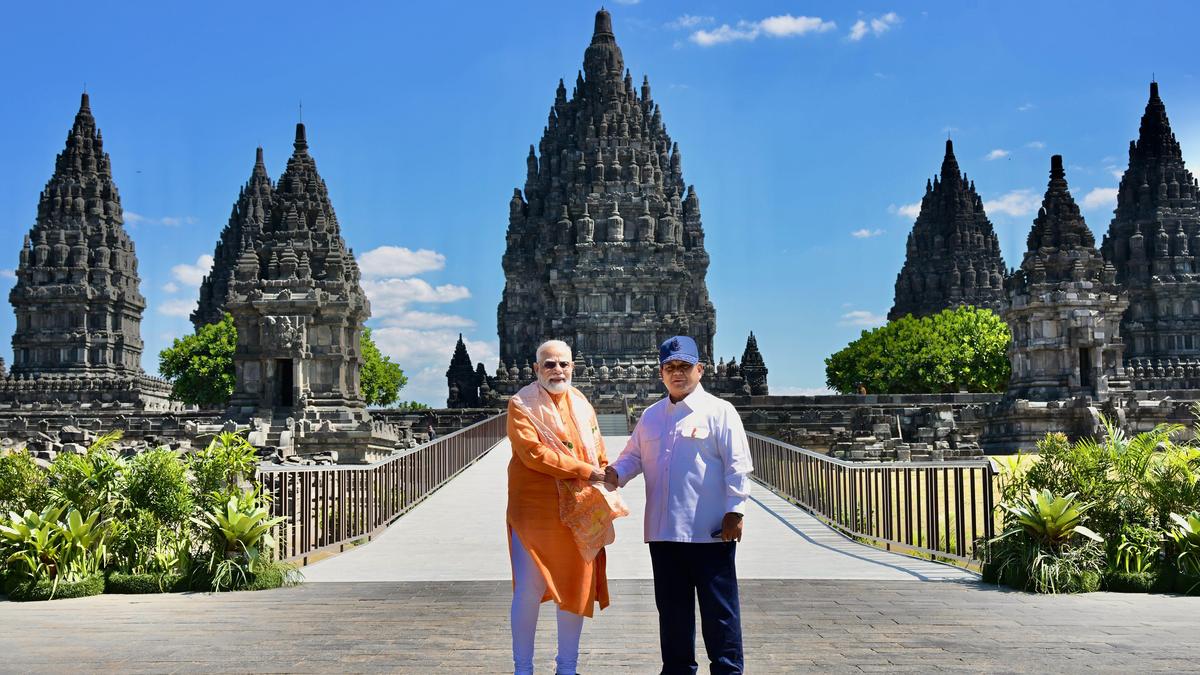
On 7 August, on the sidelines of the BRICS culture ministers’ meeting in Bhopal, Indonesia’s minister of culture Fadli Zon and his Indian counterpart Gajendra Singh Shekhawat confirmed a joint action plan to restore a hundred sub-shrines ringing the great medieval Shaiva complex at Prambanan, in central Java. The meeting closed with the Bhopal Declaration, which commits its signatories to returning cultural property taken by theft or illicit means.
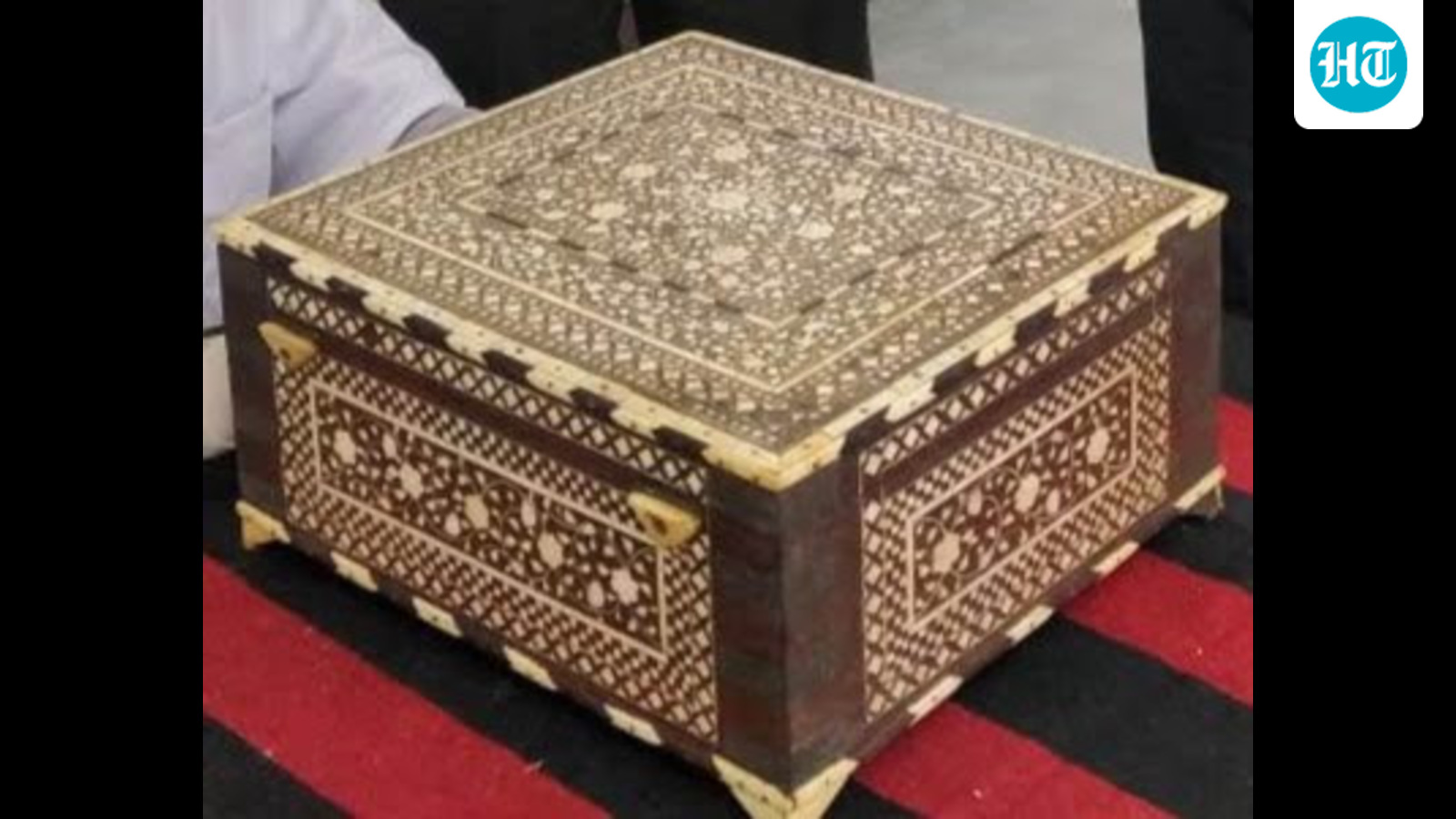
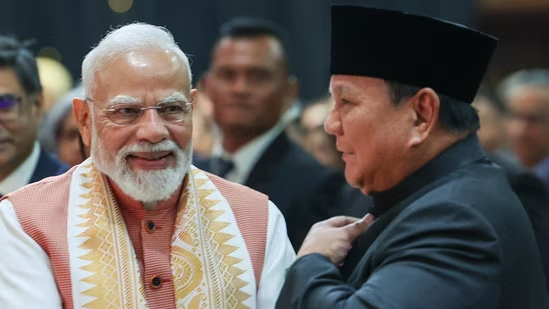
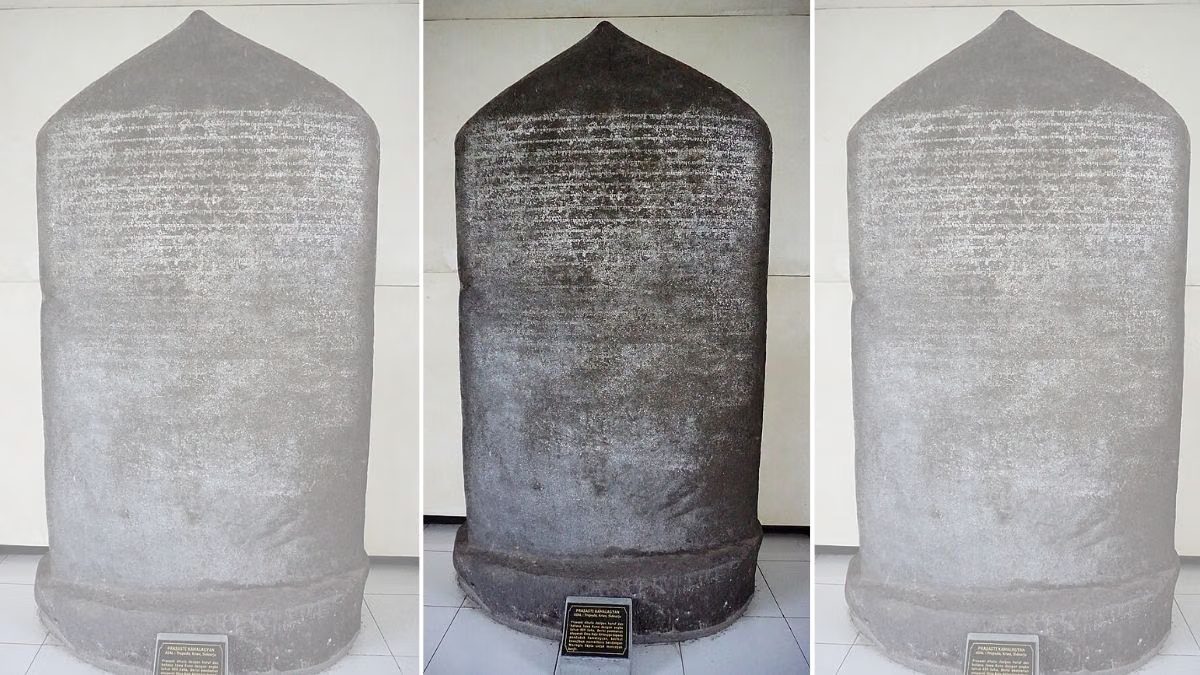
At the same bilateral, the ministers discussed the return of the Pucangan inscription—a slab of inscribed stone that has sat in a storeroom of the Indian Museum, Kolkata, for over two centuries. It was issued by the 11th-century king Airlangga, seen as a key national figure in Indonesia. Zon earlier told reporters in Jakarta that he had raised it with Prime Minister Narendra Modi during his visit, and that Modi had said he would take action.Three months ago, Indian diplomats and academics successfully secured the return of the Leiden Plates, a crucial record of South India’s medieval connections, uprooted by networks of colonial European power. The Pucangan stone is, in a way, Indonesia’s Leiden Plates. Returning it is not only a moral duty, but a key step toward healing colonial scars in the Indian Ocean.