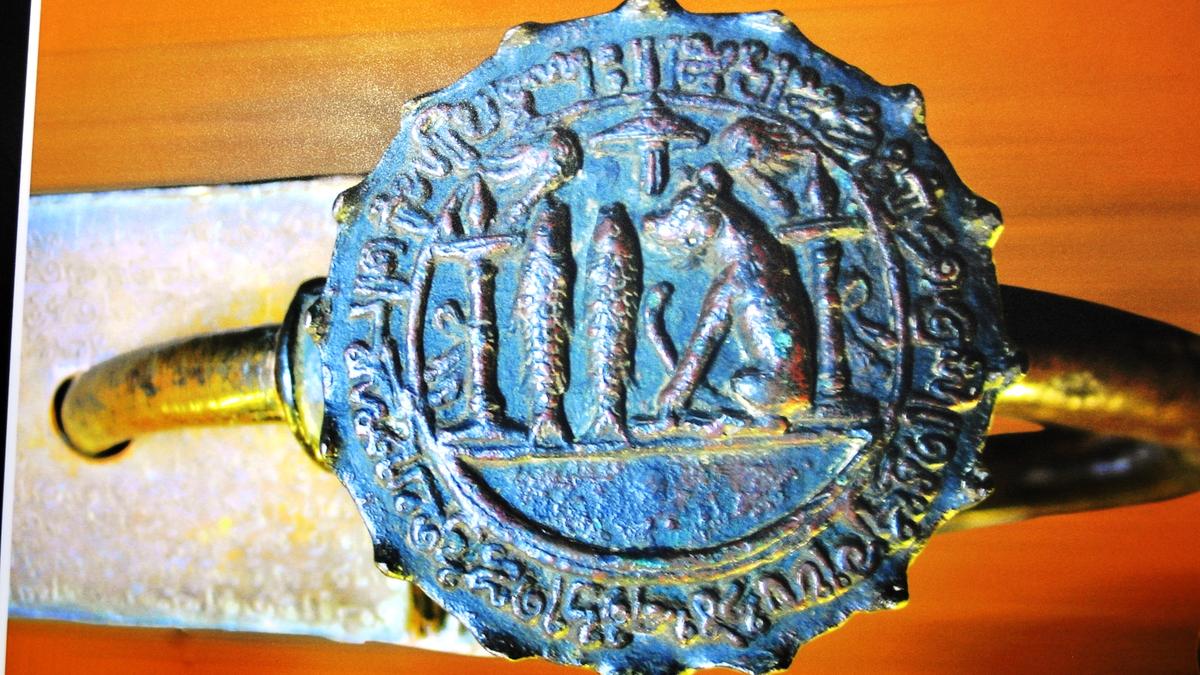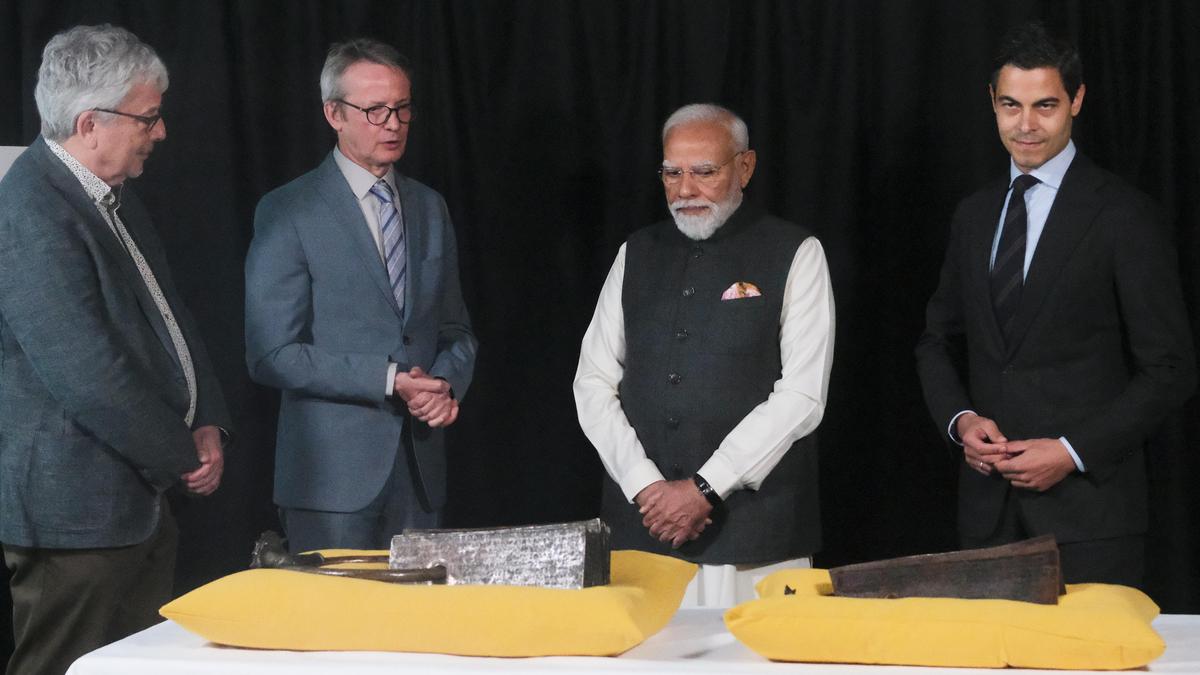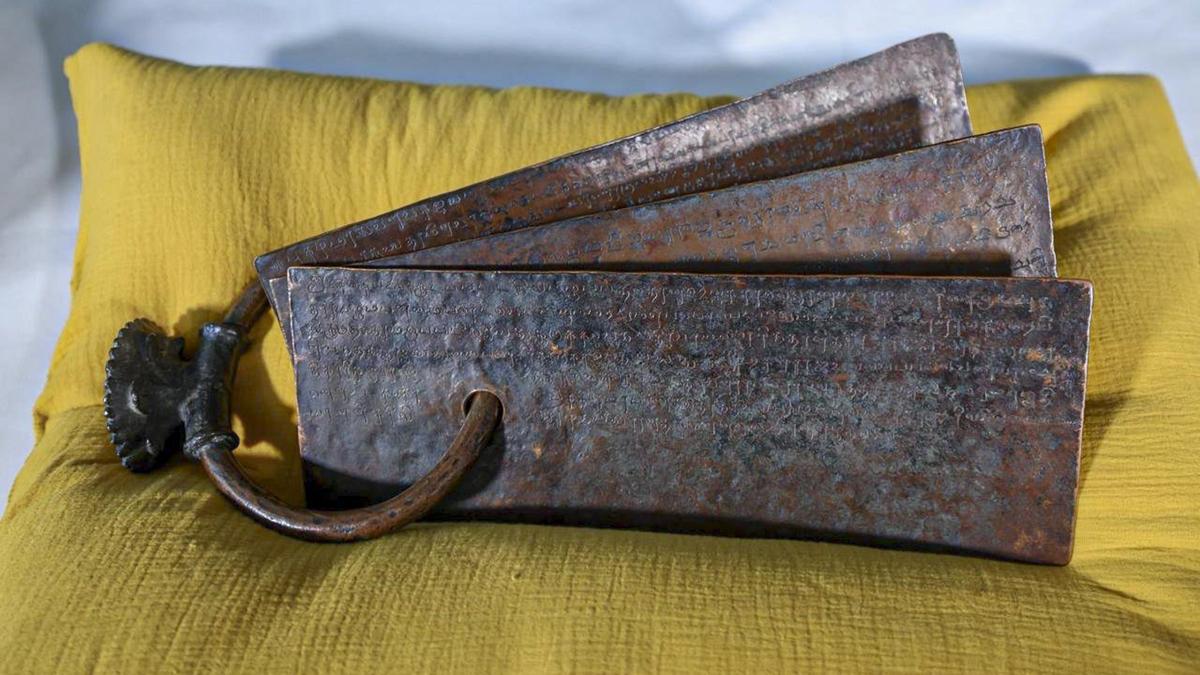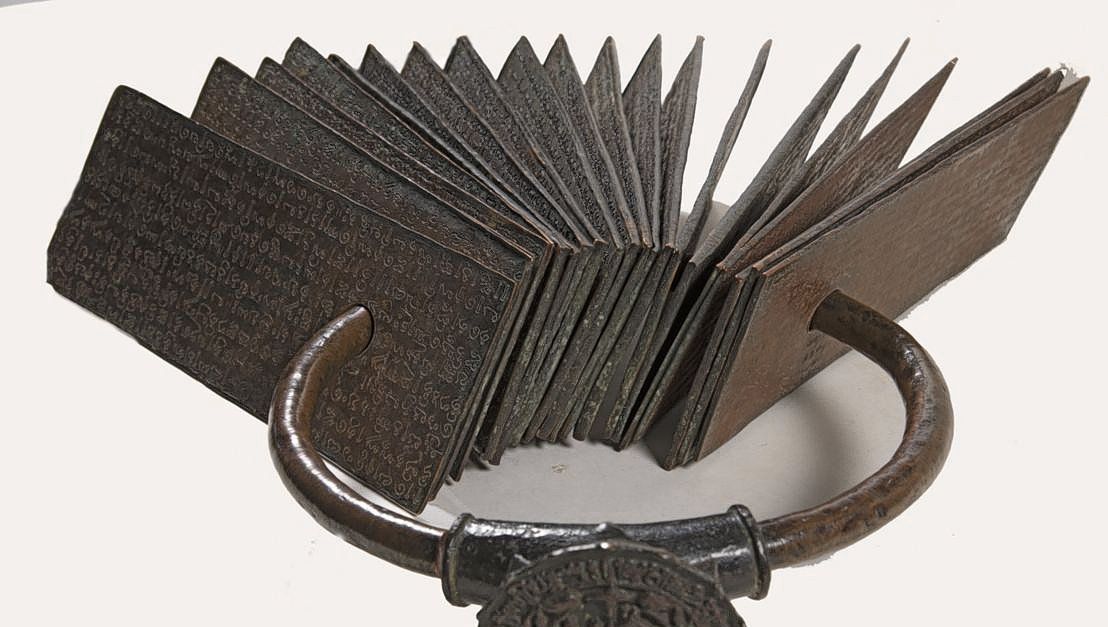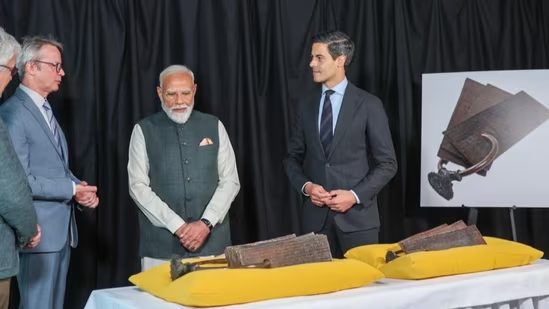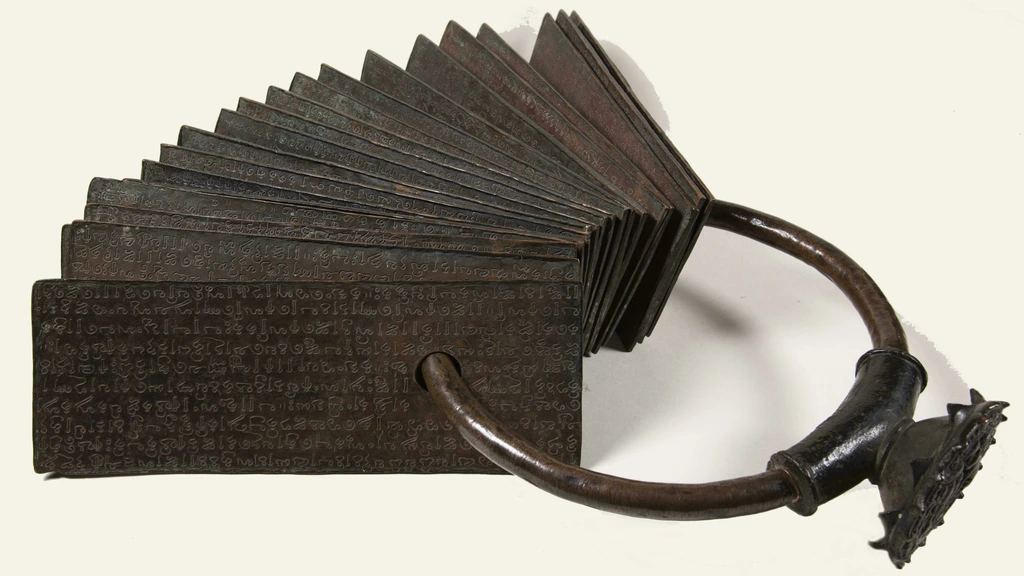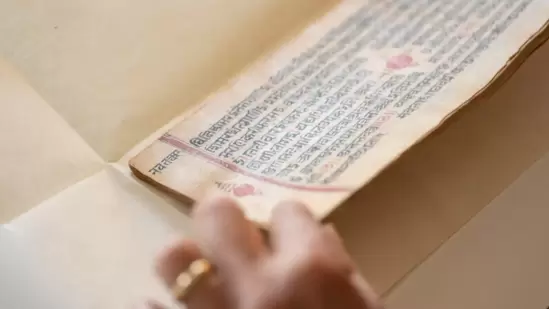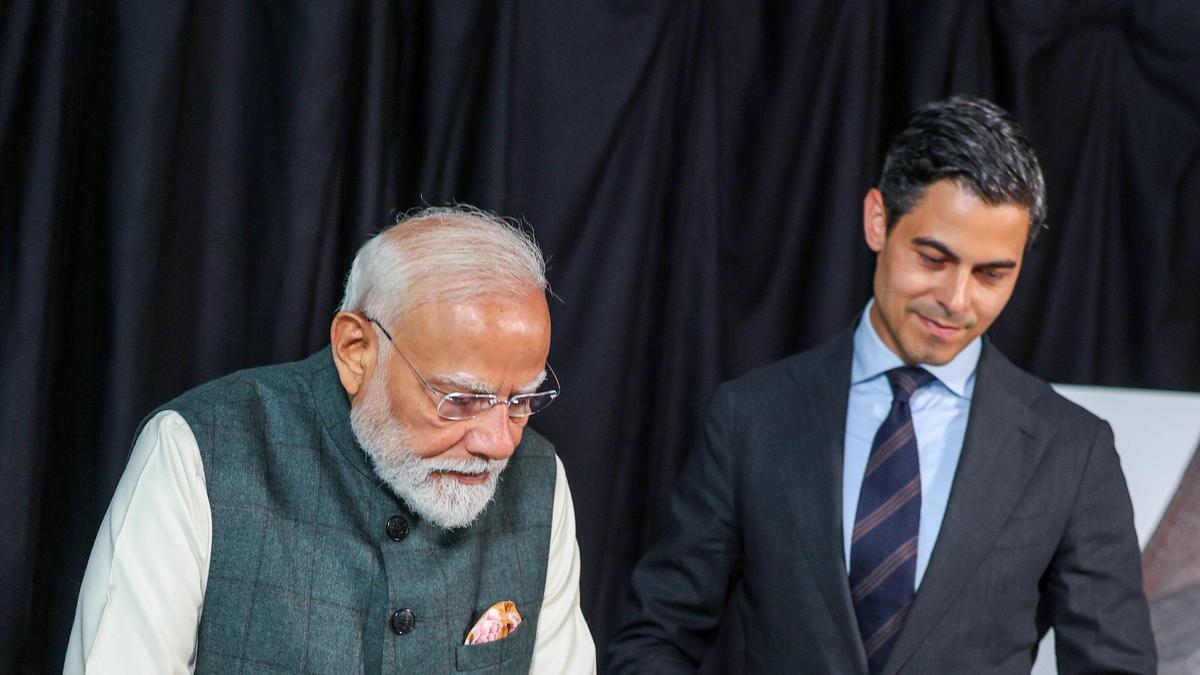
The return of the Chola-era Anaimangalam copper plates charter from the Netherlands this week marks a watershed event in the history of the repatriation of India’s invaluable bronzes, stone sculptures, and carved temple pilasters, according to historians and archaeologists.The artefacts, which have been in the possession of Leiden University for almost two centuries and are popularly known as the Leiden copper plates, were presented in a ceremony at the Hague on Saturday (May 16), in the presence of Prime Minister Narendra Modi and his Dutch counterpart Rob Jetten.“This is the first time that the Chola-period copper plates are being brought back to India,” said V. Vedachalam, an archaeologist who specialises in the Pandya, Pallava and the Chola copper plate charters, welcoming the development. “We should make efforts to bring back the Velvikkudi copper plates issued by the Pandya ruler Parantaka Nedunchadaiyan (regnal years 765 -815 CE) from the British Museum, London, to Tamil Nadu,” he added.‘Enduring record of Tamil history’Former Tamil Nadu Archaeology Minister Thangam Thenarasu, who is also a scholar of Chola history, said the Anaimangalam copper plate inscriptions were “enduring records of Tamil history, culture, and the grandeur of the Chola era.”The late R. Nagaswamy, who was the director of the Tamil Nadu State Department of Archaeology, had described the artefacts in this way in a 2009 lecture: “One of the most important copper plates of Raja Raja Chola I (regnal years 985-1014 CE) is from Anaimangalam near Nagapattinam.”The plates recorded Raja Raja Chola I’s gift of land at Anaimangalam village to a Buddha vihara, he had said. This vihara was built by the king Sri Mara Vijayotunga Varman of Java in the name of his father Sri Chudamani Varman, and so was called the Chulamanivarma Vihara. Unfortunately, the tower of the vihara itself was demolished by Jesuit priests in 1867, with the permission of the colonial government of Madras.How Saivite kings helped build a Buddhist vihara“The plates are an interesting example of how a Saivite king helped in building a Buddha vihara,” Nagaswamy said, according to an article published in The Hindu on December 25, 2009.While Raja Raja Chola I gave the order for building the Buddha vihara, it was his son Rajendra Chola I (regnal years 1014-1044 CE), who implemented the command. This is mentioned in the larger Leiden plates, Dr. Vedachalam said. The Chulamanivarma Vihara was also called the Raja Raja Cholan Perumpalli (or the big vihara), during the time of Rajendra Chola I.“The Leiden copper plates… are a complete set of 21 large plates and three small plates. The large plates were committed to writing by Rajendra Chola I in five Sanskrit plates and 16 Tamil plates, honouring his father Raja Raja’s oral commitment,” says K. Kirubanidhi in the book titled, Epic saga of the Cholas: Their art, temples and heritage, first published by The Hindu in August 2023.“The small plates in Tamil, later given effect to by Kulottunga Chola I (regnal years 1070-1120 CE), talk about the additional grants made to the sangha associated with the vihara in Nagapattinam,” Mr. Kirubanidhi wrote.Dr. Vedachalam added that two emissaries from the Javanese kingdom appealed to Kulottunga Chola I to ensure the implementation of Raja Raja Chola I’s order. Kulottunga not only gave them that assurance but made a grant of 4,500 kalam (a unit of measurement) of paddy plus land to the Chulamanivarma vihara. This was in addition to Raja Raja Chola I’s grant of 8,943 kalam of paddy.Chola insigniaThe Leiden plates were strung together by a ring bearing the royal insignia of the Chola dynasty. These included a tiger, the royal emblem of the Cholas, the two fish of the Pandyas, the bow of the Cheras, two chamaras, the royal parasol, lamps, and a swastika. The inclusion of the two fish and the bow signified that the Cholas had defeated the Pandyas and the Cheras.The bigger Leiden plates carry the word ‘Anaimangalam’ in Tamil on the royal emblem, and a short sloka in Sanskrit in praise of Rajendra Chola I, Dr. Vedachalam said. The small plates carry a brief sloka lauding Kulottunga Chola I.
Return of Leiden copper plates should spark efforts for further repatriations, say Indian archaeologists
Indian archaeologists urge for further repatriations following the return of 8th-century Leiden copper plates from the Netherlands.
680 words~3 min read