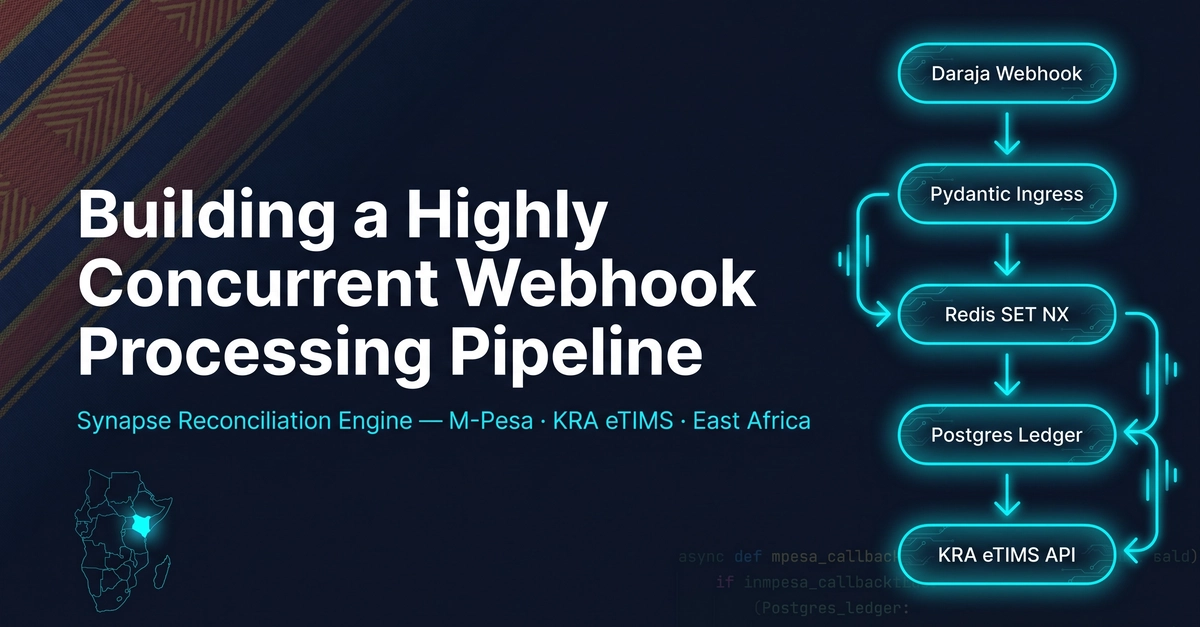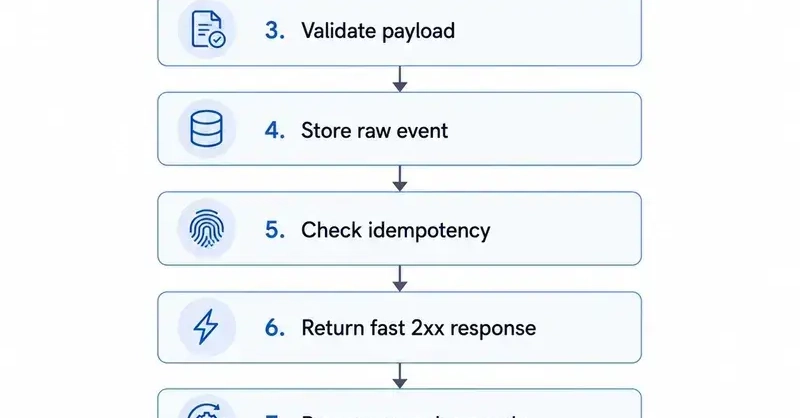
Throughout my career I have designed and implement tens of webhook handlers from Payments systems and delivery trackers to chat and real time communication backends and crypto services. Although all software providers use different rules, authentication mechanisms, and retry policies, the same fundamental knowledge applies to all cases.
In this tutorial I will share my experience on how to design, implement, test and deploy production-grade webhook handlers.
If you want to explore this topic in more depth and apply these guidelines in practice, I created a webhook-consumer-handbook repository. It includes practical patterns for building production-ready webhook consumers, along with implementation examples and reusable AI skills. Check it out.
What is the webhook and why it is needed?
For the official menaing you can refer to the wikipeadia article. I will explain it in easy words how I personally understand it. A webhook is an event or process that occurs when one server sends a notification to another server; thus, it is a way for one server to communicate information about a specific event to another server.