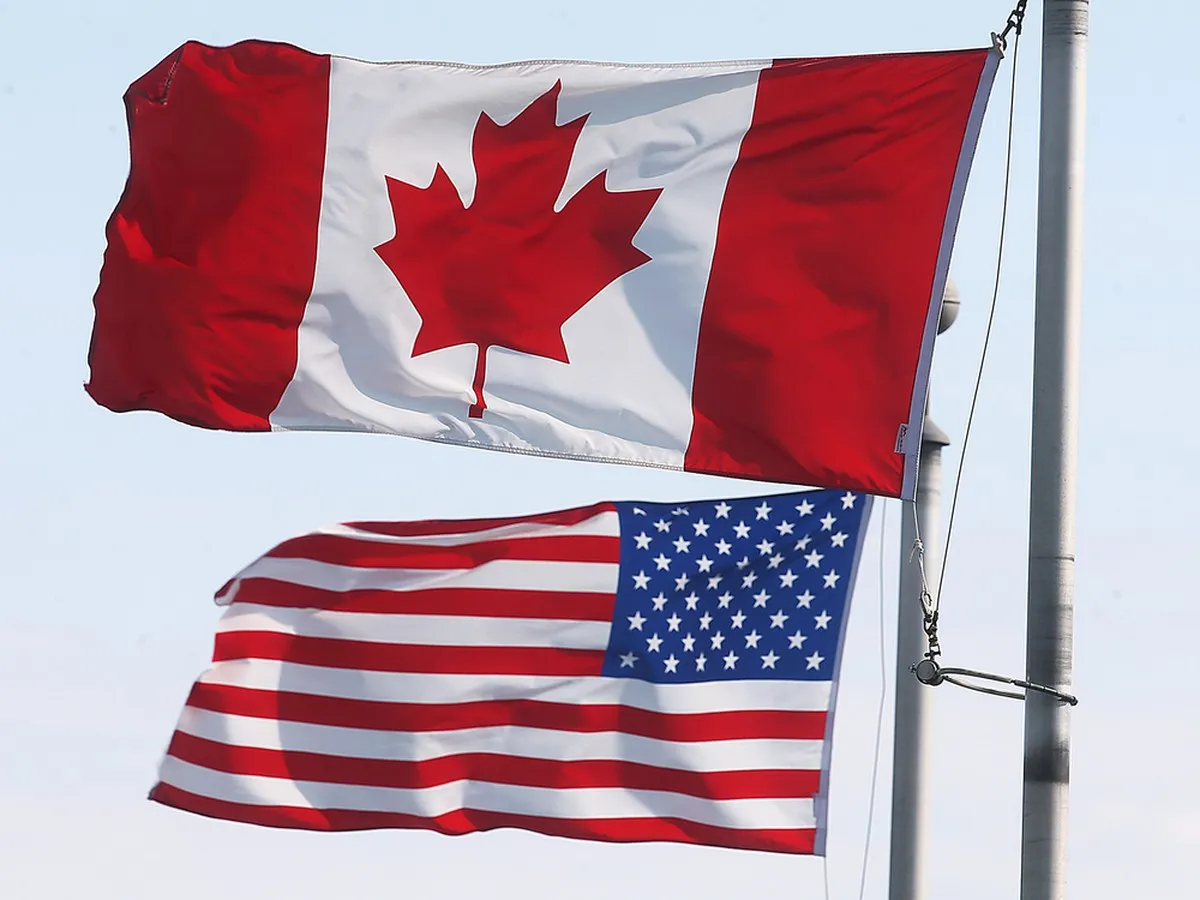
Skip to Content Subscribe Our Offers My Account Manage My Subscriptions FAQ Newsletters Canada Canadian True Crime Canadian Politics Health World Israel & Middle East Financial Post NP Comment Longreads Puzzmo Diversions Comics NP News Quiz New York Times Crossword Horoscopes Life Eating & Drinking Style Sponsored Play for Ontario Travel Travel Canada Travel USA Travel International Cruises Travel Essentials Culture Books Celebrity Movies Music Theatre Television Business Essentials Advice Lives Told Tails Told Shopping Buy Canadian Home Living Outdoor Living Kitchen & Dining Tech Style & Beauty Personal Care Entertainment & Hobbies Gift Guide Travel Guide Amazon Prime Day Deals Savings National Post Store More Sports Hockey Baseball Basketball Football Soccer Golf Tennis Driving Vehicle Research Reviews News Gear Guide Obituaries Place an Obituary Place an In Memoriam Classifieds Place an Ad Celebrations Working Business Ads Archives Healthing Epaper Manage Print Subscription Profile Settings My Subscriptions Saved Articles My Offers Newsletters Customer Service FAQ Newsletters Canada World Financial Post NP Comment Longreads Puzzmo Diversions Life Shopping Epaper Manage Print Subscription HomeNewsCanadaCBSA grants third extension to remote border crossing permits used mostly by AmericansThe agency maintains it is still planning to replace its Remote Area Border Crossing Program with telephone reporting sites, at least two of which are already activeLast updated 6 minutes ago You can save this article by registering for free here. Or sign-in if you have an account.Canadian and American flag along the Detroit River in Windsor. Photo by Dan Janisse /The Windsor StarThe Canada Border Services Agency is replacing its Remote Area Border Crossing Program with a telephone reporting system.Enjoy the latest local, national and international news.Exclusive articles by Conrad Black, Barbara Kay and others. Plus, special edition NP Platformed and First Reading newsletters and virtual events.Unlimited online access to National Post.National Post ePaper, an electronic replica of the print edition to view on any device, share and comment on.Daily puzzles including the New York Times Crossword.Support local journalism.Enjoy the latest local, national and international news.Exclusive articles by Conrad Black, Barbara Kay and others. Plus, special edition NP Platformed and First Reading newsletters and virtual events.Unlimited online access to National Post.National Post ePaper, an electronic replica of the print edition to view on any device, share and comment on.Daily puzzles including the New York Times Crossword.Support local journalism.Create an account or sign in to continue with your reading experience.Access articles from across Canada with one account.Share your thoughts and join the conversation in the comments.Enjoy additional articles per month.Get email updates from your favourite authors.Create an account or sign in to continue with your reading experience.Access articles from across Canada with one accountShare your thoughts and join the conversation in the commentsEnjoy additional articles per monthGet email updates from your favourite authorsSign In or Create an AccountorThe RABC program involves travel permits that allow travellers to enter Canada through remote areas that cross the Canada-U.S. border. However, the telephone reporting system has yet to be fully launched. This week the CBSA extended the RABC program for the third time in less than a year.In an August 10 statement, the CBSA said RABC permits will be extended to Nov. 30, 2026. They cover several remote areas, including: the Northwest Angle Area, Pigeon River through to and including Lake of the Woods, the Canadian shore of Lake Superior, the Sault Ste. Marie upper lock system and Cockburn Island.Get a dash of perspective along with the trending news of the day in a very readable format.By signing up you consent to receive the above newsletter from Postmedia Network Inc.A welcome email is on its way. If you don't see it, please check your junk folder.The next issue of NP Posted will soon be in your inbox.We encountered an issue signing you up. Please try againAs of Dec 1, all travellers entering Canada through these remote areas will be required to report to the CBSA at a port of entry or a designated telephone reporting site.National Post has contacted the CBSA for more details about the planned sites.The CBSA has said in the past that the telephone reporting will build on processes already in place across Canada and ensure “a consistent level of security” with expectations of compliance. The CBSA also suggests it will be equal to U.S. Customs and Border Protection measures, used when entering the U.S. via remote areas.These changes will primarily impact Americans, who make up 90 per cent of the approximately 11,000 RABC annual members, according to the CBSA.Permit holders have not needed to present themselves in person at a port of entry. However, they must declare any goods they are bringing into Canada. Applying for a RABC Program permit requires the applicant to be a citizen or permanent resident of Canada or the U.S.At least two telephone reporting sites have been established for paddlers entering northwestern Ontario’s Quetico Provincial Park, at the Prairie Portage and Cache Bay ranger stations.According to Minnesota newspaper, The Ely Echo, the two sites were set to open in early June. Anyone else entering Canada from a border lake would need an active RABC permit, said the Echo. But after the RABC program shuts down, telephone reporting sites are to be available outside of Quetico.Paddle and Portage media reported in late June that the response to the new telephone reporting system set up for entering Quetico has “been positive.”CBSA officials also told the magazine that frequent cross-border travellers can enroll in the long-standing NEXUS program, which aims to speed up crossings between Canada and the U.S. for low-risk, pre-approved travellers. It is jointly run by the CBSA and U.S. Customs and Border Protection.NEXUS memberships are valid for five years. There is a $120 non-refundable application processing fee.“NEXUS members may call 30 minutes to 4 hours in advance of their arrival,” the CBSA told Paddle and Portage.For less frequent cross-border travellers, said the media outlet, “the (new) telephone reporting sites are efficient and extremely easy to use.”Back in March, Paddle and Portage reported that more than 200 people responded to a request from the Canadian government as to where people should report from when they cross border lakes near or in boundary waters. Approximately 240 responses were received between Jan. 26 and Feb. 13, according to the CBSA.Meanwhile, the publication states that there continues to be concern about who will be able to utilize the telephone reporting system. For example, it notes that the CBSA said telephone reporting will not be allowed for “chartered vessels, including fishing charters” or by people in “vessels carrying passengers for remuneration (money paid for work or a service).” That includes a fishing guide with paying clients.As reported by NWOnewswatch.com this week, cancellation of the RABC program will not affect boaters who cross into Canadian waters, as long as they don’t land on Canadian soil, anchor, moor or make contact with another boat while in Canadian waters, and don’t take on or allow people to disembark in Canada.Our website is the place for the latest breaking news, exclusive scoops, longreads and provocative commentary. Please bookmark nationalpost.com and sign up for our daily newsletter, Posted, here. Join the Conversation This website uses cookies to personalize your content (including ads), and allows us to analyze our traffic. Read more about cookies here. By continuing to use our site, you agree to our Terms of Use and Privacy Policy.
CBSA grants third extension to remote border crossing permits used mostly by Americans
People who are frequent travellers between Minnesota and Ontario could enroll in the NEXUS Program, the CBSA told local state media.
1,219 words~6 min read