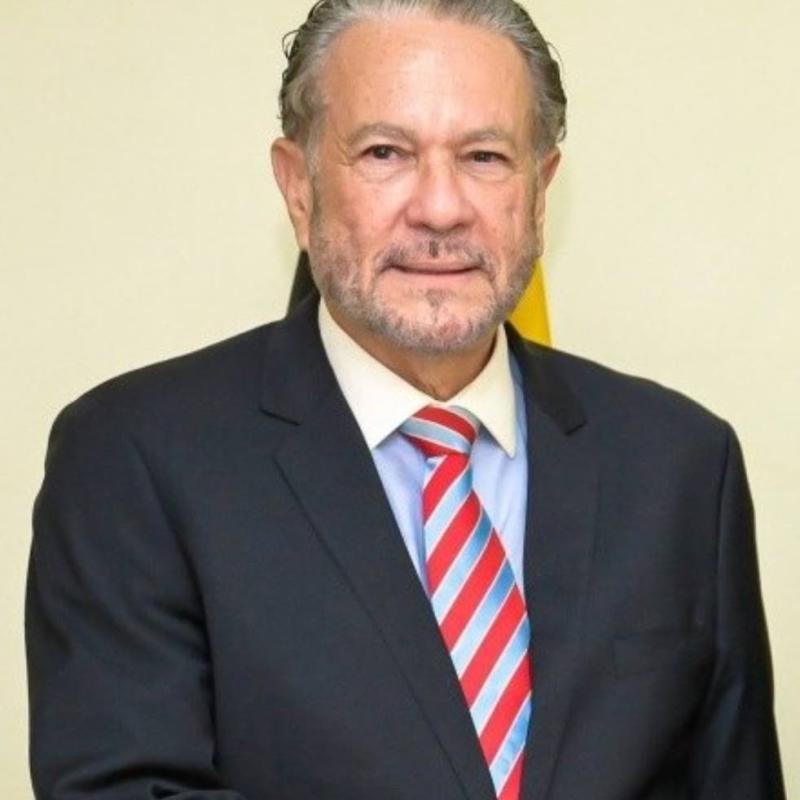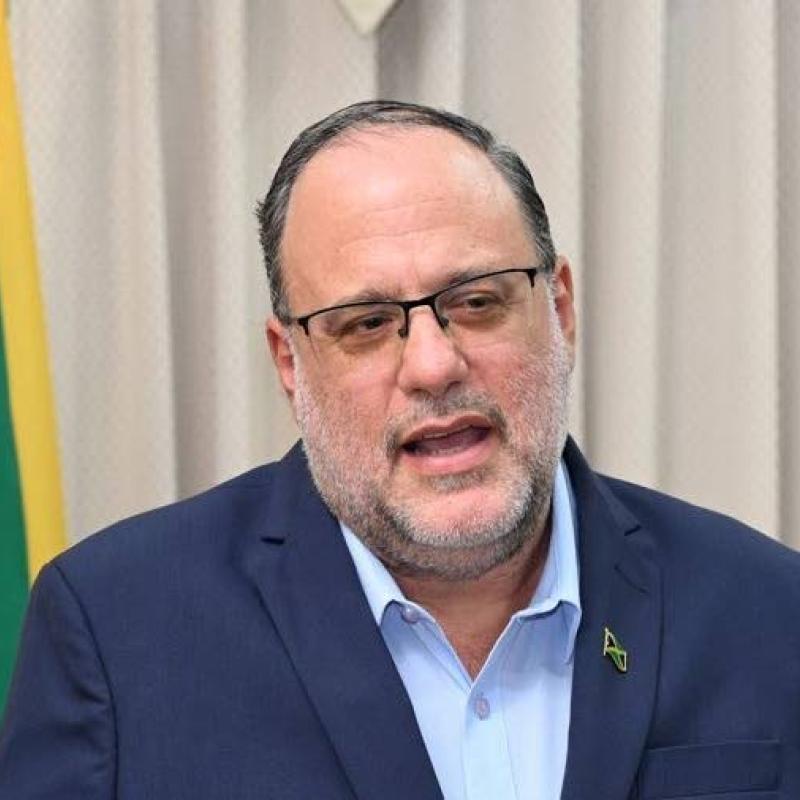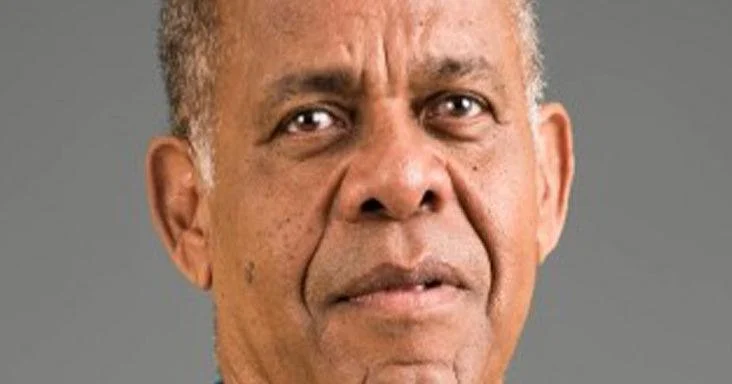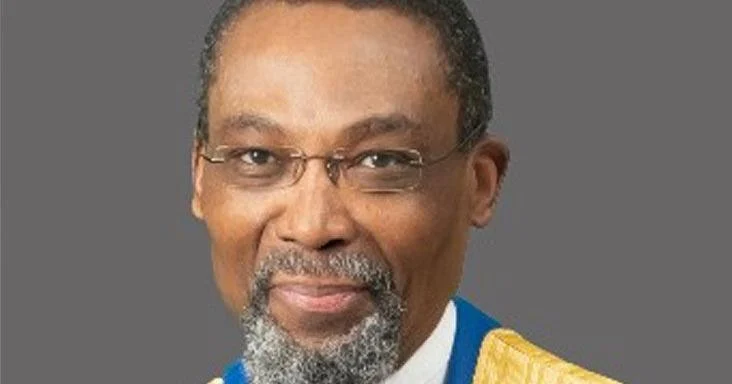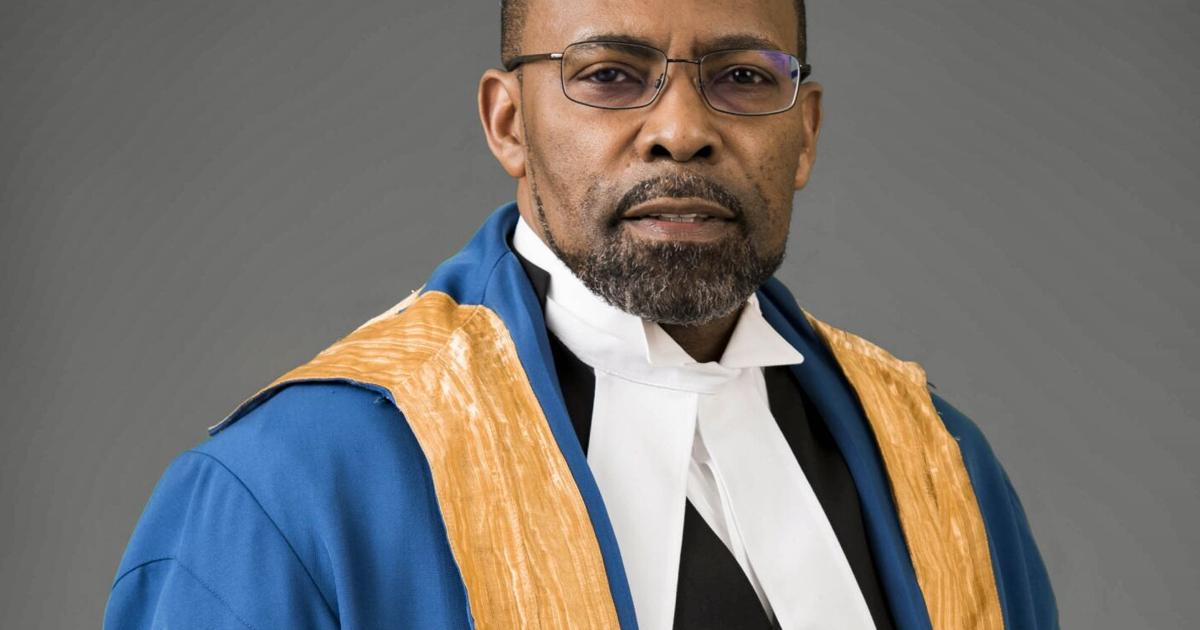
FALLOUT inside the Caribbean Court of Justice (CCJ) over a proposed dress code and other simmering disputes escalated in early July, with president Justice Winston Anderson pressing Justice Chile Eboe-Osuji to comply with strict business-wear standards in a July 3 e-mail.
‘Attacked’ over Nigerian dress: Justice Chile Eboe-Osuji
BayoOmoboriowo
Justice Eboe-Osuji’s sharp response, in an exchange of e-mails obtained by the Express, stated: “...I am a servant of this institution. I insist that Winston, too, must see himself as a servant of this institution and not its lord and master. He is no lord and master unto the staff of this institution—let alone unto his peers and equals on the bench.”Justice Anderson’s directive unleashed a flurry of responses from fellow judges, transforming a difference of opinion over attire into a clash over authority, collegiality and the court’s institutional credibility.Questions encompassing several of these allegations were sent to Justice Anderson by the Express on August 5, 2026, via his personal e-mail.He did not respond.On August 7, the CCJ responded but did not respond to the specific questions.It instead reaffirmed its commitment to judicial independence, integrity and public confidence in the administration of justice, following questions and allegations which the court says could be “misunderstood or mischaracterised without the proper context”.The e-mail exchanges were ignited by a July 3 e-mail sent by Justice Anderson to Justice Eboe-Osuji concerning judicial dress for hearings in the then-upcoming cases of Fisher v Guyana Elections Commission, scheduled for July 16, 2026, and Ramirez and Zabane v AG of Belize, scheduled for July 28, 2026.Justice Anderson wrote:“Dear Judge,You are currently listed to be a member of the hearing panels for two cases cited in the subject. Pending the adoption of the CCJ Judicial Dress Code, I humbly seek your assurance that you will conform to the wearing of traditional business suit and tie for these judicial hearings, as is customary in this court and in this region. This assurance is needed so I can make final decisions on the composition of the panels.”He ended by saying:“If I do not receive assurance from you in writing by 12.01 p.m. Monday, July 6, 2026. I will assume that you will abide by the terms of your written communication to me of June 10, 2026, and I will make final decisions on the composition of the panels based upon that assumption.”The following day, July 4, Justice Eboe-Osuji responded:“Dear Winston,...This is highly inappropriate behaviour towards a peer; it embarrasses and distresses staff members whom you make privy to such hostile conduct; and it generally poisons the workplace...The CCJ agreement gives the president no unilateral authority to regulate the dress code of judges...“Finally, Winston, it is truly staggering that, as an international lawyer in this day and age, you could not appreciate how wrong it is to brazenly attempt to misuse your powers as CCJ president to compel anyone—let alone your professional equal—to denounce his innate identity in favour of your preferred Eurocentric ideal of what is good. How do you suppose to defend that conduct before the Inter-American Commission on Human Rights or the UN Committee on Human Rights?”In an e-mail sent to all CCJ justices on July 5, 2026, Justice Eboe-Osuji described his personal situation and raised the issue of wearing traditional Nigerian clothing while serving on the bench.Several judges responded to his e-mail, copying all of the judges.Guyanese-born Justice Arif Bulkan, on July 6, 2026, wrote: