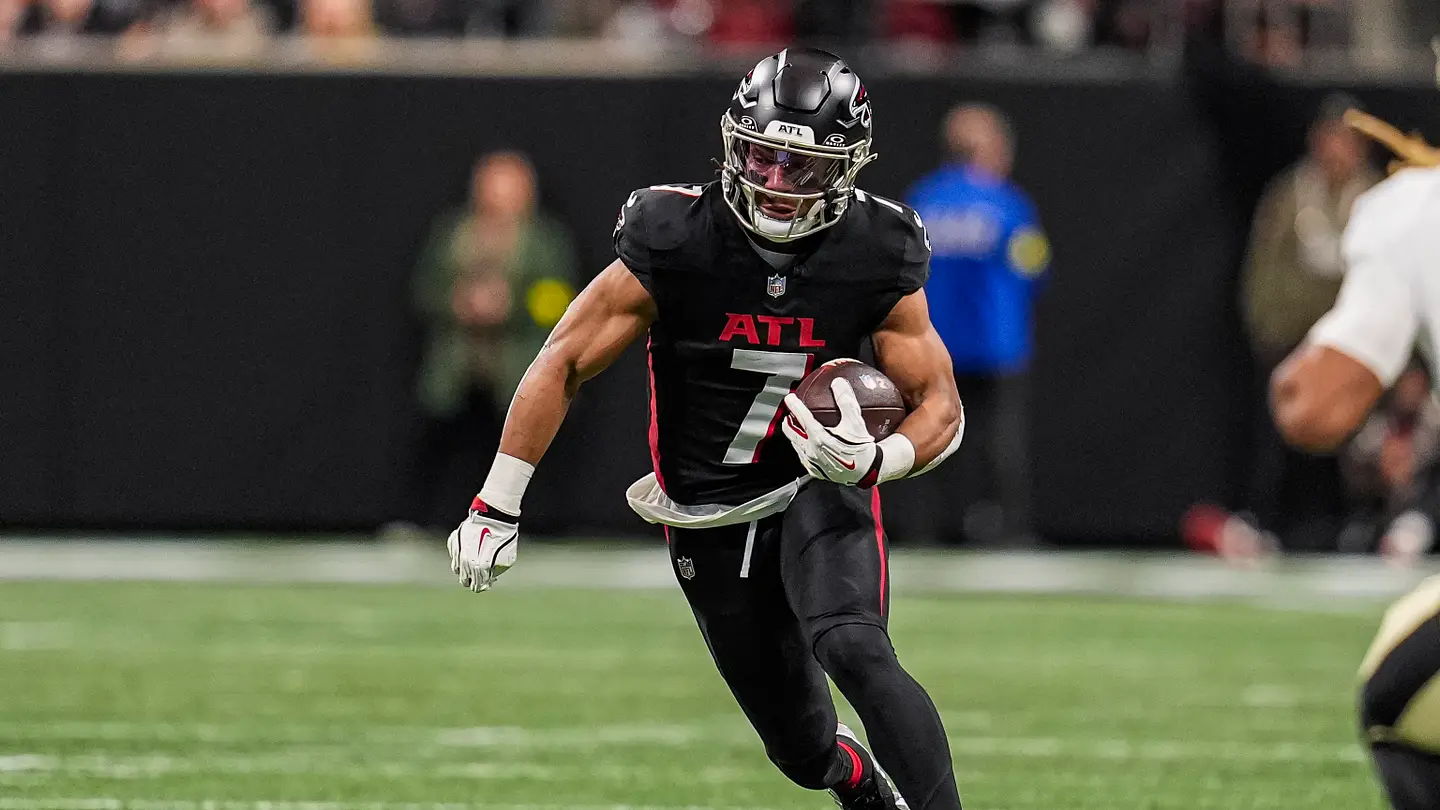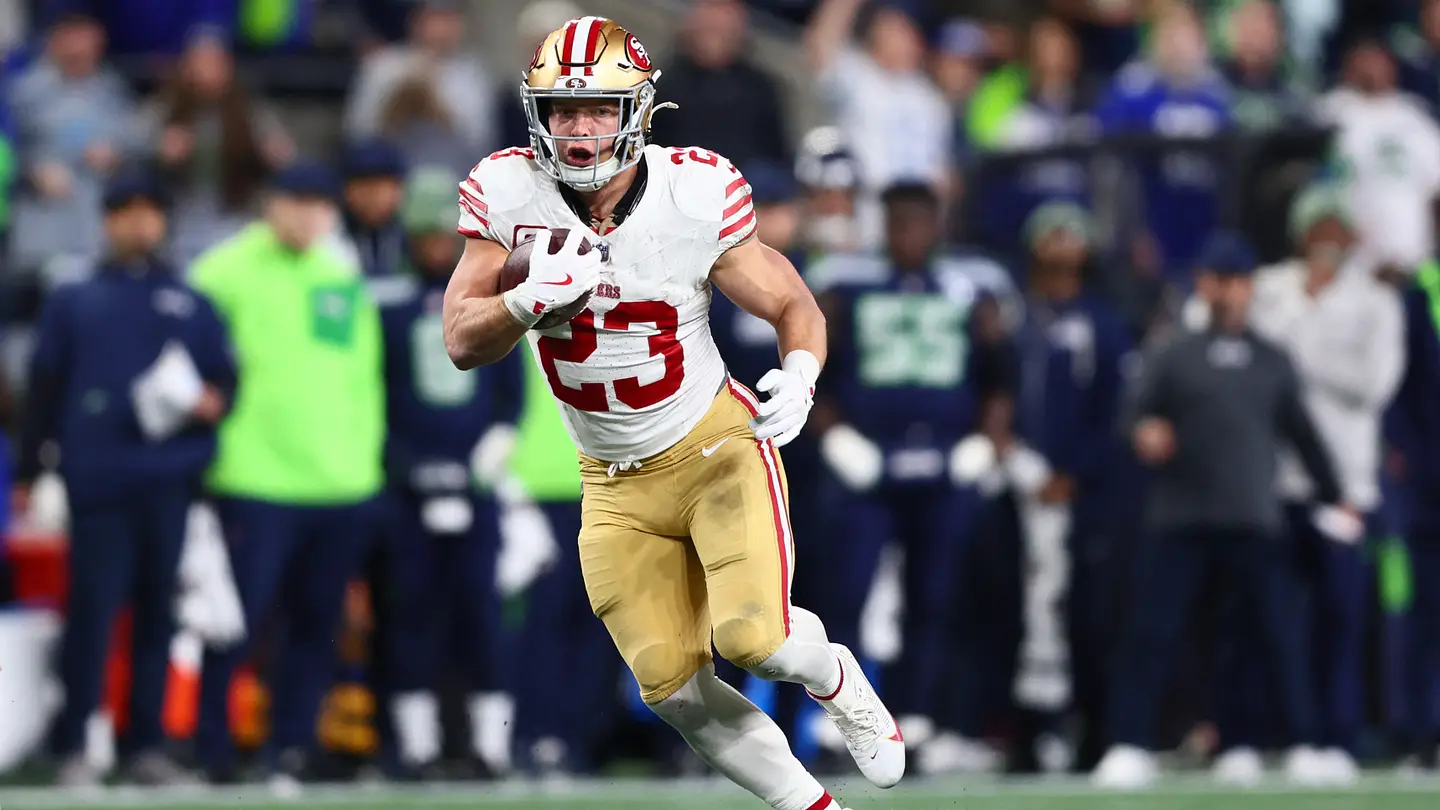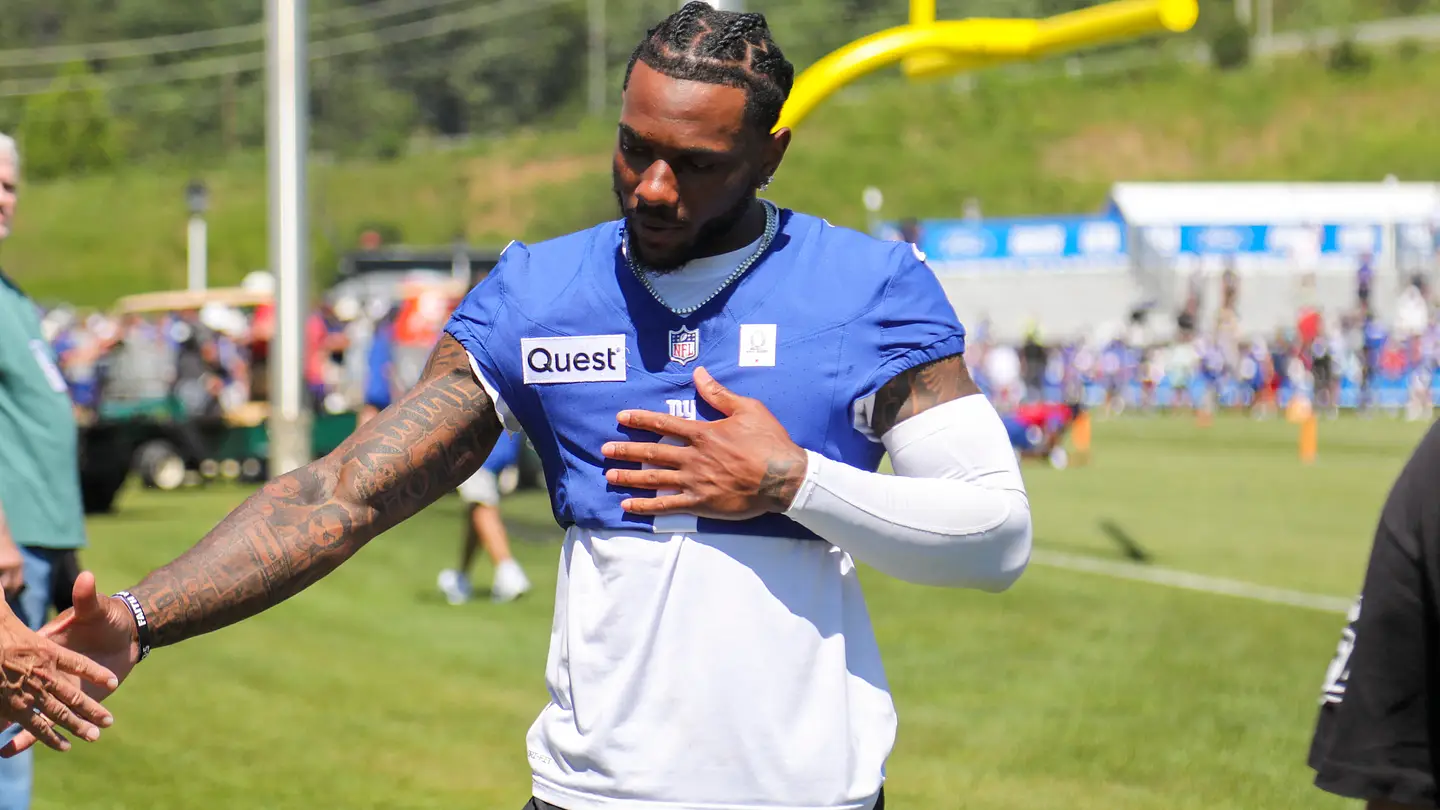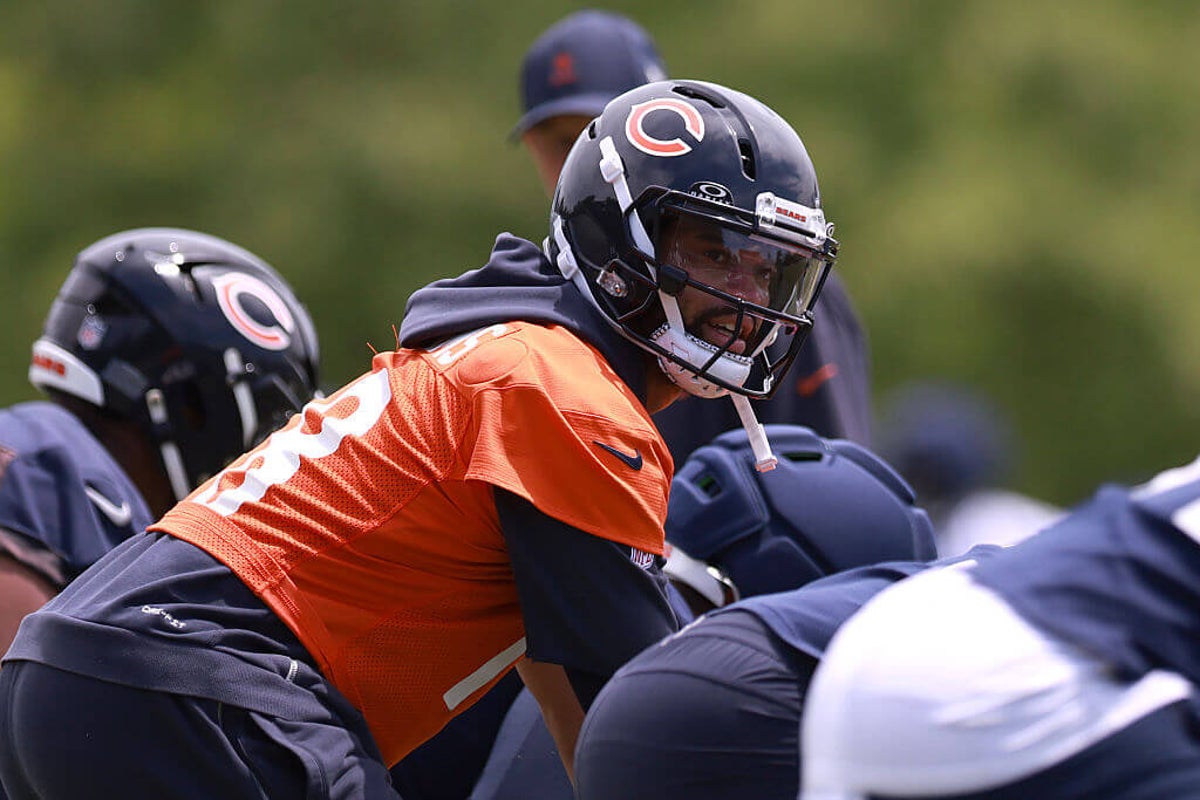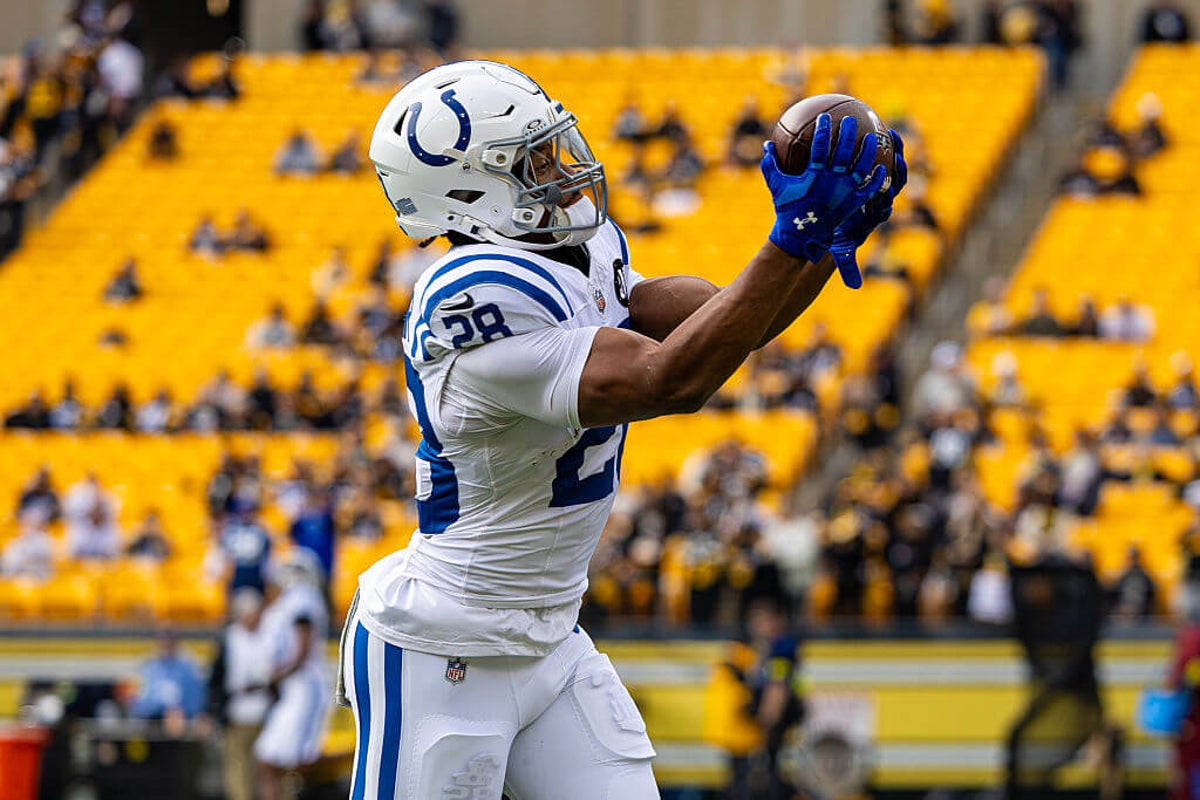
Fantasy football projections can provide a ton of useful intel, but they ultimately represent only one potential outcome in a range. Fixating too much on the outputs can open you up to influence by unconscious bias in the input decisions.The process requires precision, but I like to say we’re trying to project a moving target. The underlying assumptions made at projection time can’t be relied upon to be accurate from Week 1 through midseason all the way to fantasy playoffs.Player skill exists on a spectrum — players improve, or they decline, as they age. They play hurt. Situations around a player evolve. Sometimes it’s schematic, or sometimes it’s key teammate injuries, like how a quarterback going down or an offensive line getting decimated can sink the whole environment.I do full, detailed projections every year, but for me it’s about the process. They require an incredible amount of research to compile, and that process always uncovers actionable information I want to apply across a range of potential outcomes for a player and his team. That’s the good stuff.Here are some of the most interesting nuggets I found during my projections process this year.Jonathan Taylor routesReceiving upside is a massive factor when considering RB ceiling, though a class of back, including Derrick Henry and Saquon Barkley, can produce without it. Henry has produced big fantasy numbers in Baltimore the past two years despite fewer than 20 receptions either season, while Barkley’s massive 2024 came with just 33 receptions.Taylor has tended to fit in that group, rather than with guys like Christian McCaffrey (102 receptions last year), Bijan Robinson (79) and Jahmyr Gibbs (77). Like Henry and Barkley, Taylor’s value proposition has been rushing efficiency on big volume, and he’s posted a career 4.9 yards per carry figure while going over 300 rush attempts in half of his six seasons. He’s led the NFL in rushing TDs with 18 on two occasions, including last year.It’s always been a bit of a dream there could be more of a receiving floor to back that up, and bridge the gap to the elite dual-threat backs. In 2025, that became reality.Per PFF, Taylor ran 412 routes last year, third-most among all running backs. That was his first season over 300, and despite subpar per-route stats — his 0.92 yards per route run and 13.1% targets per route run were far below the figures RBs like McCaffrey, Robinson, and Gibbs post — the raw routes were enough to push him to a career-high 46 catches, as well as career highs in targets and receiving yards.There’s arguably some meat on the bone. Michael Pittman is gone, opening up shorter-area targets (his 8.4-yard average depth of target was well below average for a wide receiver). The Colts also have less experience behind Taylor this year — Taylor’s routes spiked last year despite a reliable veteran pass-down option in Ameer Abdullah, who was active for 13 games. The current expectation for 2026 is second-year pro DJ Giddens and rookie seventh-rounder Seth McGowan as the backup tandem.Taylor’s receiving upside likely won’t be massive, but the routes are there for his first career 50-catch season.Mike McDaniel’s quick gameBuilding off the value of RB receiving, there’s another note that impacts two offenses. The Chargers have had a fun offseason and feature a deep skill-position group while looking like one of the more exciting offenses to be fixated on for fantasy. I like playing them through the running backs, despite the talk of a committee.
Jonathan Taylor routes, concentrated offenses and more fantasy football projections intel
After compiling his 2026 projections, Ben Gretch shares some of the interesting fantasy football nuggets he unearthed in the process.
1,914 words~9 min read