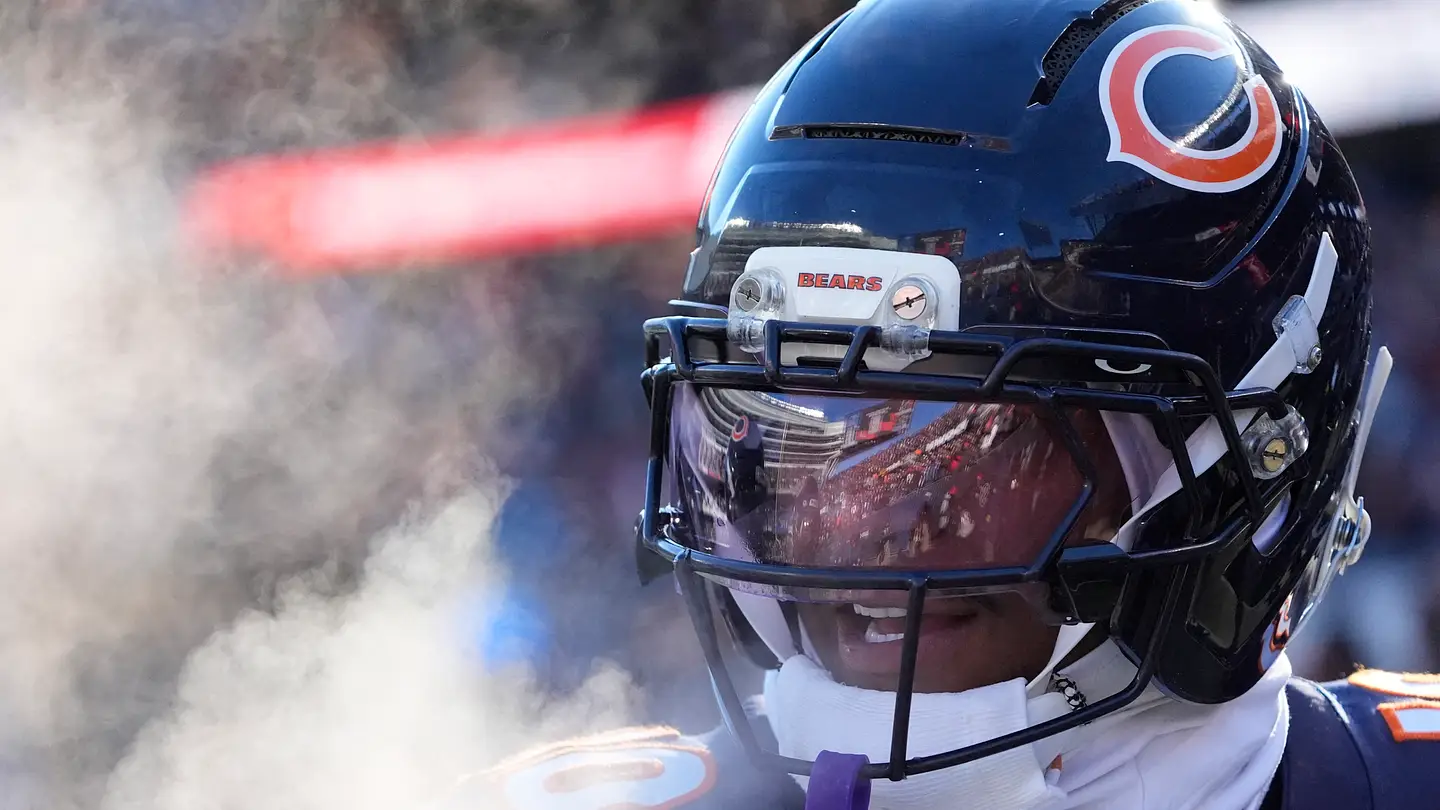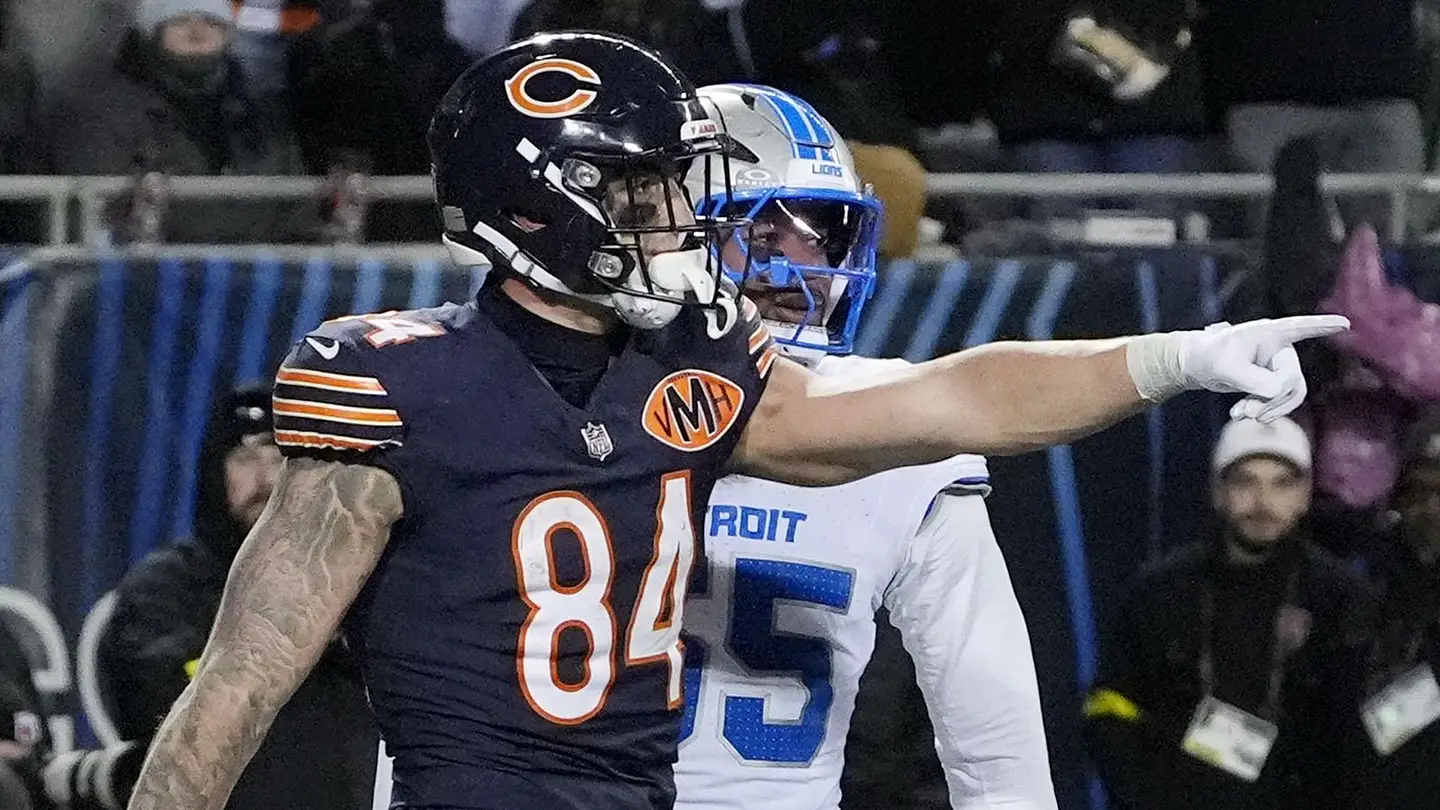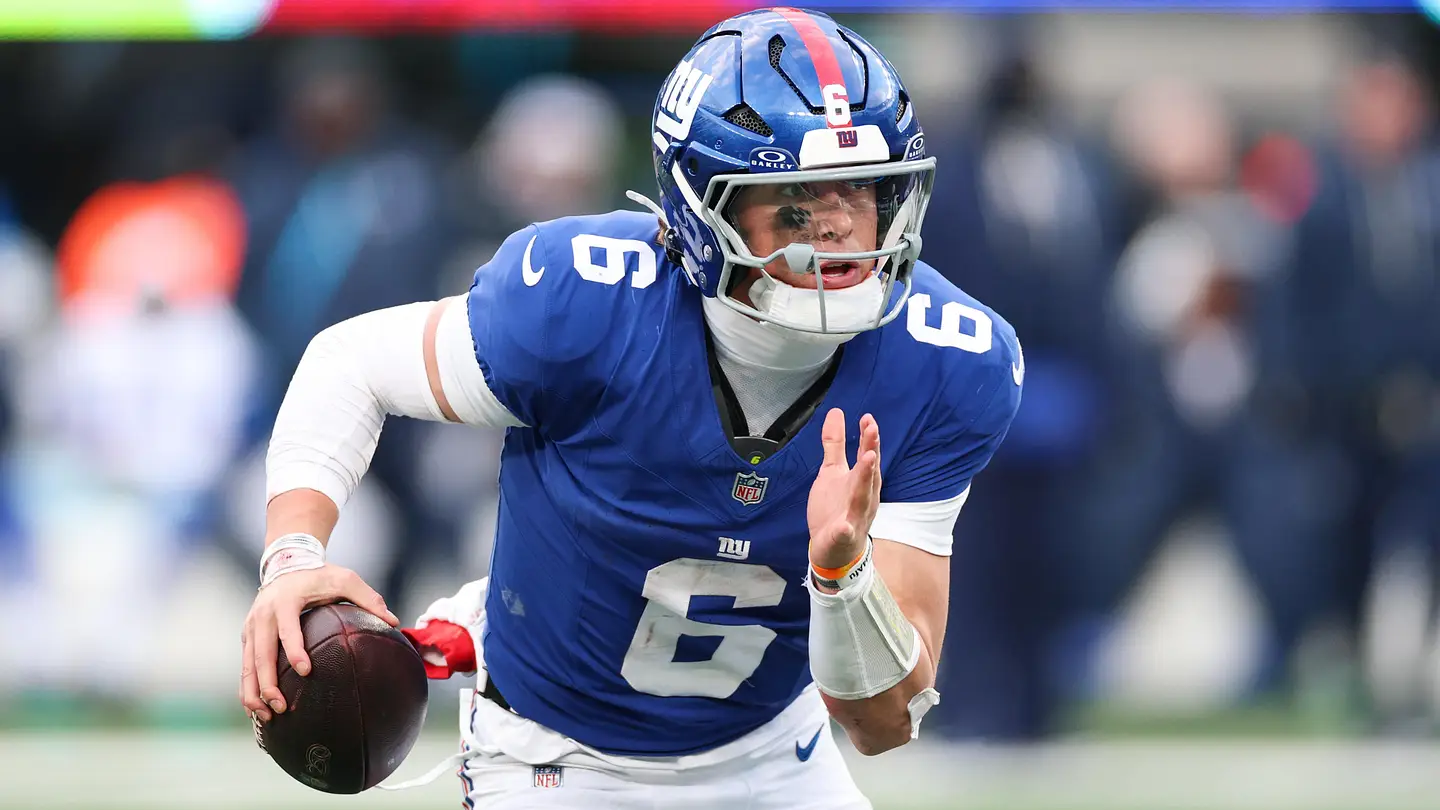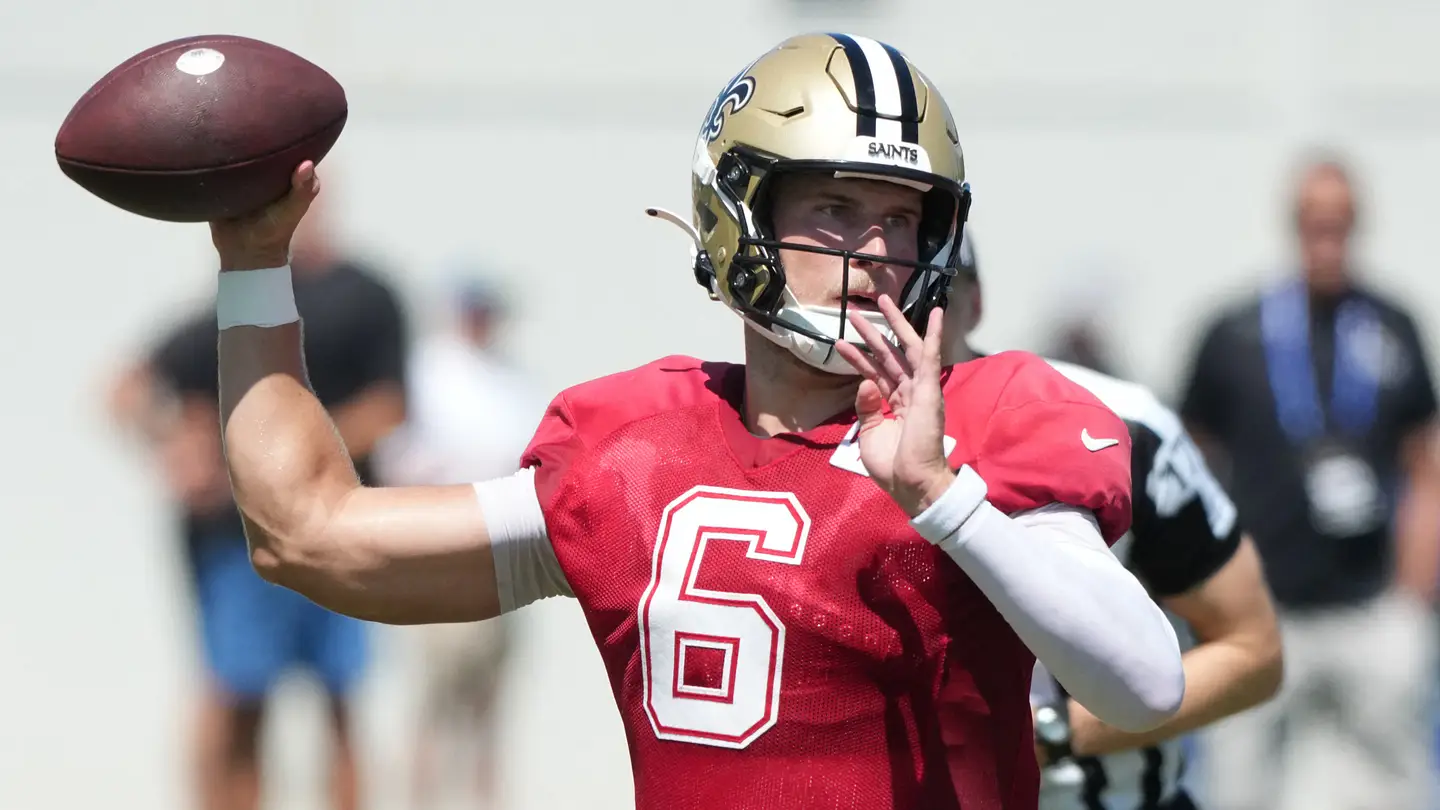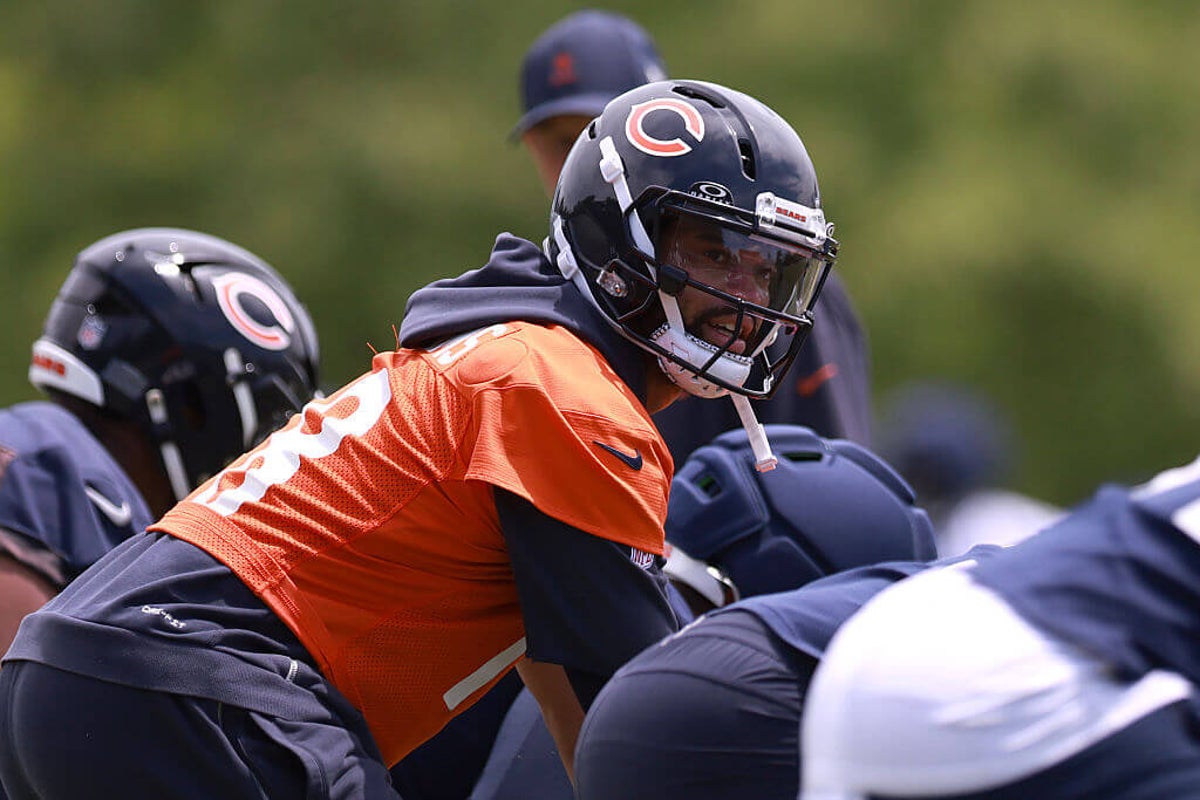
Every fantasy football season, we love finding breakouts before anyone else. Why? We’re not just trying to be “the smartest person alive!”; we want to maximize the return value on our draft picks. Identifying potential breakouts is one of the most important ways to do so, as it allows fantasy players to unearth values throughout the draft and reap the rewards.As I do every year, my fantasy football breakouts will be categorized into groups: quarterbacks and tight ends, running backs, and wide receivers — shocking, I know. Up first? A collection of throwers and plus-sized receivers, including the all-too-obvious QB Caleb Williams and TE Isaiah Likely.In the following player write-ups, “my vote” is rooted in whether I believe the player has a good chance of becoming a top-12 QB or TE in 2026.QuarterbacksJaxson Dart, NYGCase for: Let’s start with the 20 fantasy points per game (FPPG) last year — for this calculation, I’m ignoring the first two games when Dart barely stepped on the field. Over the past 10 seasons, that average would have ranked as a QB6 finish. Dart’s value heavily relies on his rushing (487 yards and nine touchdowns in 12 games). Despite talk of “making him more cautious,” Dart is likely to be one of the countless quarterbacks — Cam Newton, Josh Allen, Lamar Jackson, to name a few — who fail to change their ways. Head coach John Harbaugh brought in offensive coordinator Matt Nagy and senior offensive assistant Greg Roman; the latter is often overlooked, which will allow Nagy to focus on his strength (the passing game) and Roman on his (the run game), while mitigating their deficiencies. Dart played one game with wide receiver Malik Nabers, mostly throwing to a receiving corps similar to the New England Patriots’ lackluster group. He also impressed at times in the passing game, including a 283-yard, three-touchdown game in Denver that followed an efficient win against the Eagles.Case against: Health, obviously. Despite his occasional success without Nabers, not having the star WR for an indeterminate amount of time doesn’t help. Without Nabers, it’s Darius Slayton again, along with a collection of also-ran or past-their-prime options. However, on paper, TE Isaiah Likely looks to be a positive addition. We’ve seen Nagy fail his offense — Roman to a degree, too — and he alone could stymie the offense or a battle of wills could create issues. Also, experienced quarterbacks regularly take four to six games to hit their stride in a new offense.My vote: Yes! Yes! Yes (with Bryan Danielson hands and all)!Caleb Williams, CHICase for: This is Williams’ second year under Ben Johnson, and he’s coming off a 3.4 FPPG jump from his rookie season. In 34 games, Williams has 47 touchdown passes and just 13 interceptions. Wide receiver Rome Odunze enters Year 3 after a blazing-hot start to 2025, and reports indicate his foot is fully healed. WR Luther Burden and TE Colston Loveland are in their second years, and both looked quite good to end the season, especially Loveland. Williams had 483 and 383 rushing yards, respectively, in his two seasons, with three rushing touchdowns in 2025 after zero in his rookie year.Case against: Williams’ completion percentage (Comp%) dropped last year (58.1%), though as a counter, you can argue that part of the blame rested with his wideouts. Watching Williams can be infuriating, as his negatives are similar to what we saw in college — hero ball, recklessness, ad-libbing when not needed, etc. When he’s “on,” Williams can look like one of the elites, but when he goes awry, he can look like Gardner Minshew. Odunze might be healthy, but he’s admitted how his foot feels now will be a “new norm,” so he might not return to his early-2025 performance. Much is being asked and assumed of Burden. If he doesn’t take a big step forward, and you couple that with Odunze not looking the same, Loveland will be Williams’ only top-notch weapon.My vote: A strong yesMalik Willis, MIACase for: Willis’ draft profile highlighted his exceptional rushing ability and a terrific arm capable of rare throws, despite the occasional hesitation to make the throw. We’ve seen flashes of these positives. Since entering the league, Willis ranks fourth in TD or first down per attempt rate (22.3%), even while facing pressure on 42.5% of his dropbacks. He also boasts a 13.3% designed rush rate, trailing only Anthony Richardson (15.6%), Justin Fields (14.1%) and Jalen Hurts (13.5%). In fact, Willis has rushed for 405 yards on 74 attempts (5.47 YPA) with four touchdowns. This rushing production is the primary argument in his favor; we’ve seen how rushing can elevate a quarterback’s fantasy value. As Daniel Jones demonstrated in 2022, finishing as a top-10 QB is easily attainable when you have 120 carries for 708 yards and seven touchdowns, despite only 3,205 passing yards and 15 touchdown passes. Oh, and job security is not a concern, as the Dolphins aggressively pursued him, hoping to find a franchise cornerstone, and will exhaust all efforts to determine if he is the answer.
Caleb Williams, Isaiah Likely lead top fantasy football 2026 breakout QBs and TEs
Jake Ciely looks at the quarterbacks and tight ends who have the fantasy breakout potential to deliver a significant return on investment.
2,157 words~10 min read