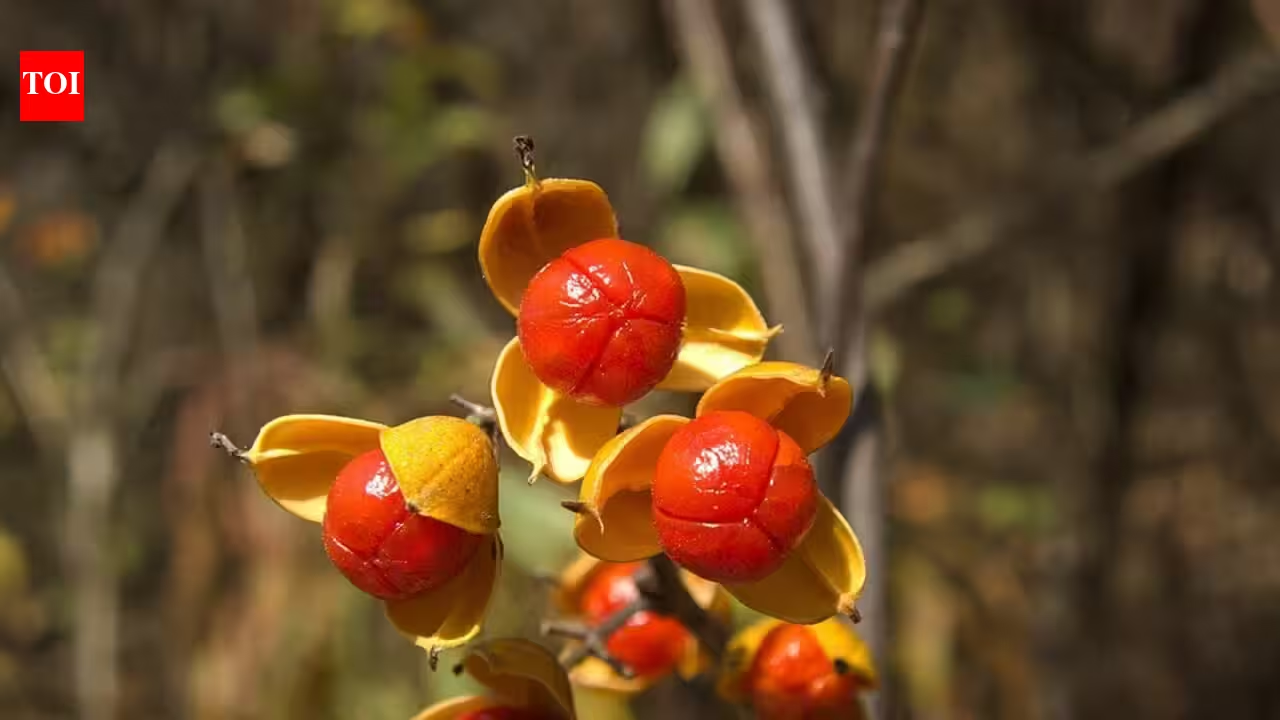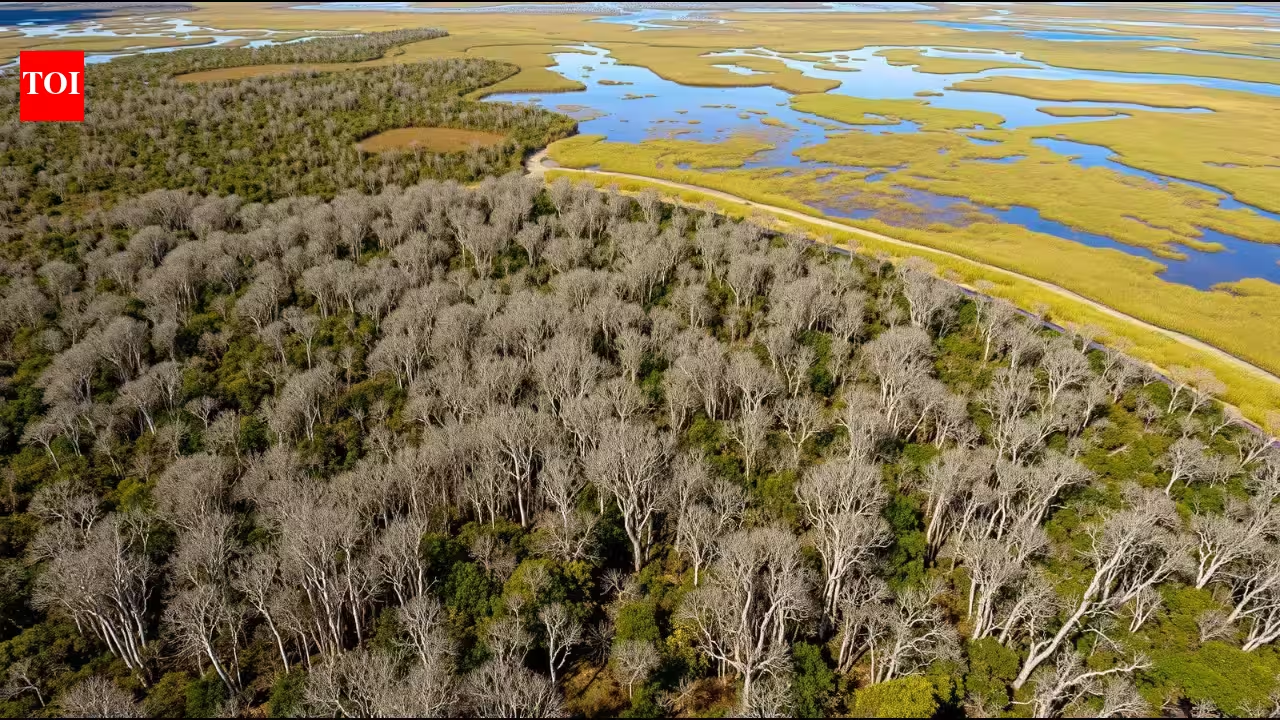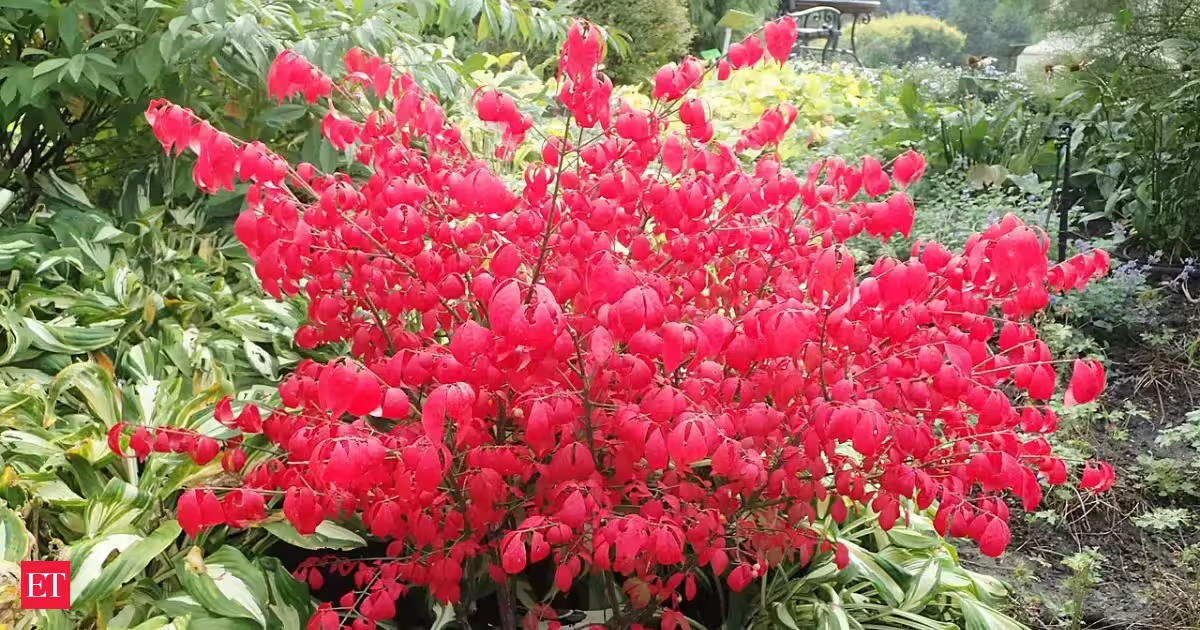
If you have ever driven past a hedge that turns bright red every autumn and wondered what it was, you are likely looking at burning bush. A species review from the US Forest Service's Fire Effects Information System (FEIS) identifies the shrub, known scientifically as Euonymus alatus, as native to northeastern Asia and says it was introduced into the United States in the 1860s as an ornamental. By the late 20th century, it had escaped cultivation and become locally invasive across parts of the eastern United States, with a 2006 review describing 21 states as “invaded.”How a garden favourite slipped into the wildBurning bush was planted deliberately for its ornamental value. It tolerates sun or deep shade, poor soil, and little pruning, which made it a popular low-maintenance choice for hedges and borders for decades.The plant produces small purplish-red capsules in autumn that split open to reveal orange-coated seeds. Birds eat the fruits and can carry the seeds away from where the shrubs were planted, depositing them in other areas. Over decades of widespread cultivation, this helped burning bush establish beyond gardens and in natural areas.The FEIS review documents the shrub's spread beyond cultivation and notes that birds and other animals can disperse its seeds. Its distribution has expanded well beyond its native range in Asia, with the species now established in parts of eastern and central North America.Why one shrub can quietly take over a whole woodlandOnce seed reaches a forest, burning bush can tolerate a wide range of light conditions. The FEIS review says it grows from full sun to nearly full shade and has invaded closed-canopy forests in Illinois. It can also spread by root suckering and layering, in which a branch touching the ground roots and forms a new plant identical to the parent.Dense stands can block sunlight from reaching the forest floor, reducing light and resources available to native wildflowers, tree seedlings, and other shrubs. Deer may also influence the plant's spread. The FEIS review cites a southern Connecticut study suggesting that burning bush is not palatable to white-tailed deer, which selected other browse species instead.Some states have responded by placing restrictions on the plant. Massachusetts, for example, added burning bush to its Prohibited Plant List. The state's restrictions cover activities including its sale, importation, trade, purchase, distribution and propagation.This adaptable shrub can thrive under different light levels and propagates through root suckering and layering. Its dense growth restricts sunlight, negatively affecting local flora and understory species, prompting some states to limit its sale and distribution due to its invasive characteristics. Image Credits: Wikimedia CommonsWhat does it mean if you currently have one in your garden?All of this is not intended to single out gardeners who have had this shrub in their gardens for years. The concern is what can happen when the plant spreads beyond cultivation. If you already grow burning bush and love its autumn colour, keeping an eye on it is a fair middle ground. Deadheading the berries before birds get to them, or choosing a sterile cultivar where one is available, may help reduce seed spread, but gardeners should first check local invasive-species guidance or consult a local nursery or extension service to make sure those steps are appropriate in their area.Those who wish to create a garden can also look into native shrubs that offer similarly striking red or orange foliage in autumn, providing the same seasonal appeal without introducing another potentially invasive plant. Restricting the spread of burning bush beyond gardens is an important part of limiting its impact on native plant communities.
In the 1860s, America introduced burning bush as an ornamental; birds later helped spread it into forests across 21 invaded states
The burning bush, native to Asia, became well-liked for its vibrant autumn hues. Birds transport its seeds, helping it escape confined landscapes and spread into natural habitats. This adaptable shrub can thrive under different light levels and propagates through root suckering and layering. Its dense growth restricts sunlight, negatively affecting local flora and understory species, prompting some states to limit its sale and distribution due to its invasive characteristics.
594 words~3 min read