I often look at my smartphone and marvel at the sheer amount of engineering packed into something that fits in my pocket. It wasn't that long ago that a "mobile video" meant a grainy, three-minute clip that took ten minutes to load. Now, we're in an era where we can stream high-definition, multi-angle live content with almost zero lag. Whether you're watching a live sports match or engaging with a live dealer in a casino setting, the tech under the hood has to work incredibly hard to make that experience feel seamless.
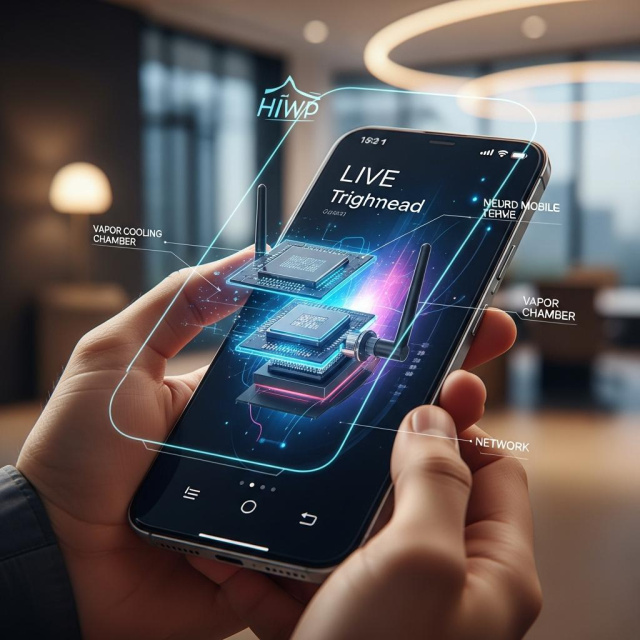
To achieve true immersion, the hardware needs to handle a massive amount of data and render it instantly. It isn't just about raw power; it's about how the processor, the screen, and the antenna work together without overheating or killing your battery in twenty minutes. Let’s look at what’s actually happening inside these 2024 and 2025 flagship devices that makes this possible.
The Evolution of Mobile Silicon: Ray Tracing and Neural Engines
The "brain" of your phone has undergone a massive shift recently. If you've looked at the latest chips from Apple or Qualcomm, you've probably heard a lot about Ray Tracing and Neural Engines. While these sound like buzzwords, they're actually essential for high-fidelity streams.