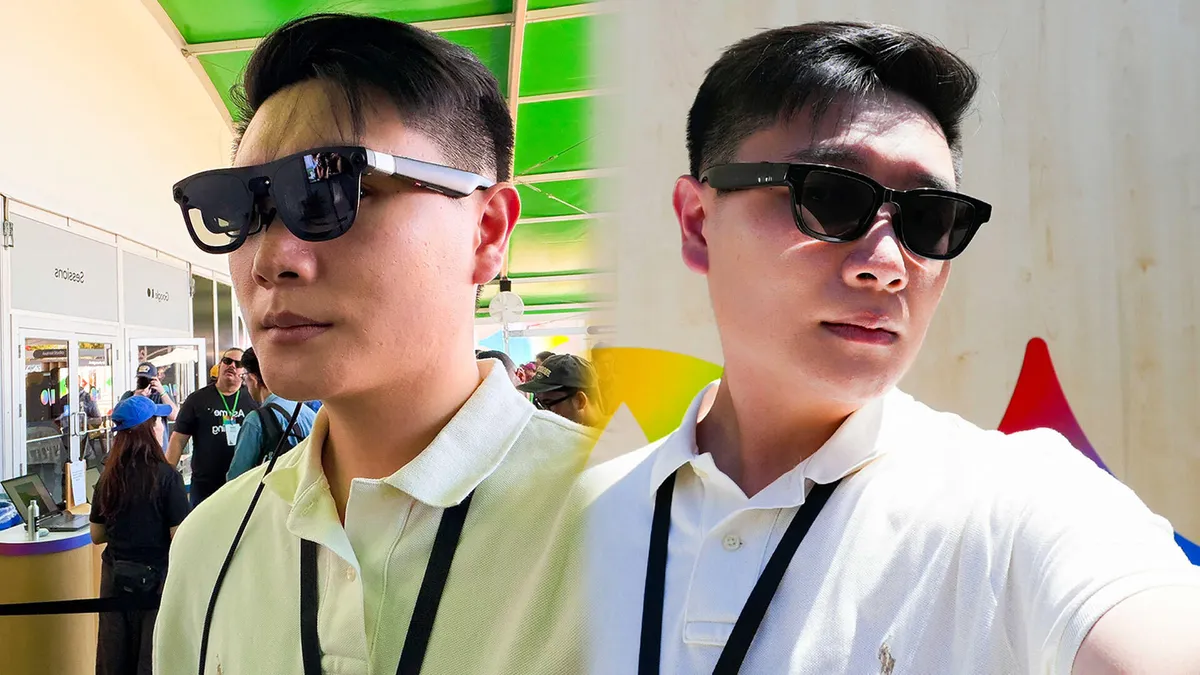
Imagine you are building the next generation of Augmented Reality (AR) glasses or a professional-grade video editing tool for Android. The user holds their phone up, and the device instantly recognizes, masks, and isolates a person from the background with pixel-perfect precision. It feels like magic. But as a developer, you know the truth: it isn't magic. It is a brutal, high-stakes race against a clock that never stops ticking.
In the world of real-time computer vision, "smoothness" isn't a subjective feeling—it is a mathematical requirement. To achieve a fluid 60 frames per second (FPS), you don't have much time. You have exactly 16.67 milliseconds per frame.
If your AI pipeline takes 17ms, you’ve failed. The system drops a frame, the user sees "jank" (stuttering), and the immersion is shattered. In this deep dive, we will explore the physics of real-time segmentation, the hardware that makes it possible, and the modern Kotlin architecture required to orchestrate a high-performance Edge AI pipeline.
The Physics of 60 FPS: The 16.67ms Constraint
To understand why real-time video segmentation is so difficult, we must stop viewing an AI model as a single function call and start viewing it as a synchronous assembly line.