See more Daily Mail on Google - save us as a Preferred SourceBy MARK DUELL, DEPUTY CHIEF REPORTER (DIGITAL) Published: 07:15 BST, 13 August 2026 | Updated: 08:17 BST, 13 August 2026
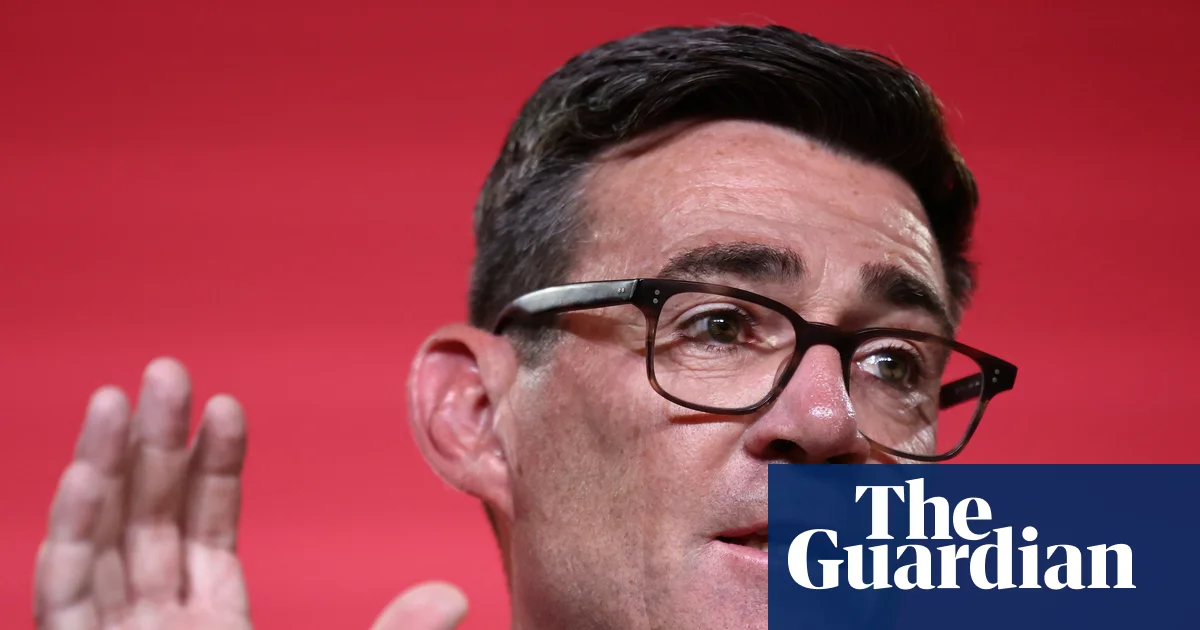
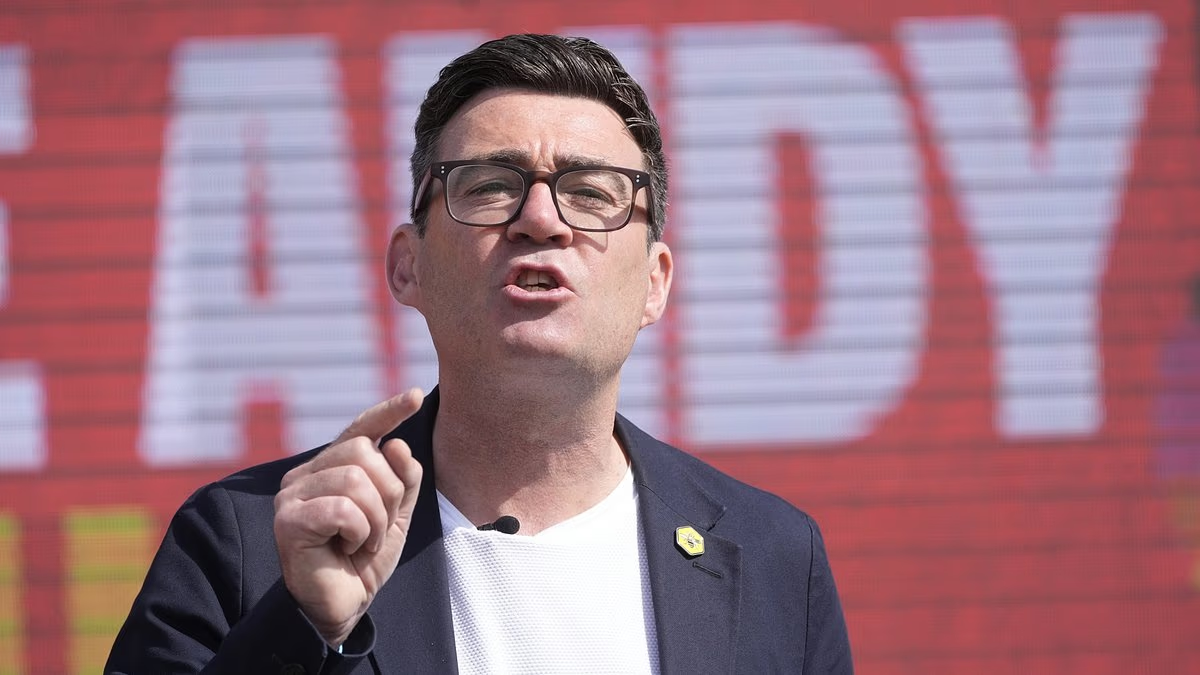
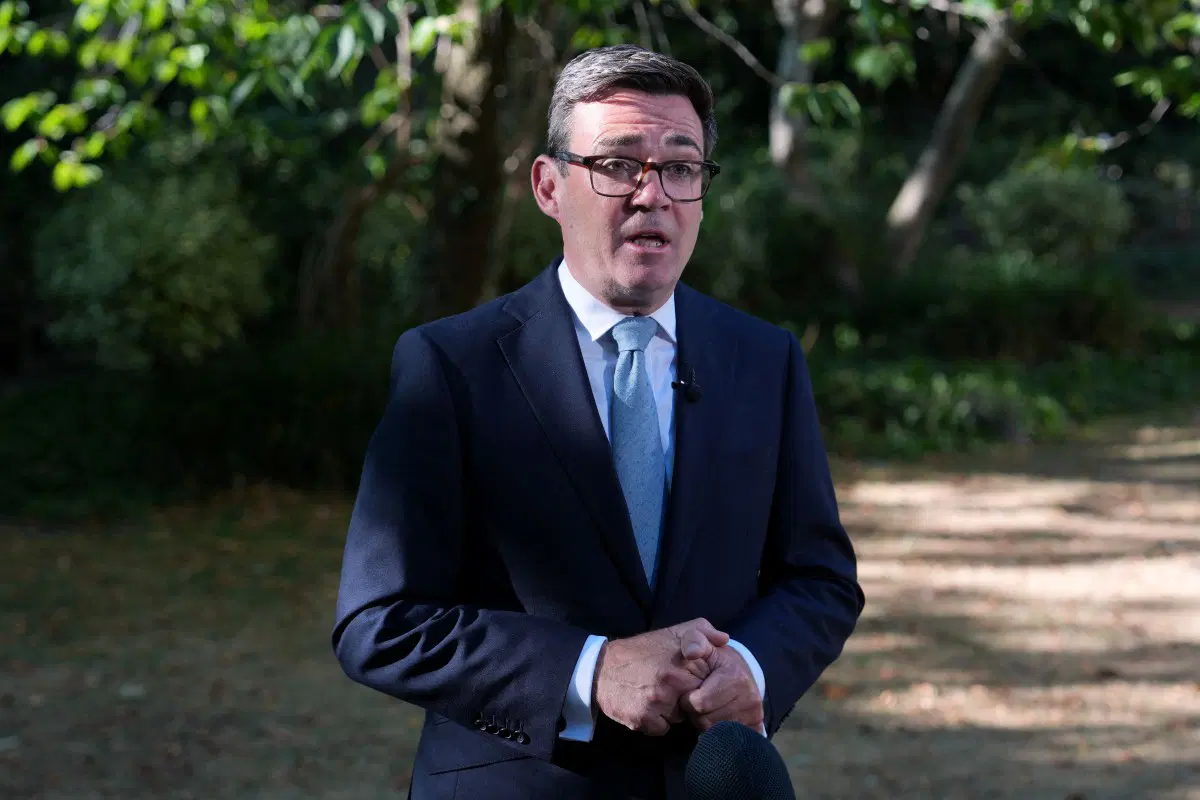
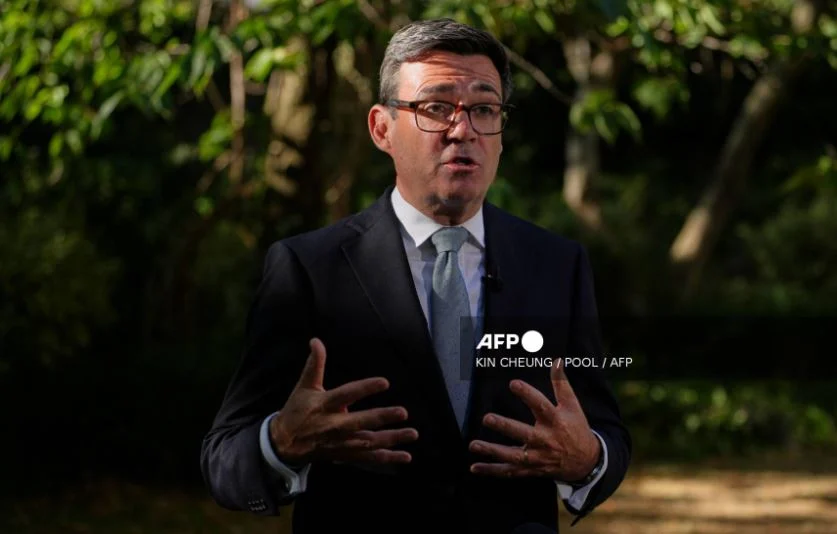
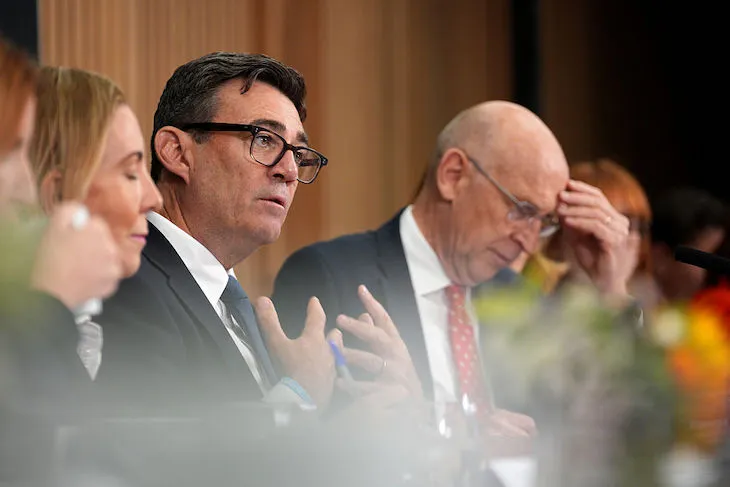
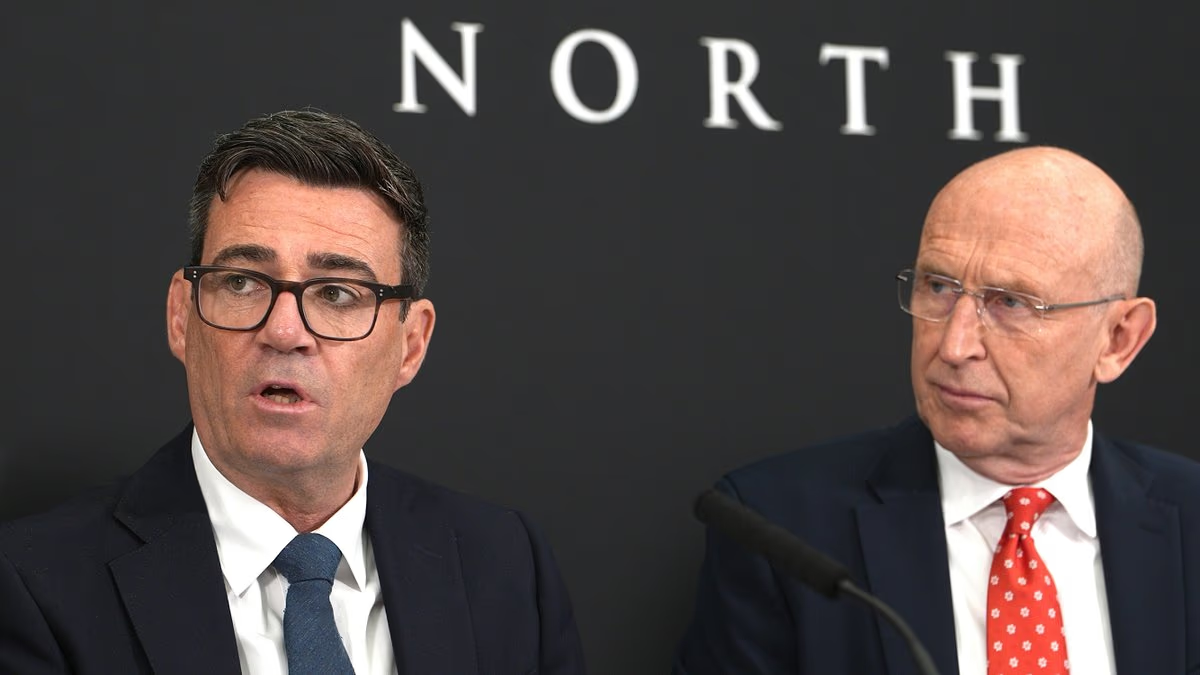
Britain's economic growth slowed in the second quarter - piling pressure on Andy Burnham's pledge to deliver 'growth in every postcode'.But the Prime Minister will be cheered by a boost from heatwaves and the World Cup helping offset impacts from the Iran war in a better-than-expected performance in June.The Office for National Statistics (ONS) said gross domestic product (GDP) rose by 0.4 per cent between April and June, down from 0.6 per cent growth in the first three months of the year.However its data also showed growth of 0.3 per cent month-on-month in June, against expectations for a flat performance.The ONS said firms across the service sector reported buoyant trade thanks to extreme hot weather and the start of the World Cup football tournament.The June rise in GDP followed flat growth in May, revised down from 0.1 per cent growth previously estimated, and a 0.1 per cent contraction in April.Economists warned that although the UK economy expanded in June, the pace of growth is unlikely to be sustained with inflation and unemployment both expected to rise in the coming months.Meanwhile, Treasury officials are said to have briefed Mr Burnham that there will barely be any growth at all next year if disruption to the Strait of Hormuz - linked to the Iran war - continues until the end of this year. Real GDP is estimated to have increased by 0.4% in Quarter 2 2026, down from 0.6% in Quarter 1 Prime Minister Andy Burnham and Chancellor John Healey in Manchester on July 24Join the discussionWhat should be done to ensure every part of Britain truly benefits from economic growth?What's your view?Internal modelling from the Treasury suggests UK GDP (gross domestic product) could see growth as low as 0.3 per cent in 2027, Government sources said.The conflict in the Middle East has driven energy prices higher since February and pressed down on consumer sentiment.Growth between April and June this year was mainly caused by an increase of 0.5 per cent in the services sector, while the construction sector rose by 0.3 per cent - but production output showed no growth.Meanwhile real GDP per head increased by 0.4 per cent in the last 2026 and is up 1.0 per cent compared with the same quarter a year ago.Liz McKeown, ONS director of economic statistics, said: 'Growth slowed in the second quarter of the year, following a strong start to 2026, but remained relatively robust.'She added: 'Services also drove growth in June, with some businesses reporting that good weather and sporting events may have had a positive impact that month.'Chancellor John Healey said: 'I know people are worried about the impact of the conflict in the Middle East on their cost of living , which has been too high for too long and it has added pressure on British businesses.'This is an active, hands-on Government, putting British interests first – giving breathing space to those feeling the strain, making our country more resilient and bringing hope back.'We've seen the fastest growth in the G7 this year, but we now need to double down and drive growth in every postcode.'Mr Healey was echoing the words of Mr Burnham, who said last month that he wants to achieve 'growth in every postcode' of the UK.But the Conservatives' shadow chancellor Sir Mel Stride said: 'Our economy is struggling because Labour have no plan for growth.'Labour have mismanaged the economy with their tax and borrowing spree, leaving it weak and vulnerable to the effects of shocks like the Iran War. Yet Andy Burnham is gearing up to tax and borrow even more, doubling down on those failures.'Labour need to realise that it's their poor decisions which have stifled growth and made the cost of living worse.'Fergus Jimenez-England, associate economist at the National Institute of Economic and Social Research, said: 'The UK economy has weathered the recent energy shock better than many feared.'Services output grew by a sizeable 0.4 per cent in June, defying weak readings from business surveys and offsetting falls in construction and production output.'That said, the recent pace of growth is unlikely to be sustained. Both inflation and unemployment are set to rise in the coming months while business sentiment remains fragile and could dampen further with ongoing energy price volatility.'The economy has shown welcome resilience so far, but we are not out of the woods yet.