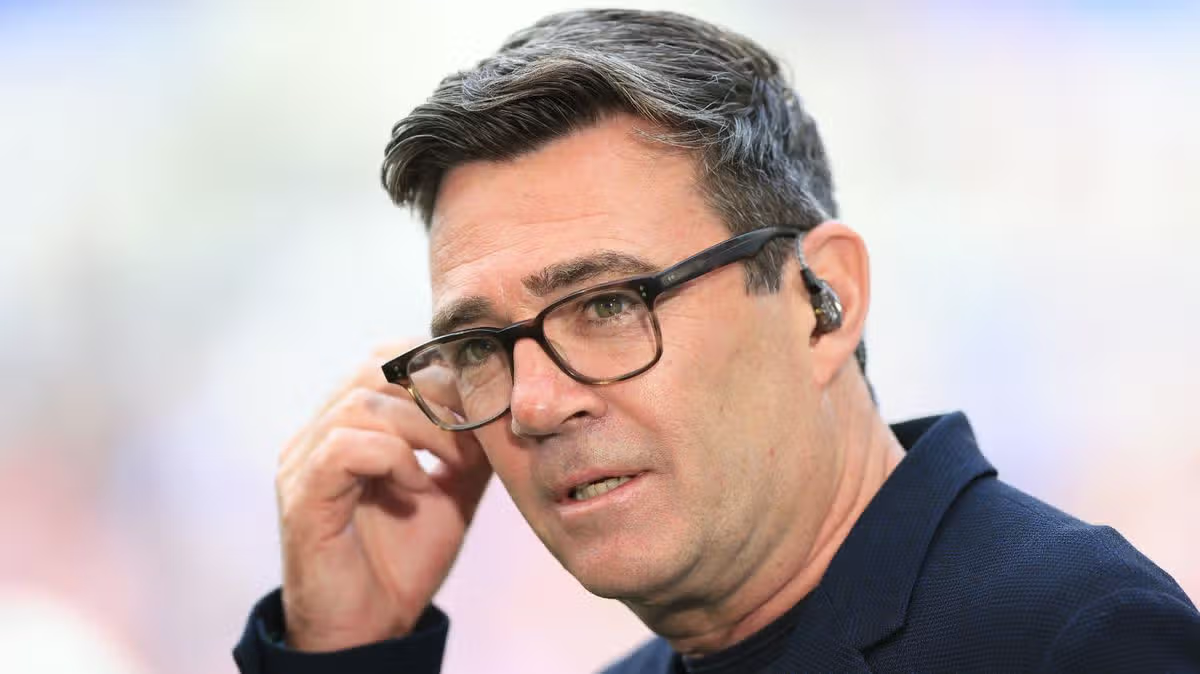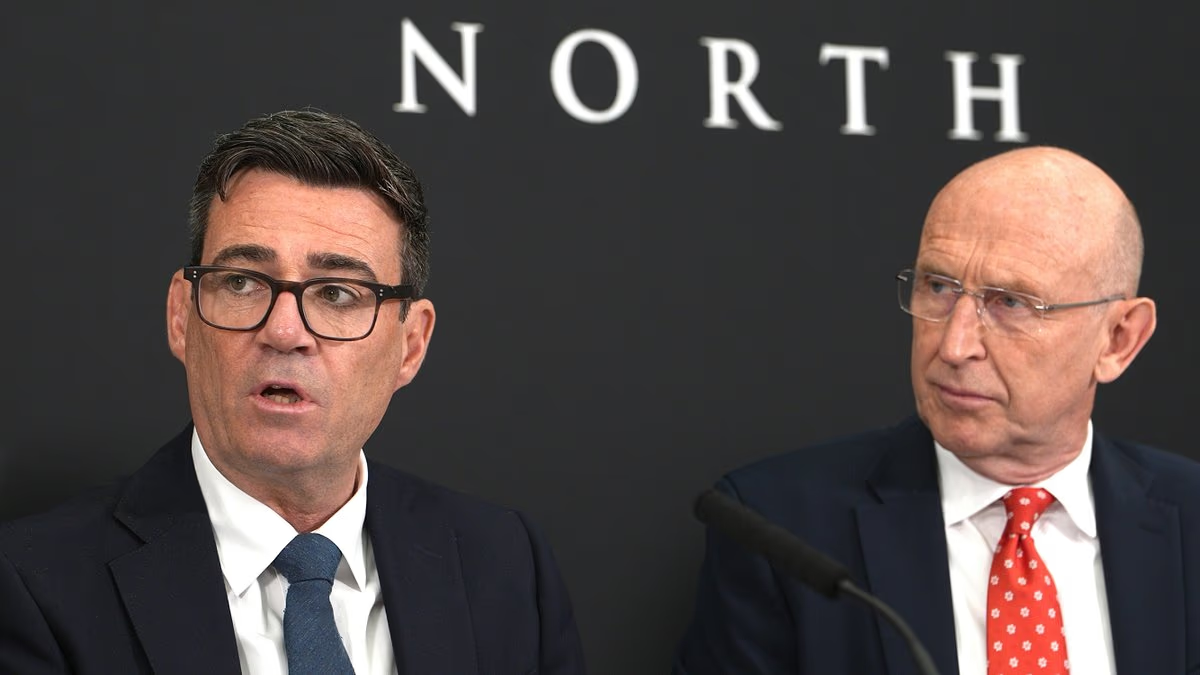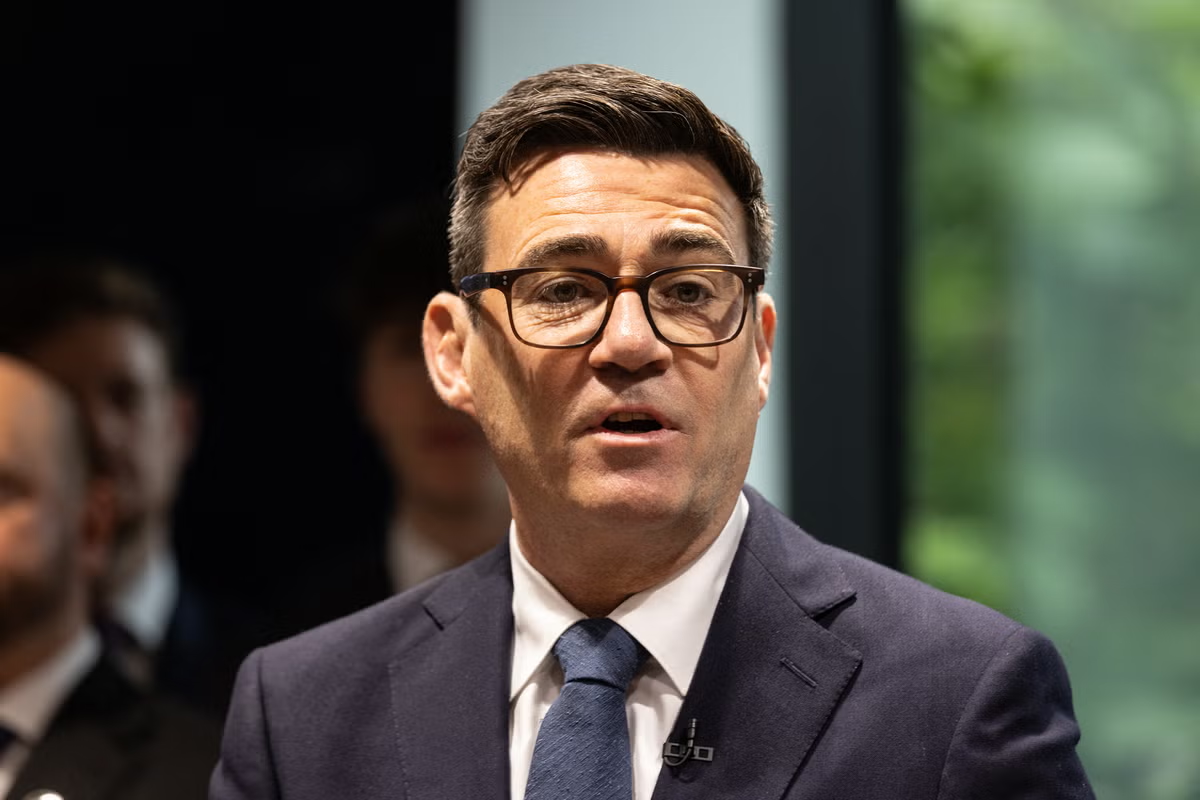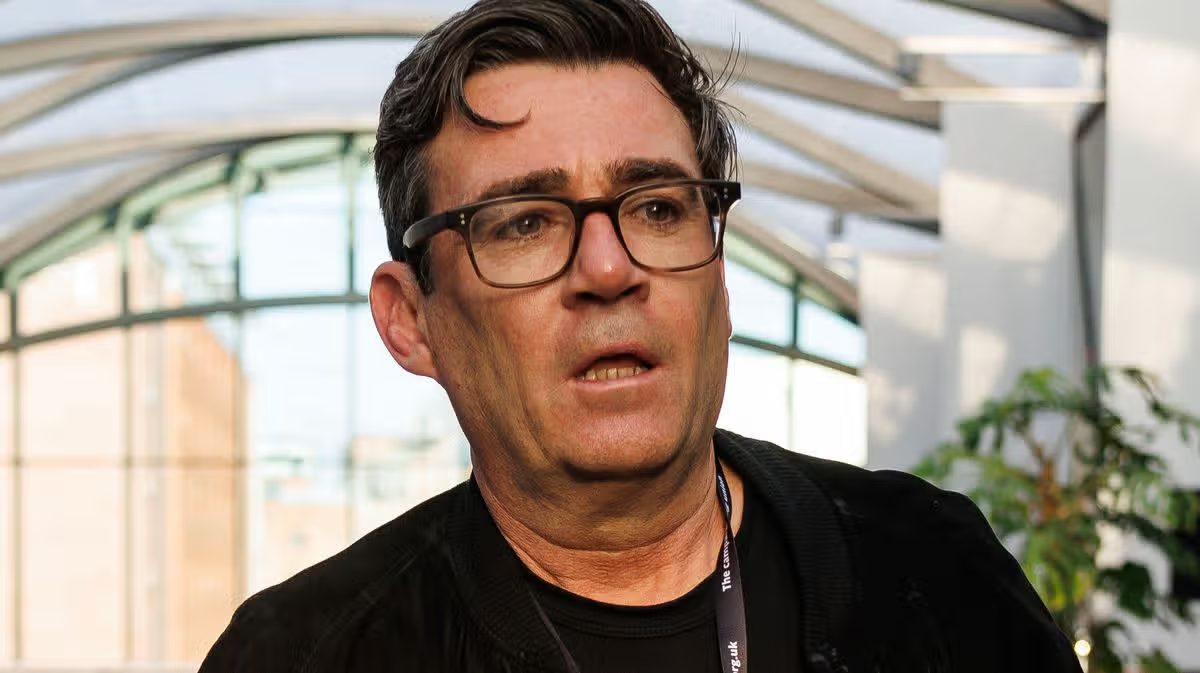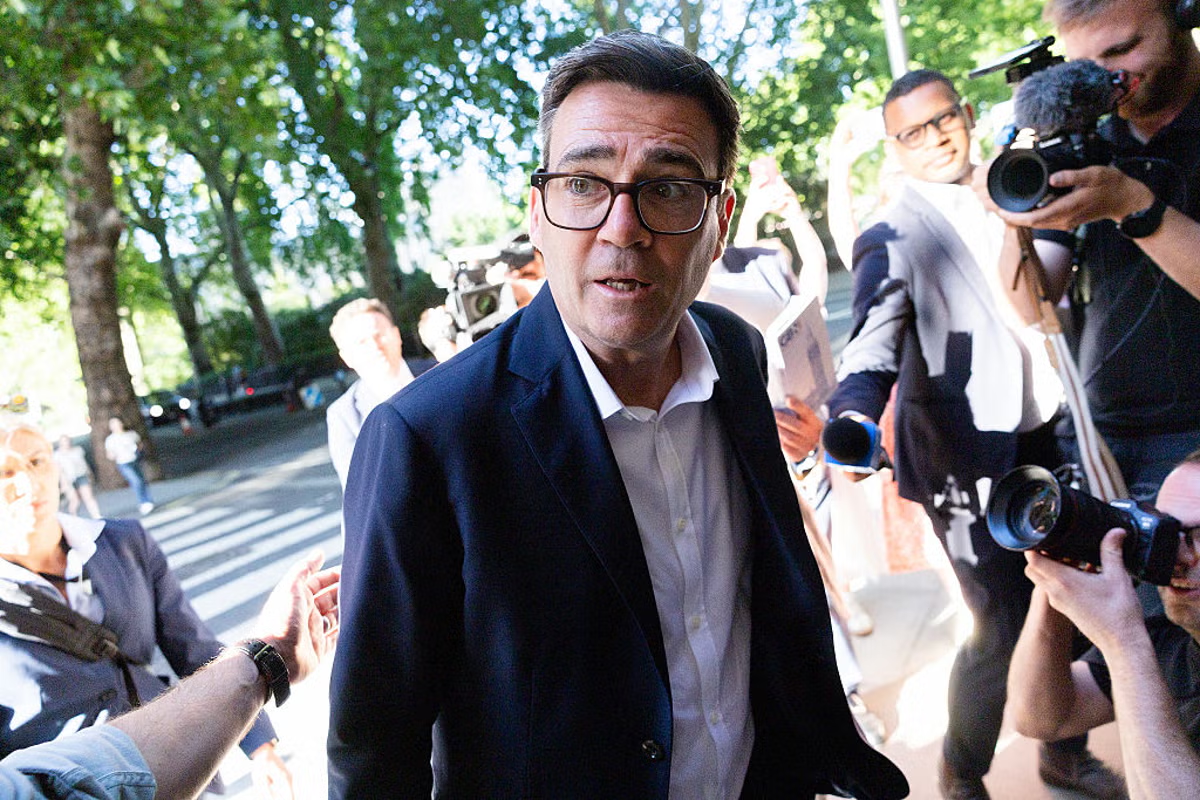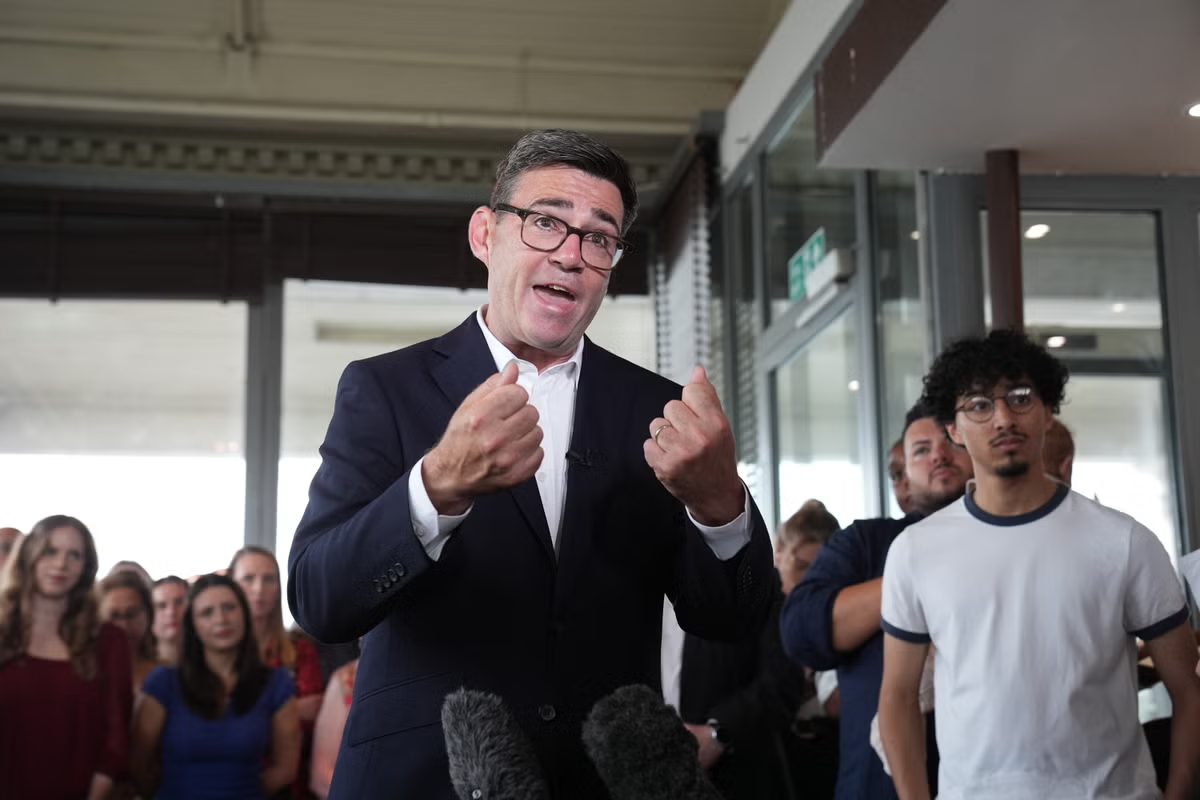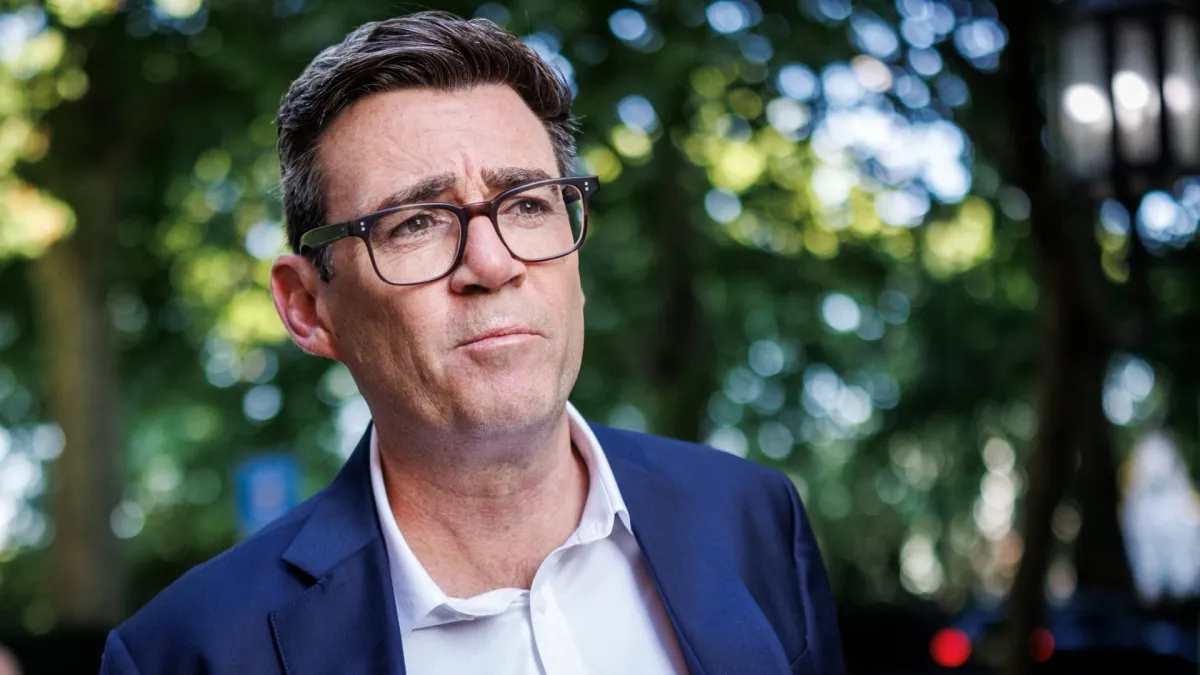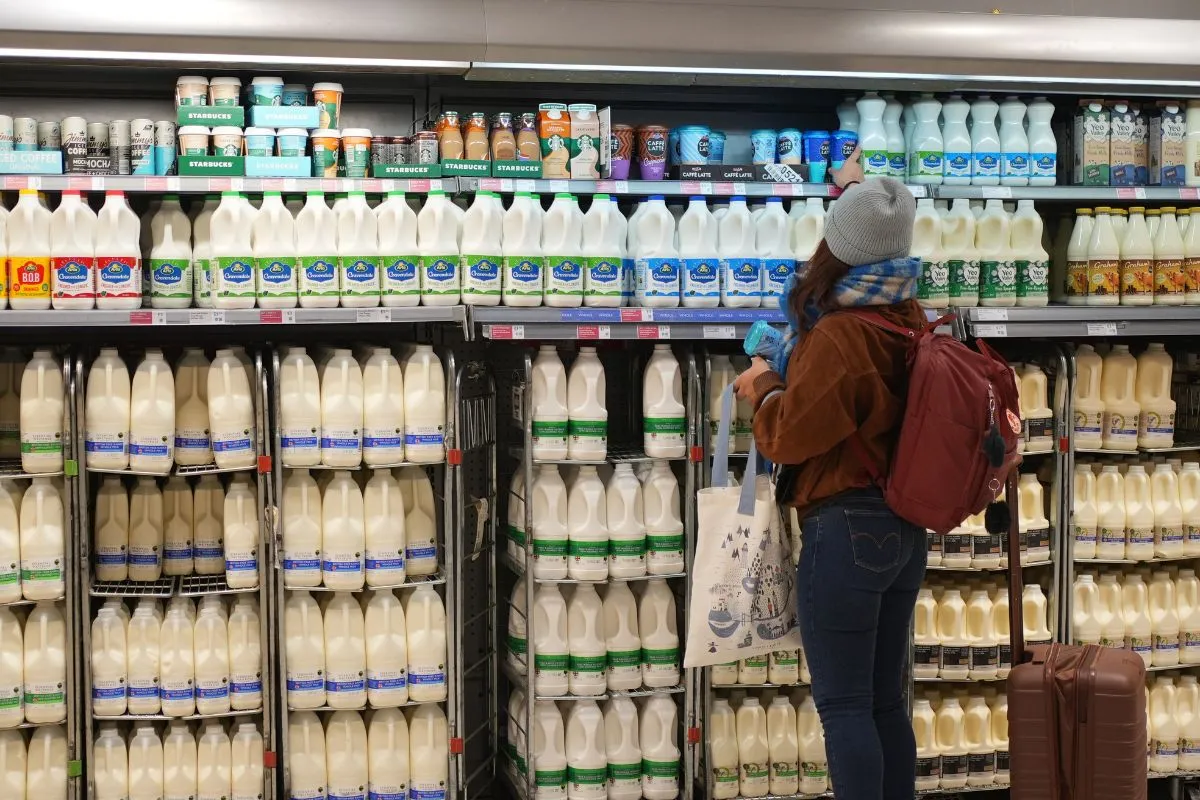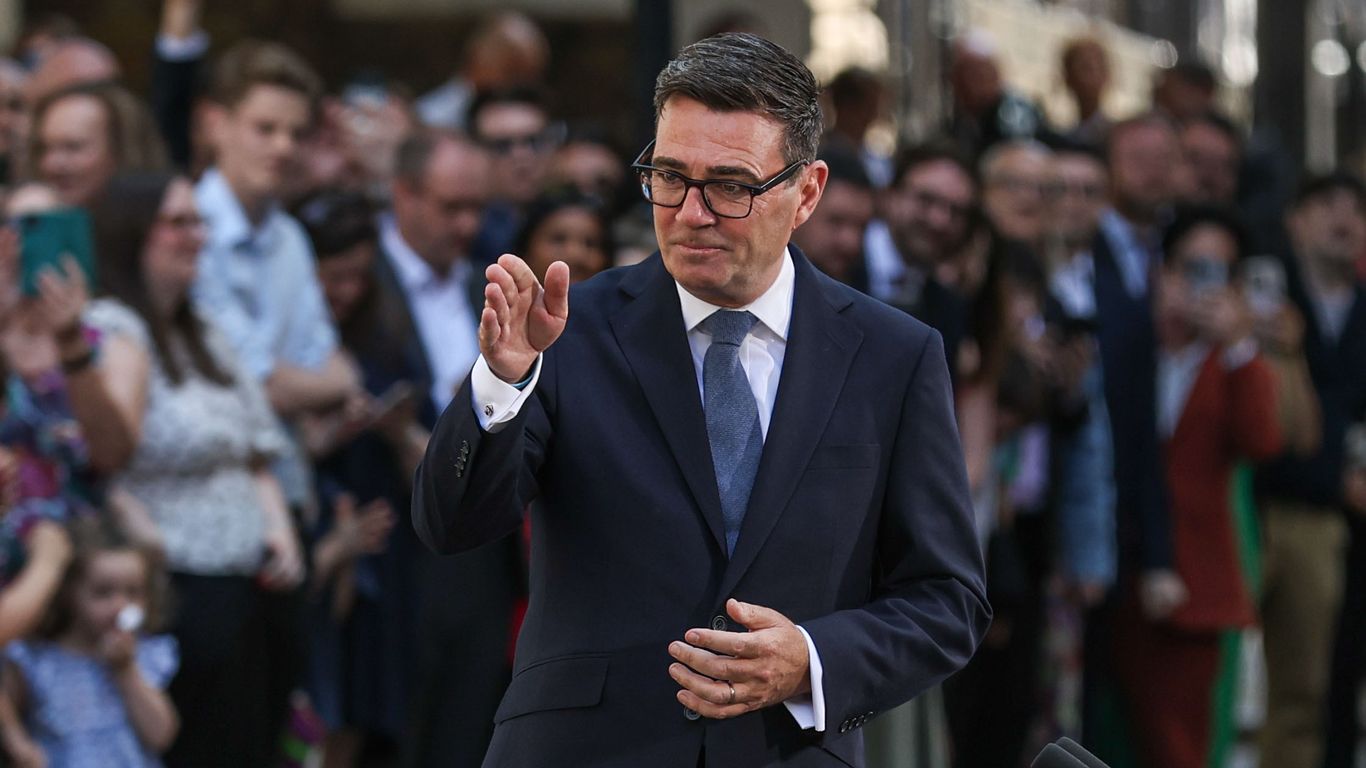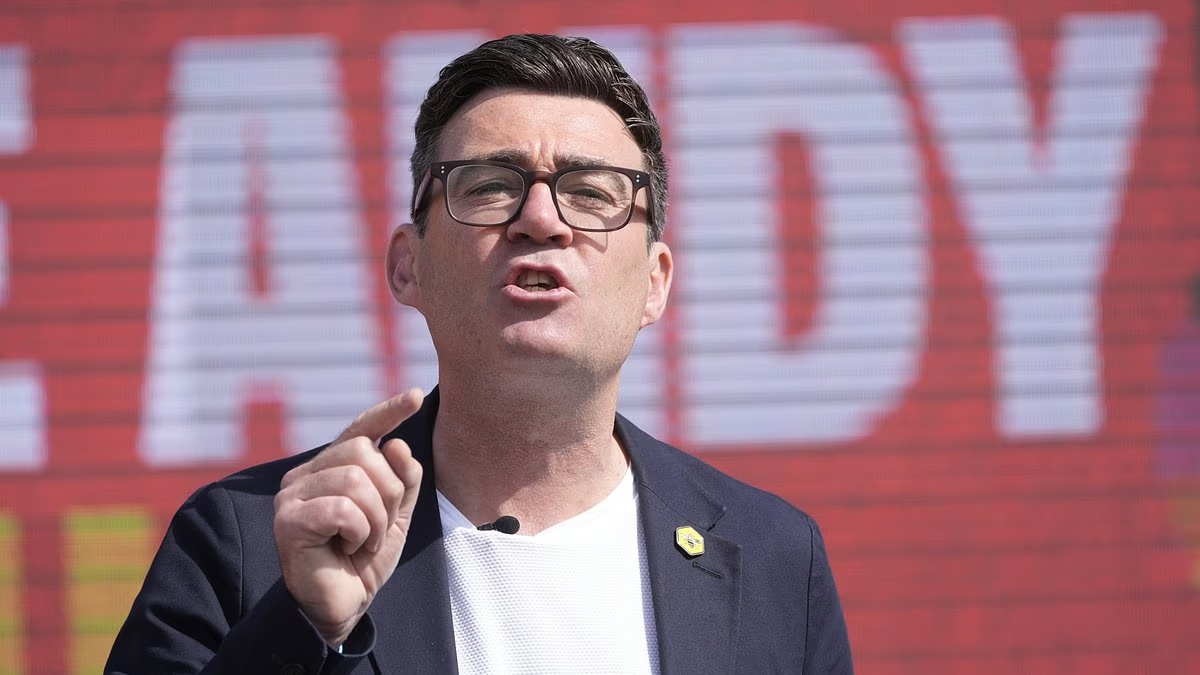
Andy Burnham has raised fears he could strangle the economy with even more tax rises - as figures showed growth already stalling.Official data revealed that GDP grew just 0.1 per cent in May, having dropped by the same proportion in April.The grim numbers came after the incoming PM admitted he might 'ask for a little more' from Britons during a chat with Gary Lineker - even though the tax burden is headed for record levels.However, markets have been calmed somewhat ahead of the No10 handover on Monday amid signs Ed Miliband is losing his battle to become Chancellor.The Pound has gained ground and UK borrowing costs have eased with Shabana Mahmood now favourite to take the crucial role instead of the 'Soviet' Net Zero Secretary. Despite being just days away from taking office, Mr Burnham has so far revealed little of his plans for the country as concerns grow about his mandate to be PM. Andy Burnham admitted he might 'ask for a little more' from Britons during a chat with Gary Lineker - even though the tax burden is headed for record levels Official data revealed that GDP grew just 0.1 per cent in May, having dropped by the same proportion in April The Pound has been rising against the US dollar amid signs that Shabana Mahmood is set to become ChancellorHe has spoken only once in the House of Commons since returning to Parliament as the new Makerfield MP. The former Greater Manchester mayor also exited a major speech at the end of last month without taking questions from the media.Mr Burnham instead opted to selectively answer questions on website Reddit, and he has now spoken in vague terms about what he might do in power during a light-hearted chat with ex-footballer Lineker.As well as suggesting to the former Match of the Day host that he would be 'very upfront' in areas of disagreement with US President Donald Trump, Mr Burnham signalled he is open to hiking the tax burden.In response to Mr Burnham's comments, Tory leader Kemi Badenoch cautioned the country is facing 'another summer of chaos with Labour obsessing about who they can tax to pay for more benefits'.Suren Thiru, ICAEW Chief Economist, said: 'This underwhelming outturn highlights the UK's vulnerability to a prolonged re‑escalation of US–Iran hostilities, as a sustained spike in oil prices would further damage an already frail economy, strengthening stagflation risks and eroding the incoming Prime Minister's fiscal headroom.'The imminent change in Prime Minister risks casting a shadow over the UK economy, with heightened uncertainty over future tax policy likely to make consumers and businesses more reluctant to spend and invest.'Samuel Edwards of global financial services firm Ebury said: 'Questions over the future Chancellor and the Burnham government are adding another layer of concern, leaving businesses looking for greater clarity on the Government's economic direction and whether further tax increases for employers could be on the table.' The meagre growth in May came after expansion of 0.3 per cent in the key services sector, which was partly offset by falls of 0.5 per cent in production and 0.8 per cent in construction.Growth has been pulling back sharply after a much better than expected start to the year, with the ONS recording growth of 0.3 per cent in March before the contraction in April, which was the first fall for eight months in what was seen as a sign that the Iran war was beginning to take its toll.In the three months to May, GDP rose 0.7 per cent after upwardly revised growth of 0.8 per cent in the three months to April.The ONS said the Middle East conflict had been flagged by businesses across a raft of sectors for having impacted activity, including some manufacturing industries, hospitality firms, travel agencies and entertainment companies.'A common theme of comments received by the monthly business survey was disruption in global supply chains because of the conflict in Iran,' according to the ONS.Experts at Pantheon Macroeconomics said the May increase puts the economy on track for growth of 0.3 per cent overall in the second quarter, down from growth of 0.6 per cent in the first three months.But nearly five months of conflict in the Middle East, with little sign of a conclusion, is set to see soaring fuel and energy costs hit growth over the year.Fergus Jimenez-England, an associate economist at the National Institute of Economic and Social Research (Niesr), said the incoming PM will need to make economic stability a top priority.He said: 'Today's data confirm that growth remains fragile, with both production and construction sectors falling, and services keeping the economy afloat.'The growth outlook is further threatened by volatile energy costs which will likely dampen economic activity in the near future.'As energy prices climb once more, all eyes are now on the new Prime Minister to deliver much-needed stability.'A Treasury spokeswoman said: 'We have the right economic plan which has put the UK in a much stronger position than two years ago with the fastest growth in the G7 in the first quarter and the OECD agreeing that we have restored stability.'We're forecast to be the fastest growing European G7 economy this year and next, inflation is steady, and for the first time since 2004, we are forecast to borrow less this year than the G7 average.' Markets have been calmed somewhat ahead of the No10 handover on Monday amid signs Ed Miliband is losing his battle to become Chancellor The Pound has gained ground and UK borrowing costs have eased with Shabana Mahmood now favourite to take the crucial roleShadow chancellor Mel Stride said: 'Rachel Reeves said growth was her 'number one mission'. She has failed.'Two years of higher taxes have choked the economy, and now Andy Burnham wants even more taxes to pay for more benefits. Starmer and Reeves may be on their way out but the problem isn't just the Chancellor. It's the Labour Party. Different faces, same failed approach.'
Fears Burnham tax rises will strangle economy as growth stalls
Official data revealed that GDP grew just 0.1 per cent in May, having dropped by the same proportion in April.
990 words~5 min read