See more Daily Mail on Google - save us as a Preferred SourceBy MARTIN BECKFORD, POLICY EDITOR Published: 23:17 BST, 29 June 2026 | Updated: 23:19 BST, 29 June 2026
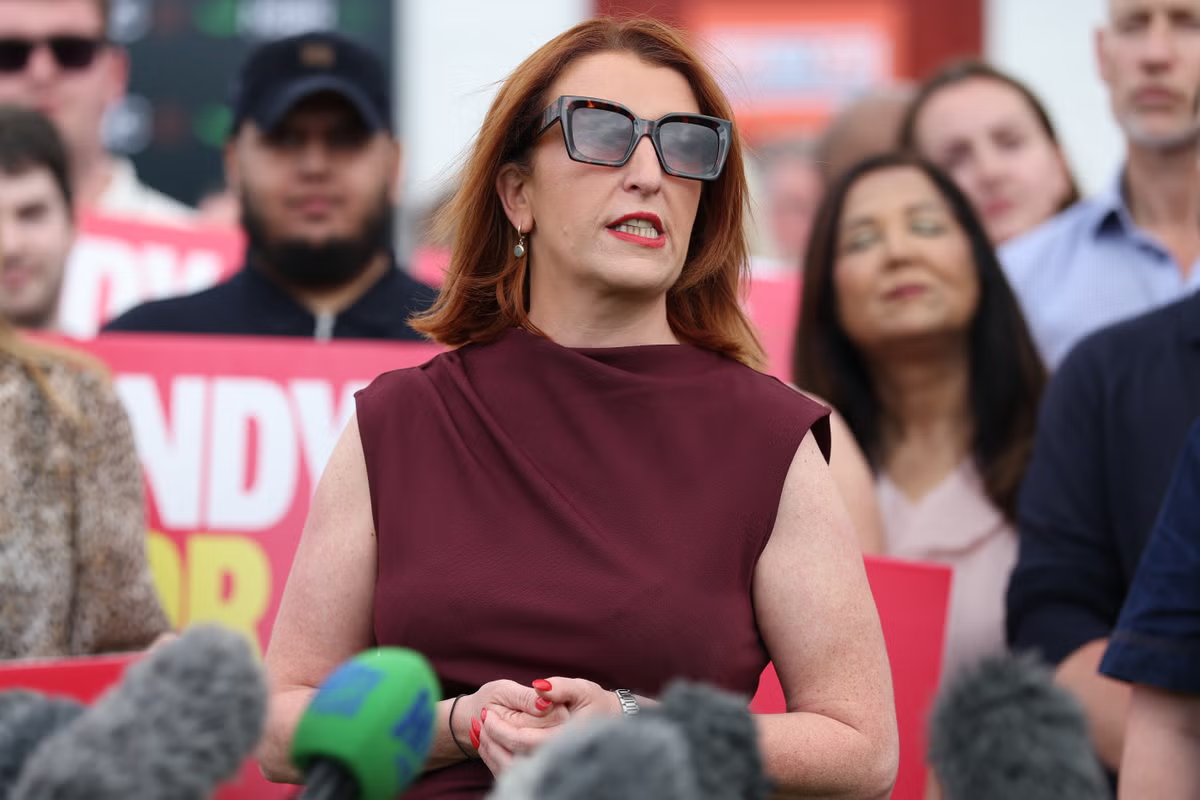
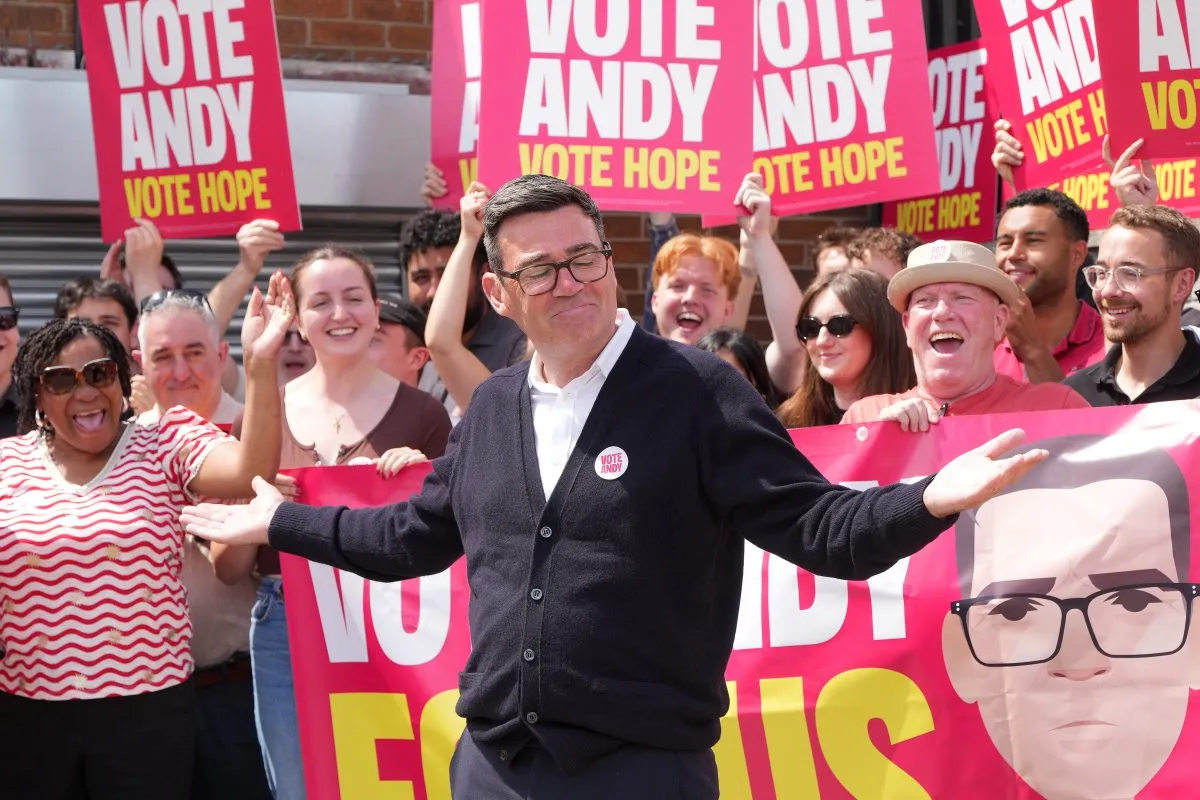
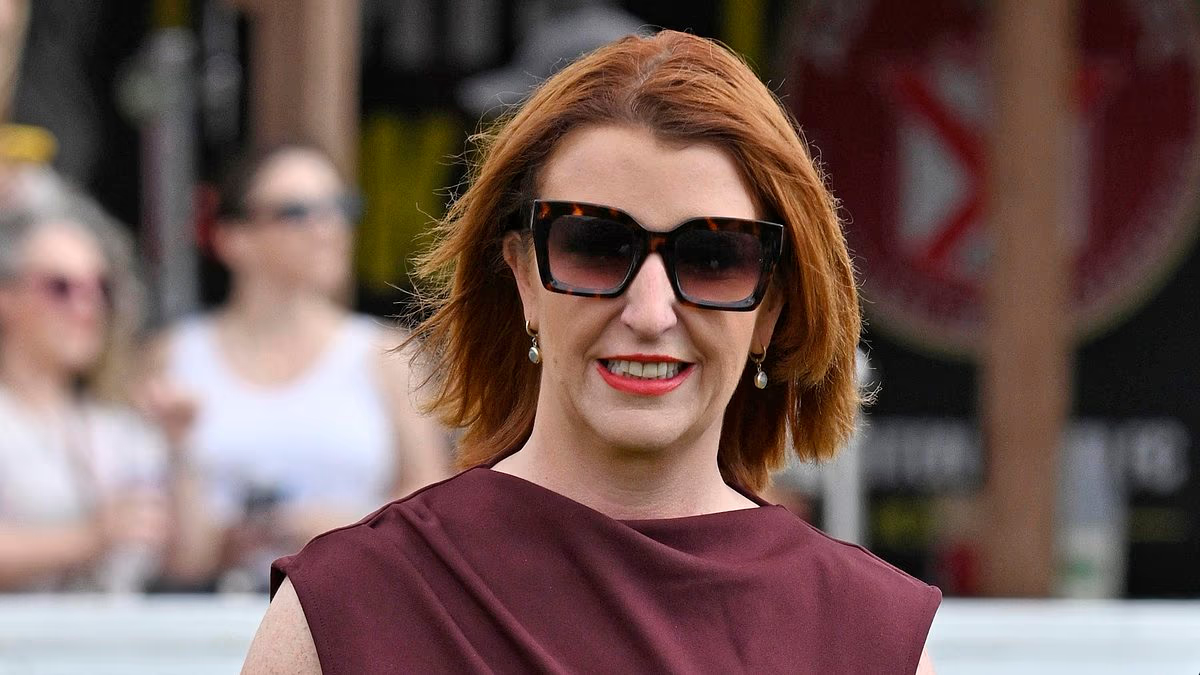
Tax plans being considered by Andy Burnham could cost HM Treasury up to £8billion a year, experts have warned.The would-be Prime Minister's key ally Louise Haigh has said that levels of Capital Gains Tax (CGT), paid on profits from selling second homes or shares, 'should be brought closer to income tax rates'.She has claimed that the current disparity between the two – the maximum rate for CGT is currently just 24 per cent while that of income tax is 45 per cent – 'creates incentives for individuals to shift income into lower-taxed forms'.Wes Streeting, one of the leading Labour MPs who has been tipped to become Mr Burnham's Chancellor, has also proposed equalising CGT with income tax.He claimed it would raise £12bn for the exchequer as well as making the system fairer.But according to new analysis for investment platform IG, the move would in fact lose the Treasury £7.8bn a year because it would make homeowners and investors think twice before selling assets. Louise Haigh, a key ally of Andy Burnham, celebrates his by-election win in MakerfieldAlthough basic-rate payers would generate an extra £10m in revenue in CGT rates rose from 18 to 20 per cent, this would be offset by losses from wealthier individuals putting off sales.Revenue from higher-rate taxpayers would fall by £3.2bn while that from additional rate taxpayers, who would pay 45 per cent instead of 24, would drop by £4.6bn.Michael Healy, managing director for the UK and Ireland at IG, said: 'Our analysis, based on HMRC's own published assumptions, suggests that aligning Capital Gains Tax with income tax rates would not only make investing less attractive but would also prove fiscally counterproductive, costing the Treasury billions of pounds.'He went on: 'In a few weeks we will have a new Prime Minister and possibly a new Chancellor in Downing Street.'While both will have a difficult job on their hands, we are urging whoever takes office not to reach for the tax lever when it comes to investing.'