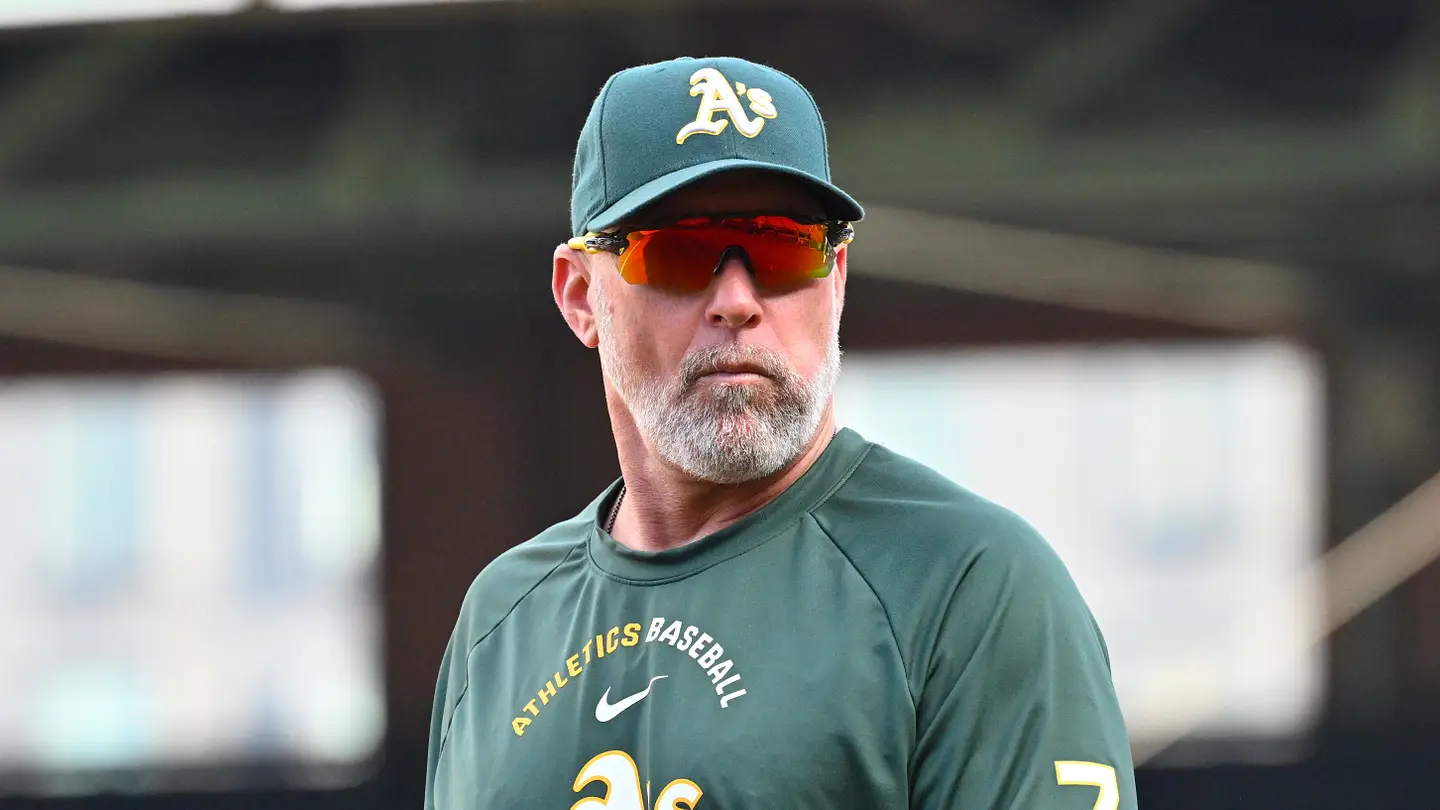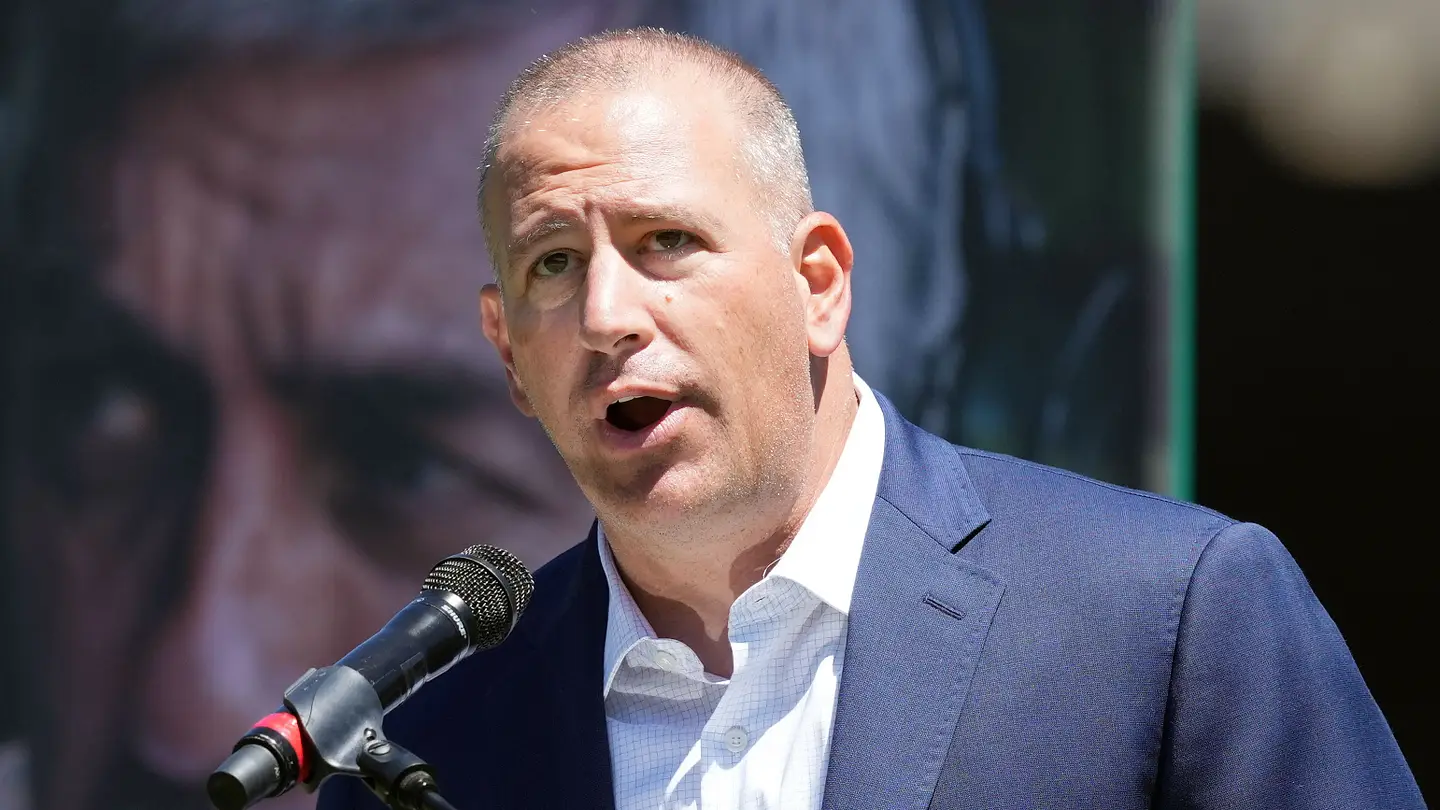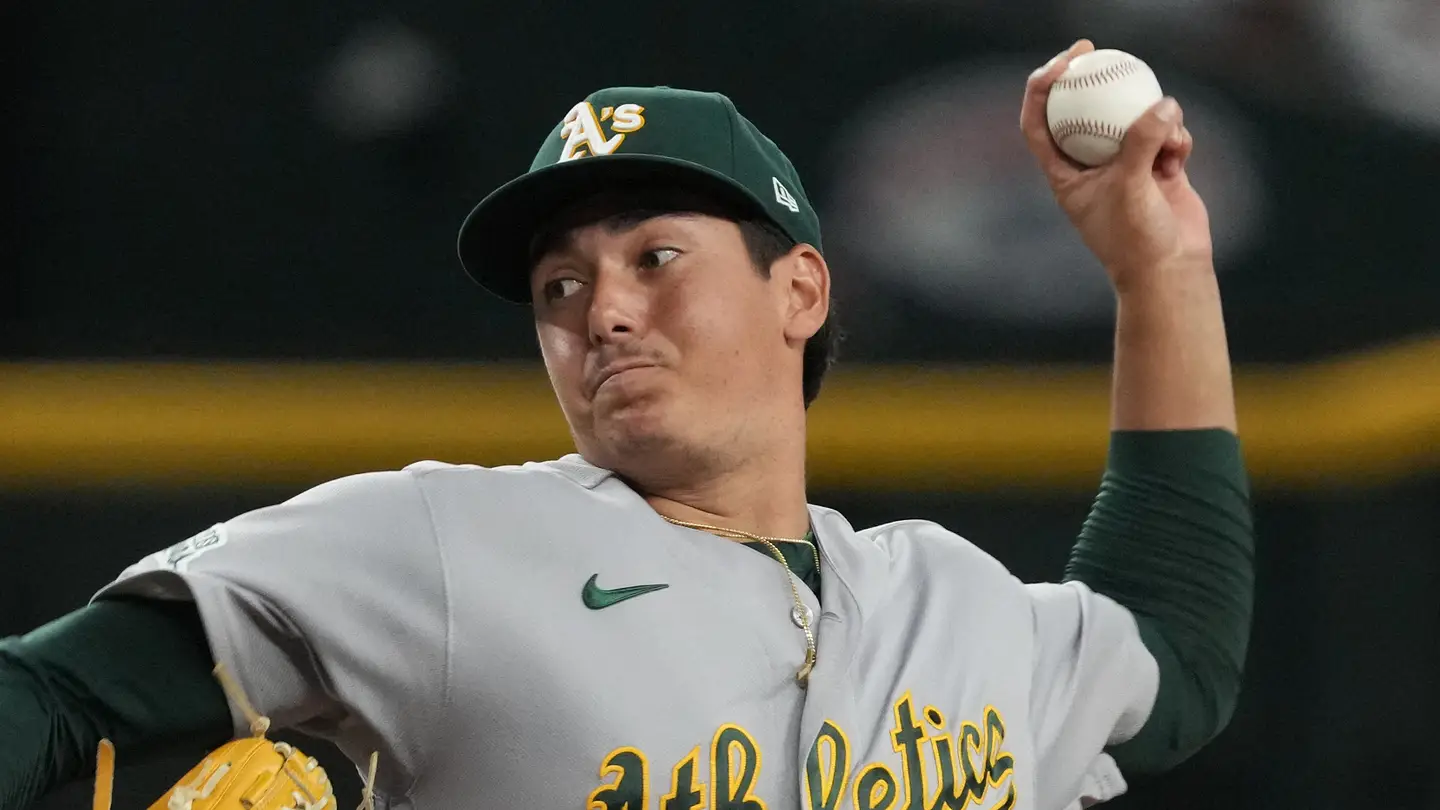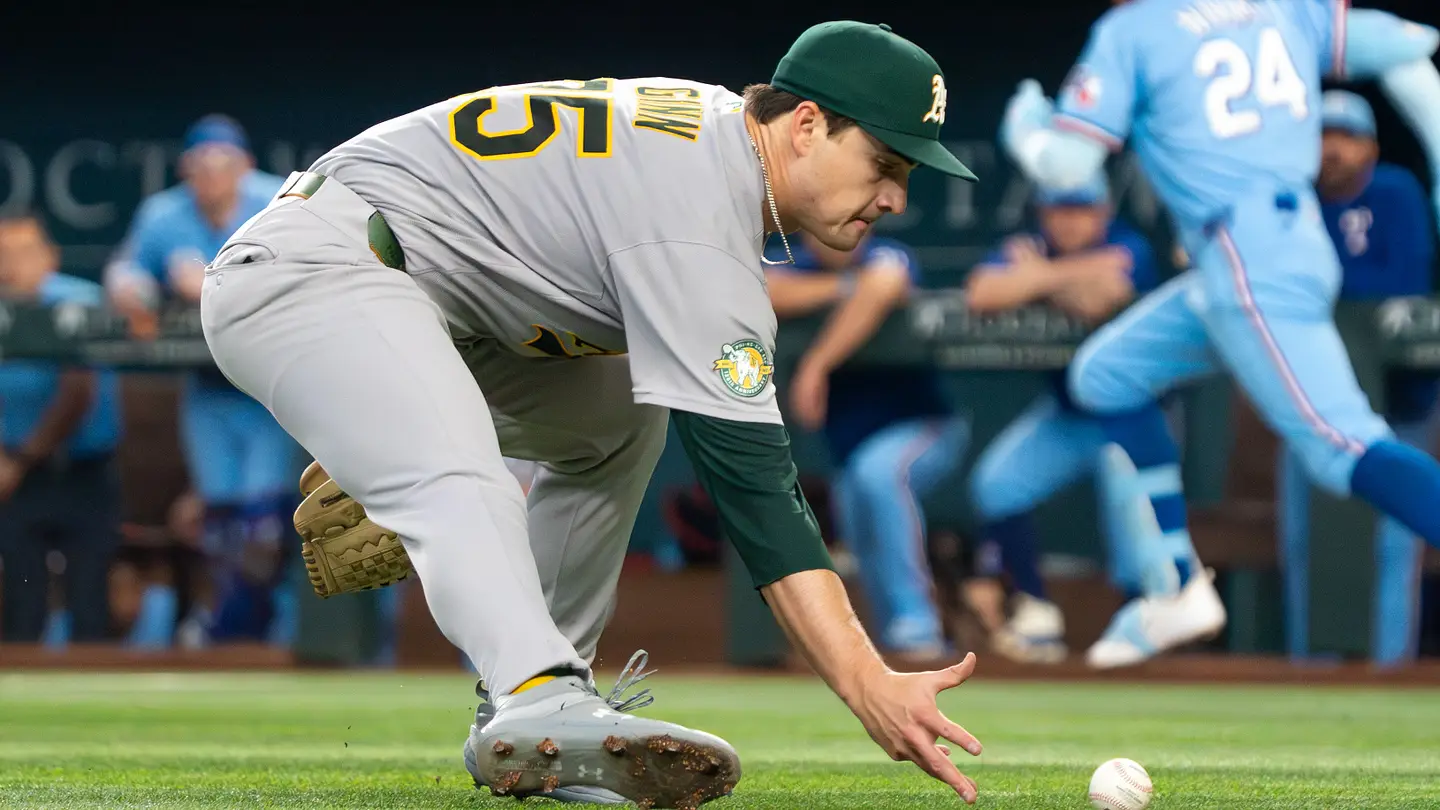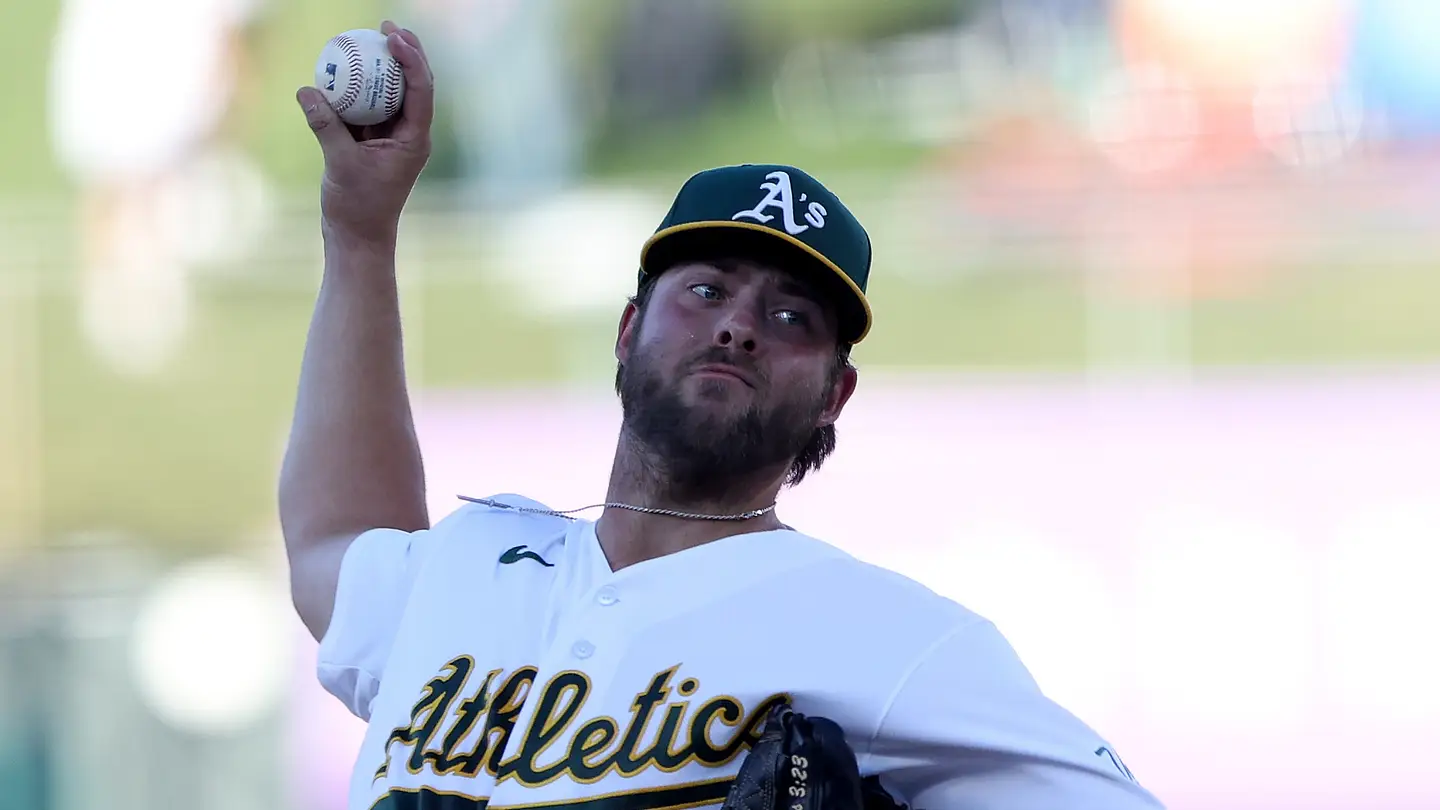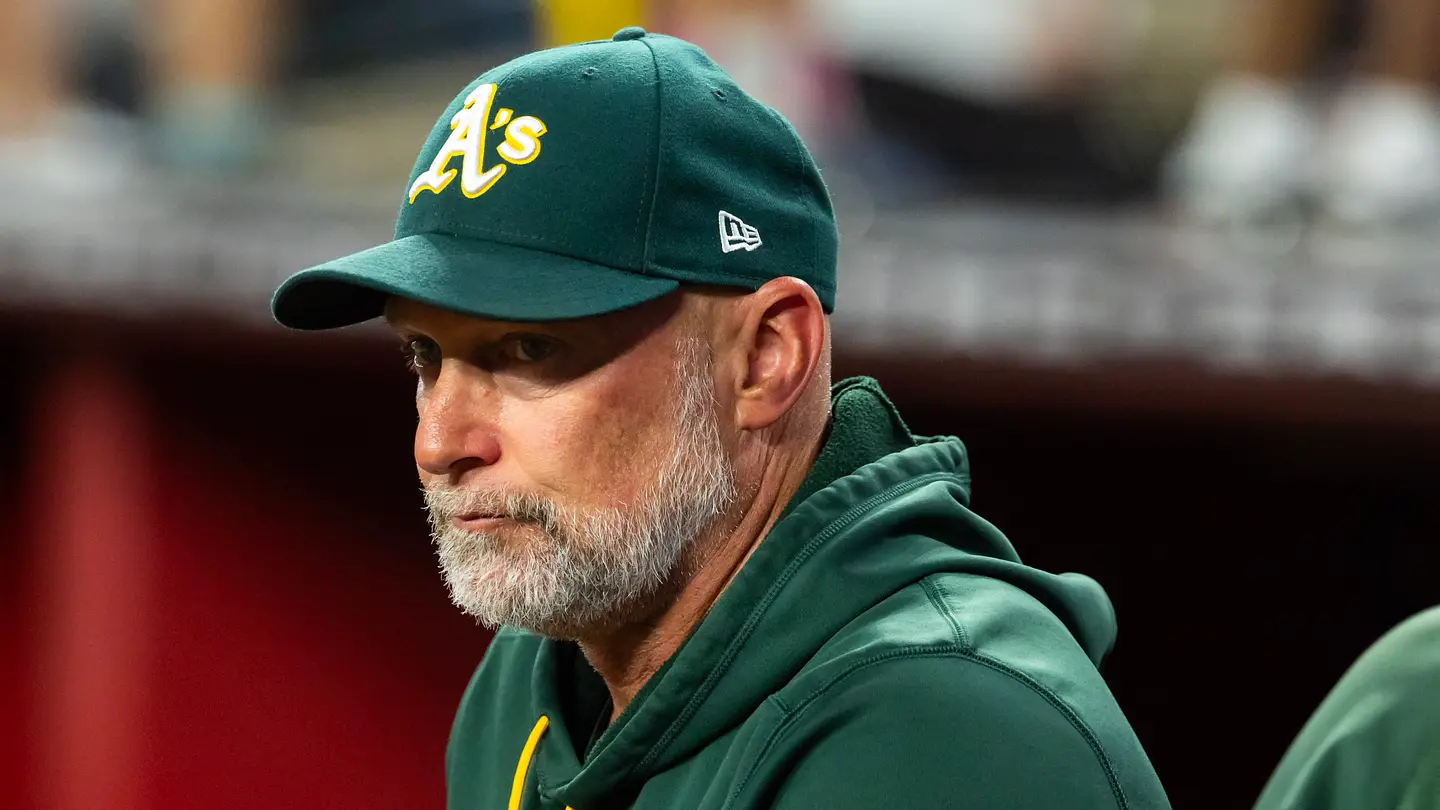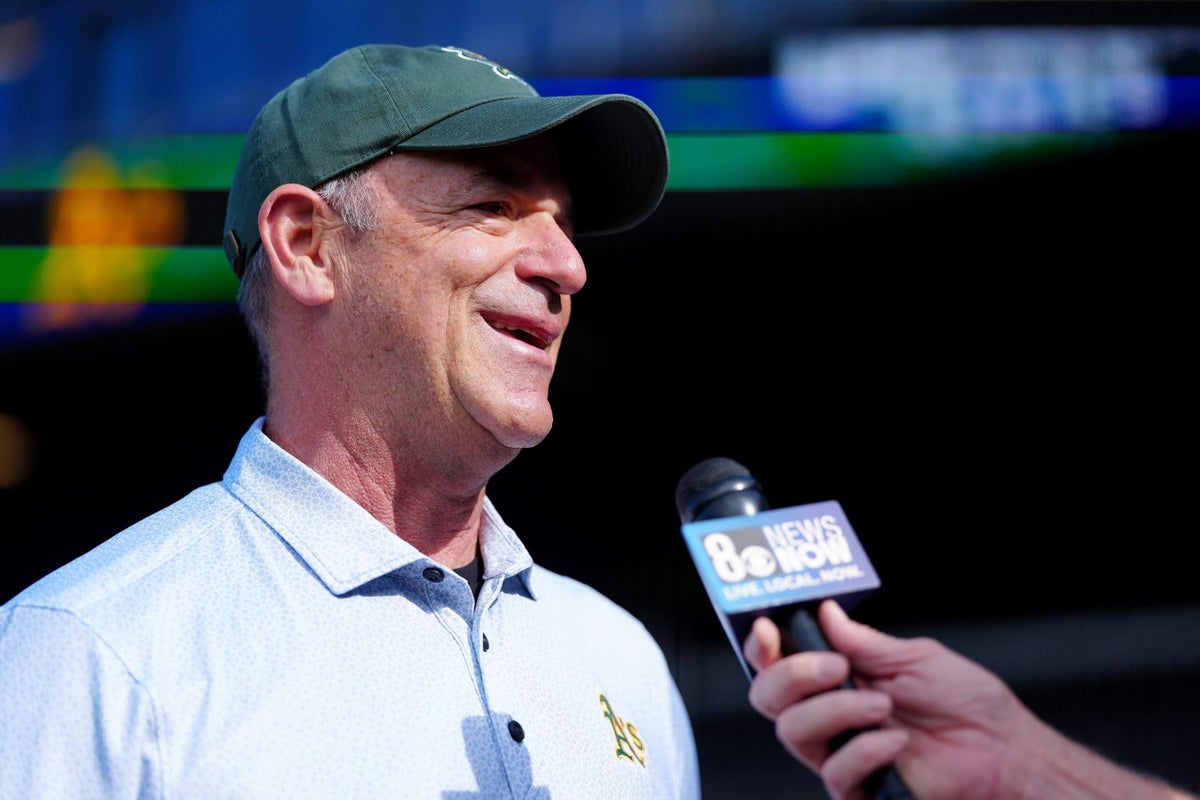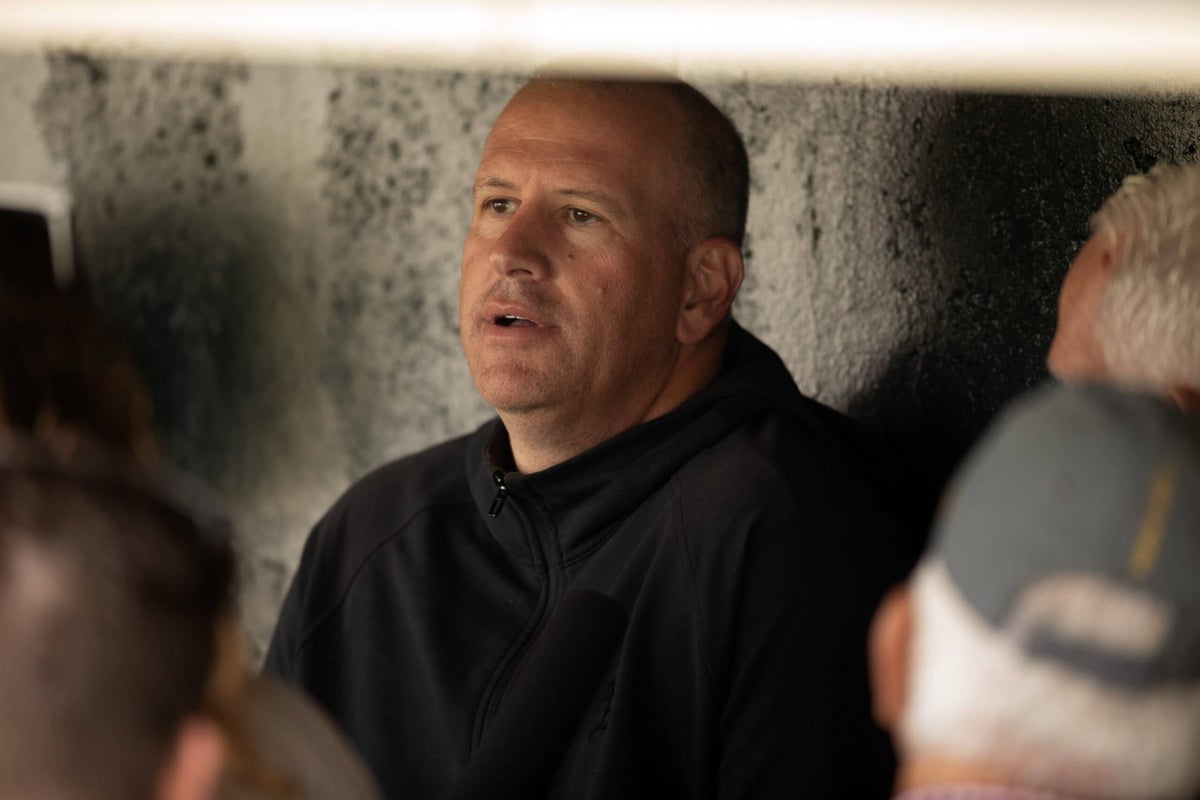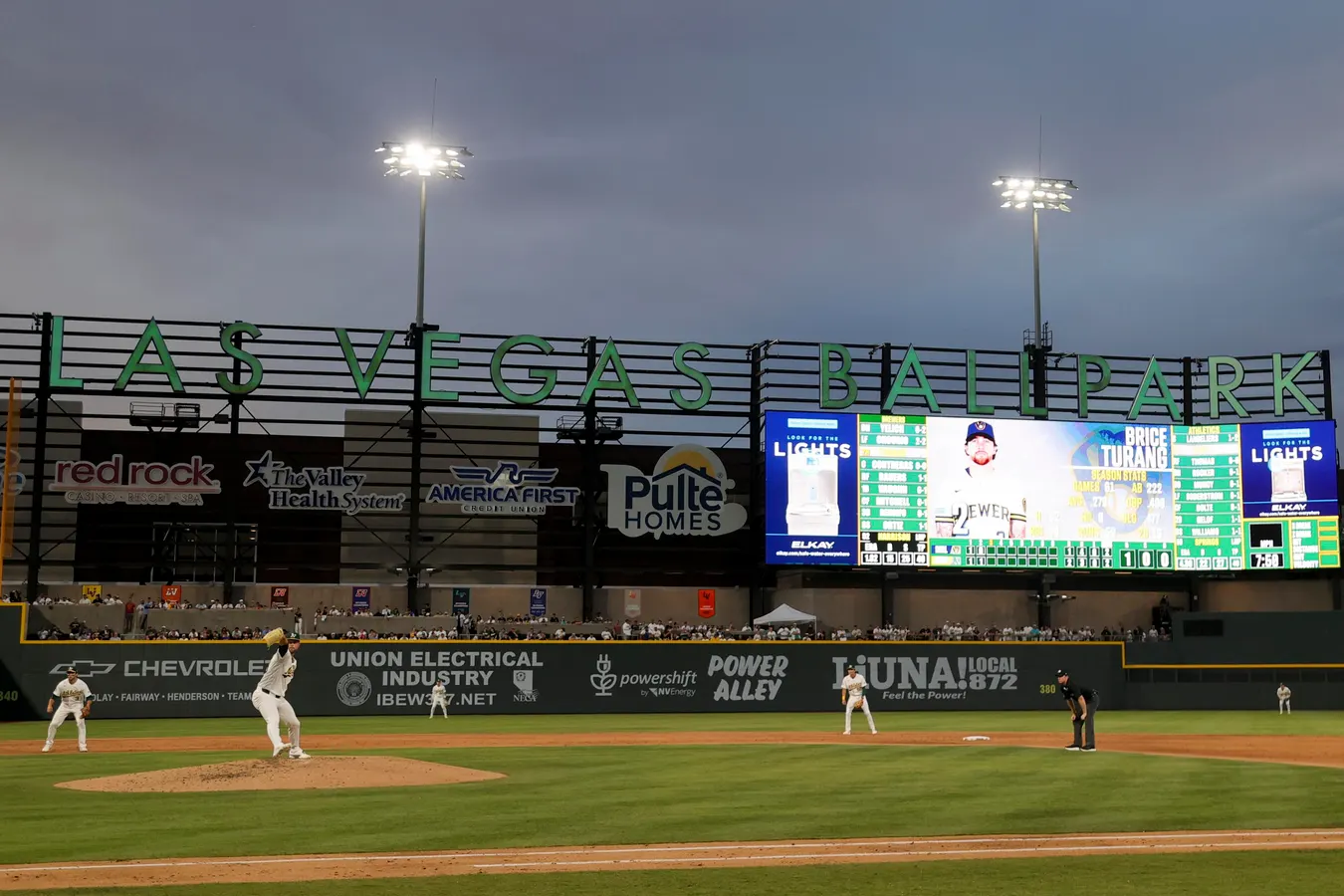
As much as Athletics owner John Fisher might be at fault, his decision to dismiss general manager David Forst stemmed from the team’s second straight year of underperformance. Factor in Forst’s reluctance to relocate with the team to Las Vegas in 2028, and perhaps the parting was inevitable.The challenge for Fisher will be finding a new head of baseball operations who can fulfill the team’s goal of contending by ‘28, when it will move into its new 33,000-seat ballpark on the Las Vegas Strip.A commitment from the owner to expand the size and scope of his baseball operations department also will be necessary, according to some A’s officials who were granted anonymity for their candor.Playing one more season at a minor-league facility, Sutter Health Park in West Sacramento, will not make the A’s task any easier. During the two seasons they have spent at Sutter Health, only one park in the majors, Coors Field in Denver, has been more conducive to scoring runs.For a team already struggling to develop pitching, the park has proven a further detriment.The wind at Sutter Health often is blowing out, a condition exacerbated by the stadium’s lack of a third deck. Earlier this season, Forst requested that Major League Baseball adjust the park’s humidor settings. The league said it does not plan to make a change in-season, but is reviewing the request for 2027.All teams are required to store balls in a climate-controlled humidor, ensuring a consistent level of moisture. The humidor at Coors is set to a higher relative humidity to account for the the mile-high altitude in Denver. The A’s seek a similar adjustment for Sutter Health.The issues stemming from the park, like many issues with the A’s, are at least partly self-inflicted. Fisher, as the expiration of the team’s lease at the Oakland Coliseum approached in 2024, considered temporary stays in Las Vegas, Salt Lake City and Oakland. He chose West Sacramento in part to maintain the bulk of his local TV revenue with NBC Sports California.Year two was supposed to be better than year one. It isn’t turning out that way. A’s players, coaches and manager Mark Kotsay do not often talk about it publicly, but the experience of playing at a minor-league park is not the same as playing at a boisterous state-of-the-art facility like Petco Park in San Diego or a baseball cathedral like Fenway Park.Still, the A’s expected better than this.In their first season at Sutter Health, they started 22-20. At that point, they were second in the AL West, 1 1/2 games out of first place, and in possession of the third AL wild card. They then plummeted out of contention, losing 20 of their next 21 games.Yet, even in a season of disappointment, the A’s raised expectations with their 34-24 finish. They started off this season decently, too. On June 19, they were 38-38, a half-game out of first place, holding the third wild card. Injuries to key hitters hurt them. But once again, their pitching fell apart, triggering a 7-32 slide leading to Forst’s dismissal, which the team announced as a mutual parting.Forst began working for the A’s in 2000, became GM in 2015 and ran the day-to-day operation well before that. Fisher spoke warmly of him in a statement to The Athletic, saying, “He and his friend, boss and mentor Billy Beane brought us some of the most memorable teams in the A’s 125-year history . . . I have so much respect for David as a person, and a baseball leader.”David Forst, Billy Beane and John Fisher (l-r) sit in the Athletics’ draft room at the 2019 MLB Draft.The owner added, “We are now working closely with Dan Feinstein as interim GM of the team through the end of the season, and starting our search for our next general manager.”If only it were that simple.Fisher needs to start acting like an owner who burns to win, rather than one who appears more interested in reaping the financial benefits of relocating to a new city and park. It will take some work. But here are three ways for him to fix the A’s.Find the next BeaneThe A’s do not need their next head of baseball operations to be the kind of disruptor Beane was. But they need a transformational leader to energize their new fan base and inject new life into the franchise.The Milwaukee Brewers, Tampa Bay Rays and Cleveland Guardians all provide blueprints for how to succeed in a small market. Las Vegas will surpass Milwaukee as the smallest TV market in the majors. Even if the next collective bargaining agreement helps level the financial playing field for such clubs, some will always be more cutting edge than others.Why can’t the A’s again be one of those teams?For more than four decades, from Sandy Alderson to Beane to Forst, A’s leadership was remarkably stable. They should use their search for Forst’s replacement to pick the brains of the game’s best and brightest, find out how other clubs are finding success.The Colorado Rockies, one of the game’s most insular organizations, abruptly shifted course last offseason, hiring Paul DePodesta as president of baseball operations. DePodesta then hired Josh Byrnes as general manager, restoring competence to the organization.Though the A’s are not as far away from respectability as the Rockies were, Fisher would be wise to follow the model most teams now employ, and hire a formidable 1-2 combination.Perhaps he can pluck an up-and-comer from one of the successful small-market clubs. Perhaps he would want a former No. 1 such as James Click, now with Toronto, or Jon Daniels, now with Tampa Bay. Perhaps he could raid the Los Angeles Dodgers the way the Rockies did with Byrnes.The A’s are getting a head start on the rest of the sport. The Los Angeles Angels could end up retaining John Mozeliak. The Houston Astros have yet to make a call on Dana Brown. Other possible changes likely will wait until the end of the season.Here’s the catch: Getting the right person will cost money. Getting two will cost even more. And every candidate Fisher interviews will want to know: What kind of infrastructure will I be allowed to build?Which brings us to our second requirement:Bolster the operationThe A’s were at the forefront of the analytics revolution. But in the estimation of their own people, they are now at the rear.“As much as we were known as the ones who advanced it, we’re in last place right now,” one club official said. “We’re behind the Rockies. We’re behind everyone.”The exact sizes of baseball operations staffs around the league are not known. Some A’s baseball employees, though, say theirs is among the smallest, if not the smallest. Ditto for their analytics department, which includes only about six members.It’s not just large-market teams like the Dodgers and New York Yankees dwarfing the A’s numbers. The Rays’ media guide lists a combined 33 employees in “baseball research & development” and “baseball systems.”A’s baseball people do not consider analytics any less important than they once did. But Fisher, they say, has not made the necessary investment to enable them to keep pace. And that goes for other aspects of baseball operations, too.“In some areas, we’ve made a decision to use best-in-class external platforms rather than build those capabilities internally and add headcount simply for the sake of doing so,” the A’s said in a statement to The Athletic.“As we look for our next general manager, we’ll look for a leader who can build on the talent and infrastructure already in place and help determine where additional investment, resources or capabilities can makes us better.”Fix the pitchingEven before their “Moneyball” era, the A’s were built to get on base and slug. In the pitcher-friendly Oakland Coliseum, they could get away with mediocre arms, as long as they had sluggers – from Mark McGwire to Jason Giambi to Matt Olson – powerful enough to hit the ball out of the park.Offense is still the foundation of the club. Designated hitter Brent Rooker, catcher Shea Langeliers and first baseman Nick Kurtz missing significant time helped wreck the current season. But the move from an extreme pitcher’s park to an extreme hitter’s park contributed to the collapse of the pitching staff for a second straight year.The A’s had little time to build a different kind of roster – they did not announce until April 2024 their intentions to play at Sutter Health from 2025 to ‘27. Forst was left in an awkward, near-impossible position. A’s pitchers, meanwhile, remain spooked by the park. The team’s walk rate at home is the second-highest in the league. Its rate on the road is only 13th.Not everything can be blamed on the park, though.Some of Forst’s trades yielded less-than-stellar returns. In March 2022, after Fisher ordered payroll cuts, Forst acquired Langeliers and right-hander J.T. Ginn in separate deals for Olson and righty Chris Bassitt. But his trades for third baseman Matt Chapman and lefty Sean Manaea at that time did not work out as well. Nor did a trade of catcher Sean Murphy in Dec. 2022.The A’s don’t make pitchers better the way the Rays, Brewers and Guardians do. As if to underscore their emphasis on offense, they’ve succeeded in selecting hitters such as Kurtz, shortstop Jacob Wilson and left fielder Tyler Soderstrom in the first round, but went from 2017 to ‘24 without taking a pitcher with their top pick. They’ve also experienced considerable turnover in their minor- and major-league coaching staffs of late.After the 2024 season, the A’s fired Gil Patterson, who was minor-league pitching coordinator from 2008 to ‘12 and 2016 to ‘24. His replacement, Mike McFerran, left in November to become the Kansas City Royals’ assistant pitching coach.The A’s replaced McFerran with Barry Enright, who left in June to become the pitching coach at Texas A&M. Then, after entering the All-Star break on a nine-game losing streak, they fired Scott Emerson, who joined the organization in 2002 and was in his 10th year as the major-league pitching coach.The A’s, even after they move to Las Vegas, likely will not spend on big free-agent pitching (they took a shot on Luis Severino entering their first year in West Sacramento, and the move was a flop). They need to draft and develop more proficiently. They also cannot expect to compete with a pitching staff that currently includes only one pitcher who entered the season with more than one year of service.The future is not without hope. Rooker, Soderstrom, Wilson and outfielder Lawrence Butler are all signed long-term, though at this point, only the Soderstrom deal looks prescient. Langeliers is under club control through 2028, first baseman Kurtz through 2030. Shortstop Leo De Vries, acquired in the Mason Miller trade, is one of the game’s top prospects.But while Ginn, 2024 second-rounder Gage Jump and 2025 first-rounder Jamie Arnold eventually might form the core of a quality rotation, the A’s need more pitching. Much more. And the shift in organizational philosophy must start with Fisher, who has not shown much interest in building a winner, or the capability to pull it off.Find the right head of baseball operations. Build up the infrastructure. Figure out the pitching.This shouldn’t be so hard.-The Athletic’s Evan Drellich and Melissa Lockard contributed to this story.
The A’s expected to be better than this by now – here are 3 ways to fix them
After dismissing GM David Forst, A's owner John Fisher has some work to do as the team regroups before its move to Vegas in 2028.
1,880 words~9 min read