We’re now more than halfway through 2026. With H.R. 1, the ‘One Big Beautiful Bill Act’ (‘OBBBA’) in the rearview mirror, the industry is navigating its sweeping effects on project development, supply chain, and safe harbouring. It is time to take a fresh look at where utility-scale energy storage is going.
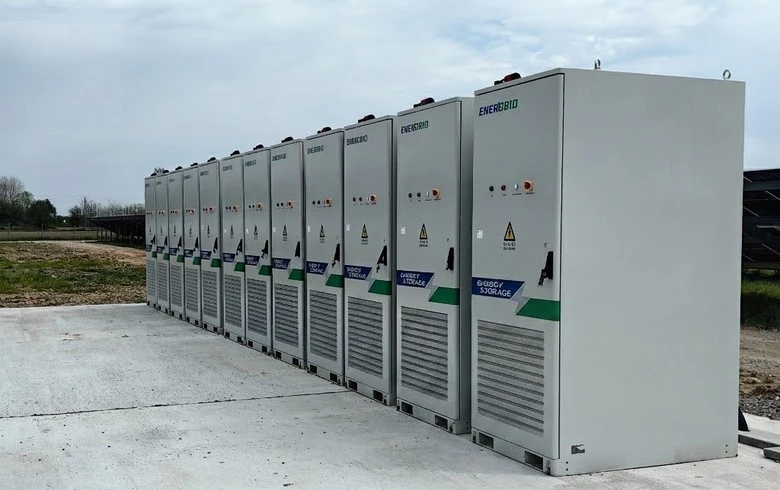
Before getting into the trends, let me frame this for those outside the deepest weeds: a modern battery energy storage system is not just batteries; it is a stack. It includes a DC block (the lithium-ion battery container itself), a bi-directional power conversion system, a medium-voltage transformer, a block controller, and an energy management system (EMS).
Every one of the trends below is happening at a different layer of that stack.
1. Grid-forming inverters with black start capability become table stakes
For the better part of a decade, grid-forming (GFM) inverter capability was a premium feature. That is ending. In September 2025, the Electric Reliability Council of Texas (ERCOT) approved new Advanced Grid Support requirements, meaning any storage project signing a standard interconnection agreement on or after 1 April 2026 is obligated to provide GFM features. Once the largest competitive storage market sets this bar, the rest of the US ISOs are expected to quickly follow.