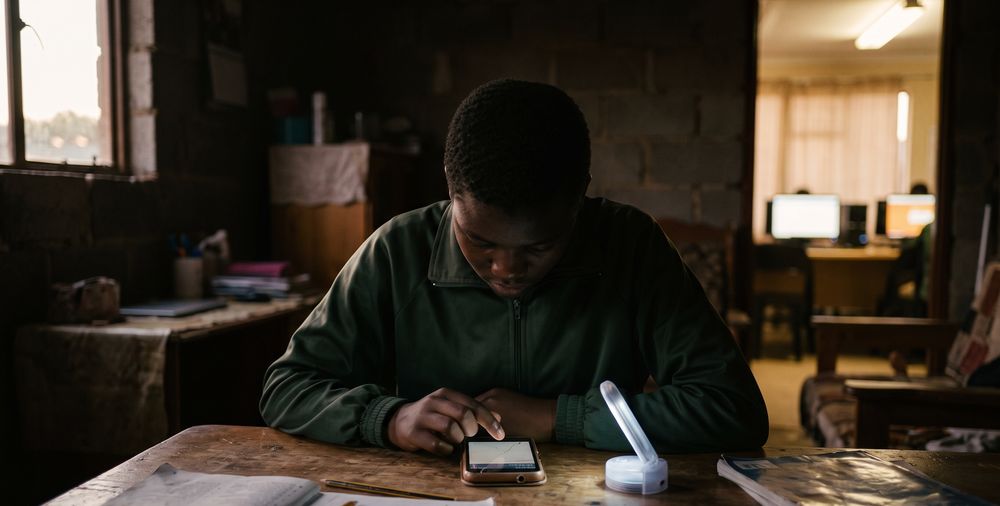
Connecting South African schools to broadband is a crucial step, but new research shows that expensive data, unreliable electricity, shared devices and limited support still prevent young people from turning digital access into education, employment and economic opportunity.
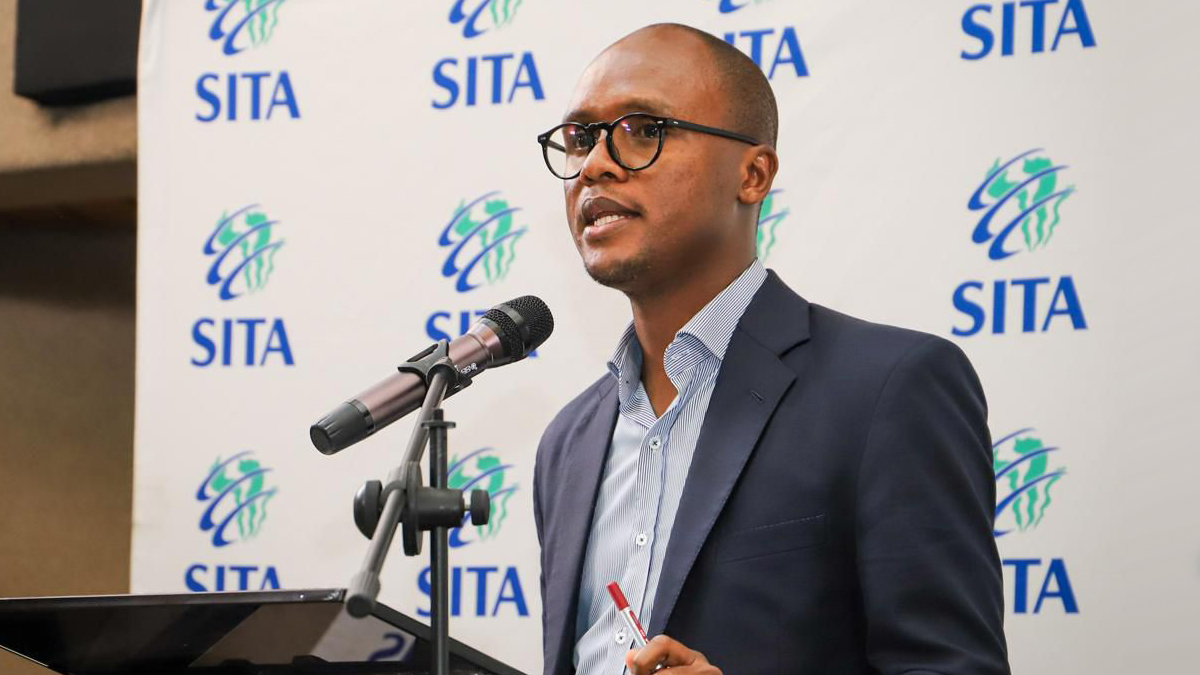
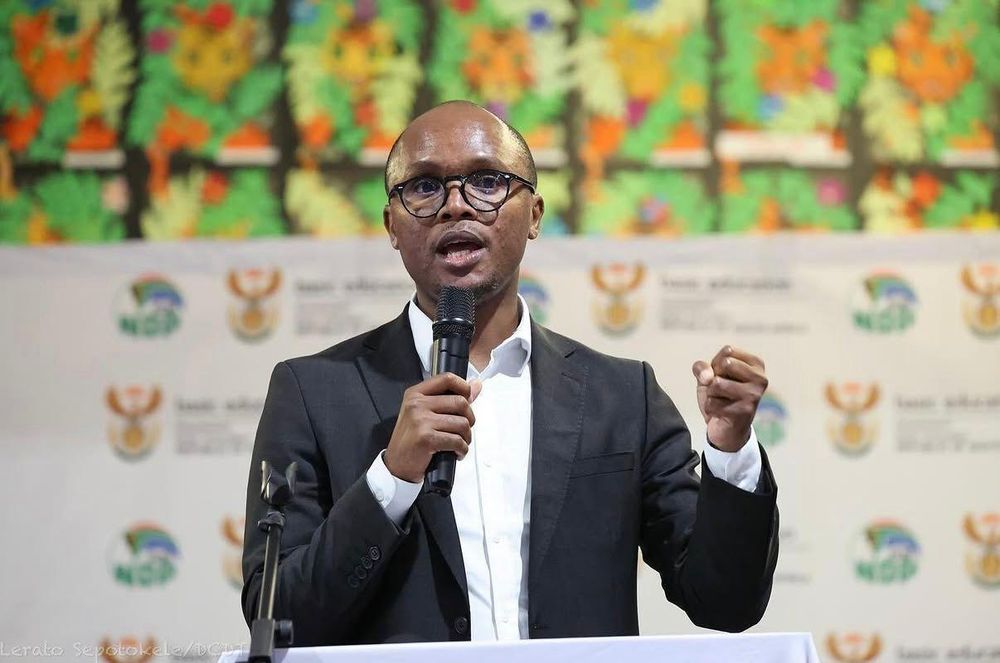
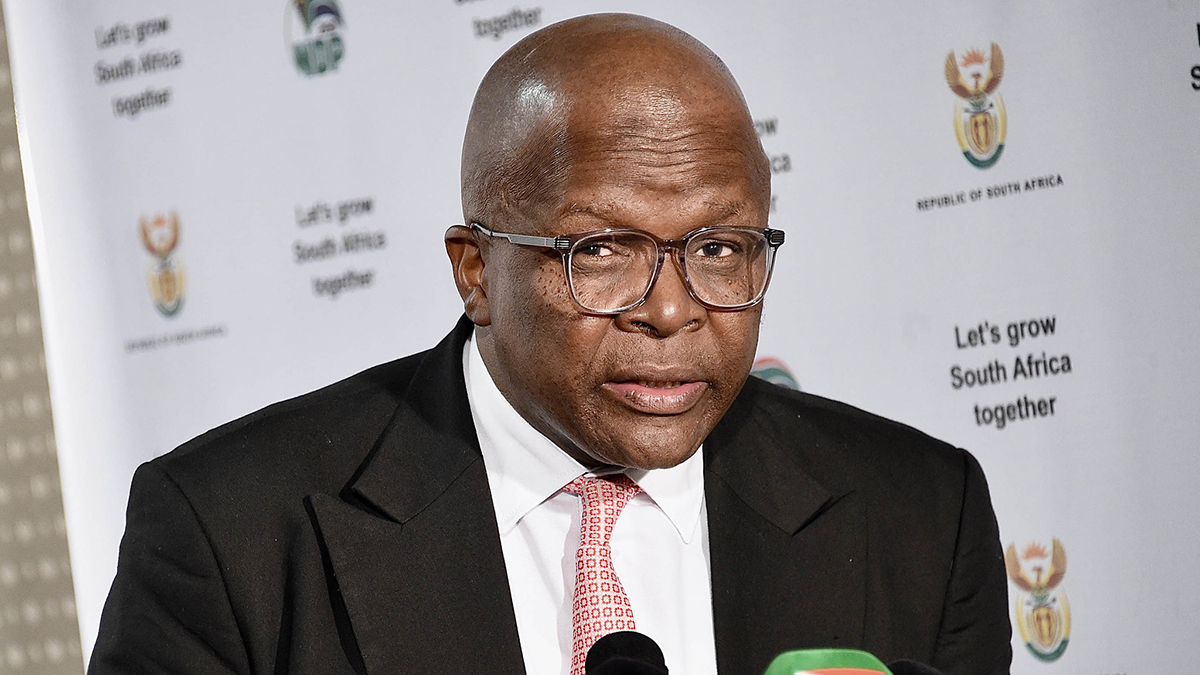
When Communications and Digital Technologies Minister Solly Malatsi recently announced new partnerships to expand broadband infrastructure to schools across South Africa, it was welcomed as another important step towards closing the country's digital divide.
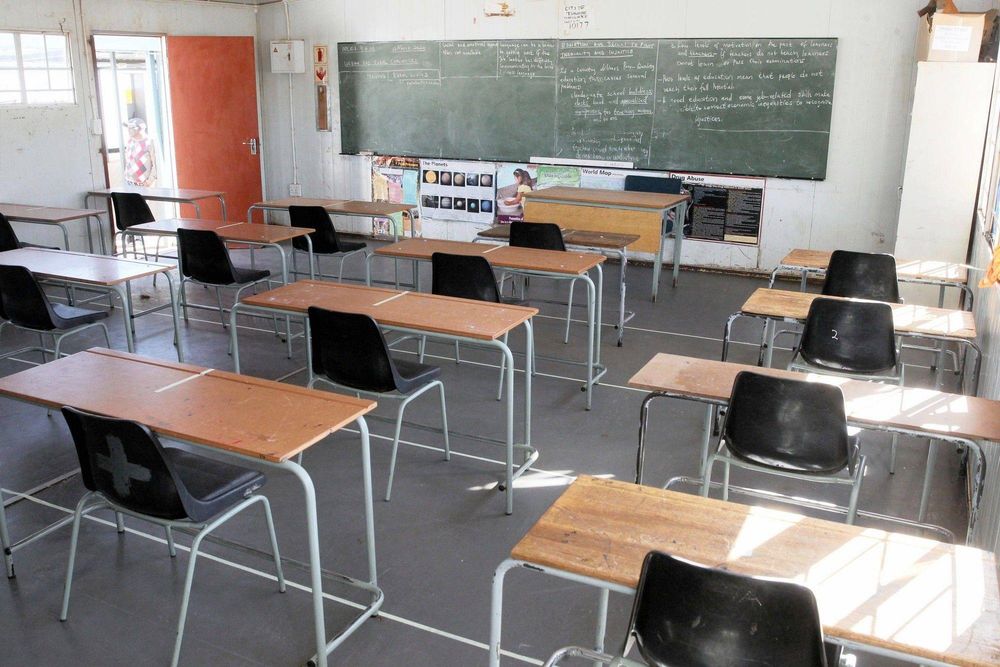
The partnerships, which bring together government and telecommunications companies to improve connectivity in schools, recognise something that has become impossible to ignore: in today's world, being offline increasingly means being locked out of education, employment and opportunity. As more classrooms become digital, more government services move online and artificial intelligence begins reshaping the world of work, connecting schools is no longer a nice to have. It is essential.
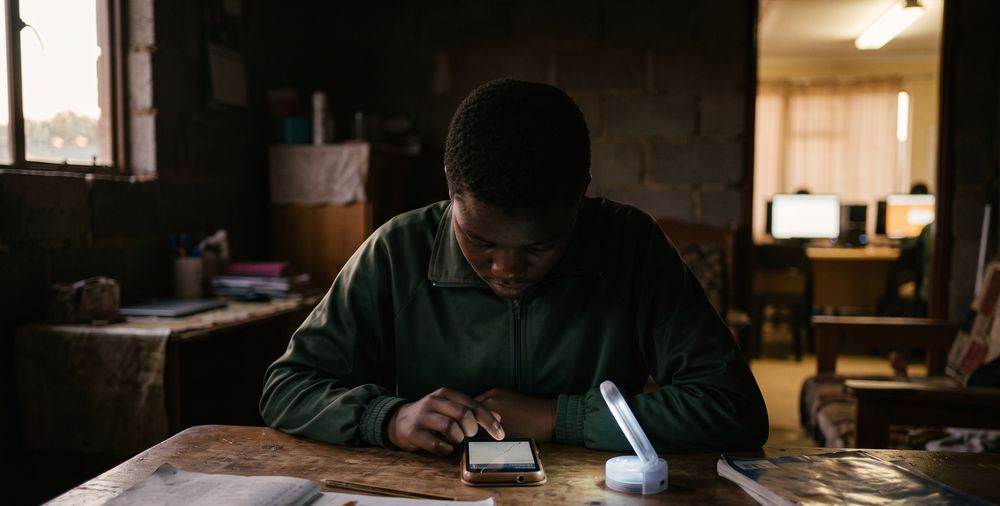
But while the announcement deserves to be welcomed, it should also prompt a much bigger conversation about what genuine digital inclusion really looks like. If we believe that connecting schools to broadband is enough to prepare young people for the future, we risk confusing access with opportunity. Fibre cables can bring the internet into a classroom, but they cannot, on their own, ensure that a young person leaves school with the confidence, support and opportunities needed to build a life in an increasingly digital economy.