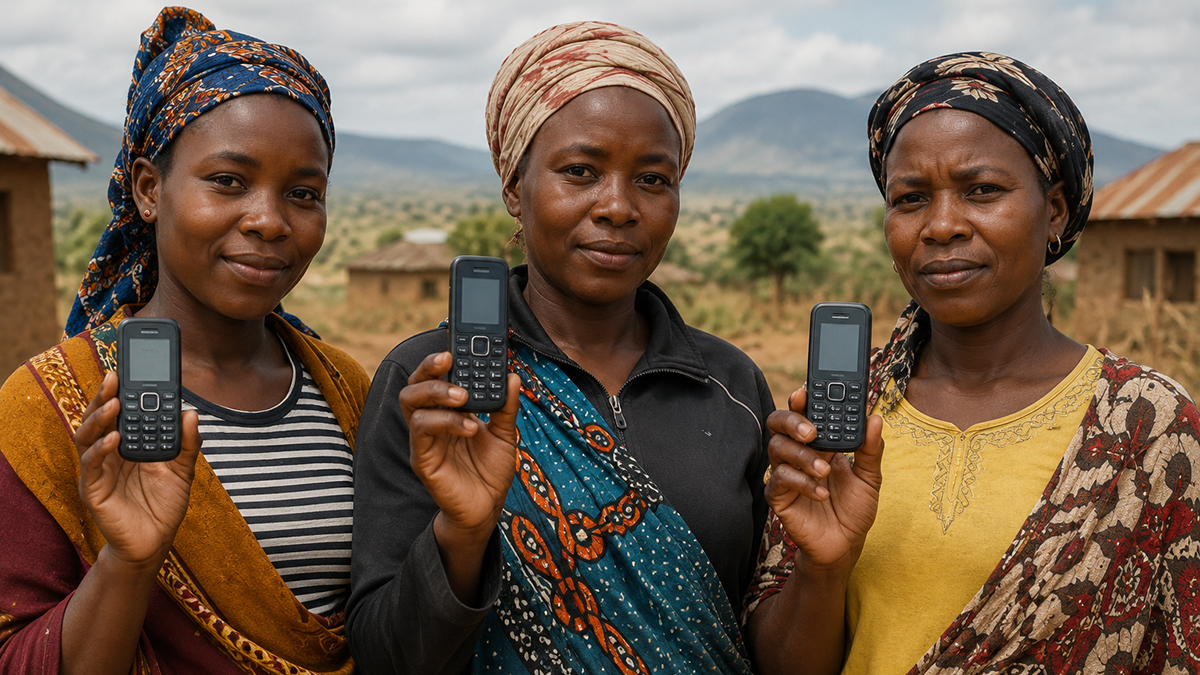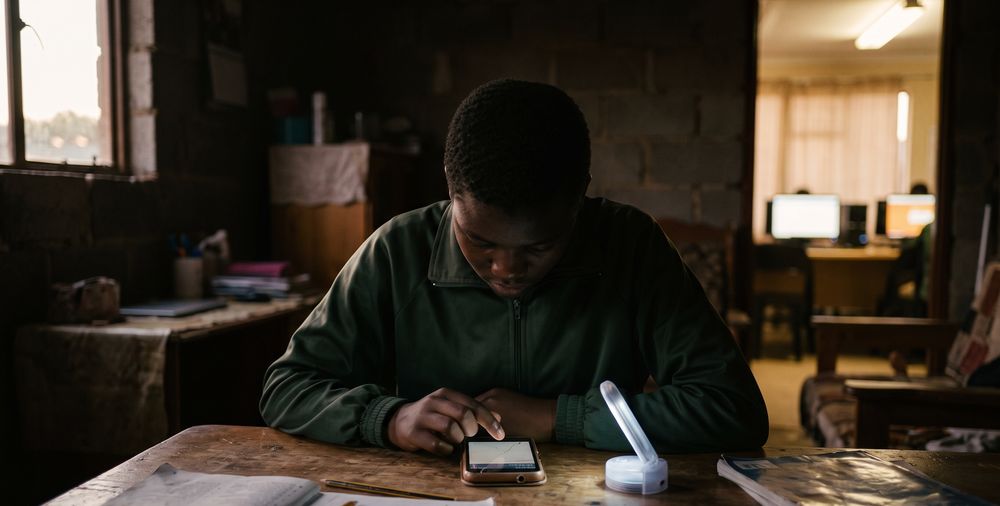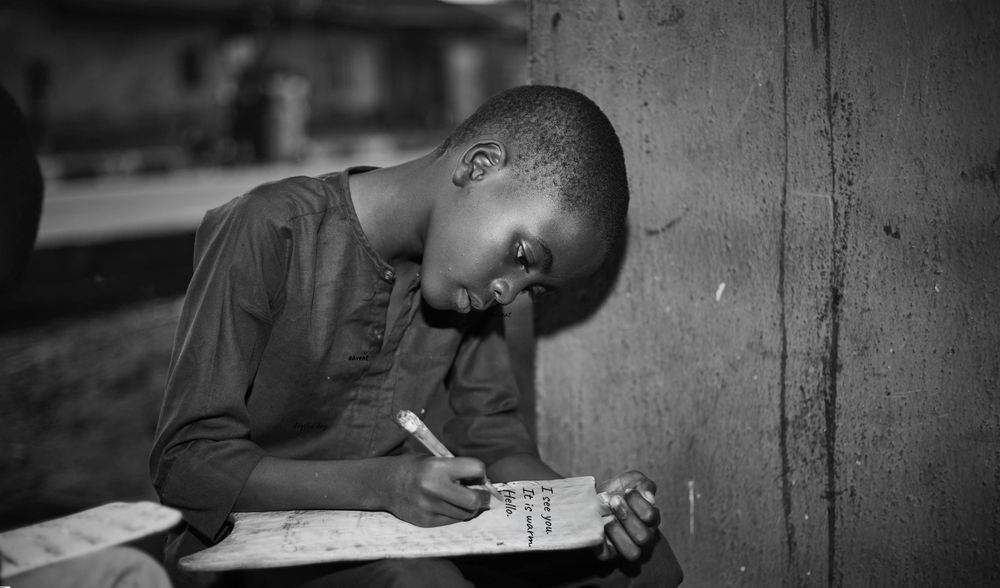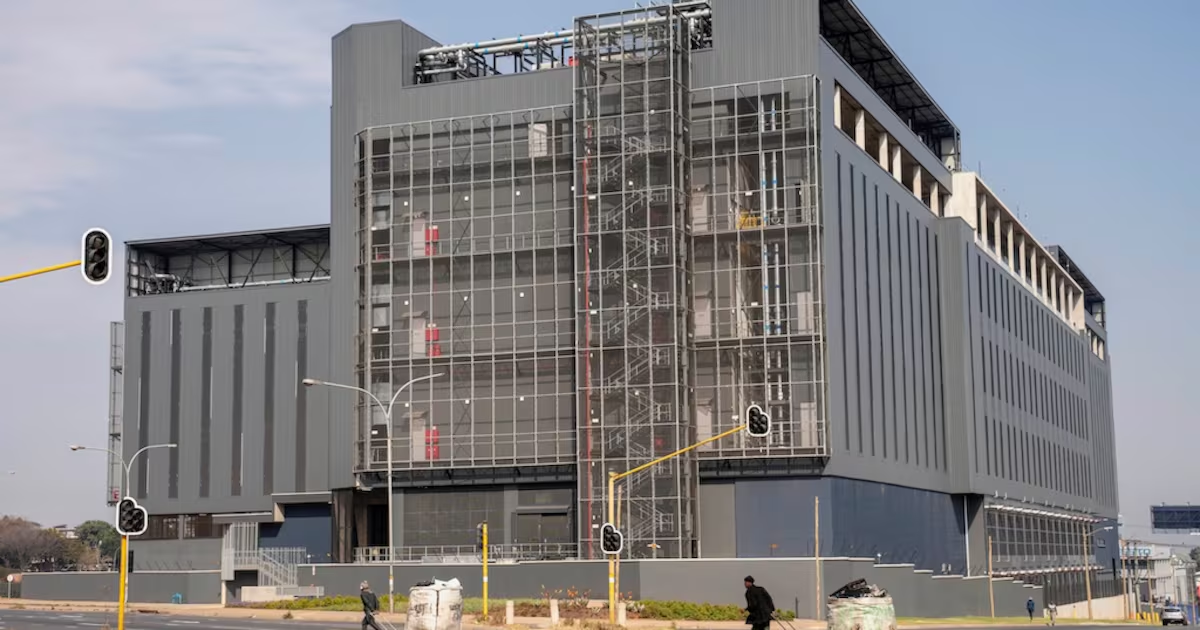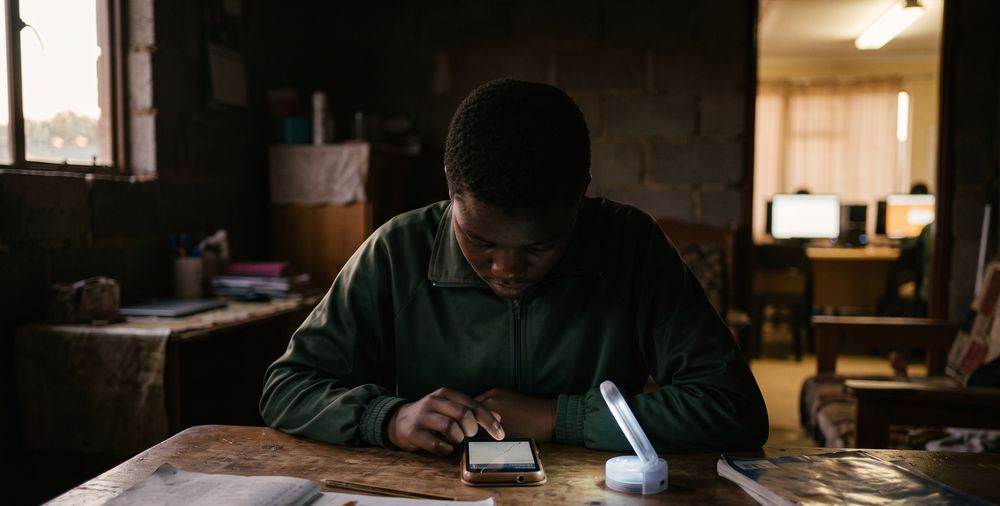
Digital technologies create great opportunities, but the transformation they offer isn’t equally within reach of everyone. Access is determined by a vast digital divide.
The digital divide refers to the gap between individuals and households who have access to the internet, and those who do not. The digital divide can restrict education attainment, economic opportunity, the ability to adapt to rapidly changing employment environments, healthcare access, social inclusion, and overall quality of life.
While digital technology will bring about many environmental, social and economic gains, the pathway to South Africa’s digital future is not without challenges. The country needs to make the benefits inclusive and equitable.
As a researcher at the Gauteng City-Region Observatory (GCRO), I analyse urban development with the aim of providing evidence for policies. I recently explored Gauteng’s digital divide to understand how it might shape inequalities in the future. I asked whether residents of Gauteng – South Africa’s most populous province and a regional economic power house – have equal access to opportunities in our digital futures.
My findings show that there’s a marked digital divide in Gauteng. It is spatially concentrated and characterised by social inequality in terms of race and household income.