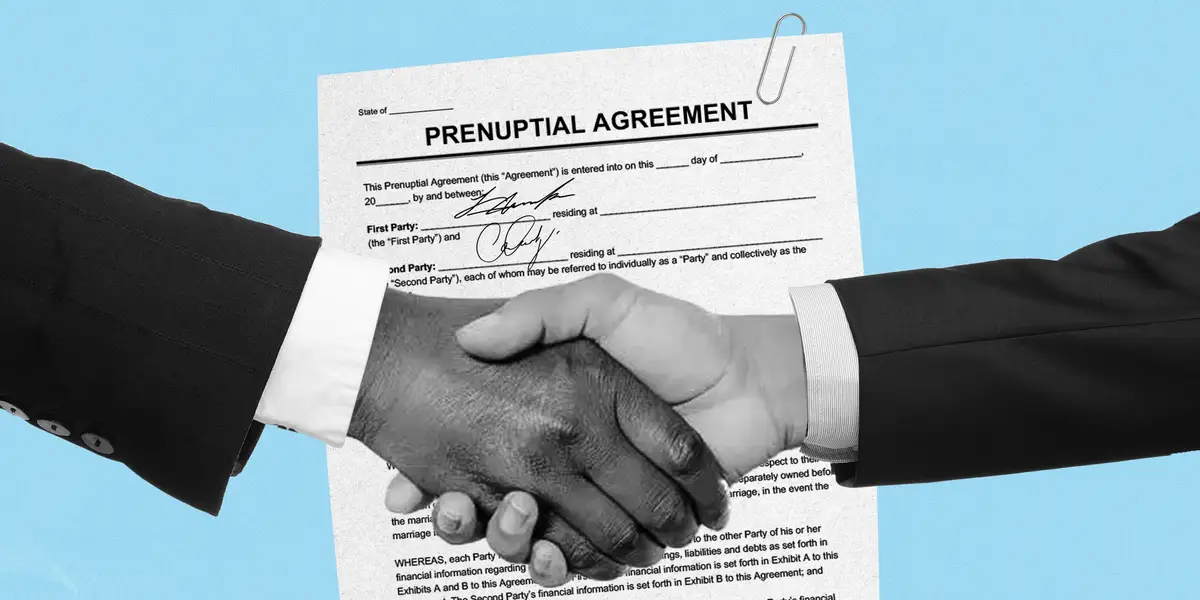
If a founder's startup feels like their baby, their cofounder may very well feel like a spouse.
Getty Images; Alyssa Powell/BI
You've been imagining this moment for a while. Maybe spent weeks having long, potentially tough conversations in preparation. Now, it's finally time to pop the question:"Will you be my cofounder?"Interest in entrepreneurship appears to be rising in the US, with new business applications already up by more than 450,000 in the first half of 2026 compared with the same period last year, according to the US Census Bureau.If a founder's startup feels like their baby, their cofounder may very well feel like a spouse. Once they've chosen that special someone, setting the right guardrails for that partnership is crucial. In some ways, AI has made these decisions even more important as business teams get smaller, companies move faster, and the pressure becomes more concentrated.Business Insider asked three sets of AI startup cofounders what early conversations have led to successful partnerships, and how they determined who gets what if things go wrong. They shared the key elements of their early agreements, along with what they'd put in their ideal "cofounder prenup." Their words have been edited for length and clarity.