ChatGPT Desktop (Codex Desktop) for Linux: The 2026 Open-Source Revolution That Took Hacker News by Storm
If you visited Hacker News on a random Tuesday morning in early 2026, you couldn't miss it. The front page was plastered with submissions about "Codex Desktop" — the long-awaited native Linux application for OpenAI's ChatGPT and Codex models. The thread titled "Show HN: I built a Linux desktop client for ChatGPT that doesn't suck" racked up over 2,000 points in less than 24 hours. But this wasn't a third-party wrapper. It was an official release from OpenAI, and it changed everything for Linux users.
Why the Hype? The Convergence of ChatGPT and Codex
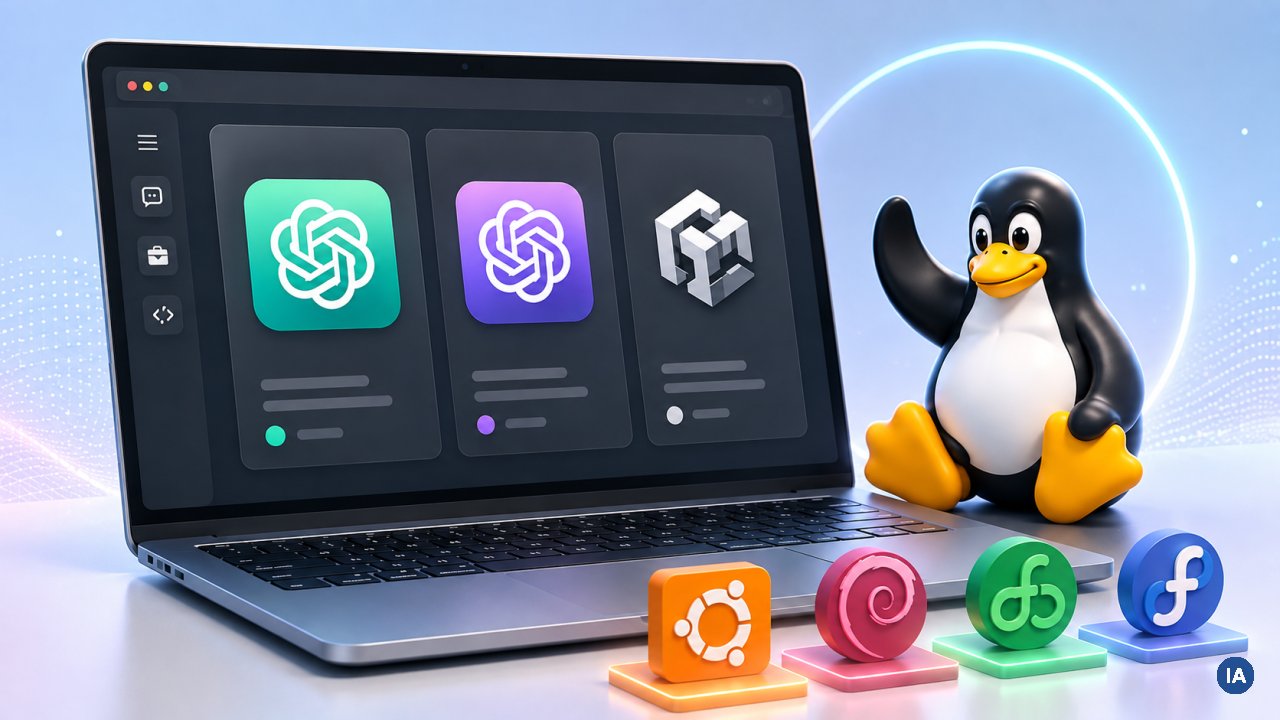
For years, Linux users had to choose between a browser tab, a command-line interface, or a third-party Electron app to access ChatGPT. Meanwhile, developers who wanted Codex — OpenAI's agentic coding assistant — had to use the CLI or a VS Code extension. The 2026 release of Codex Desktop merged both experiences into a single, native application. It wasn't just a port; it was a complete reimagining of what an AI desktop client could be.
The key announcement that sent shockwaves through the community was that the Linux version would be open source under the MIT license. That's right — OpenAI open-sourced the desktop client. The codebase, built in Rust with a GTK4 frontend, was designed to be lightweight, fast, and deeply integrated with the Linux ecosystem. No Electron. No Chromium. Just native widgets and a small memory footprint.