How can our understanding of mortality shape the way we live? Palliative care doctors and death doulas share the lessons they have learned
W
e will all face death one day, but our attitude towards this is individual. How can our understanding of mortality shape our approach to life? Here, palliative care doctors and death doulas share what they know about the end – and how it informs the way they live.
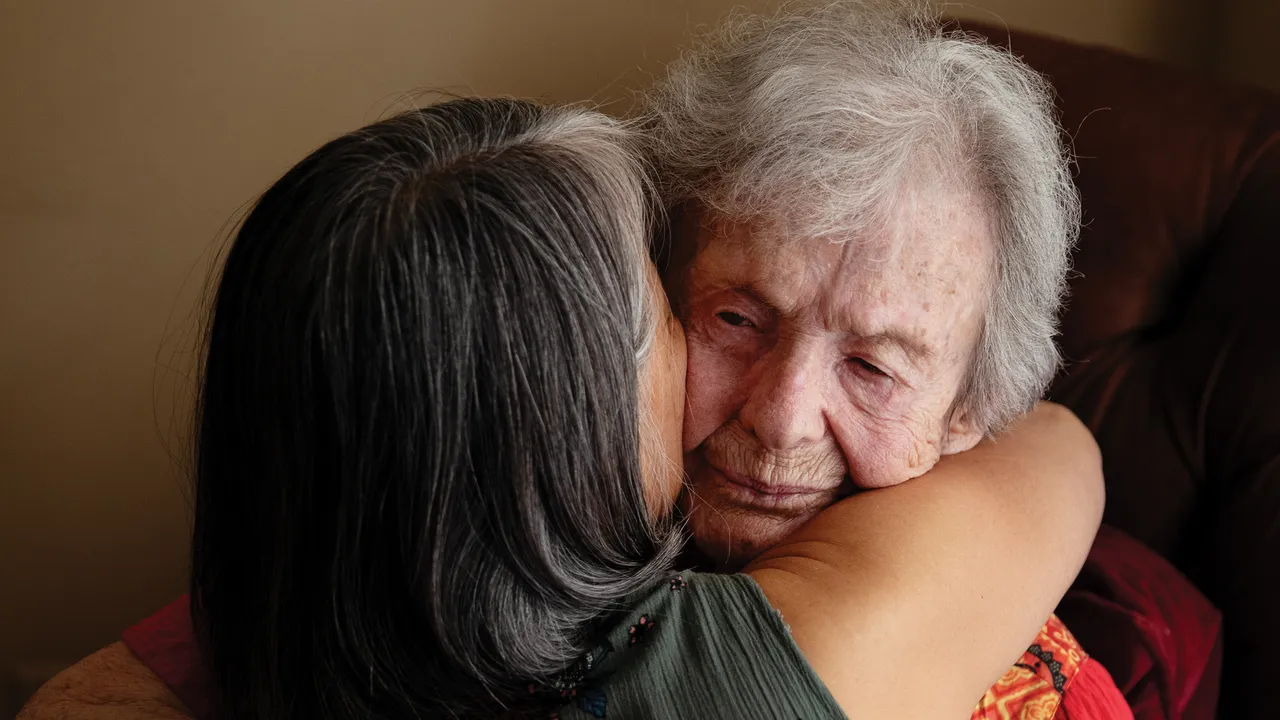
Dr Rachel Clarke is a palliative care doctor who works at an NHS hospital in Oxfordshire and is the author of several books, including The Story of a Heart. “I have learned what matters to my patients as they approach the end of their life,” says Clarke. “All the irrelevant stuff is stripped away. No one cares about how much power they had, how big their house is, how fancy their car is, how much status they had at work. What they care about is the people they love.” In short: “The way to live a life that is rich and deeply fulfilling is to build human connections. That matters more than anything else.”
At the end of life, repairing relationships can be crucial, says Dr David Holland, a palliative care consultant who works in Norfolk. “People tend to have things they want to say, like ‘I’m sorry’, ‘I forgive you’, ‘Forgive me’, ‘I love you’ or ‘Thank you’. Not addressing those unsaid feelings can lead to people having regrets.”