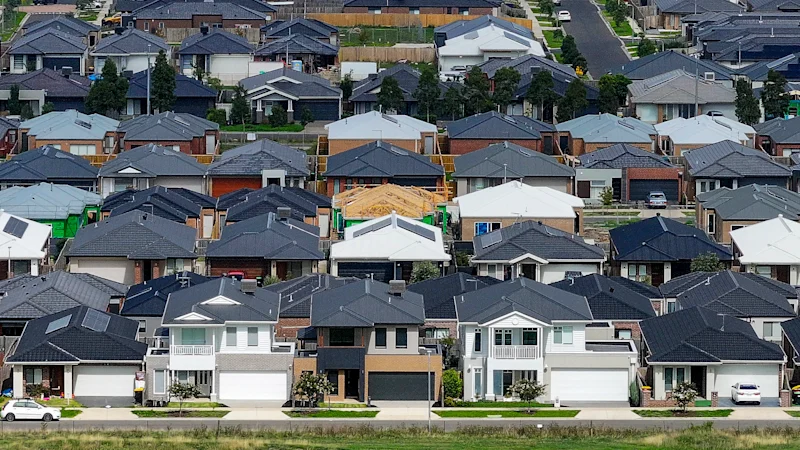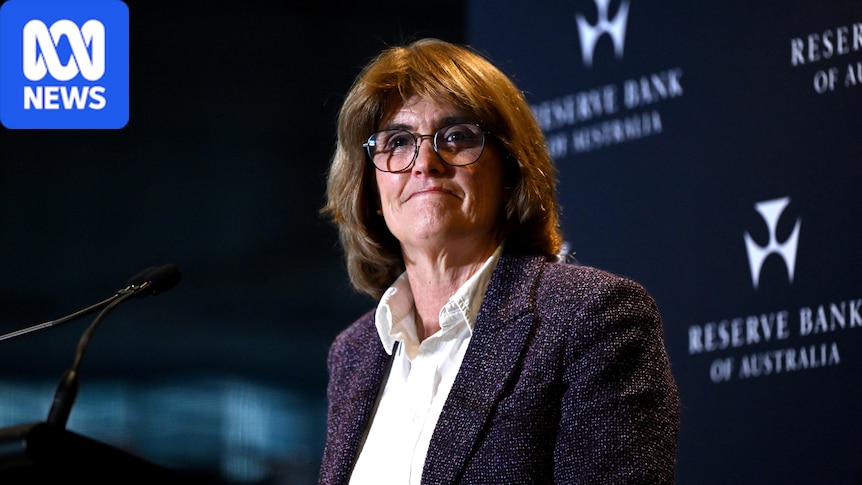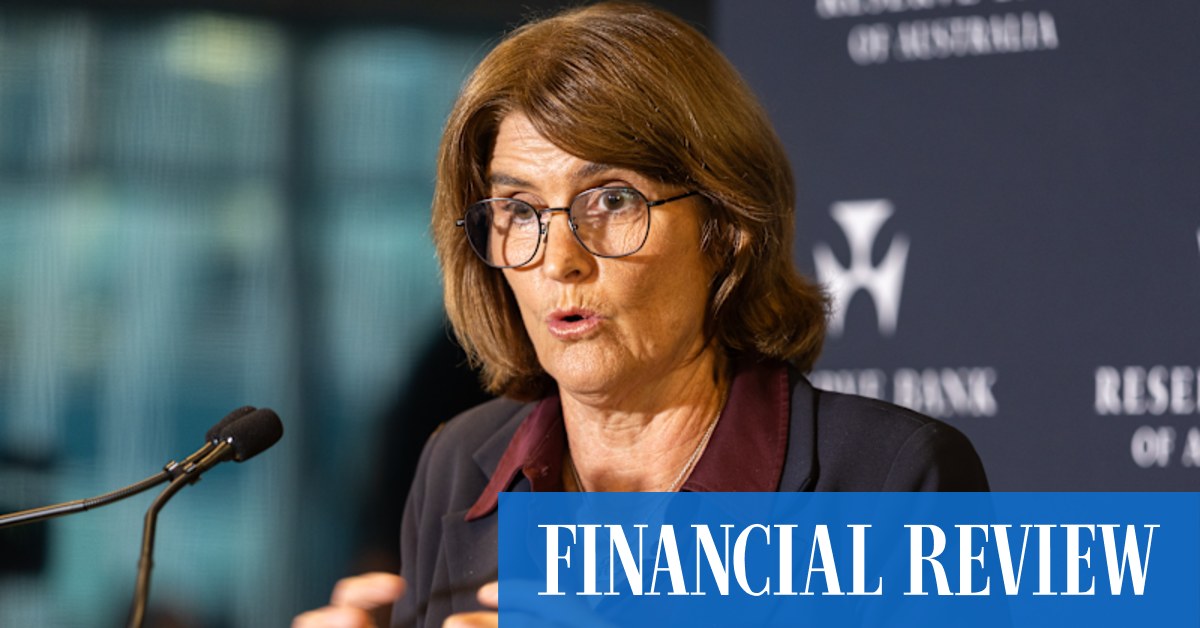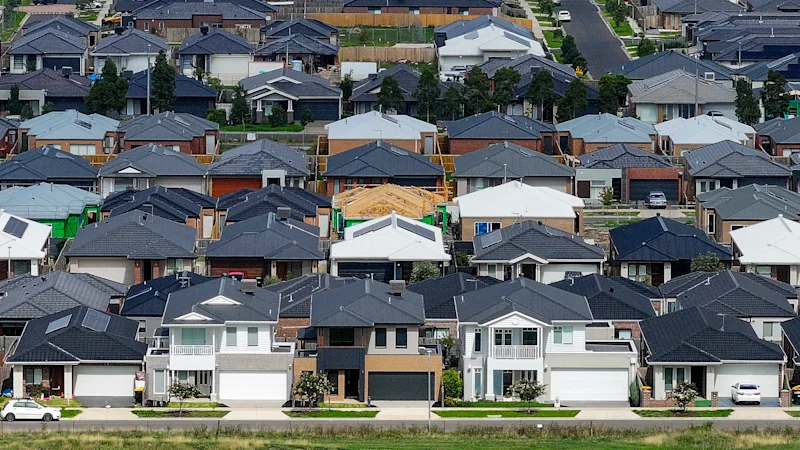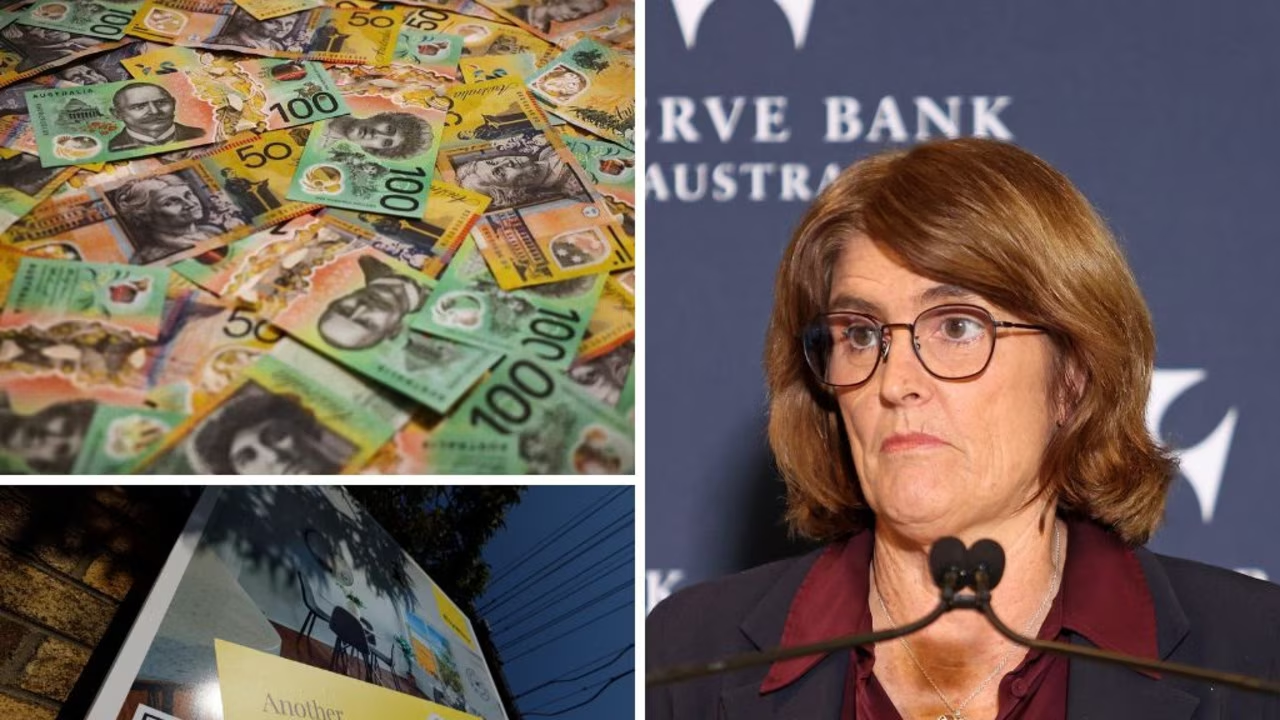
Australia’s slowing housing market could slow the Reserve Bank from lifting interest rates, despite the central bank saying it doesn’t directly impact house prices. In a speech made at the LSEG Insight Series in Sydney, RBA Assistant Governor Christopher Kent says a slowing housing market is reducing household spending.“All else equal, these changes will tend to reduce the extent to which monetary policy needs to constrain the growth in aggregate demand to help bring inflation back to the RBA’s target,” he said.Mr Kent said the housing market is an important transmission of monetary policy with rising rates impacting how much buyers can borrow. “Housing market conditions, including housing prices and growth in housing credit, also respond quickly to – and therefore can help inform our assessment of – financial conditions,” he said. Mr Kent’s comments follow a widely predicted move – the RBA monetary policy board unanimously decided on Tuesday to leave the cash rate at 4.35 per cent for the second straight meeting, after three hikes earlier this year.RBA governor Michele Bullock confirmed the slowing housing market was not the reason the cash rate was held.“We were a bit surprised on the downside, but no, that’s not what’s keeping us on hold,” she said on Tuesday.“What’s keeping us on hold is that we’ve already raised three times, and we are still waiting to see because it takes time for those to come through.”Ms Bullock said the central bank does not deliberately make cash rate moves to support the property market. “The housing market wasn’t a constraint, and I would not say that the housing market is not, we didn’t consider an interest-rate cut,” she said. “The housing market in terms of cutting interest rates – that’s not entering the equation.”National property prices fell by 0.7 per cent in July, marking the largest single monthly decline across Australia since December 2022. Meanwhile, ANZ economists Madeline Dunk and Adam Boyton said the market was slowing quicker than expected.ANZ forecast capital city prices would fall by 4.3 per cent this calendar year and by 3.4 per cent in 2027.Sydney alone is predicted to fall 14.5 per cent peak-to-trough. The Reserve Bank aim is to keep inflation between 2 to 3 per cent, while maintaining full employment.Currently headline inflation is at 3.8 per cent, while the all important trimmed mean rate – which cuts out the top and bottom 15 per cent of expenses -came in at 3.60 per cent. Mr Kent said the downturn in the housing market has been due to a combination of higher rates and the Albanese government’s highly controversial changes to capital gains and negative gearing. The changes slated for the 2027-28 financial year would restrict negative gearing to newly built properties and replace the 50 per cent CGT discount with a discount based on profit above the inflation rate since a property’s purchase.A minimum 30 per cent tax rate would also be introduced.“Some of the downturn in the established housing market is what we would expect following the cash rate increases earlier this year,” Mr Kent said. “Higher interest rates reduce the net present value of all assets, lower borrowing capacity, increase repayment burdens, and encourage saving.“And some of the downturn reflects a pullback after a long period of very strong growth in housing prices. In addition, tax changes announced in the federal budget appear to have contributed to reduced demand in the established housing market by lowering the after-tax return from housing for investors.”Read related topics:Reserve Bank
Housing slump may stop future RBA rate hikes
Australia’s slowing housing market could slow the Reserve Bank from lifting interest rates, despite the central bank saying it doesn’t directly impact house prices.
581 words~3 min read