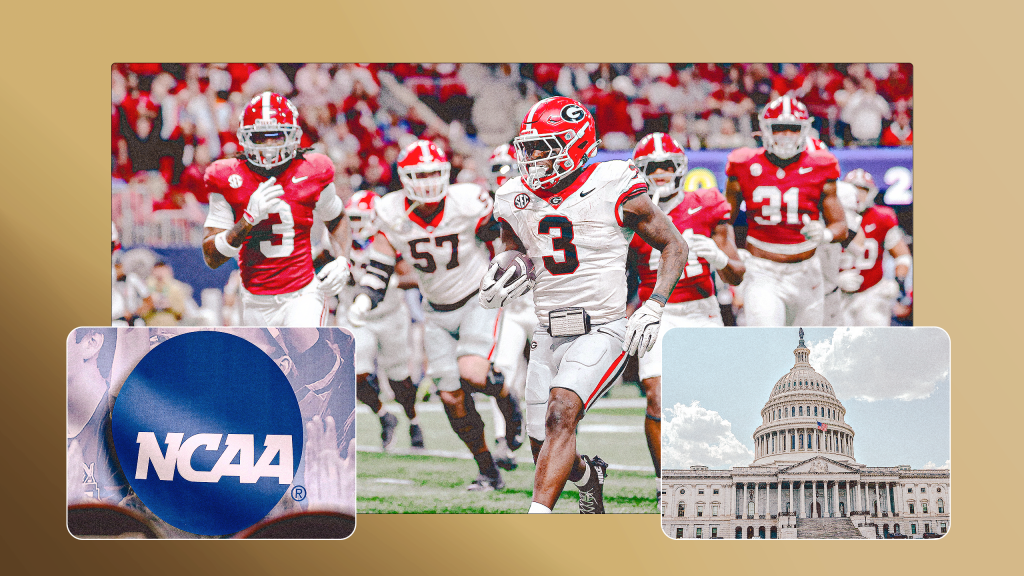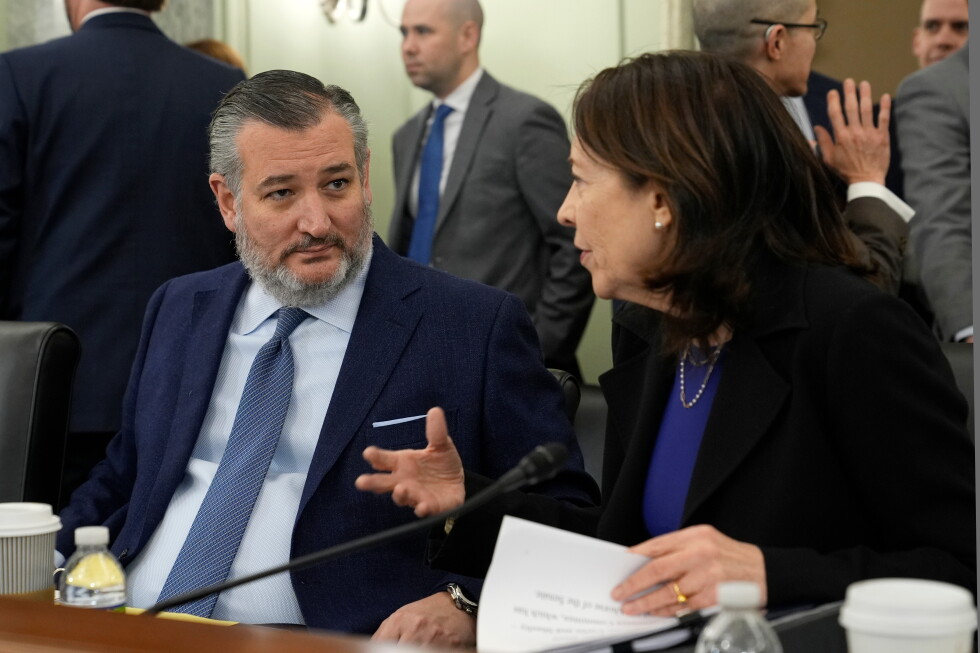
The National Collegiate Athletic Association has an antitrust problem. And it’s not going away. The association’s best shot at dispelling the morass faded on Friday when the Senate failed to vote on the Protect College Sports Act, a bill that, among other things, grants the NCAA an antitrust exemption. The earliest time senators will consider it again will be in September. After that, the midterm frenzy kicks in, and who knows when the bill will be back on the floor? The antitrust carve-out would allow colleges to act and negotiate as a collective but is far from a silver-bullet solution. But if it’s unsuccessful, the NCAA will continue to get pummeled with lawsuits.
At the same time, not passing the act could open a seat at the table for student athletes.
Two cases capture the scale of the problem and the NCAA’s legal battering so far: NCAA v. Alston and NCAA v. House. These lawsuits relate to the association’s restrictions on athlete eligibility and compensation. The rules have the greatest impact on football and basketball players in Division I, where all the money is. Collegiate sports are built on the service of unpaid college athletes because for decades the NCAA has claimed it is an amateur league. But judges take a different view: By not compensating athletes while raking in billions, the NCAA is denying students a fair-market value for their labor.